Why Children Often Learn Better When Adults Pause After Asking a Question
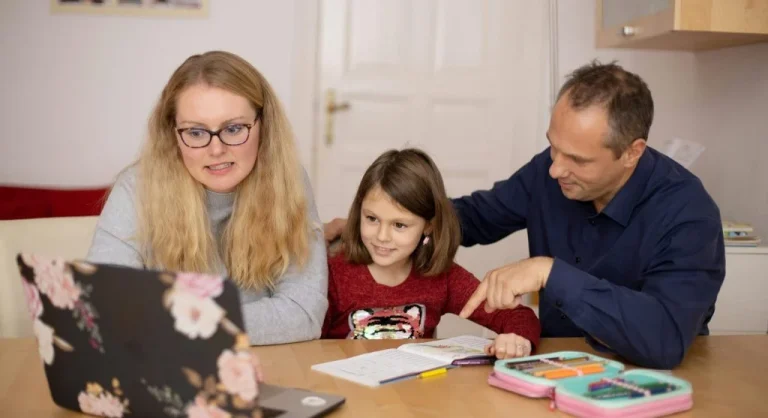
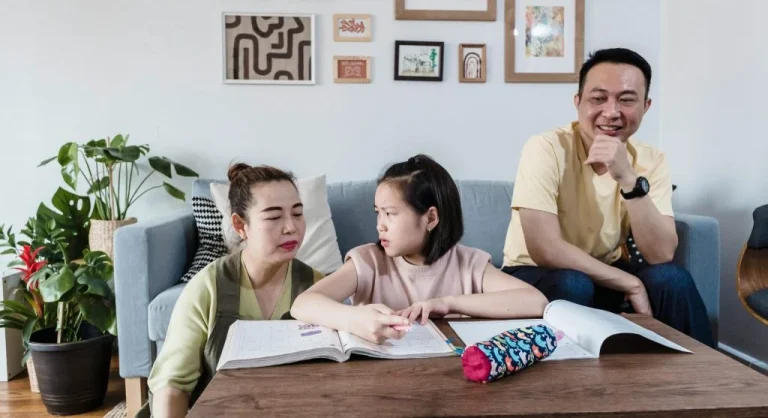
Many adults ask children a question and then quickly step in with another prompt, a hint, or the answer itself. This usually happens with good intentions. Adults often want to keep learning moving and prevent frustration. Child development and education specialists generally note, however, that children often learn better when adults pause after asking a question. That brief pause gives children time to process language, organize thoughts, search memory, and attempt an answer on their own. In many homes, the learning problem is not that the child cannot think. It is that the child is not given enough time to do the thinking. This matters because home learning often happens in busy family settings where adults are multitasking or trying to move through practice efficiently. In that environment, silence can feel uncomfortable. Yet education guidance often suggests that quiet thinking time supports stronger learning than constant rapid prompting. Over time, children often become more confident, more verbal, and more accurate when adults create enough space for an answer to emerge before stepping in.
Children Often Need More Processing Time Than Adults Expect
Adults are usually much faster at understanding a question, deciding what it means, and finding a response. Children are still building those same abilities. They may need extra time to understand the words, connect them to what they know, and decide how to express an answer. A question that sounds simple to an adult may still require several mental steps for a child. Child development specialists generally note that children often appear uncertain when they are actually still processing. If an adult jumps in too quickly, the child may stop trying and let the adult carry the thinking. In many cases, a short pause gives the child the extra room needed to move from confusion into response.
Pausing Helps Children Search Their Own Memory
When adults ask a question, children often need time to search memory rather than reply instantly. This is especially true during reading, spelling, number practice, or conversation about something learned earlier in the day. If the adult quickly supplies hints or answers, the child may rely more on the adult’s help than on recalling the information independently. Education experts often note that memory becomes stronger when children have opportunities to retrieve information on their own. A pause after the question supports that process. The child may still need guidance sometimes, but the first chance belongs to the child’s own thinking. Over time, this can support stronger recall and more independent learning.
Children Often Answer Better When They Feel Less Rushed
Questions can feel like pressure when they arrive in a fast sequence. A child may feel tested instead of guided, especially if the adult’s tone suggests that a quick answer is expected. This pressure can make children freeze, guess randomly, or say “I don’t know” before they have really tried. In these moments, the speed of the exchange can become part of the problem. Family learning specialists generally note that children often perform better when the emotional pace is calmer. A pause signals that the child is allowed to think. That message can lower anxiety and make the question feel more manageable. In many homes, children answer with greater accuracy once they stop feeling rushed toward instant response.
Silence Often Looks Less Productive Than It Really Is
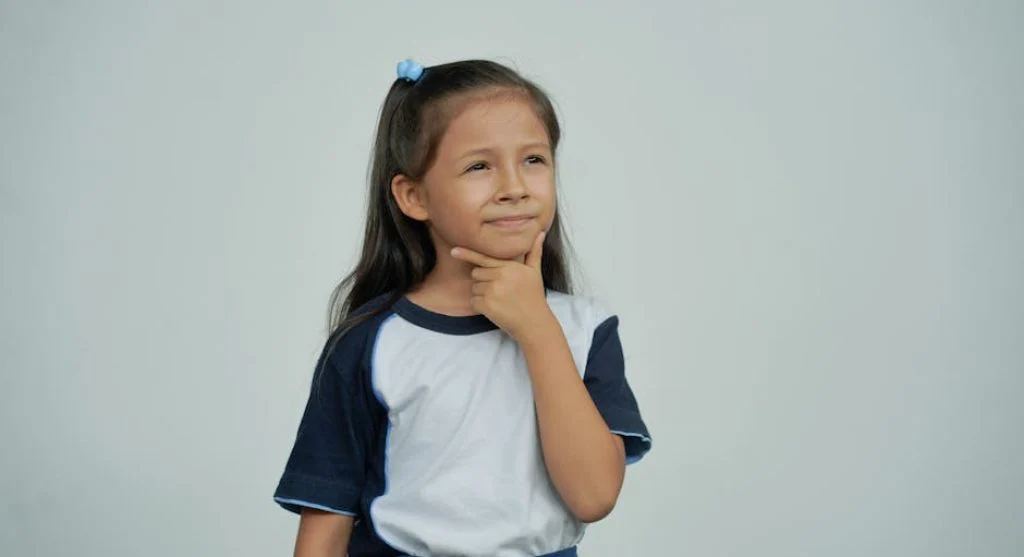
Adults sometimes mistake silence for not knowing. In reality, silence can be a sign of active thinking. A child may be replaying a reading passage, picturing a math problem, or testing possible answers internally before speaking. Because that work is quiet, adults may assume nothing is happening and interrupt the process too soon. Child development specialists often note that thinking time is a real part of learning, even when it looks inactive from the outside. A pause after a question respects that hidden work. In many cases, the answer that arrives after a few quiet seconds is stronger than the fast answer that would have come under immediate pressure.
Pausing Can Support Stronger Language Development
Children often need time not only to know the answer, but also to find the words for it. This is especially true for younger children or for children trying to explain something more complex than a one-word reply. If adults fill the silence too quickly, children may lose the chance to practice turning thought into language. Communication and education experts generally note that language grows through use. A pause after a question can help children build fuller responses because they have time to organize their sentence. Over time, this often supports clearer speaking, stronger explanation skills, and more confidence in verbal expression.
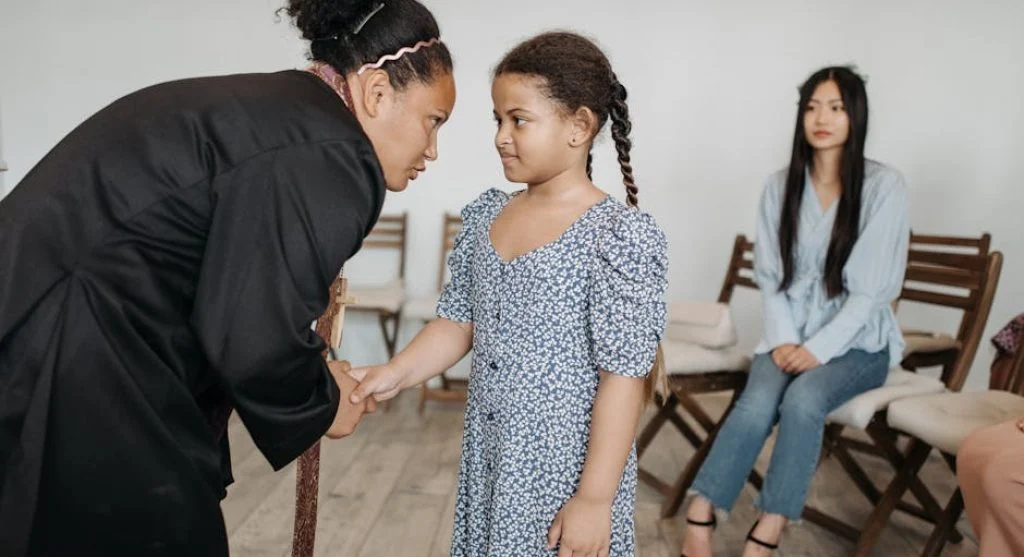
Children Often Become More Independent When Adults Do Less Too Soon
Many adults help quickly because they want the child to succeed. Yet fast help can accidentally teach children to wait for rescue instead of working through the question themselves. If the adult routinely repeats, rephrases, hints, and answers within seconds, the child may begin expecting that pattern. The pause disappears, and so does the child’s chance to attempt the problem independently. Education specialists often explain that independence grows when children are given a real opportunity to think first. Pausing does not mean leaving a child unsupported for too long. It means giving the child the first turn at the question. In many homes, this small shift makes children more willing to attempt answers without depending immediately on adult intervention.
Pausing Works Best When the Question Is Clear and Simple
A pause is most helpful when the original question is short and understandable. If the question is too long, layered, or vague, silence may not help because the child is still trying to decode what was asked. Children usually benefit most when adults ask one clear question and then wait. This makes the thinking task easier to hold in mind. Family learning experts generally note that simple questions paired with quiet wait time often produce stronger responses than complicated questions paired with many follow-up prompts. In many homes, the combination of clearer wording and steadier pausing changes the whole feel of learning conversation.
Children Often Gain Confidence When Their Thoughts Are Given Time
One of the quiet benefits of pausing is that it shows children their thoughts are worth waiting for. This can strengthen confidence, especially for children who are hesitant, slower to answer, or used to adults jumping in quickly. When a child experiences that an adult can ask, wait, and listen, the child often becomes more willing to speak and try. Children often learn better when adults pause after asking a question because the pause supports thinking, memory, language, and confidence all at once. In many homes, stronger learning begins not with more talking, but with a few more seconds of patient quiet that give the child room to answer.