Why Question Asking Is an Important Early Learning Skill for Children
Parents often concentrate on whether their kids can get the right answers when considering if a child is ready for school and learning at home. However, experts in early education usually point out that the act of questioning is a valuable learning skill in itself. When a child voices a thought, asks the reason for something, or needs to know how something functions, they’re doing a lot more than just talking. They’re developing curiosity, making observations, building their language skills, and actively being involved in their surroundings.
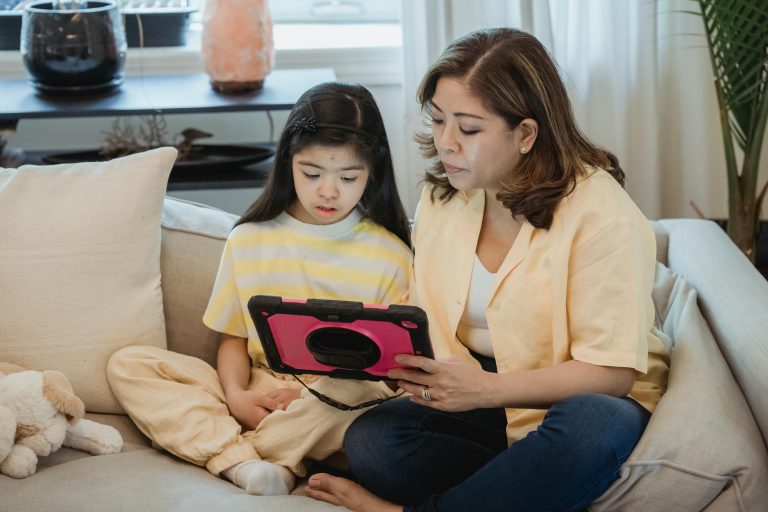
The importance of questions is that they prove learning isn’t passive. Children aren’t simply taking things in, they’re also attempting to make sense of what they’ve seen and link it to anything they’re unsure of. At home, this frequently happens in ordinary ways. A child might ask about the moon’s changing form, a story character’s motivations, or how water flows in various types of dishes. These instances can seem insignificant, yet they frequently represent a deep level of interest in learning.
Questions Show That a Child Is Paying Attention
Kids ask questions because something really grabs their attention. That could be because they’re surprised, puzzled, curious or simply interested. Regardless, the question itself demonstrates they are looking deeper than at things as they seem. And this sort of awareness is important for learning as a young child, because it means they’re attempting to make sense of what’s going on.
Families are sometimes in a hurry to get through their daily schedules, yet it’s when you pay attention to questions that you realize learning is actually unfolding. A child who questions things in their everyday life is doing a lot of initial thinking, even before they have the words to explain it in a classroom way.
Question Asking Supports Language Growth
Kids pick up language not just from listening to words, but from actually doing something with them – using them to think. When they ask questions, they’re forced to get their thoughts into words. A little “Why?” for example, means the child is linking what they are curious about with the act of saying something. And as they get older their questions get more and more specific, and this actually helps their language skills become more sophisticated.
This is important as language and learning build on each other. When parents and others really listen to a child’s questions, they generally learn things, and also feel more sure of themselves when using language to figure out what they don’t understand.

Credit: Pexels
Questions Help Children Connect Ideas
Kids really start to learn when they start to link what’s happening to them with other things they’ve done. When a child wonders if all seeds sprout in the same manner, or why one item goes under the water and another stays on top, they are starting to make comparisons, put things in groups and check out their ideas. And developing these kinds of thought patterns is crucial for doing well in school later on.
Most of the time, families help with this in the best way by letting a question hang in the air for a bit so they can talk about it. Getting an answer quickly is fine, yet a discussion about the question itself might help the child really strengthen their reasoning. First asking a child what they observe, or what they believe, can make the lesson much more meaningful.
Question Asking Can Build Confidence in Learning
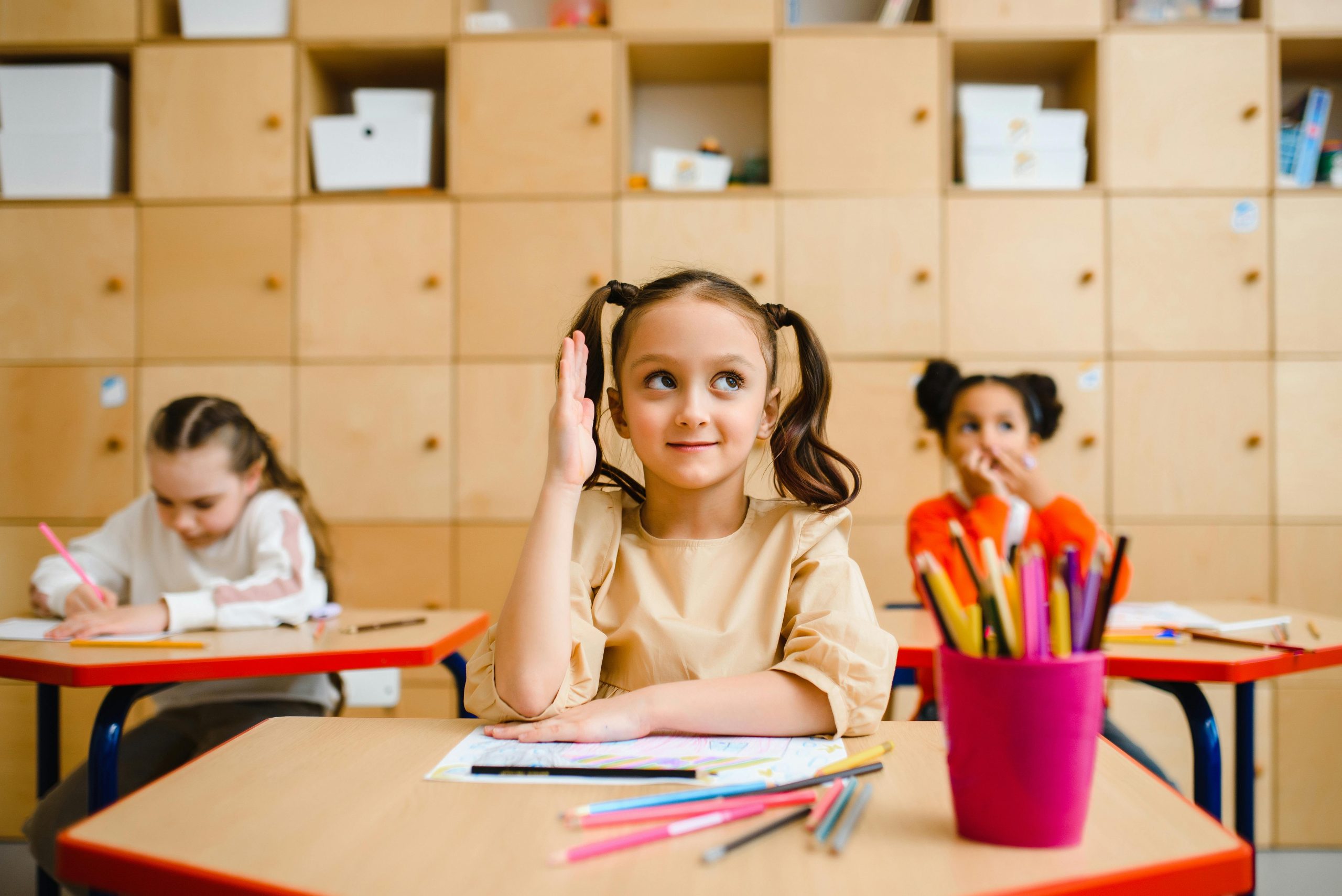
Kids learn much better when they feel they’re allowed to ask anything. When a child is listened to consistently, they’re apt to share their thoughts, to attempt things they haven’t done before, and to keep being inquisitive when things are new. And this is important later on at school; children generally need to be brave enough to get things explained, to ask for assistance, or to admit they’re unsure.
However, if a child is ignored or brushed off over and over, they will likely say less about what they don’t understand. At home, the way their family reacts to questions determines if the child will view learning as positive and welcoming, or as a potential source of difficulty.
Adults Do Not Need Immediate Perfect Answers
Families can get stressed by all the questions kids ask because they’re worried about being right. However, people who study how children learn usually say you don’t have to be an expert on everything to help your child. Kids frequently are helped just by you treating their question as something important.
Saying something like “That’s a good point, let’s consider that” or “We can discover the answer!” will encourage their wondering as much as immediately telling them the answer. It lets children see that not knowing is a normal part of learning, and isn’t something to feel bad about.

Credit: Pexels
Home Learning Becomes Stronger When Questions Are Valued
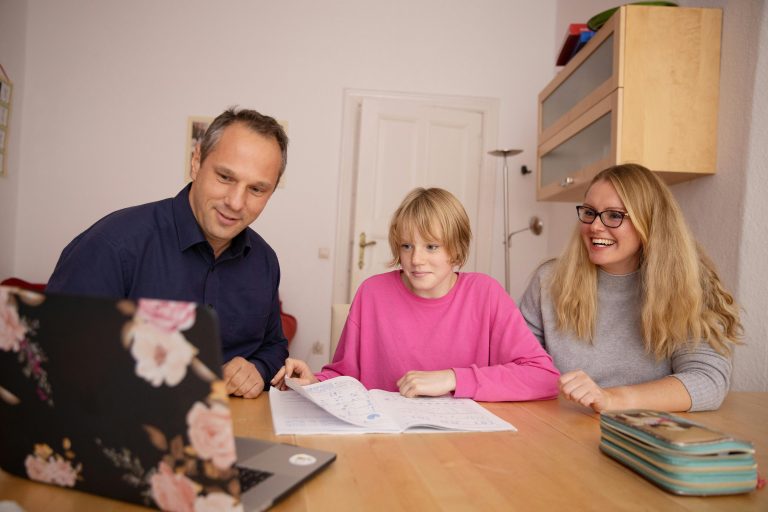
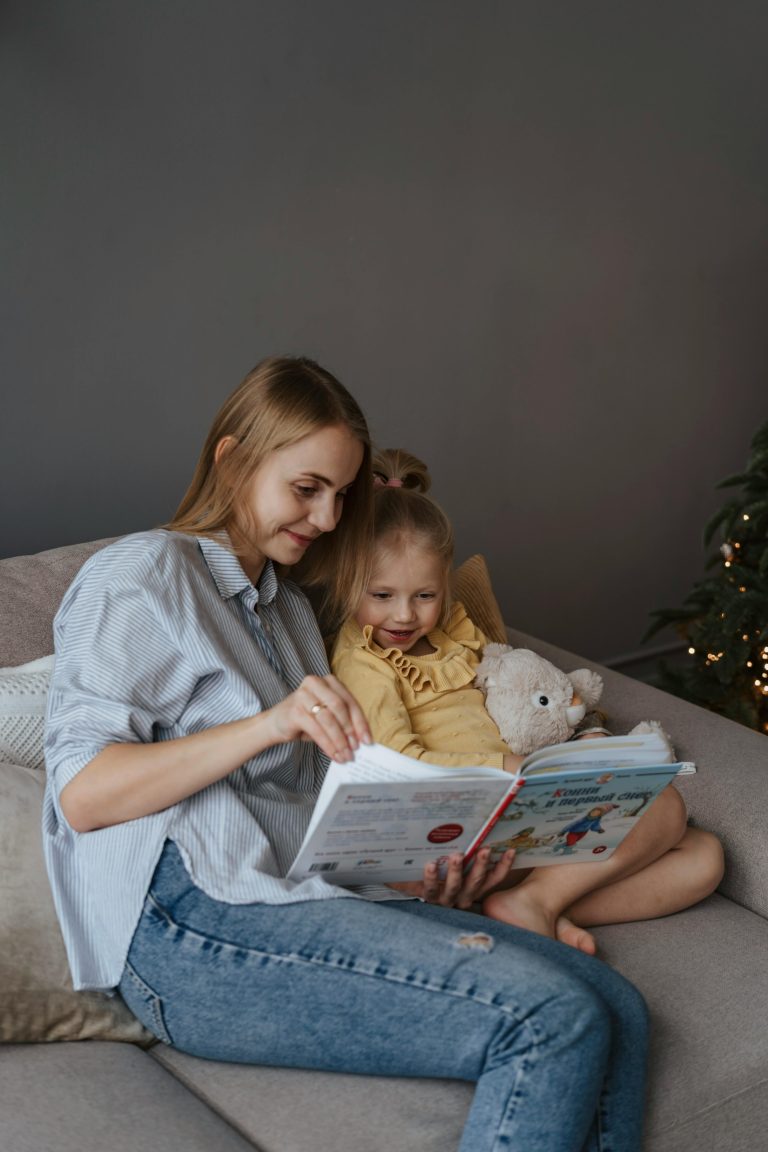
Kids usually pick things up most effectively when their observations, questions and pondering are seen as a good part of how they learn. Families don’t have to have a set lesson all the time to do this. Just chatting during the day, reading together, going for walks in nature, doing easy experiments, and being interested in their everyday curious thoughts are all ways to help them ask more questions.
Asking questions is a really important skill for young children to develop as it shows they are interested, helps them with their language, and makes them think harder. And in a lot of families, helping a child get ready for school isn’t just about giving them the answers, but about encouraging all the questions that prove they’re already learning.
Key Takeaway
When young children ask questions, it’s a sign of good things – they’re paying attention, are curious, their language is getting better, and their ability to think is growing. In fact, kids really understand things at a deeper level if their parents and family see questions as worthwhile, and not as a bother. Adults don’t have to have all the answers immediately for these exchanges to help. At home, a child asking something usually means they are already busily working to understand how the world works.