Why Family Traditions Feel Stronger When Children Help Shape Them
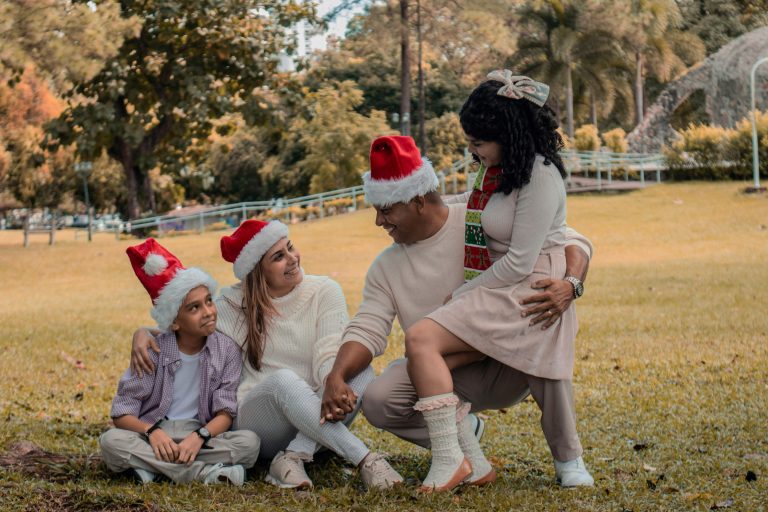
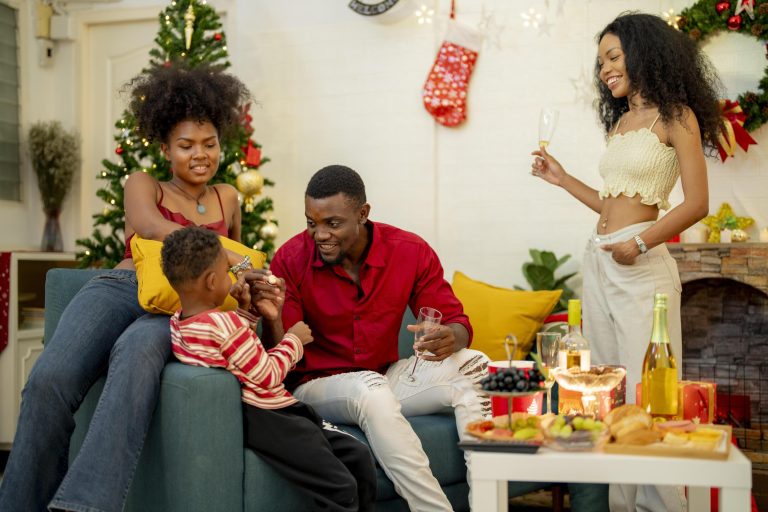
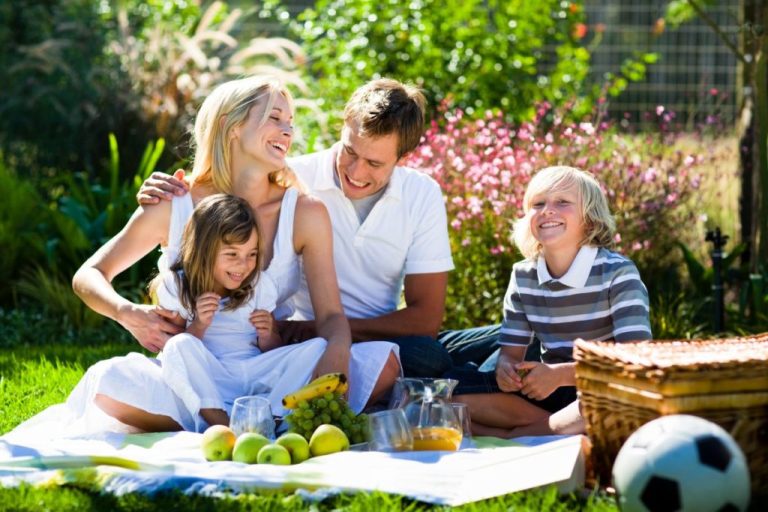
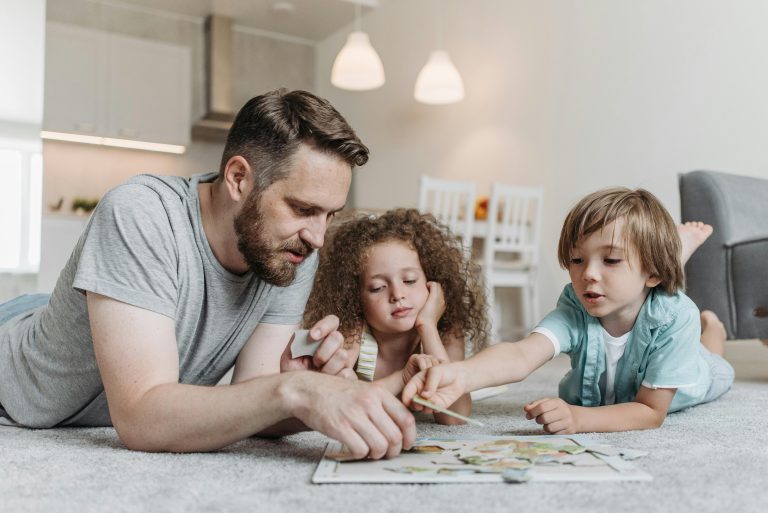
We tend to find family traditions important because we do them again and again, but simply doing things over and over isn’t the whole story. Traditions are often at their best when kids aren’t just at them, but are actually a part of making them happen. For example, a child who picks the sprinkles for Saturday pancakes, chooses the family’s usual park, or picks a song to play on birthday mornings will probably feel a closer tie to the tradition.
And this participation is important because traditions aren’t only memories parents build for their kids. They’re the habits and ways of being that children also step into and understand as their own. If children have a hand in building these habits, the traditions will usually feel more special to them, be easier to remember, and last through all of life’s changes.
Participation Helps Traditions Feel Like Belonging
Kids tend to get much closer to family traditions if they get to do something with them. When a tradition lets a child decide something, add something to it, or do the same thing every time, it begins to feel like a piece of what they are as a family. This changes it from just being watched or going along with things, to really being a part of things.
In a lot of families, even something pretty minor makes a difference. They might not only recall baking with the family each winter, but also being in charge of stirring the mix, or picking the sprinkles. It’s these kinds of details which commonly make a tradition feel special to an individual and something they’ll want to do again and again with significance.
Traditions Often Last Longer When They Evolve With Children
Family traditions don’t usually die out from a lack of value, rather they become too set in stone as kids get older and become different people. It’s generally simpler for families to keep doing things if the overall form of the tradition is something you’re used to, but the specifics can be altered to match what the children are interested in as time passes.
Being able to adapt like this is what keeps a tradition meaningful, and stops it from feeling like something you have to do. Kids who get to say how the tradition will evolve are likely to feel a stronger link to it when they reach new phases of their lives.
Credit: Pexels
Shared Ownership Can Reduce Pressure on Adults
Lots of families worry about making their traditions really special, original or absolutely perfect. But if the kids get to have a say in how you do things, a lot of that stress goes away. Instead of the grown-ups having to get everything exactly right, the tradition is something everyone in the family creates together.
And because of this feeling that it’s something everyone owns, these traditions are often easier to continue. A family custom where each person does a bit is likely to last longer than one that is completely down to adults to organize and power.
Children Often Remember What They Helped Create
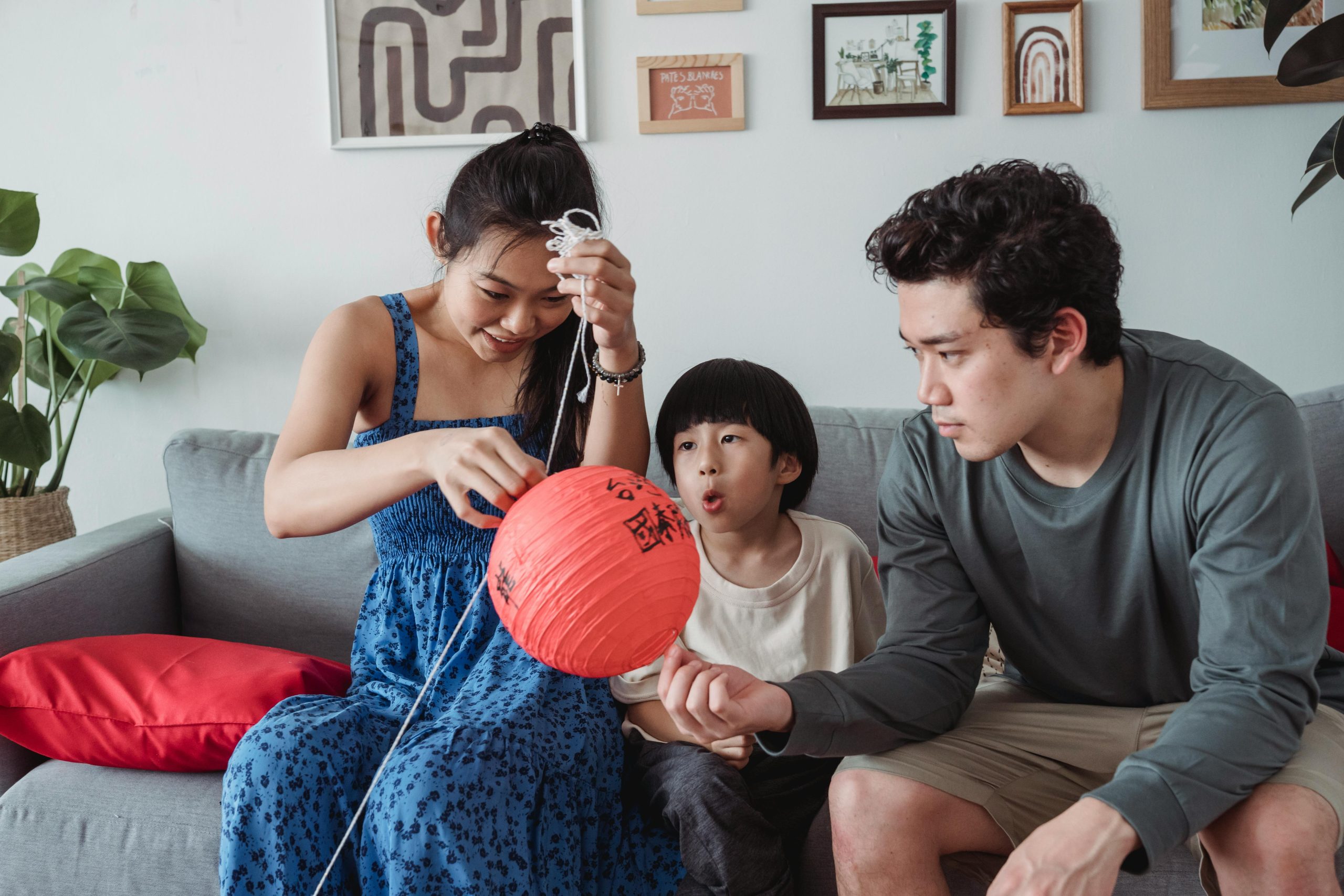
Kids often have really strong memories of the times they were included in family things. Maybe it’s doing the same craft every fall, that one rule during game night they were always told about, or being involved with getting dinner on the table. These stick with them because they made the child feel like they were truly a part of what was happening. And that feeling of doing something to help usually makes memories even stronger.
Traditions aren’t important simply because they’re pleasant. They’re important more often because a child understands where they fit within them. And being able to have a hand in creating what happens is one of the best ways for a child to understand that place.
Simple Choices Are Often Enough
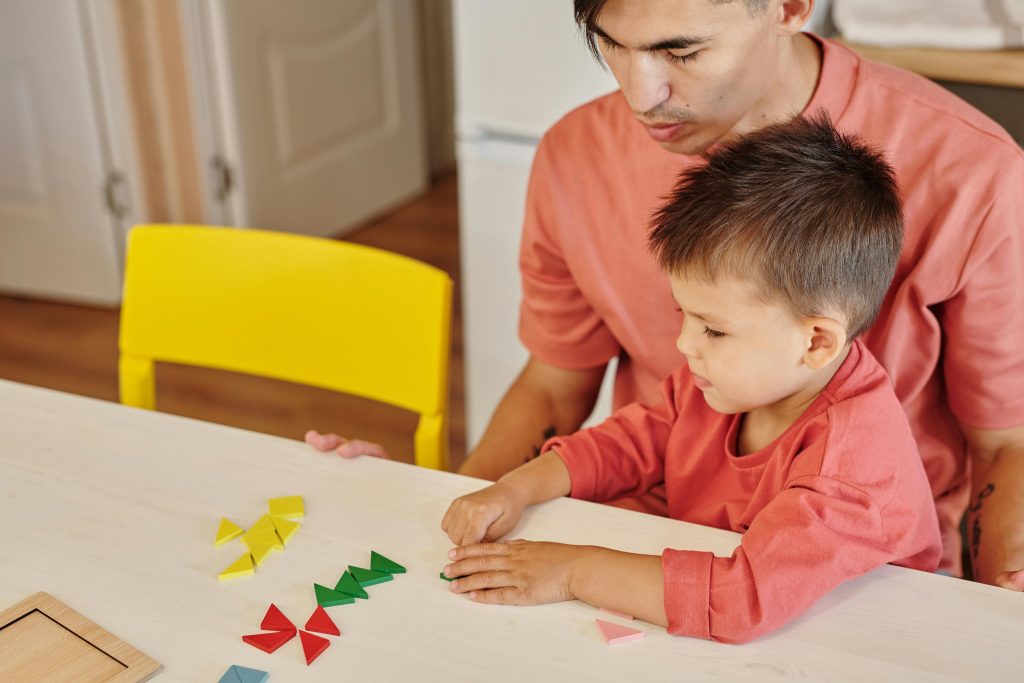
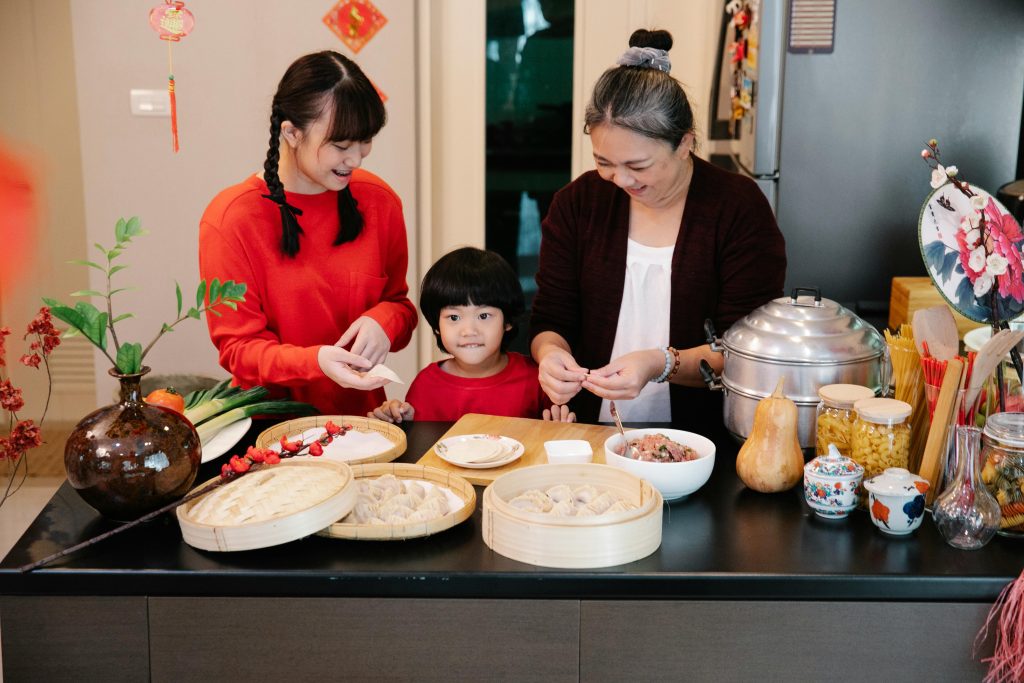
Families don’t have to let kids completely take over the things they always do to allow the children to have a say in them. A little bit of decision making from the child is usually all it takes. For instance, kids could choose what you’ll have for pudding at your monthly family meal, the path you’ll walk, which story is read aloud on a specific evening, or even a single element of the birthday breakfast.
These decisions are important, because they help the child understand the tradition as something everyone owns together, not something simply done to them. And as time goes on, these small choices that happen over and over actually make family traditions feel stronger, warmer and more vibrant.
Credit: Pexels
Traditions Become Stronger When the Family Builds Them Together
Kids usually find family traditions important because they create a feeling of things staying the same and of being part of the family. If children are involved in making those traditions, they mean even more. Instead of the tradition being something that just happens to them, it’s something they’re really a part of.
As time goes on, actually creating traditions together like this makes them easier to recall, to do again, and to be strongly connected to how the family feels. What’s more, in a lot of families traditions are at their best when everyone contributes to them, rather than being told what to do.
Key Takeaway
Family traditions seem to matter even more when kids have a little, but regular, hand in making them happen. Being involved helps them feel like they’re part of the family, strengthens how they remember things, and can even make the traditions themselves last as the kids get older. You don’t need anything complicated for this to work. In a lot of families, a tradition is at its best when children can tell they’ve actually helped to create it.