

Why Children Often Test Limits and What This Behavior Usually Means
You’ll probably find your kids push boundaries, even after you’ve told them the rules, and told them again. It can seem like they’re doing it on purpose or trying to be difficult, particularly if they do it a lot. But those who study how children grow usually say it’s completely typical and something to anticipate. It isn’t so much that they’re against you, but is more a way for them to find out about rules, how they relate to people, and how things are organised around them.
When you understand why kids do this, you can deal with it in a way that helps them learn and doesn’t cause bigger arguments. In fact, studies of how children develop show this testing of boundaries is very tied to how they think, how their feelings mature, and how they slowly become more independent.
Limit Testing Helps Children Understand Boundaries
Kids frequently push to see what they can get away with, because they’re figuring out what the rules are and if you’ll always react in the same way to something. Being told something once isn’t usually enough for them to really understand it. In fact, they’ll do something again, to find out if what happens next will be different or exactly as before.
Experts in how kids grow say that getting the same response each time makes it much easier for children to understand what’s expected of them. And if rules don’t shift, kids slowly learn them for themselves and won’t feel the need to check if the rule is still in place quite so often.
Curiosity Plays a Major Role in Behavior
Little kids are boundlessly curious about everything, and that absolutely includes how we get along with each other (the ‘rules’ of being with people). When they ‘test’ what they can get away with, it’s often because they’re figuring out what will happen if they don’t do something they’re told, or if they do something a little differently.
This kind of looking into things is how children learn, letting them find out about what happens as a result of their actions, how people will respond, and what’s expected of them in all sorts of circumstances.
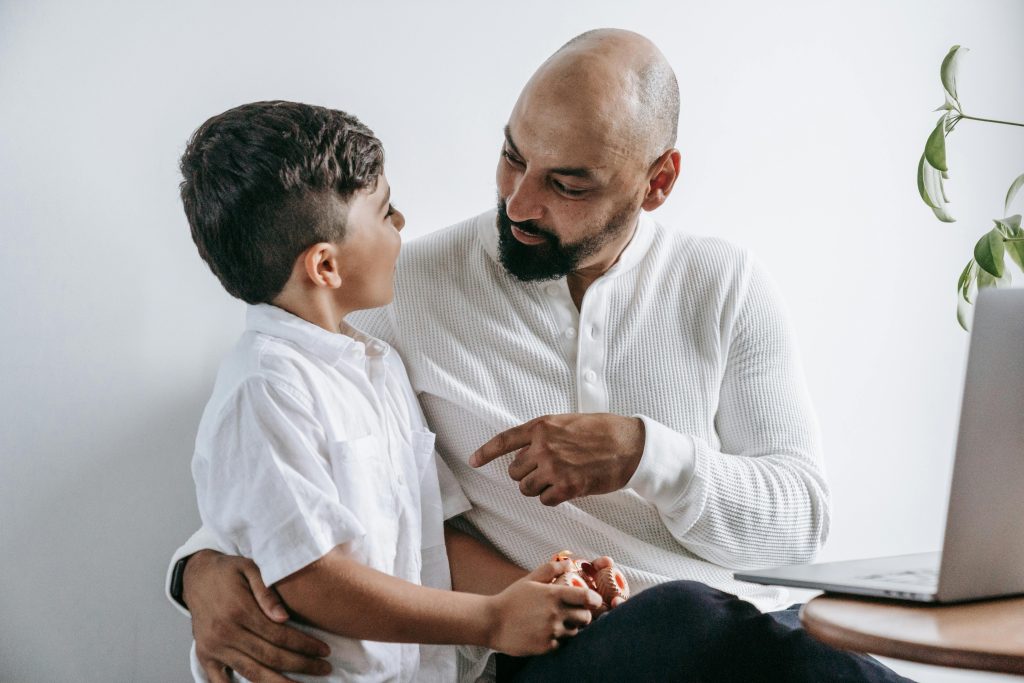
Credit: Pexels
Developing Independence Encourages Testing
Kids start wanting to do things for themselves as they get bigger. When they ‘test the limits’ they’re often trying to decide things and have an effect on what’s going on around them. This happens a lot at ages and stages where being their own person is more of a focus.
People who specialize in how little kids grow and learn say that wanting to be independent and pushing boundaries commonly go up at the same time. But this isn’t the same as children deciding to ignore all rules, they’re figuring out how to have some freedom, alongside having a bit of order and direction.
Emotional Regulation Affects Behavior
How well kids can consistently do what they’re told is really connected to how in control of their feelings they are. If a child is tired, annoyed, or simply has too much going on, they’ll likely try to see how far they can push boundaries more often. Those feelings actually make it harder to use the rules they’ve already learned.
Because of this, their behavior can seem all over the place. A child who will happily follow a rule at one time might have a hard time with it at another, and that’s down to how much energy they have and what their emotional world is like at that moment.
Inconsistent Responses Can Increase Testing
Kids push boundaries more when how you react changes each time. They’ll keep trying to figure out when a rule is actually in effect if you only follow through with it part of the time.
Being consistent makes this confusion go away. If you always have the same expectations and react in a predictable way, children generally won’t question the boundaries as often as time goes on.

Credit: Pexels
Limit Testing Usually Decreases With Experience
As kids get older, they push boundaries less and less, because they start to really get what’s expected of them and get better at controlling themselves. This happens with lots of doing something over and over, being told steadily how they’re doing, and just generally growing up emotionally.
Those things that seem like a never-ending series of difficulties actually show that they are still learning. And, as they use the rules in lots of different places, they’re generally much better at behaving the same way each time.
Key Takeaway
It’s perfectly typical for kids to ‘test limits’ as they learn, become more curious, and want to do things for themselves. They’ll frequently do something more than once to figure out what’s allowed and whether the rules are always going to be the same. How much they do this is tied to both their ability to manage their feelings and how steady things are around them. But as they understand what’s expected of them and experience those expectations over and over, they will do this less and will be able to control themselves better in the future.