Why Children Often Repeat Questions and What This Usually Means
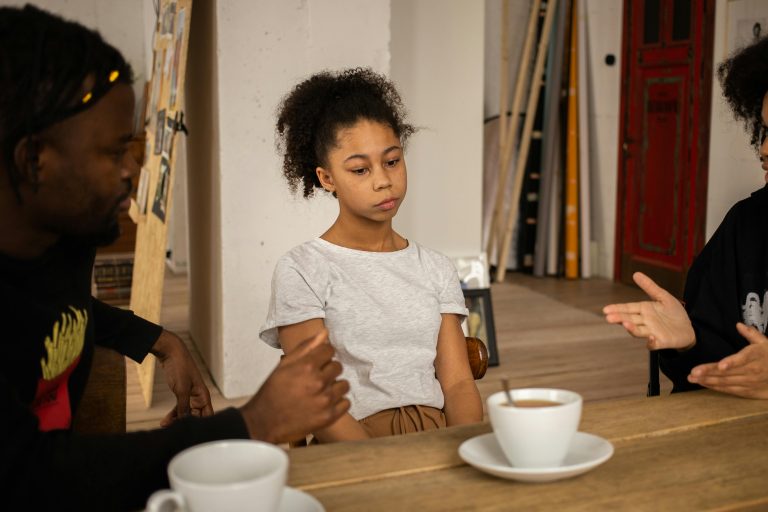
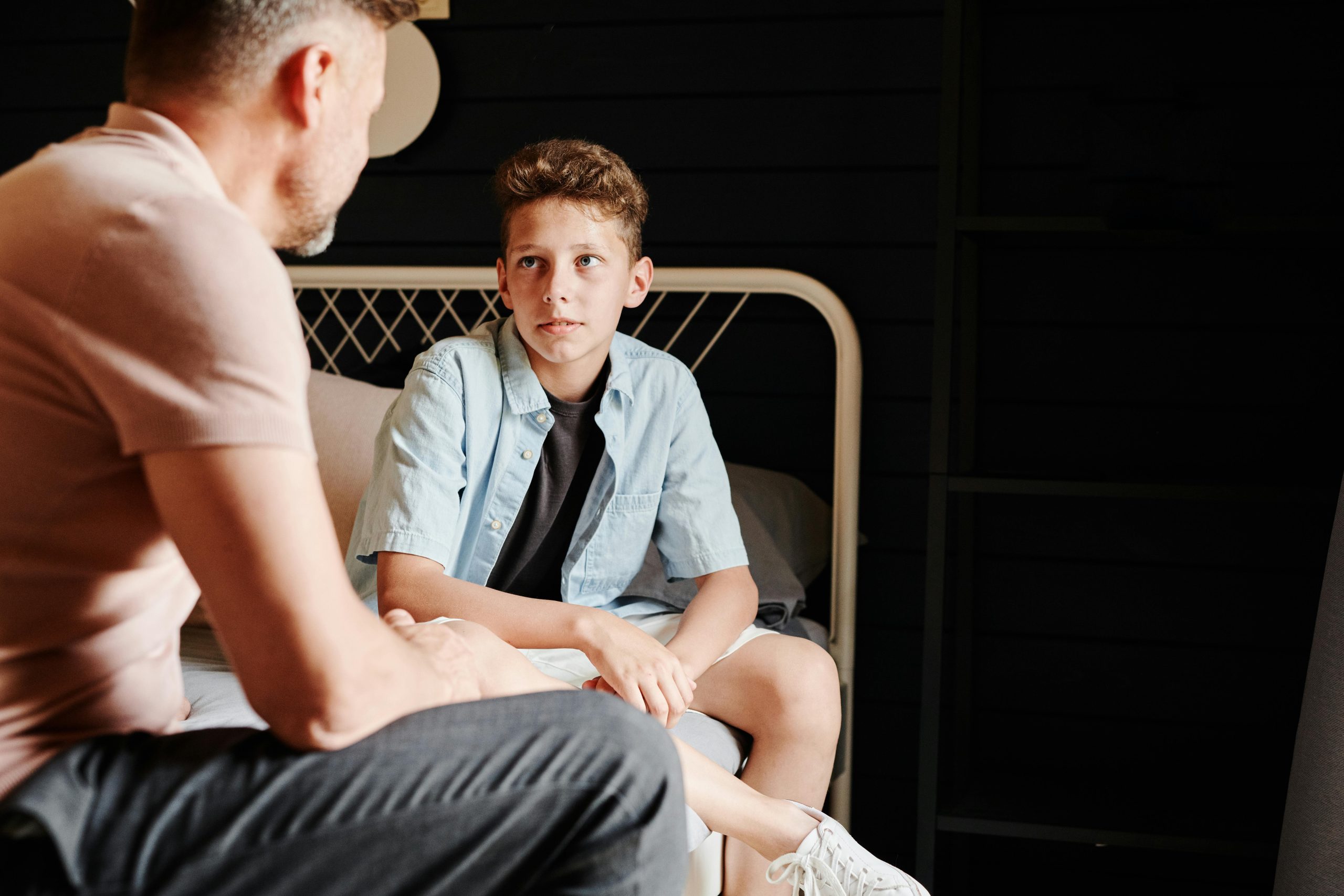
It’s something lots of families experience: kids ask the very same question over and over, even if you’ve already answered it perfectly well. A child might ask what time dinner’s on, if they can go now, why their brother or sister has something different, or if Mom or Dad is definitely picking them up later. These questions can be repetitive and to many adults even seem deliberately annoying. But specialists in how children grow usually say that asking the same thing repeatedly is usually about much more than just forgetting. It has to do with being reassured, with how their memory works, with dealing with feelings, with being curious, or with them trying to fully understand something that still feels unfinished in their minds.
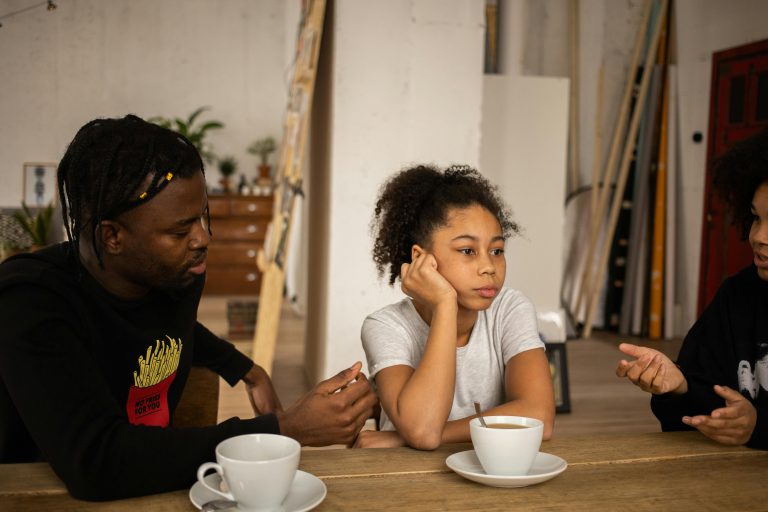
If you understand why children keep asking, you can answer them more clearly and not get quite as frustrated. Experts on how we communicate and on children’s development point out that children are still learning to remember things, to be okay with not being completely certain, and to believe an answer is still correct even after you’ve moved on to another topic. So in a lot of families, a child asking and asking is how they’re trying to feel grounded and safe, not how they’re trying to be difficult.
Repeated Questions Often Reflect a Need for Reassurance
Kids frequently ask the same thing over and over because they want to feel better, not simply to know something. So, a child might ask when you’re coming back, if plans haven’t changed or if they can have something, and they might actually already have the answer in their head. But what they’re after at that point is to have that answer repeated to them to feel calm and secure.
Kids really need to be able to predict what’s going to happen, as experts in how children grow and learn frequently say. When things feel unsure, hearing the answer a final time can give them a sense of security. The repeated question isn’t about getting details, it’s about becoming relaxed and able to do something else.
Working Memory Is Still Developing
Kids frequently ask the same question over and over because it’s tricky for them to keep information in their heads. Working memory is what allows a child to hold onto an answer long enough to actually do something with it, and that is particularly true when they are doing lots of different things, changing from one activity to another, or dealing with how they feel. When a child’s working memory is still getting better, they can actually forget what was said, even if they understood the answer at the time.
A lot of the time you’ll find this repeated asking during hectic parts of the day. A child might ask what happens next, get the answer, get sidetracked by something else, and then ask the same thing again. Experts in how children learn and grow all tend to say this is typical and is much more to do with how much they have to remember, rather than them being intentionally deaf to what you said.
 Credit: Gustavo Fring / Pexels
Children Often Repeat Questions While Trying to Understand Time
Kids ask about timing over and over, and this is largely because their sense of time isn’t like ours. What feels like a little while to us can be a really long time to them, and things like “later” or “soon” don’t really feel like something they can latch onto. They’ll ask again, not because they didn’t hear you, but because you haven’t given them a definite understanding.
Experts in how children grow up have often observed that very young children do best when you connect time to things they can see, instead of using blurry words. Saying “after we eat lunch” or “when the clock’s hands get to this number” will probably be more helpful than a general saying. So, all the times they keep asking…that’s a lot of the time them trying to turn something fuzzy into something they can get their heads around.
Curiosity Can Also Drive Repetition
Kids don’t always ask the same thing over and over from being worried or forgetting. A lot of the time they’re truly interested and are continuing to consider what you said. They might phrase it a little differently as they’re checking if they’ve got it right, digging around the subject, or attempting to relate it to something they already understand.
People who study how we communicate say children’re using repetition in their discussions to learn in the way they learn in all other areas of growing up. Re-asking is often a way of making sense of a thought. And when they ask it again, it’s more likely to show they’re busily figuring things out, not that they weren’t listening.
Emotional State Can Make Questions Repeat More Often
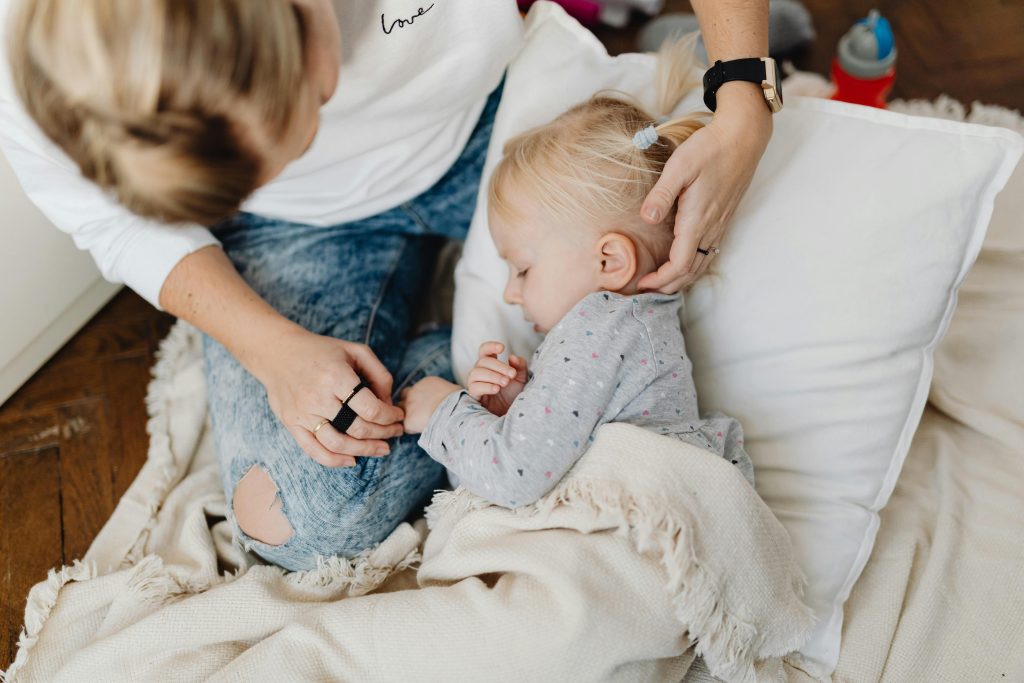
Kids tend to ask the same questions over and over when they’re exhausted, anxious, full of energy, or have a lot going on at once. When someone is having strong feelings, it’s harder to remember things or to have faith that the reply you got will still be true. A child who isn’t sure about something might ask the question again because the answer needs to be newly heard for it to actually seem real to them.
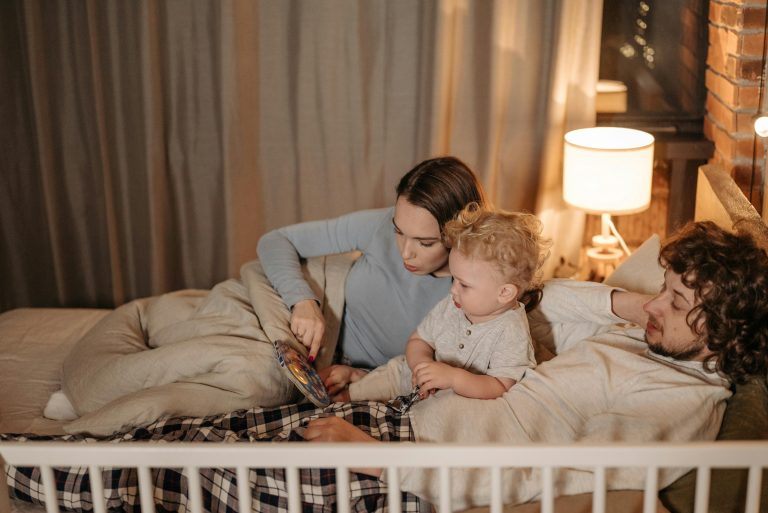
That’s why you usually get asked the same things more frequently during changes, when the routine is different, in new experiences, or at times that are emotionally important. At these times, the question itself is actually helping the child with their feelings. Being told the answer once more can make them feel certain enough to deal with what’s happening.
Credit: www.kaboompics.com / Pexels
Family Responses Can Shape Whether Questioning Continues
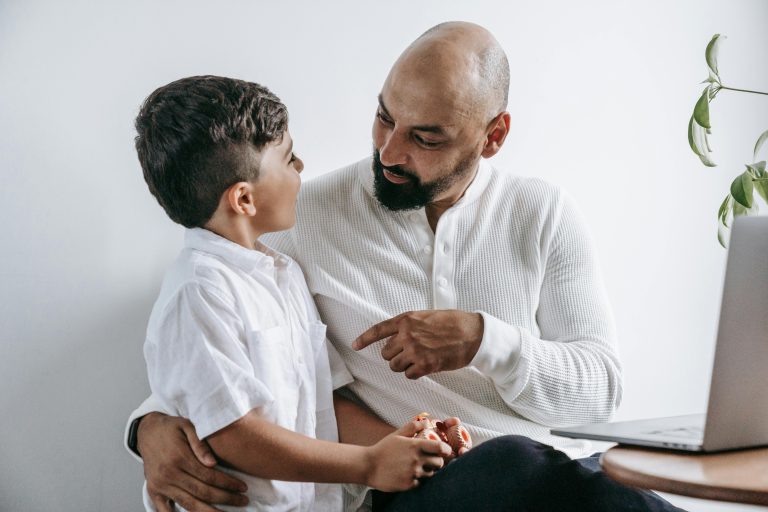
What adults do when a child asks something over and over will decide if the questions eventually stop, or happen even more. A quick, annoyed reply will likely tell the child to be quiet, but it won’t actually give them the understanding or comfort they’re looking for. And, surprisingly, saying the same lengthy thing each time might make the questioning continue – if what you say is still too vague or complicated.
Experts in how families talk to each other say that answers which are clearer, briefer, and more specific are generally more useful than getting angry or explaining at length. Using things the child can see, regular prompts, and easy-to-remember examples are all good at lowering the amount of repetition. More often than just making the question stop, you need to work out what the child is really hoping to get by asking it in the first place.
Repeated Questions Are Often Part of Developmental Learning
Kids frequently ask the same questions over and over because they’re still getting to grips with things adults do without thinking – remembering things, being okay with not knowing, getting a sense of how time works, controlling their feelings, and believing things will go as expected. These are all really important steps as they grow. Though it can be exhausting to answer a question many times, it’s usually a sign of a child trying to deal with these developing skills, using what they have at the moment.
And in a normal family setting, when a child keeps asking, the question itself isn’t the whole story. It could be they want to be told everything is alright, or their memory isn’t holding onto the answer, or they’re simply curious, or they are feeling upset. Families who are a bit more patient and understand this, tend to find the questions are simpler to understand and to help with.
Key Takeaway
Kids ask the same things over and over because their short-term memory, their ability to control feelings, how they grasp time, and whether they expect things to happen the same way are all still coming together. This repeating isn’t necessarily because they aren’t listening, but more likely shows they want to feel safe, are genuinely curious or are struggling to keep the information in their heads. Families generally do best by responding in a way that is very obvious, specific, and gets at the actual thing the child wants to know. And in a lot of families, this back-and-forth of asking and answering is how children start to understand what’s going on and feel confident.