
Why Children Often Need More Time to Answer Than Adults Expect
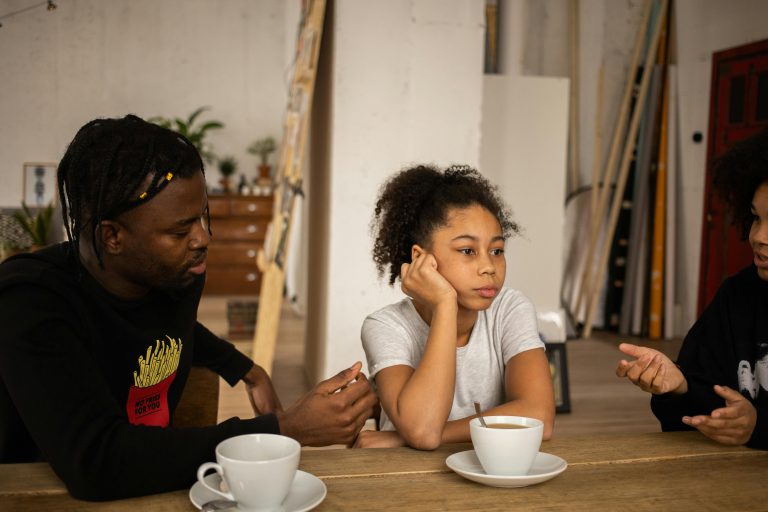
It’s usually not that kids won’t talk with their families, but that adults and kids operate on different timelines that make talks stressful. Moms and dads (or other adults) will ask a question and want an answer immediately, particularly when things are hectic or if everyone is feeling a lot of something. Younger kids, though, generally need a longer moment to figure out the question itself, get their ideas in order, and then locate the correct words to say them. Experts in how families talk point out this pause is almost always a part of how they’re growing, not because they are being rude.
Kids are in the process of developing the language skills, ability to pay attention, memory, and emotional control needed for quick and easy back-and-forth. A question that’s straightforward for an adult can actually be a bunch of stages for a child: they have to hear the words, then think about the event, then decide how to explain it, and on top of that, deal with any emotions the conversation brings up. That’s a big reason why conversations go better when an adult waits a bit longer than they instinctively would.
Conversation Requires More Than Words Alone
When grown-ups ask kids something, we typically listen for the words they say in response. But talking with someone is about much more than just the words, it’s about where their attention is, how they are feeling, their memories and being comfortable in the situation. If a child has just gotten home from school, had their fun broken, or is feeling distressed, they’ll probably need a moment before they can properly respond.
This isn’t because they don’t understand. Usually, they are still processing everything inside their head before they get to the speaking part. Things go much more smoothly at home when adults realise that kids need a little time to think as part of a discussion; it’s not because they are being dismissive of your question.
Young Children Often Process Spoken Language More Slowly
Because adults’ language skills are fully developed, they’re comfortable with fast-paced chatting. Kids are still getting there, and they might grasp bits of a question before they get the whole thing, or have a pretty good idea of their answer but not be able to say it neatly. When this happens, an adult quickly saying the same question over and over won’t really assist, it will likely make things more stressful.
Children generally respond much better if a grown-up gives a little bit of a hint and then is patient. That allows the child to go from actually hearing what’s asked of them to getting their thoughts in order. A lot of families have found that just holding back for a moment like this dramatically lowers frustration for everyone.

Credit: Pexels
Emotion Can Slow Answers Even More
When kids are ashamed, downhearted, irritated, or anxious, they generally require a bit longer to reply. Their language processing gets slower when they’re dealing with a conversation and what they are feeling at the same time. You’ll find this happens most often following arguments, when they are being told they’ve done something wrong, or if they think they’re going to be accused of something.
Sometimes adults assume this delay means the child is being evasive, but it’s much more likely that they are simply overwhelmed with emotion. In these situations, a softer, more relaxed way of speaking and slowing down how you talk will be a lot more useful than pushing them for an answer right away. A child who isn’t feeling rushed can usually express themselves truthfully, and in a way that’s easy to understand.
Questions Work Better When They Are Simple and Specific
Kids often find complicated, multi-part questions much harder to deal with than adults expect. Something like “Why did you do that, what were you thinking, and what happened before?” is a lot for a child to process all at once. “What happened first?” is a far more easily answered question.
Asking something very particular means the child needs to do less thinking to find the answer. Plus, you get a much clearer picture of things as an adult. In general when you’re talking with family, a slower question that really concentrates on one thing is usually more successful than a clever or elaborate one.
Waiting Can Strengthen Trust
If you give a child time to formulate their thoughts, you’re basically telling them what they have to say is important enough to be heard. This builds better communication between you and your child as they won’t feel so pressured or cut off. In lots of families, truly listening with patience just becomes how things are.
And kids who are actually listened to are more likely to respond when you do ask harder things of them later. They understand a conversation isn’t just about being told they’re wrong or being pushed to be quick, it’s about having a proper chance to be involved.

Credit: Pexels
Slower Conversations Can Lead to Better Answers
Lots of families think that getting information quickly means they’re communicating well with their kids, but actually, that isn’t necessarily the case. When you slow down, kids will often give you more straightforward responses, be more truthful, and won’t get as defensive. And slowing things down also shows them you can think before you say anything, even if you’re feeling emotional.
Allowing your child a bit longer to respond isn’t about letting them off the hook, or not having standards for them. It’s simply being aware that truly good conversation often takes more time than we as adults usually allow. In a lot of families, making this small change could improve how well you understand each other, and how strongly you feel connected.
Key Takeaway
Kids usually take longer to reply, and that’s simply because talking (and being part of a conversation) involves language skills, being able to focus, remembering things, and controlling feelings – all of which are still getting better. Slightly longer pauses when you speak, asking things in a more straightforward way and slowing down a bit will improve how well your family chats. And don’t worry, giving them a moment won’t make you seem less in charge. In fact, for the most part, it will help children give you a more understandable, truthful answer and will build a stronger relationship with them as the days go on.