Why Children Often Need More Practice With Waiting Than Adults Expect
Most adults think kids should learn to be patient with pretty much everything fairly quickly, but experts in how children grow say that learning to wait actually requires a lot more practice than most parents understand. A child might have trouble waiting for a snack, their go in a game, an answer to a question, or something fun to start, even if you’ve said the same thing to them many times. A lot of the time, this isn’t because of disobedience. It’s that waiting relies on a bunch of skills developing at the same time: being able to stop themselves doing something immediately, knowing how long a time is, holding information in their mind, and dealing with their feelings.
And this is important because the way adults and children feel about waiting are usually very different. Something that a grown up finds easy and doesn’t think about can feel very long, unpredictable and emotionally upsetting for a child. You can’t improve a child’s waiting ability by simply telling them to do it more. Instead, they generally get better with lots of encouragement, being successful at it a lot of smaller times, and having a schedule or habits that help them to grasp how long something will be delayed.
Waiting Often Feels Longer to Children
Kids have trouble waiting because their sense of how long something lasts isn’t the same as ours. We as adults think of delays in minutes and seconds, but for a young child, a delay is about how it feels. A short few minutes can drag on and on if they are hungry, thrilled, sad, or completely thinking about the thing they are anticipating. It’s easy for something that’s only a little wait for us to feel enormously long to them.
Experts in how kids grow up frequently point out that children are still figuring out how to tie up time with what they expect to happen. Saying “soon” is often too vague to actually help. That’s why they’ll ask over and over, complain, or get fidgety, even if to us it’s not a very long wait at all.
Waiting Depends on Emotional Regulation
Kids usually require a lot of practice with waiting, and it’s about way more than just telling time. It’s also about how they feel. When a child is desperate for something at this moment, they have to deal with being let down, not knowing what’s going to happen, and being annoyed while they can’t have what they want. That’s tricky emotional stuff, and particularly tricky because they’re still learning to control their reactions.
Experts in how kids grow up say they get better at waiting as they slowly understand they can cope with unpleasant feelings and that the waiting won’t last forever. That’s a big part of why having a grown-up’s help is so important. A calm adult being nearby can help the child get through the emotional difficulty of not having something right away.
Credit: George Pak / Pexels
Impulse Control Is Still Growing
If a child has trouble waiting, they’re usually also having a hard time controlling what they do on the spur of the moment. That feeling of needing to snatch things, butt in, tell you what they want, or rush into something is very powerful and comes over them instantly. To not act on it, the child needs to stop and think for a moment, and hold onto the idea of what’s expected of them. This is tricky, because being able to control impulses isn’t something that suddenly happens, it gets stronger slowly.
Experts in children’s behaviour say kids might know they should wait, yet still not manage to do so every time. Their ability to stop themselves is still being built, you could say. And that’s why how well a child waits can be all over the place.
Children Usually Wait Better When the Delay Feels Visible
It’s generally much easier for kids to wait if they can actually see what they’re waiting for and they understand exactly what’s going to happen in what order. A delay tied to something they can see, like “after this page is read”, “when your brother is done”, or “once the groceries are in”, is usually easier to deal with than a general reply that doesn’t give them any idea when it will be. Being able to see the end in sight allows children to sort of arrange the waiting in their heads and not just be upset by it.
Experts in child development will frequently point out that having a structure for things reduces anxiety. If children understand what happens first and then what happens, the waiting might still be hard, but it won’t seem so unpredictable. This is why a waiting process that is done over and over will get simpler with time, especially if the family makes sure the order of events is understandable to the child.
Daily Life Gives Children Many Chances to Practice Waiting
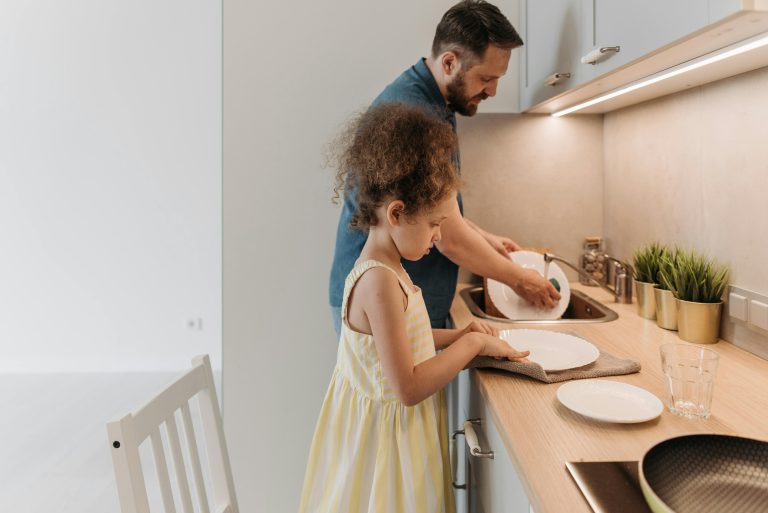
Kids aren’t taught to wait in a single instance. They get practice with it during meals, in the car, with their brothers and sisters, when people are talking, while getting dressed, on grocery shopping trips, and as part of what the family does regularly. Adults probably don’t understand how important these kinds of typical situations are, but they’re where children get to try out and improve at waiting over and over. Essentially, a child being patient until it’s their turn to say something is working on the same ability as one who is being patient for dessert or for assistance with their shoes.
Those who really understand family routines will tell you children pick up on being able to wait with lots of doing it, not from a few perfect opportunities. The more a child deals with little periods of needing to pause and being helped through it during their normal day, the better they get at being comfortable with waiting as just a typical element of how things are.
Credit: Vlada Karpovich / Pexels
Waiting Usually Improves Through Small Successes
Kids generally do best with waiting if it’s broken into short bits. A brief period of waiting that actually works will help a child learn to wait far more effectively than a really long, difficult one which finishes with them being really upset. Those little stretches of waiting help them understand delaying something is unpleasant, but they can get through it. And as more time goes by they might be more inclined to have faith in the idea of waiting, because it doesn’t seem quite so much to handle.
Experts in how children grow up tend to point out that improvement is nearly always step by step. A child might wait for just a slightly longer time, complain a little less, or bounce back from wanting something immediately a bit faster than they did before. These little improvements are a good sign that the ability to wait is increasing, even though waiting can still be hard in lots of different circumstances.
Adults Often Help the Most by Staying Predictable
Kids frequently require a lot of repetition with waiting, and waiting is most successful when grown-ups are stable and do things the same way. If how long something takes is all over the place, if you say they’ll get their turn and they don’t, or if a rule is different one minute and then another, children will have a harder time believing in waiting. When adults do what they say they will, kids start to feel certain that being patient will actually get them what they want.
Experts on families will usually tell you that this belief is really important. A child who thinks their turn will come, they will get a response, or something special will happen is typically better at handling the time in between. So, being reliable in this way is one of the biggest ways to help a child’s ability to wait improve.
Key Takeaway
Kids usually need a lot of help learning to wait, and that’s because waiting requires them to understand time, to manage their feelings, to stop themselves from doing something immediately, and to believe things will happen as they usually do. A bit of a wait that’s nothing to us can feel enormously long to a child, particularly if they’re looking forward to something or are upset about something else. Things go more smoothly for everyone if we’re specific about how long the wait will be, if it’s a wait they can handle, and if we’re calm while they wait. With lots of chances to practice waiting in daily life, kids slowly get better at putting things off and are more sure they can actually wait successfully.