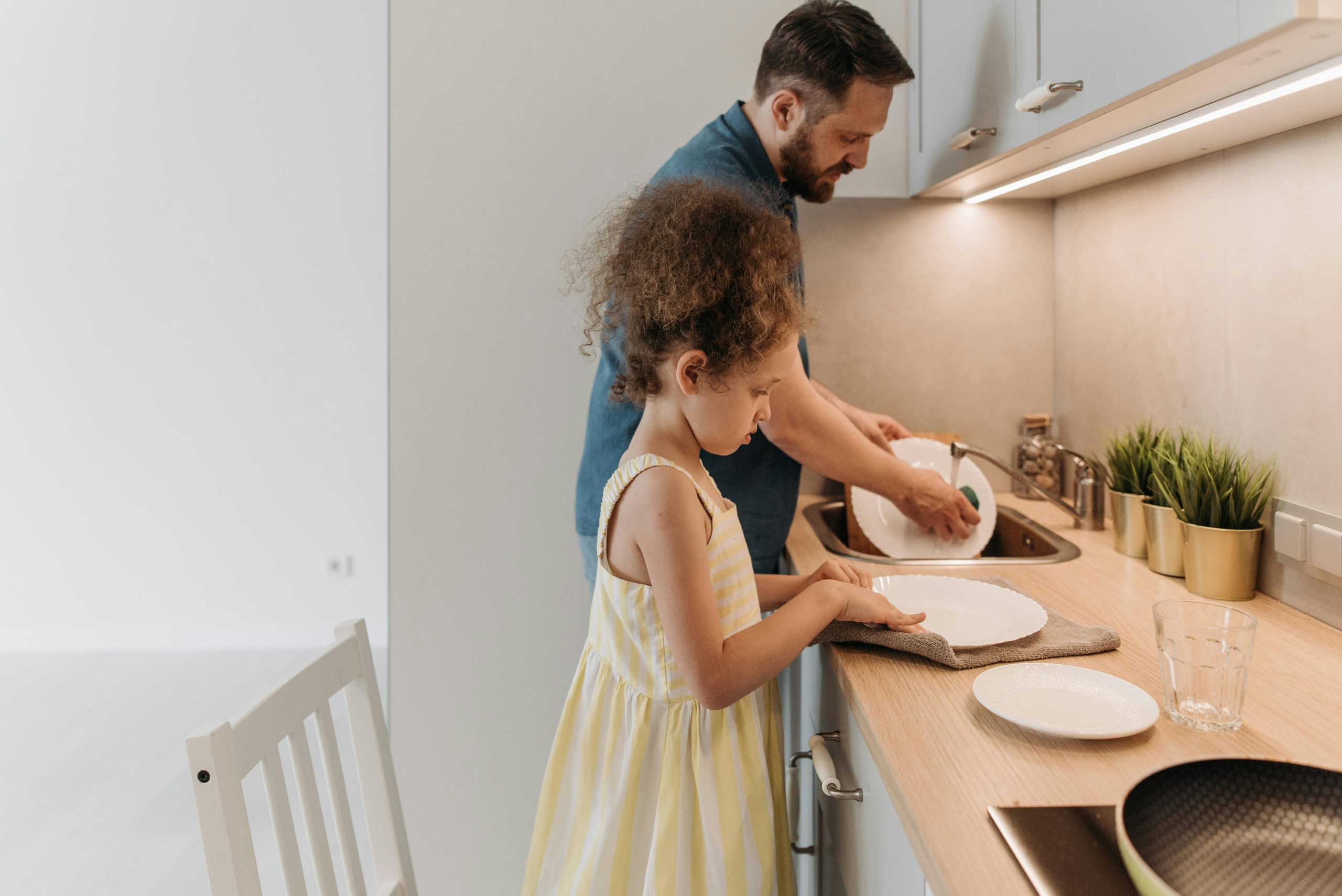
Why Children Often Need Extra Time to Adjust to New Routines
Lots of parents think kids will get used to a new routine pretty quickly after you’ve told them what it is. But experts in how children grow usually say it takes longer than we as adults realize. It doesn’t matter if the change is about bedtime, school, chores, how much time they have with devices, or a different way of doing things in the morning, kids generally have to do a new routine over and over before it feels normal and they can handle it.
This time of getting used to things can be annoying for adults, it might look like they’re being difficult, forgetting, or refusing to do something. However, experts in raising children say kids often need more time because changes to routines don’t just affect what they do. They influence how they focus, what they remember, how they deal with feelings, and how much they can rely on things being the same. Knowing this helps families be more patient in what they expect and to avoid arguments that aren’t needed.
New Routines Replace Familiar Patterns
It’s tricky for a child when you want them to start doing things a new way. It isn’t just about understanding the new steps, but also about stopping something they’re already comfortable with. And even if how things were done previously wasn’t great, it was likely something they could count on. Kids depend on that being able to predict things a lot more than most grown-ups think.
Experts in how children grow and learn say that being used to a certain way of doing things makes them feel safe. When that way changes, children will need a bit of time to get used to what they’re going to expect instead. This means that even a good change can be hard for a while. They’re not only figuring out the new thing, but also dealing with not having the old, familiar thing anymore.
Children Often Need Repetition Before a Routine Feels Automatic
Just because a new routine sounds good when you tell someone about it doesn’t mean a child will do it easily. Kids usually need to do something over and over until they don’t need you to tell them what to do at each stage, and they can do the steps with more and more ease. This is particularly true for routines with lots of things one after another – think getting up, getting dressed, having breakfast, brushing teeth, and then getting out of the house.
Research on how children grow and learn consistently shows that repeating things helps them link what they remember with what they do. A routine will be simpler for a child when they’ve done it enough for each part of it to feel normal, not new every single day. Before that happens, adults might notice the child doing things differently even if the child is doing their best.
 Credit: Nicola Barts / Pexels
Emotional Reactions Can Slow the Adjustment Process
Kids don’t just deal with changes to what happens every day by thinking about them; lots of these changes to the usual routine are about feelings. Going to bed at a new time might feel like losing some independence, a different school day can be worrying, and a change to the rules for phones or tablets could be upsetting. And because of these feelings, it can be more difficult for a child to get used to the routine, even if they know why it’s changing.
People who work with families and children’s behaviour very often say that getting emotionally used to something and actually behaving differently at the same time. Your child will likely need a while to feel okay with the new way of doing things before their behaviour becomes more steady. That’s often why adults get more complaints or difficulty at first with a new routine than later on, even if the change is sensible.
Transitions Are Often the Hardest Part
When we start doing things in a new way, it’s all about getting from one thing to the next. Kids have to quit what they’re doing, begin something else, and they have to do this at a speed that’s probably not what they’re used to. It’s at these changes that you’ll most likely see them push back. They might not dislike the whole routine itself, but they’ll find the specific points where the day’s flow alters tricky.
Experts in how children grow up say that changing from one activity to another is often the hardest part of a kid’s schedule. It’s because it needs being flexible, being able to change focus, and managing feelings. And when a routine is totally new, all of that is usually harder. They will probably require a lot more help at these changing points until the routine as a whole starts to run much more easily.
Children Adjust More Easily When Expectations Stay Clear
How easily a child gets used to a new routine is often linked to how predictable that routine is. When the routine is always being changed, kids essentially have to learn it all over again. But a routine that you can see, do over and over, and which stays the same, is generally simpler for them to understand. Kids do best when the sequence of things happens in the same way for a good amount of time allowing the pattern to really become clear.
Those who really know about family routines typically say that being consistent isn’t about being completely inflexible with everything. It’s about the child being able to easily grasp the overall shape of things and have a good idea of what will happen next. This ability to predict usually means they won’t get upset as much, because the routine won’t seem so unsure.
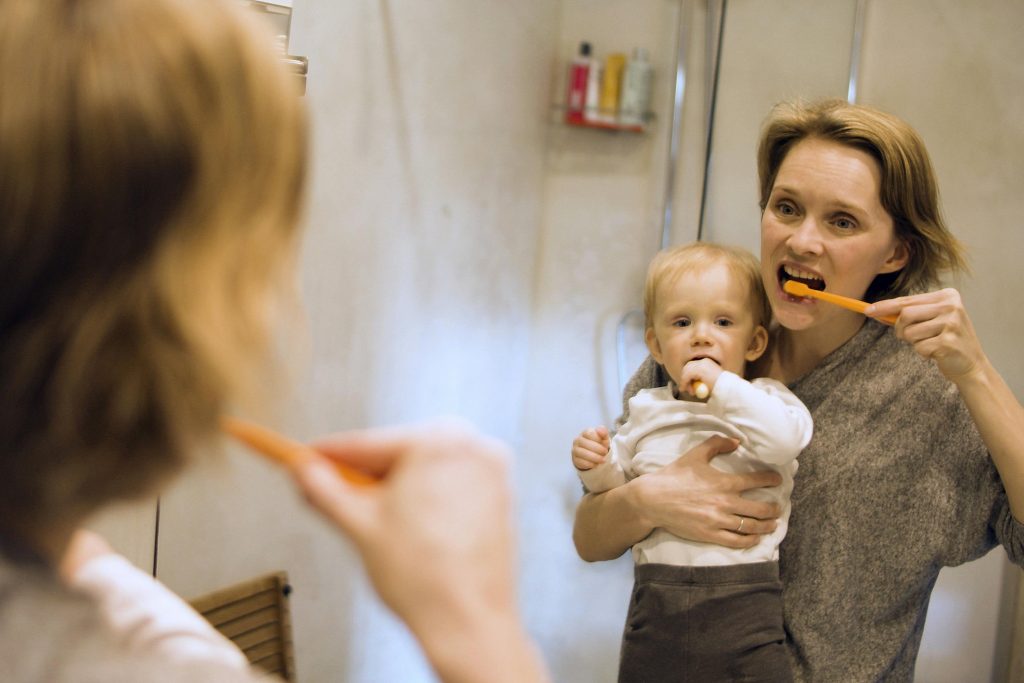 Credit: Kampus Production / Pexels
Adult Support Often Matters More Than Extra Correction
Adults will frequently tell kids more often, warn them, or tell them what’s wrong if a child isn’t picking something up quickly. But though being clear with what you want is important, kids generally do better at changing when adults give just as much encouragement as they do directions. Being steady and calm, showing them what to do, and doing it over and over are usually more effective than getting more and more annoyed at how long it’s taking.
Experts in how children grow up point out that kids learn to do things in a pattern with you regulating them, and then they do it on their own. So a child might need you close by, to help with feelings and the actual doing of the routine, before they can manage it with less from you. And this isn’t because the routine isn’t working; it’s a typical step in a routine becoming solid and dependable.
Adjustment Usually Happens Gradually, Not All at Once
Adults will frequently give more reminders, tell children what not to do or correct them when kids are taking a while to get used to something. However, although being clear in what you’re asking is important, children will generally do better at changing if adults support them as much as they tell them what to do. Being relaxed and there with the child, showing them what to do, and doing it over and over will often be more useful than getting more and more annoyed because the child isn’t adapting at the speed you want.
Experts in how children grow and change consistently point out that children learn to follow a routine by doing it with someone to help them manage first, and only later can they do it by themselves. A child might need you physically and emotionally present at the start, before the routine can work as it should without so much of your involvement.
Key Takeaway
It’s very common for kids to take a while to get used to doing things differently, and shifting a routine impacts how they remember things, their feelings, dealing with changes and how they feel about knowing what’s going to happen. What appears as being difficult or a child refusing to do something is much of the time simply them getting used to the new situation. Things will usually improve if the new routine is explained in a simple way, said over and over, and you stay relaxed while helping it happen. In a lot of families, routines become easier to follow once a child has done the new thing enough times for it to feel normal.