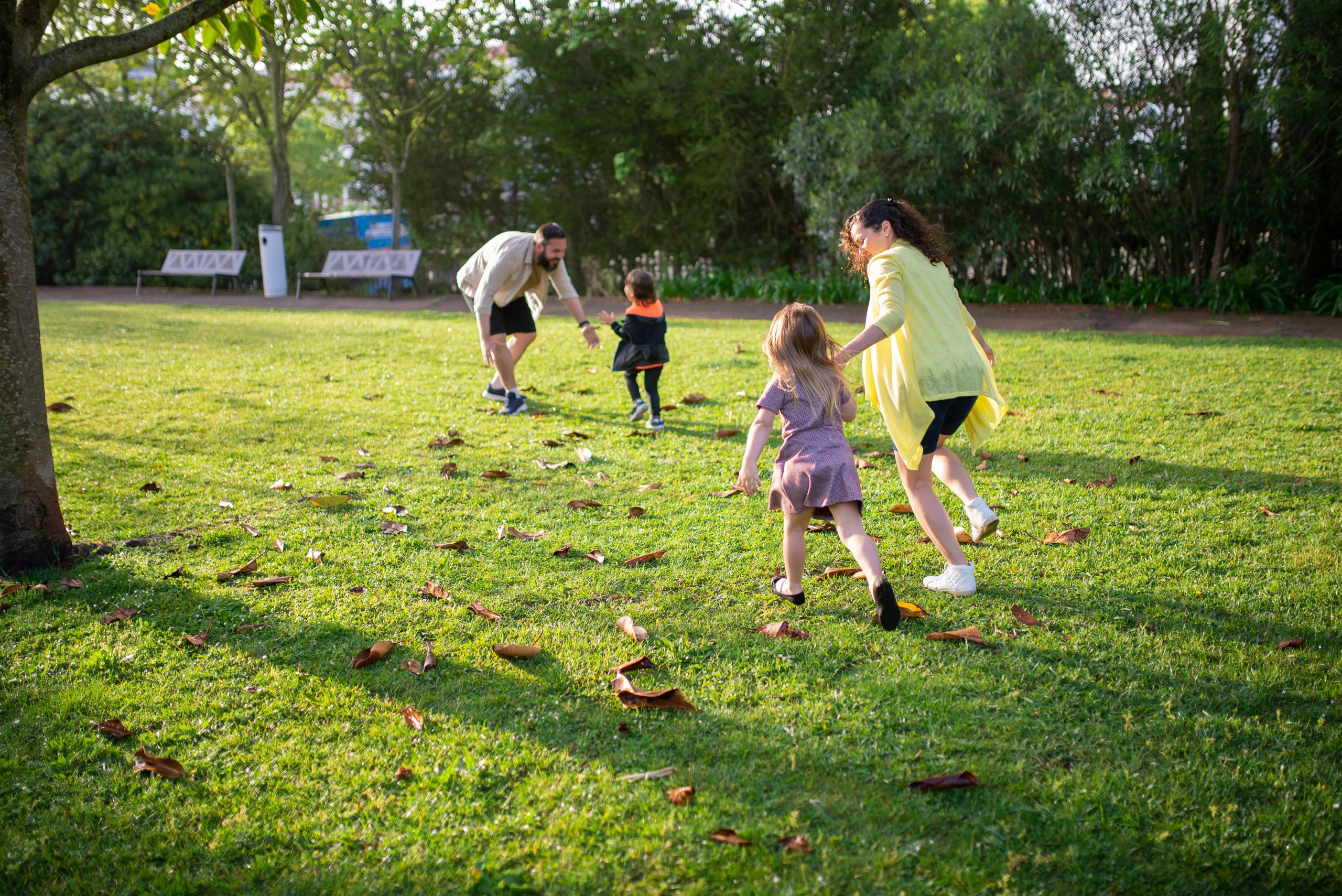
Why Children Often Need Extra Practice With Turn Taking in Daily Life
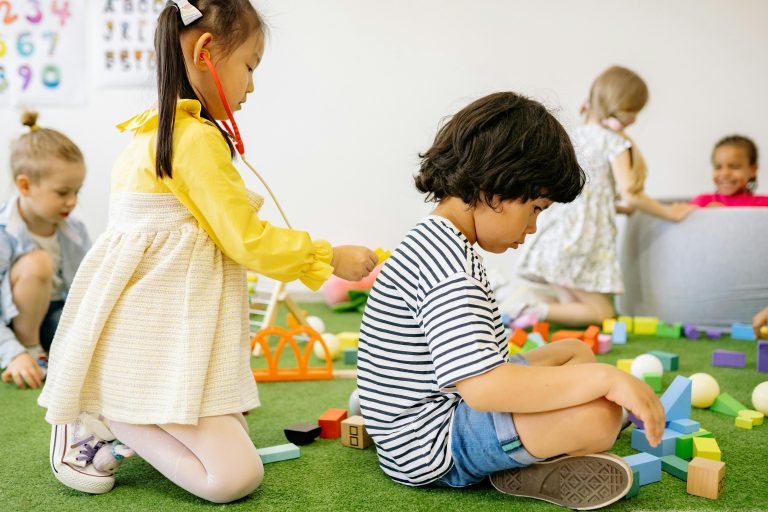
Adults usually think kids will pick up on the idea of taking turns pretty fast, but experts in child development say it actually needs a lot of practice and time. A child might be able to say “wait your turn”, but actually doing it when it’s needed is hard. That’s because learning to take turns requires a bunch of things to happen at once: being able to control urges, holding things in mind, dealing with feelings, and understanding what’s going on with other people. And in a typical family, you see these things needed during play, at mealtimes, during conversations, between siblings, and when doing things together.
Knowing that learning to take turns isn’t quick can help families be more patient and offer better help. Often, a struggle with turns isn’t the child being deliberately uncooperative or self-centered. It’s more commonly a part of growing up, a time when they’re still learning to cope with having to wait, to remember whose turn is next, and to believe they will eventually get a go themselves.
Turn Taking Requires More Than Knowing the Rule
Adults often assume that once a child understands the rule, the skill should follow naturally. In practice, knowing the rule is only one part of the process. A child may understand that another person goes first and still feel intense frustration when having to wait. The child may also lose track of the sequence or become so focused on wanting the object or turn that the rule becomes difficult to use in the moment.
Development specialists often explain that many childhood skills involve a gap between understanding and reliable use. Turn taking fits this pattern clearly. Children often need repeated real-life experiences before the social rule becomes something they can use consistently under pressure.
Waiting Can Feel Much Longer to Children
Kids often find it hard to take turns because even a brief pause in activity can feel like a really long time to them. Thirty seconds or a minute doesn’t seem like much to us as adults, but if a child is enthusiastic, really into something, or even just tired, that length of time can be a big deal. This is frequently why arguments about turn-taking are so much more intense than grown-ups anticipate.
Specialists in how children grow and learn say they’re still learning to deal with waiting without getting too upset. As they have more opportunities to briefly wait and find out that being patient doesn’t mean nobody remembers them, taking turns usually gets easier.
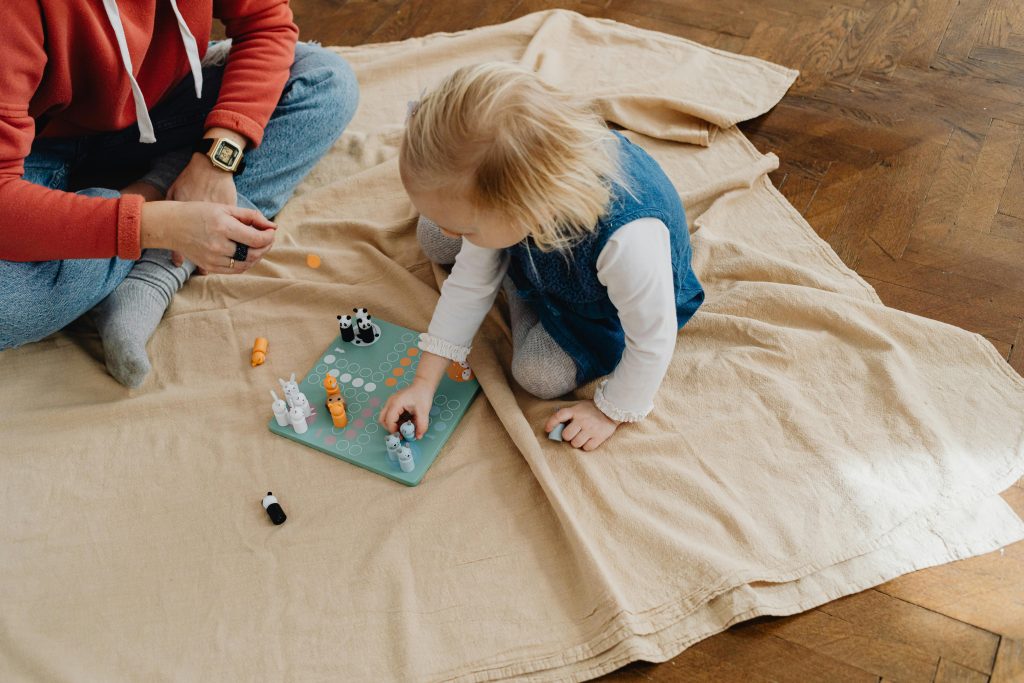
Credit: Kampus Production/Pexels
Impulse Control Plays a Major Role
Being able to take turns in a conversation or game is really about being able to control what you want to do. A child will likely want to snatch the toy, blurt out the answer, or be first to do the next thing, but stopping themselves to do that needs them to hold back what they are doing, remember what they wanted, and then do something that’s better for the group. And that’s hard because self control doesn’t just appear at a certain age; it slowly gets better as a child grows up.
People who study children and how they behave, as well as professionals who work with children, frequently say that self control is still easily broken at younger ages and even later on isn’t always reliable. A child might do a good job with it one day, but be unable to manage the next, particularly if they are exhausted, have too much going on, or are feeling strongly about something.
Turn Taking Also Depends on Trust
Children are often more willing to wait when they trust that their turn will truly happen. If a child feels uncertain, repeatedly overlooked, or unclear about the sequence, waiting may feel much harder. In those moments, turn taking can quickly become emotionally charged because the child is no longer only managing delay. The child is also managing uncertainty.
Family specialists often note that clear patterns help children build this trust. When adults follow through consistently and make the sequence visible, children often begin to tolerate waiting more effectively. Trust that the turn is coming can reduce the urge to interrupt or grab immediately.
Daily Life Provides More Practice Than Families Realize
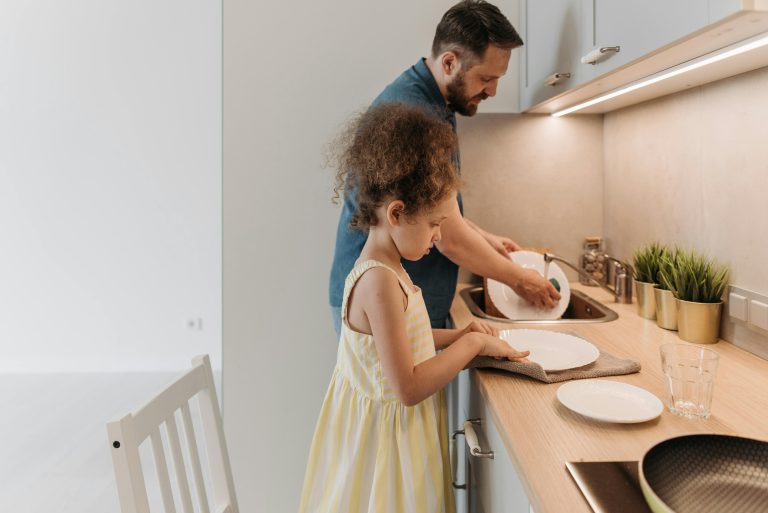
Turn taking is not limited to board games or playground equipment. Children practice it during conversation, family meals, bathroom routines, sibling play, choosing a book, helping in the kitchen, and waiting for attention. These everyday moments often matter as much as formal teaching because they provide repeated practice inside ordinary family life.
Development specialists often emphasize that children learn social skills best through many small experiences rather than occasional big lessons. A child who repeatedly practices waiting for a response, waiting for help, or waiting to use an object is building the same underlying skill in many forms throughout the day.
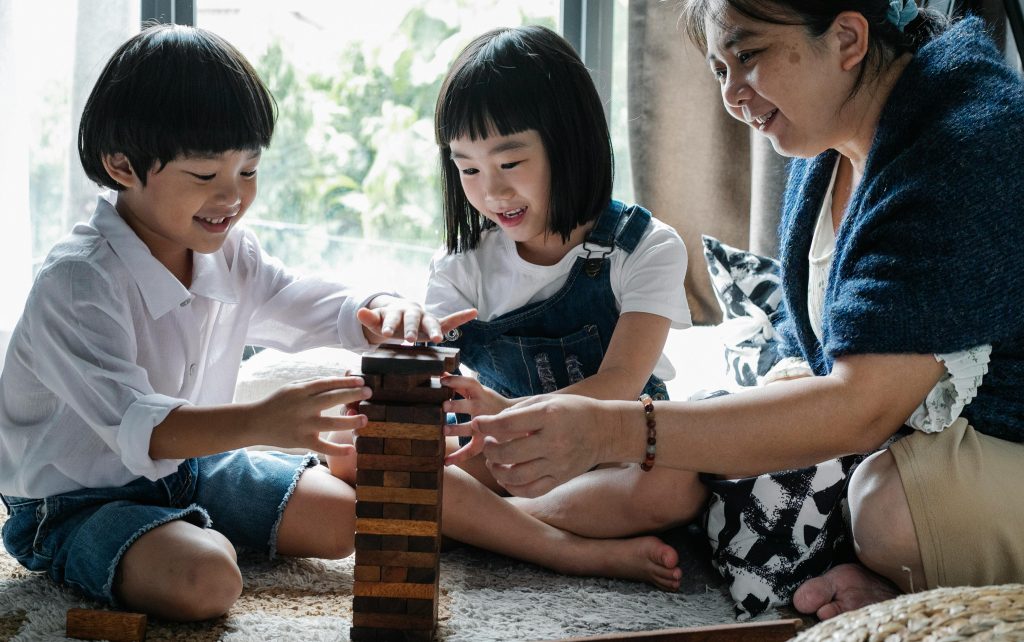
Credit: Alex Green/Pexels
Children Often Improve When the Wait Feels More Visible
It’s usually easier for kids to participate in a conversation when it’s very obviously whose turn it is. A way to do this is to have a clear order, keep each person’s speaking time brief, give gentle prompts and use phrases like “you go, then you”. These things are important as they lessen how much a child has to work things out for themselves or try to remember.
Adults who are experts in how families talk together frequently say children do better with social expectations that are obvious. Conversation turns happen more smoothly, not just because the rule is said again, but also because children can see the order of things while they’re in the middle of it.
Progress Usually Happens Gradually
Children rarely become skilled at turn taking all at once. Progress often appears in small steps. A child may wait a little longer, protest less intensely, recover faster after disappointment, or need fewer reminders than before. These smaller signs often show that the skill is growing even if turn taking still feels difficult in some situations.
Child development specialists generally encourage families to look for progress rather than perfection. Turn taking is a complex social milestone built through time, repetition, and support. In many homes, the ability becomes stronger little by little through ordinary repeated practice.
Key Takeaway
Kids frequently need a lot of help learning to take turns. This is because doing so requires being able to control yourself when you want something, believing others will also be fair, managing your feelings, and being okay with having to delay getting what you want. Simply understanding the idea of turn taking isn’t the same as actually doing it all the time. When families use short turns, make it very obvious whose turn it is, and work on this skill during everyday things you do, they generally see improvement. And with lots of practice over a period of time, taking turns will generally get easier and become something you can count on.