Why Children Often Move Slower During Routines and What Usually Helps
Kids frequently seem to take a lot longer with normal stuff than adults do. Dressing, brushing their teeth, getting shoes on, filling a bag, or just going from one thing to the next…all of these things take a child a lot longer than a parent believes they should. Experts in how kids grow and learn usually say this isn’t usually because they’re being lazy or are deliberately being difficult. A lot of the time, it’s how children deal with changes, get things in order, and concentrate on things during the day.
Adults generally have a pretty good grasp of how much time something will take, what order to do things in and how quickly to do them. Children are still getting to grips with all of that. From where we’re standing it seems easy, but for a child something that’s straightforward for us actually asks a lot of them; they have to remember what goes where, stop doing what they were doing, and keep their minds on the job until it’s done. Knowing why they are slower can mean families are more organised and have fewer arguments each day.
Routines Often Include More Steps Than Adults Realize
When grown-ups talk about routines, we tend to use big ideas like “get ready” or “clean up”. For kids, though, those are more like a bunch of little things to do, not just one thing. So a morning routine is waking up, then the toilet, picking out clothes, getting dressed, breakfast, brushing teeth, locating shoes. A child might understand you saying “get ready” but still be stuck on what to do first, or what comes after that.
Experts in how kids grow say doing lots of things in order needs a plan and the ability to decide what order to do them in. These are skills children are still gaining. They might be slow because they are thinking through each step in their head, and definitely not because they are deliberately being difficult. If adults divide these routines into smaller, more obvious chunks, they’ll often get through it all faster because the child then knows exactly what to do.
Attention Shifts Can Take Longer for Children
Kids are often slow when going through what they’re supposed to do not simply because they’re doing those things, but because their minds are coming from somewhere else. If a child has been absorbed in play, a book, relaxing, or even just in their own thoughts, they’ll likely need a moment to get their head around what’s being asked of them now. And honestly, this change in focus is much more difficult for them than we as adults typically realize, particularly if whatever they were doing was a lot of fun.
Experts in how children grow say that changing where your attention is is a genuine ability, and not something small. We’re generally good at swapping between things because we’ve had years of experience with it. Children are frequently requiring more time to let go of one thing completely before they can properly start with the next. This is why things that happen all the time, even normal routines, can seem to drag on from an adult’s perspective.

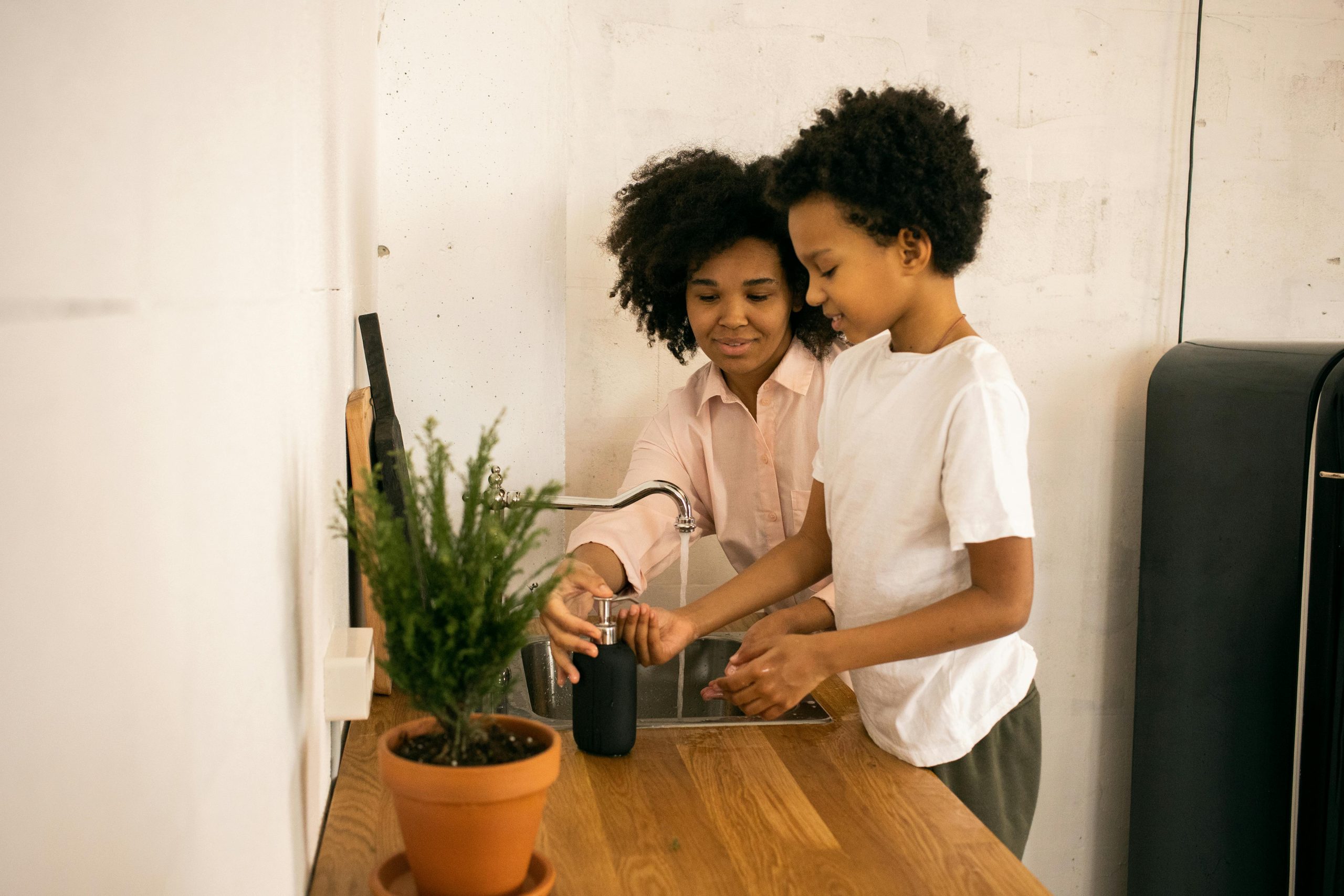
Credit: Ron Lach / Pexels
Children Often Experience Time Differently
Adults, because we’re aware of the time, generally think of routines as needing to happen within a particular timeframe. Kids don’t experience this time-based pressure in the same way. What to us is a short amount of time, perhaps just a few minutes, isn’t typically something a child will find pressing. This difference in how adults and children sense time, and how quickly things should happen, can cause issues, particularly with morning routines, leaving the house, and going to bed.
What experts say about child development is that children are still figuring out time as it applies to their lives. And until they have a good grasp of that, routines will probably unfold at a slower pace; they’ll be led by what’s currently holding their attention, how comfy they are, or what they feel at that very moment, instead of what the plan is. It isn’t that they don’t care at all, only that they aren’t likely to feel the same need to hurry.
Physical Tasks May Still Require Real Effort
Things like buttoning, getting into socks, doing up zippers, tying shoelaces, brushing teeth, putting on coats, and fastening backpack straps all need a certain coordination that is still coming for a child. What looks like a kid being a slowpoke is often them really concentrating and trying over and over at something that’s actually hard for them. Experts in how children grow usually point out that physical abilities get better at different speeds. They might do one part of getting ready easily, but have a lot of trouble with another. Families generally find things go more smoothly when they realise that taking a long time isn’t necessarily because of a bad attitude, but because the child is learning a skill. And when adults understand this, they’re much more likely to help instead of thinking the child isn’t trying.
Emotional State Can Slow the Whole Routine
When kids are tired, bothered, haven’t eaten, are sad about something or have too much to deal with emotionally, they generally do things at a slower pace. And when they are in one of those moods, even things they do all the time get harder to do easily. A child who’s already frustrated might stop a lot, get off track, or not want to do little things that would usually be easy for them.
Experts in families and how kids behave frequently say that routines aren’t emotionally neutral. How a child is feeling affects their ability to focus, be tolerant and adjust to what’s happening. That’s why a routine might be fine one day but seem to take forever the next.
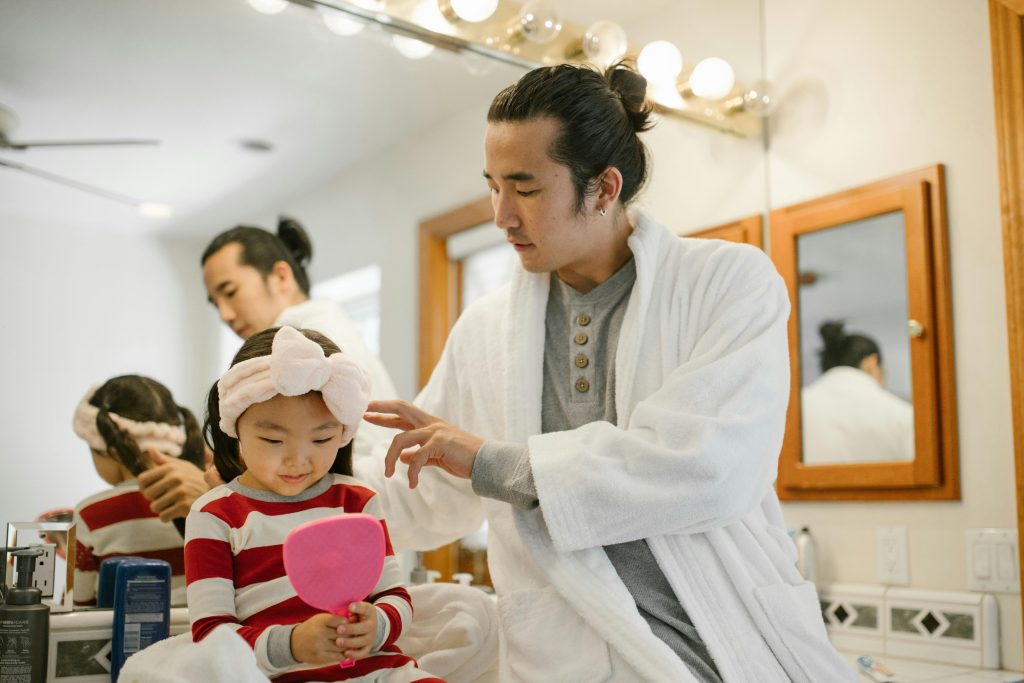
Credit: RDNE Stock project / Pexels
Predictable Structure Often Helps Children Move More Smoothly
Kids generally do better with things they do regularly if the order of those things doesn’t change much. When things happen in approximately the same order each time, they start to depend on this pattern; they won’t have to think about the whole routine from the start over and over. It won’t suddenly make them speedy, but it will usually cause less confusion and make it easier to figure out what to do next.
Those who really understand family routines will say being able to predict what happens next is easier on a child’s brain. A child who understands pajamas are for before brushing teeth, or shoes are for after the backpack is on, will likely start to move into the routine with less pausing. With this happening repeatedly, the routine can become more of a habit and feel less stressful.
Adult Support Often Works Better Than Repeated Pressure
Adults tend to tell kids to hurry up, warn them, or push them to get going when they are being slow. Though a little encouragement is sometimes needed, kids generally do a better job of getting things done if you’re calm and have a plan, rather than if you start getting on at them more and more. Being close by, telling them exactly what to do next, and speaking in a consistent, even voice will help them along much better than continually being irritated with them from a distance.
Kids’ experts point out that children get used to doing things in a particular order by being shown how, and only then do they start to do it on their own. In lots of families, the biggest improvement doesn’t come from making a child hurry, but from a simpler, more obvious route to take, and over the long run, this generally makes things flow more easily and causes fewer arguments each day.
Key Takeaway
Kids frequently take their time with everyday things, and for a good reason: routines need them to switch focus, get things in order, understand when things need to happen, manage their feelings, and often use tricky physical abilities, all at the same time. That seeming slowness isn’t usually a child being stubborn, but a part of how they’re growing. Things will generally go better for everyone if you divide routines into obvious steps, make those steps happen the same way each time, and give support in a relaxed way. As they do these things over and over with a structure around them, children get more at ease with doing daily tasks, and it causes fewer problems.