Why Children Often Learn Better When Practice Happens in Small Daily Steps
Many parents believe children learn best with a long, uninterrupted study session. But people who study how children develop and learn generally find that kids do better with a little practice each day. This is true for all the things younger and school-aged children are learning: reading, writing, number skills, listening, and all their school work. Short, repeated sessions are much better for how long a child can focus, deal with emotions, and how their memory is forming than expecting them to push themselves for a very long time.
This is important because home learning can easily turn into a struggle for the family. A child might begin happily enough but lose focus, get frustrated, or just flatly refuse to continue if an activity goes on too long. Educational professionals typically point out that improvement comes from how you schedule practice, not just from effort. In many households, a short daily routine for learning feels more reliable, is something you can repeat, and is ultimately a more successful way to learn in the long term.
Children Often Focus Better in Shorter Time Frames
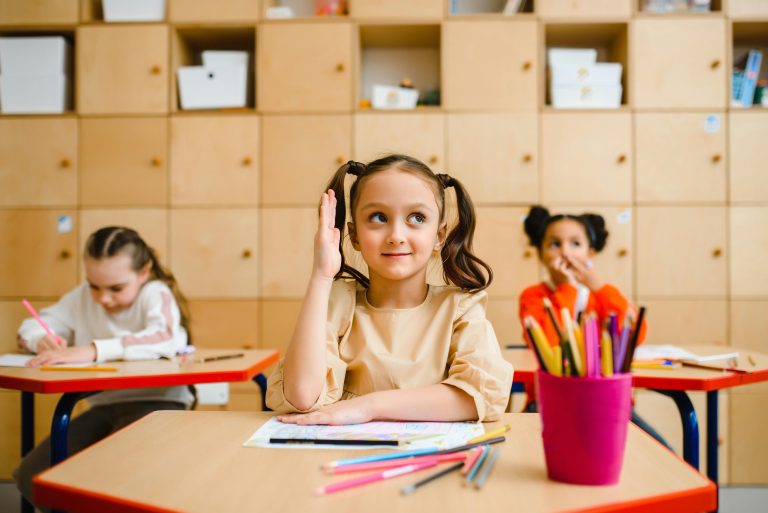
Kids are still gaining control of their attention as they grow up, and lots of them learn most easily when they work at something with their full concentration for a short time. A really long time working on something might start off well, but slowly tiredness, getting sidetracked, the need to move around, and strong feelings will all start to interfere. When a child’s focus begins to slip, they might be in the same spot, but they won’t be learning as well.
People who study learning generally say shorter times are better because they match the way children normally hold onto their concentration. A child with a reasonable amount of time for an activity is likely to be more interested and finish it more smoothly. More often than how long they are at their work, the quality of their attention is what’s important.
Small Daily Practice Supports Memory More Reliably
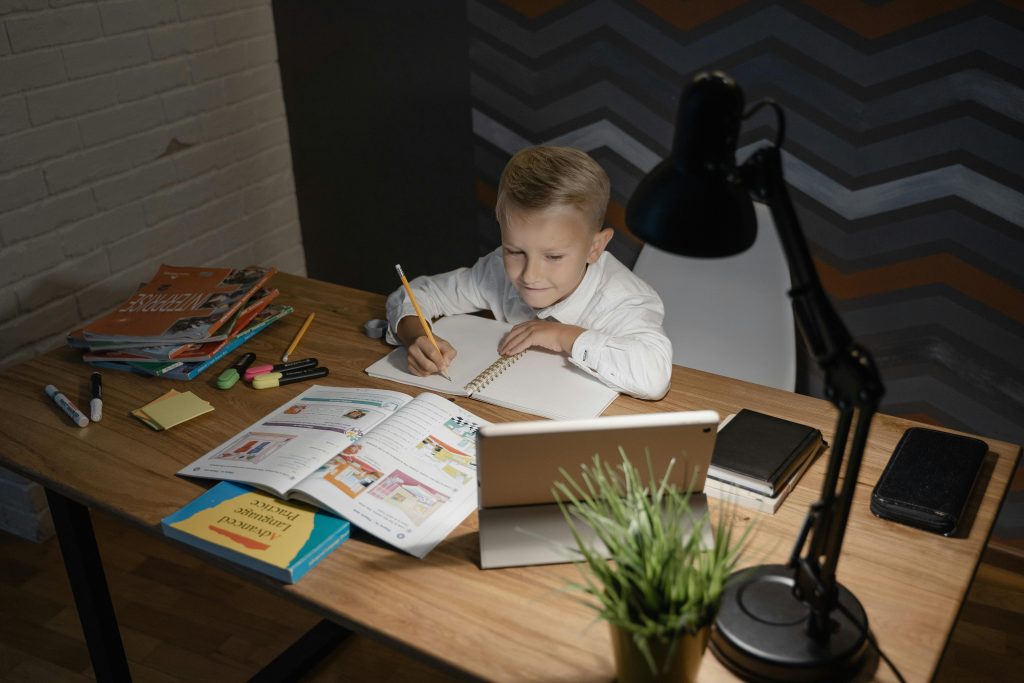
Kids generally learn things better when they go over the same things fairly often, as opposed to trying to learn a huge amount all in one go. Both what memory studies show and what teachers do in classrooms frequently show that seeing/doing something again and again over days or weeks is much more useful. So a child who does a little reading each day, checks a small number of math facts regularly, or has short but repeated go’s at writing will likely remember things much more strongly than a child who does the same thing for a long time, but just once in a while.
This happens because the brain gets lots of chances to ‘meet’ the skill again and really get a grip on it. Short, daily practice provides memory with multiple opportunities to become stronger, and after a while, this makes the learning feel both easier to use and more comfortable, even if the child isn’t concentrating for a long period.
Credit: Tima Miroshnichenko / Pexels
Short Practice Often Reduces Emotional Resistance
Kids are much more likely to push back against learning if they think it’s going to be a long haul, really hard, or wear them out emotionally. Doing something for just a little bit each day feels easier to start because they can see it finishing fairly soon. This means learning doesn’t seem like a huge burden added to everything else they’ve got going on.
And those who work with children as they grow usually say that a child’s feelings about learning are just as important as the actual subject matter. A child who isn’t as worried about getting started will probably be more enthusiastic about joining in and bounce back from errors quicker. These shorter periods of work often make things feel better overall, and that good feeling can help get them to work with you on learning at home for the long run.
Repeated Practice Helps Skills Become More Automatic
Kids generally have to do something many times over before it starts to flow and they can do it without thinking. They might understand how to sound out a word, form their letters, or get to the answer in a basic calculation, but they’ll still need to practice a lot to do it easily, without a ton of struggling. Little bits of learning each day give kids lots of opportunities for this to happen.
Experts in education call this change from having to really try, to just doing, gaining automaticity. And lots of short, repeated tries with a skill help you get to that point, as they’re using and becoming familiar with it often enough to make it feel natural. Often, a little work with it regularly is much more effective than longer sessions with big breaks between them.
Daily Learning Routines Are Often Easier for Families to Sustain
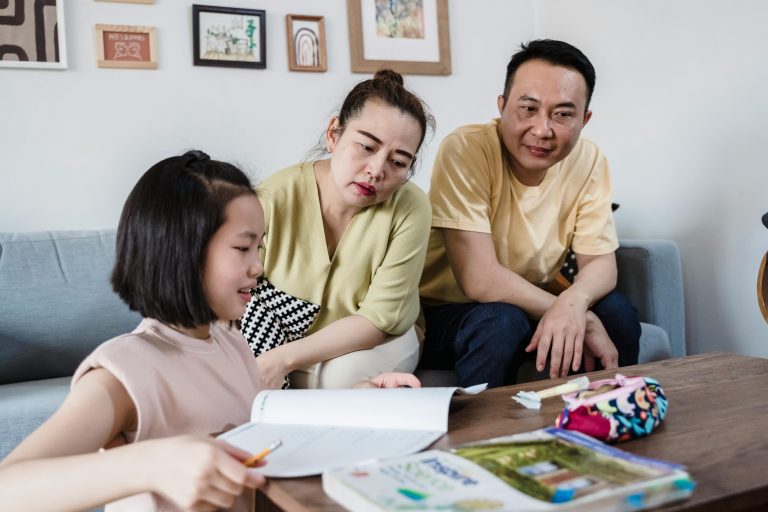
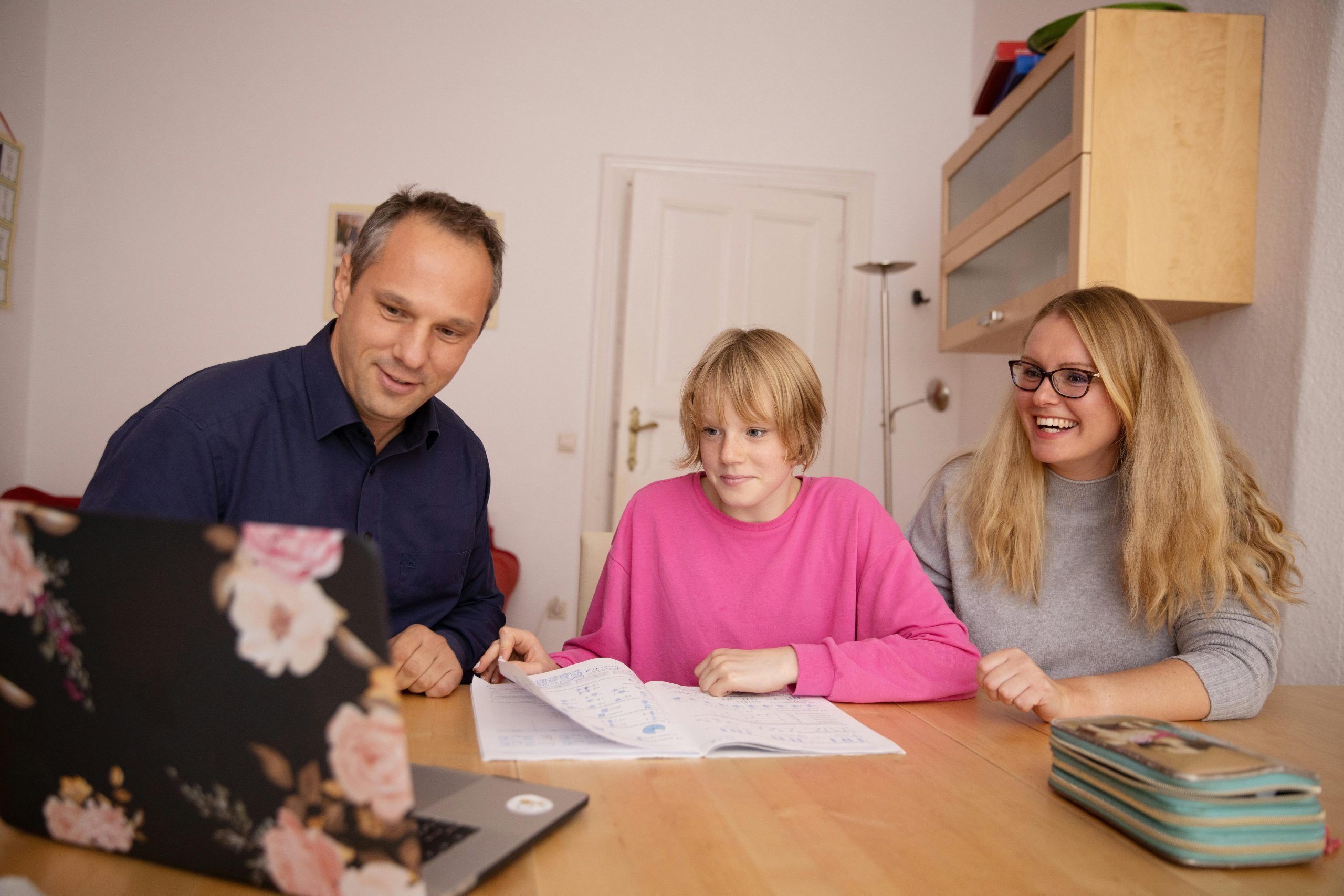
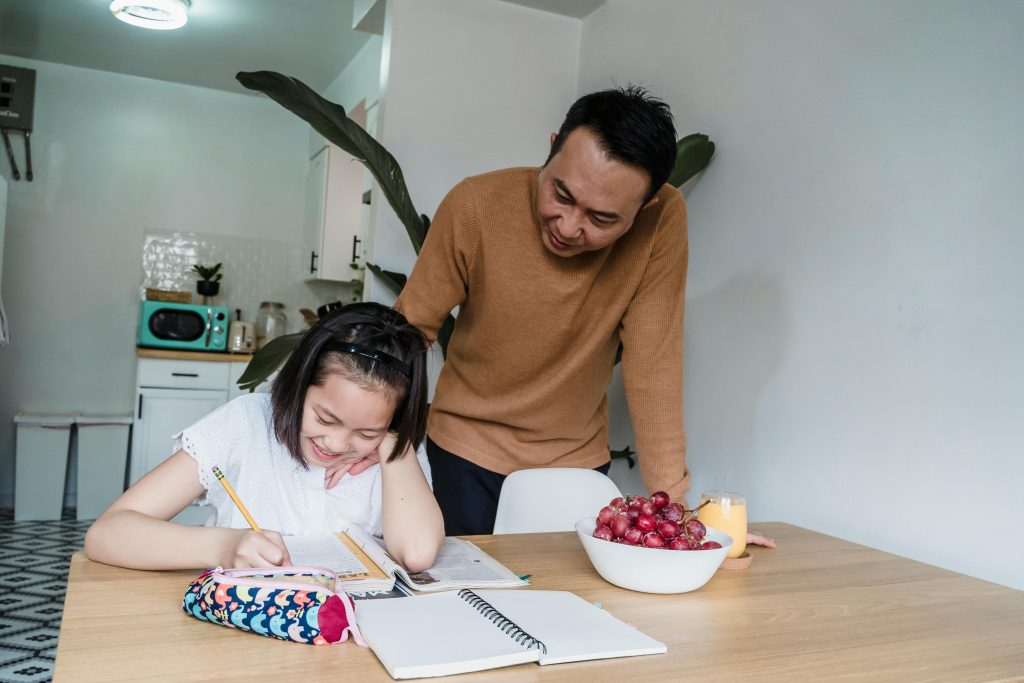
Small steps each day are good in a real-world family because they’re normally easier to keep going. Ten minutes of reading, a bit of writing, or a quick look at homework are much more likely to happen during the week than a long study session which would mean you’d have to schedule the whole evening around it. Families do better overall when the thing they’re doing is simple enough to do repeatedly.
And this is important, as doing things steadily is a major help for learning. A huge plan you only do now and then can be more upsetting than useful. But a small plan you come back to regularly will often just become a normal part of how the family operates, and this helps kids think of learning as something they are used to, instead of just something that happens when they are being pushed.
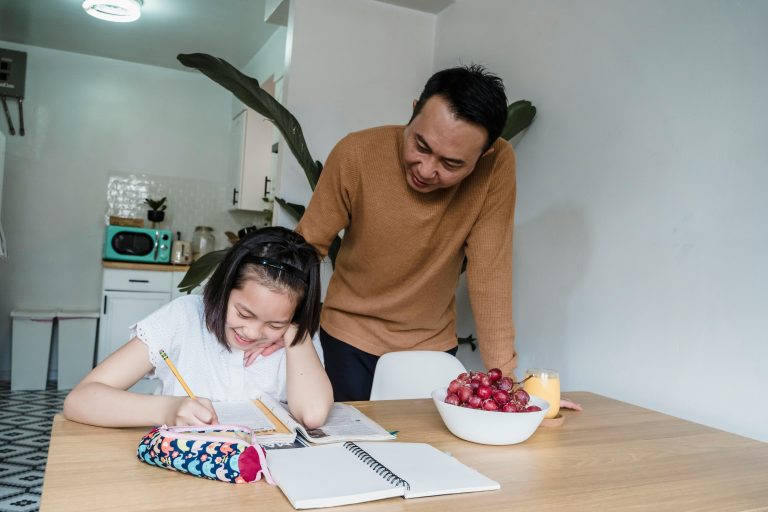
 Credit: Annushka Ahuja / Pexels
Smaller Steps Leave Room for Rest, Play, and Recovery
Kids do their best with school work when it’s part of being a kid, not instead of it. Healthy growing and being prepared for learning are helped by playing, being active, getting enough rest, and chatting with family. A little bit of practice each day generally lets kids fit in more of all those important parts of life, compared to long stretches that drain their energy and their willingness to try.
Advice from families and schools often says it’s all about finding a balance. When a child has time for activity, for letting their imagination run wild, for talking, and for emotionally calming down, they’ll probably be much more prepared to focus on their work. So, these smaller amounts of work help the actual lesson, and also help create the best possible surroundings for learning to occur.
Progress Often Looks Steadier When Practice Feels Manageable
Many families think that if kids really try hard, they’ll get results quickly. Yet, children learn slowly, as a rule. They generally do much better and keep improving at a more stable rate when they practice a little at a time and can do that practice regularly. You might not notice much change from one day to the next, but over weeks and months, the improvement is generally pretty obvious.
Kids in fact learn most effectively with little bits of practice each day. This kind of pattern helps with focus, remembering things, managing their feelings, and sticking to a schedule. The most successful learning schedules in a lot of homes aren’t the most intense, but those children can use frequently enough for learning to really happen.
Key Takeaway
Kids generally pick things up more easily if they practice a little bit each day. This is because they can concentrate, remember, and deal with their feelings better when the practice isn’t too long. Doing something regularly, over and over, builds ability, makes children less likely to refuse, and gives families a way to continue learning that isn’t too difficult. And with smaller practice times, there is space for relaxing, playing, and getting back strength, all of which help with all kinds of growth. Actually, consistently doing a reasonable amount of learning usually gets you further in the long run, as opposed to long, infrequent bursts.