Why Children Often Ask for Screens More on Some Days Than Others
You’ll probably find kids aren’t quite as obsessed with screens all the time. Some days they’ll be pretty happy to not use them or won’t even think about them. But on others, they’ll badger you for a tablet, the TV, a game, or their phone, and this is even if you haven’t changed the usual rules! People who specialize in family and media use say this is usually about how your child is feeling overall, not just a random decision to suddenly like screens more. How much energy they have, pressures from their routine, being bored, needing to feel better emotionally, and how the day is set up all affect how much they want to be on a device.
If you can figure out why they want screens more on certain days, it’s easier to know what to do. A child asking for screens a lot isn’t necessarily responding to the screen itself. More often, they’re wanting something to liven things up, to be comforted, something they’re used to, or a way to get through a time that’s not going well or doesn’t have a plan. You’ll generally understand things a lot better by considering the whole day, rather than just what they’re asking for at that moment.
Children Often Ask for Screens More When the Day Feels Unstructured
When kids have a lot more free time in the day, requests for devices frequently go up. How children deal with time when they don’t have something specific to do changes with their age, personality and how much energy they have. Some will happily start playing or doing things on their own, but others aren’t sure what to do if there isn’t a set plan. And when that happens, screens can look like the easiest answer because kids are used to them, they switch on quickly and are readily available.
People who know a lot about family routines have pointed out that children will usually ask for the thing they’re most used to when the day doesn’t seem to have a structure. A screen quickly fills a time that feels blank or uncertain. This is why we often hear more requests for screens on long afternoons, weekends with nothing arranged, days stuck inside because of the weather, or when your usual schedule is all over the place.
Fatigue and Emotional Strain Can Increase Screen-Seeking
Kids tend to want to use phones, tablets, or the TV more when they’re exhausted, emotionally drained or getting over a busy time. After a long time at school, difficulties with friends, not enough sleep, or lots of extra things to do, children don’t cope with feelings quite as well. And when they’re feeling like that, a device is nice because it’s something they know, it doesn’t take much energy and it’s easy to use.
Experts in how children grow and learn say that what a child does shows how well they are able to cope, as much as what they actually like. So a child who is constantly asking for screen time after a difficult day isn’t necessarily only wanting to be amused. They may be looking for something that’s easygoing, makes them feel safe, or is something they can depend on when they don’t have much energy inside. This is why they’re usually much less bothered about screens on a peaceful, normal day.
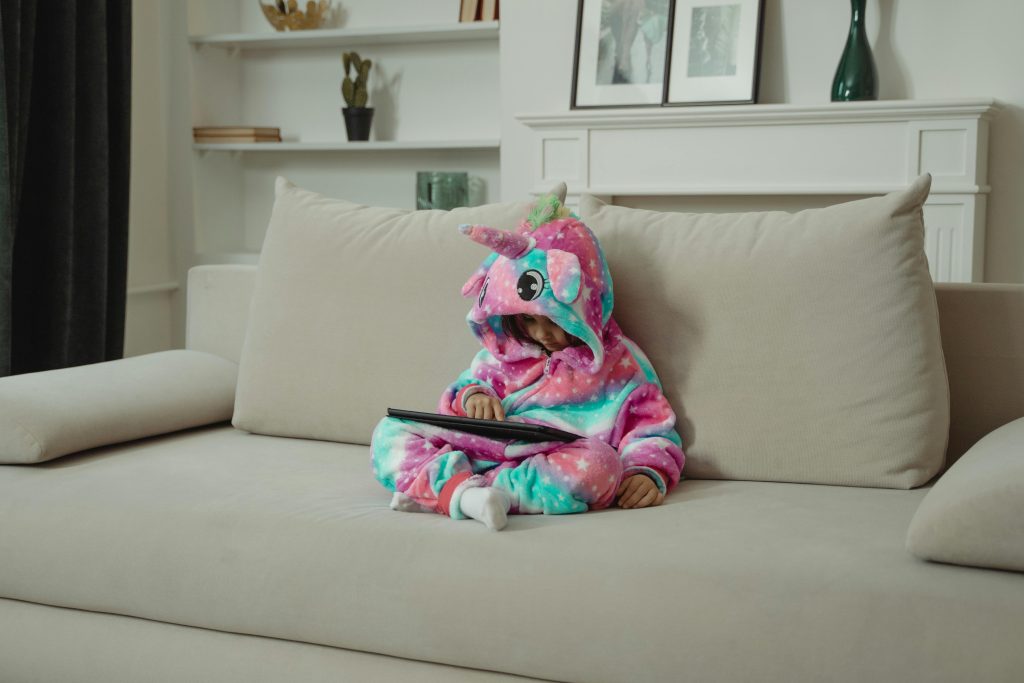
Credit: Tima Miroshnichenko / Pexels
Boredom Often Plays a Bigger Role Than Families Expect
When kids repeatedly ask for screen time, families can easily think it’s all they do want. But most of the time, being bored is the bigger problem. Screens are appealing because things happen instantly, the pictures change quickly, and you’re right in the middle of things. And when what else there is to do isn’t as clear or takes a little more to get going, screens can look even better. It isn’t that a child dislikes all activities away from a screen; they just might not be sure how to begin with them at that particular time.
Experts in media and children’s behavior frequently say boredom is unpleasant for kids, especially those who are still figuring out how to come up with things to do on their own. Reaching for a screen is often the easiest way for a child to get rid of that bad feeling. That’s why asking for screens is often less of an issue on days where there are readily available toys, time outside, books, art materials, or relaxed family time.
Device Requests Can Also Reflect Habit Cues
Kids frequently want screens at times they’ve come to associate with watching or playing on them. A child might ask for a tablet immediately when they get in from school, after they’ve done their homework, or if Mom or Dad gets their phone. These requests aren’t necessarily the result of the child deliberately deciding they want a screen, but are much more about them having learned to connect a particular time of day with doing something with media.
Families are usually told that habits grow from doing things over and over. So if screens are usually available during a certain period of the day, children will likely start asking for them without even thinking at that point. That’s why it can feel like the request comes out of nowhere, and yet you knew it was going to happen. The child is reacting to the situation, the signal, not just to the screen itself.
Children Often Ask More When Screens Are Used to Ease Difficult Transitions
When things are tough, lots of families turn to screens – while waiting, when siblings are fighting, in the late afternoon when everyone is tired, during errands, or when parents are busy with their own work. It’s understandable to do this for a quick fix. However, kids can start to think of devices as something to make them feel better when they have to deal with something difficult or change from one thing to another. And eventually, they’ll probably ask for a screen much faster the next time these situations arise.
Experts in kids and families say that people tend to do what’s worked in the past. So, if a screen has often gotten a child through being bored, upset, or having to wait, they will likely ask for it whenever they feel those things again. This isn’t about the family doing anything incorrect; the child has simply built a very strong link in their mind between the device and feeling better.
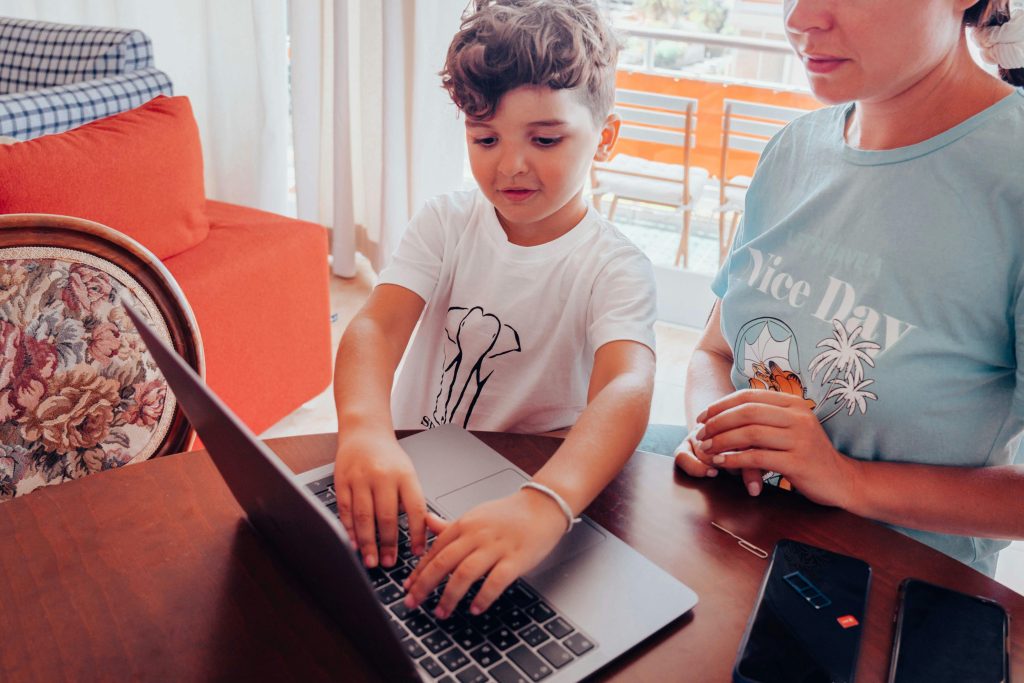
Credit: Atlantic Ambience / Pexels
Household Rhythm Often Shapes How Strong Requests Feel
Kids don’t usually beg for phone, tablet or TV time as much if the day has a pretty set pattern. Regular meals, playing outside, reading, going with parents on things that need doing, helping with jobs around the house, school work and a calming way to finish the day all give the day a form and mean screens aren’t what the day is about. However, if things are more go-with-the-flow or parents have a lot going on, kids will ask for screens more often because they are the simplest thing to do and seem to be the easiest way to fill or manage the time.
Those who really know about family routines say children need that pattern, even if they don’t actually say that’s what they need. Lots of requests for screen time from a child might mean the day feels too open, too exhausting, a bit scary, or just without a solid framework. Once the family is on a more predictable timetable, the device doesn’t have as much hold as the first thing to do.
Device Requests Often Reflect More Than Device Preference
Kids frequently want screens more at certain times, and this is because of how those days feel and how they’re going. They might be bored, or tired, or it could just be something they do automatically, or they might be dealing with difficult feelings, or even looking for something that won’t change. Only focusing on the screen use itself is incredibly annoying, because it just goes around and around. But if you look at what the child is doing all day you’ll probably see why this is happening.
When families deal with the whole situation, not just the phone or tablet, asking for screens is usually easier to handle. Having a more consistent daily routine, having more options available for things to do that the child can actually see, and being really clear about when one activity finishes and another begins, will often lessen the arguments about screens, and you won’t have to be at them all the time.
Key Takeaway
Kids frequently want to use phones, tablets, or the TV more at certain times, and that’s because being bored, being tired, how they’re feeling, what they’re used to doing, and the way the day is going all affect how much they ask. A lot of the time they’re asking for a screen to feel better, to have something to do, or to know what’s coming next, not just because they love a particular show or game. Families tend to have more success if they think about what’s happening around the screen request and build more of a pattern, some other things to do, and smoother changes in activity. With a much clearer day, children will eventually depend on screens a lot less when things are difficult.