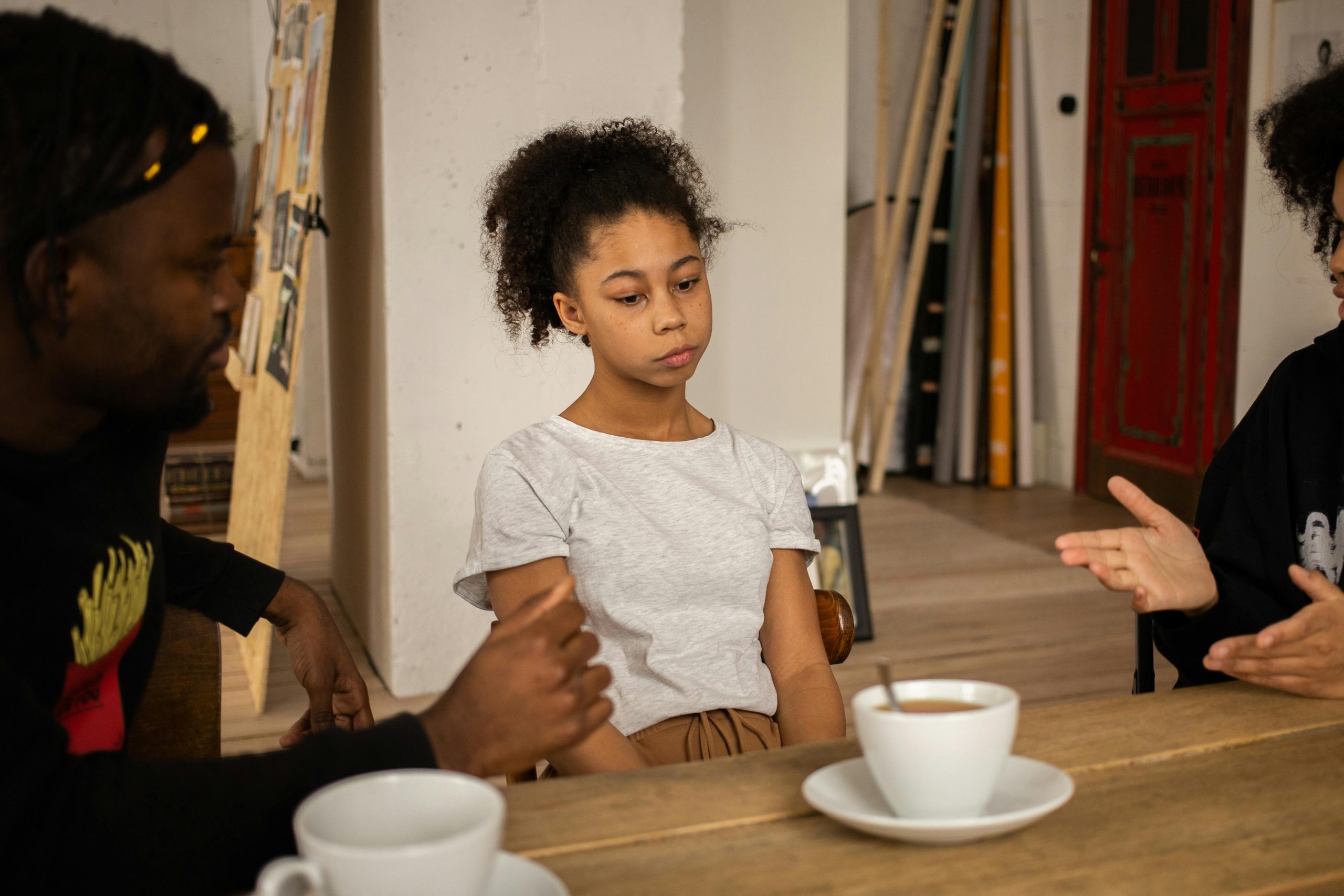
Why Children Often Argue About Fairness and What This Usually Reflects
“Fair” is a word lots of kids are hearing throughout their younger years. They’ll often complain their brother or sister got to do something longer, had a different advantage, a bigger piece of something, or a better chance. Adults who feel they’ve already explained things clearly might find this happening a lot. But, as experts in how children grow, most agree that these arguments about fairness aren’t just about a child trying to get their own way. They’re often a sign of a child starting to think about comparing things, rules, being part of the family, and how important they are in it.
Kids get much more aware of how things differ as they get older. They start to compare how their siblings, friends, and even daily schedules are treated, what happens to them, and what’s expected of them. And this isn’t necessarily because they’re being self-centered. A lot of the time, it shows they’re developing their own ideas about what’s just, and they’re still learning to manage their feelings. If you can understand why fairness is such a big deal to a child, you’ll be able to deal with it with more clarity and a lot less aggravation each day.
Children Often Notice Differences Before They Understand Context
Kids bring up fairness a lot because they are very aware of differences but don’t necessarily understand why those differences exist. For example, a child will likely realize a brother or sister was allowed to be awake later, got a bigger treat, or had more of Mom or Dad’s attention. But they probably won’t understand the full story – how age, what someone requires, when things happen, or other situations influenced that.
Experts in how children grow say young kids pay closest attention to what they can see. So, if a child sees something different happening, it feels incredibly unfair to them, even if a grown-up can easily find a sensible reason for it. It’s this disconnect between what children notice and what they are able to understand that is very often the source of all those repeated complaints about fairness.
Fairness Is Closely Tied to a Child’s Sense of Importance
Kids often think of fairness as more than just following the rules, they also want to feel as though people are noticing and appreciating them. When a child thinks a brother or sister is getting more attention, a nicer chance to do something, or is being treated with more kindness, their shouts of “That’s not fair!” are often, in part, a sign of being anxious about where they stand in the family. So arguments about fairness can hide feelings that aren’t actually about what’s happening right now.
People who work with families have frequently said that children use the idea of fairness to show worries that they aren’t necessarily able to explain. A gripe about getting the same amount of time doing something might really be a way of asking if they are loved and important to their parents in the same way. And because of this, these disputes over fairness can be very strongly felt, even if to a parent the difference isn’t much.
 Credit: Muziyan Du / Pexels
Children Often Prefer Equality Before They Understand Equity
When adults decide what’s fair, they’re usually pretty adaptable, and might factor in things like how old someone is, what they need, how much work they’ve done, or when something happens. Young children, however, are far more likely to have a very straightforward idea of fairness. For them, it’s getting the identical quantity, being treated in the same way, or having an equal chance for all. And if everyone doesn’t have the same outcome, it will likely seem unfair to a child, whatever the explanation.
This explains why kids can push back against explanations that sound perfectly sensible to us. They’re still basing things on that more basic understanding of fairness. Experts in child development have found that more complex views of fairness – and the understanding that people can be treated differently yet it still be fair – build slowly as children get older and have more life experience.
Emotions Can Make Fairness Feel More Urgent
Kids are usually much quicker to protest about fairness when they’re already worn out, annoyed, feeling foolish or let down. At those times, comparing themselves to others can really get to their feelings. If a child loses at something, is told to hold on, or hears a brother or sister getting compliments, they are likely to be much more upset by any perceived difference in how they’re being treated. And something minor can suddenly seem huge.
Experts in kids and how they act generally say that how a child is feeling at the time decides how strongly they’ll respond to comparisons. Often, the ‘that’s not fair’ complaint isn’t from a lot of thinking; it’s because they feel a loss or are hurt, and they show it with those words. Because of this, the same child might be okay with a situation on one day, yet become very upset and argumentative about the exact same thing the next.
Family Patterns Can Increase or Reduce Fairness Conflicts
Things kids do at home often lead to arguments about fairness. If brothers and sisters are always being compared, if the rules aren’t very definite, if rewards are a surprise (or not!) or if punishments change all the time, kids are more likely to be unsure about what is fair. Because they aren’t sure what will happen, they’ll probably start comparing what they get to what their siblings get and complain if things aren’t the same.
Experts on families say that a more definite way of doing things and more reliable expectations will generally decrease this sort of fighting. Kids will likely still have disagreements, but they’re not as prone to feeling like they’re being treated differently when they can easily see and count on how things usually happen in the family. Having a structure to family life helps kids understand that family choices aren’t the adults deciding who they like better at any given moment.
 Credit: Gustavo Fring / Pexels
Children Usually Need Help Learning What Fairness Really Means
Kids don’t just know what fairness is. They usually need to go through it lots of times to realize that fair isn’t always exactly the same for everyone. A little kid will likely require more assistance than one who is older, and one brother or sister might benefit from a little more rest, or perhaps different tasks to do. Even though these are not equal, they can absolutely be fair. But kids generally need us to demonstrate and describe this to them, and we have to do it repeatedly.
People who study communication say children pick up on fairness from what we do, not only what we tell them. They learn from how we deal with their grumbles, how we apply rules, and how we talk about why things are different in a relaxed way. As time goes by, kids will start to get that fairness is about what’s expected of everyone, but also about what each person specifically requires.
Fairness Arguments Often Reflect Growing Social Awareness
These disagreements with kids are exhausting, yet they do indicate that they’re thinking about what’s right and how to get along with others. When a child protests something as unfair, they’re usually figuring out how everyone deserves to be handled. This figuring-out might look a bit childish or be about what they want specifically, but it is still a positive sign of growing up.
Frequently children will bicker over fairness as they develop a sense of what’s just and simultaneously work on managing their feelings, seeing things from another person’s view, and understanding the situation around them. So in normal life, when they complain about fairness, it’s more about all of that learning, and much less about just being awkward.
Key Takeaway
Kids get into a lot of fights about fairness because they’re starting to really see how things aren’t the same for everyone, they’re sizing themselves up against their siblings or friends, and they’re figuring out what it even means to be treated fairly. These arguments are generally a blend of them becoming more aware of the social world with their feelings being something they’re still learning to manage, and with them not quite being able to see things from other people’s points of view. Things improve at home if you’re very specific about what you expect, don’t encourage comparing one child to another, and if you explain differences in a relaxed way. As they get older, children will usually shift from thinking of fairness as being exactly equal to understanding that fairness depends on the situation, and what each person specifically requires.