
How to Get Kids to Tidy Up: Simple Tips for Parents to Help
Getting kids to tidy up is a pretty typical problem for families every day. A child will happily play for ages, yet will really push back when you ask them to put their toys away, get the table clear, or help get a room looking neat. Many adults find this frustrating because to us, the tidy-up seems easy and something they should just do. But experts in how children grow generally say that tidying isn’t just about being told to be good. It needs a move from one thing to another, controlling their feelings, being organized, and a growing understanding of being responsible, and kids are still learning these skills.
If you know why tidying is hard for them, you can deal with it better. What experts say about child development and family habits, and what research into daily life shows, is that children are much more likely to help if tidying happens at the same time in the same way, if you expect a sensible amount from them and if they can easily see how things are organised. The difficulty isn’t just the actual tidying; it’s changing from a fun activity to one that doesn’t give them a reward right away.
Stopping Play Is Often Harder Than Adults Expect
Kids often don’t want to tidy up because it’s generally when fun is finishing. If a child is really into constructing something, being someone in a game, creating art or just playing, being asked to put things away feels like a break in the fun, not just what happens next. And that change in feelings can be hard to deal with, particularly for little kids who are figuring out how to switch from one thing to another without getting upset.
Actually, specialists in how children grow and learn say changes in what they are doing are a big cause of stress for them. Tidy-up time isn’t only about getting toys into their containers, it’s about finishing something, dealing with the bummer of it being over, and preparing for what’s going to happen now. It’s easier to see why they push back if adults realise all of that is going on.
Cleanup Requires Organizational Skills That Are Still Developing
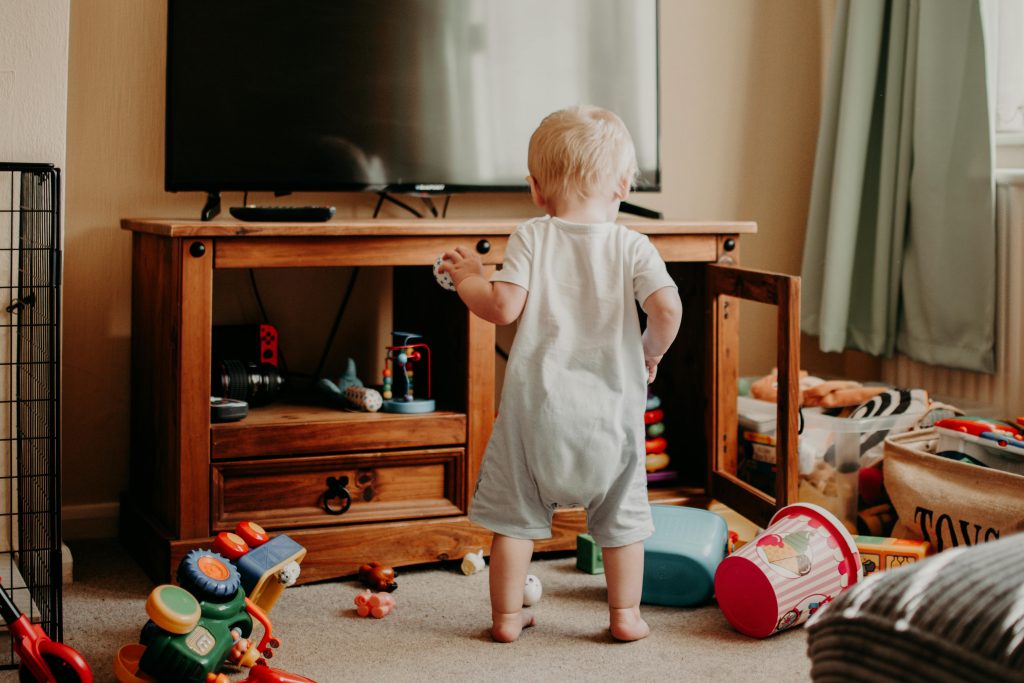
When grown-ups tell kids to tidy up, we think it’s easy, because we’re good at deciding what goes with what, putting things in piles and figuring out where everything is supposed to be. Children haven’t completely learned to do these things yet. A room that’s a mess to us, can be much too much for a child to take in – they don’t even know where to start.
And that’s why cleaning gets easier if things are clearly organised. Things like containers, open baskets, a specific place to put each toy, and easy-to-understand groupings help a child understand what they’re actually meant to do. If that’s not there, being told to “clean up” is so vague it’s hard to respond to.
Credit: Pexels
Children Often Respond Better to Predictable Routines Than Sudden Commands
Cleaning up is generally easier if it’s something you do as a regular part of how things happen, not something you’re suddenly told to do. People who really know about family routines say kids are much more willing to tidy up if they expect it to happen after particular things – after playing, before a snack, before dinner, or at bedtime – and it happens that way each time. It’ll almost start to feel as though cleaning is just what always comes next in the day.
This knowing what’s coming is important because it stops things being a shock and makes the request feel less like an argument. The child isn’t just reacting to you at that second, they’re reacting to a pattern they’re familiar with, a pattern which is how your family does things.
Motivation Often Improves When Children Feel Capable
Kids are often much more likely to fight about tidying up if what they have to do seems overwhelming or isn’t very specific. If a room is just covered in stuff, it can make a child feel totally frozen before they’ve even started. Experts in how kids grow and learn frequently say that jobs are easier for children when you split them into lots of little bits they can actually see themselves finishing.
So, a child will probably do better with you saying to put the books together in one spot, then get the blocks, and after that, the soft toys. This way, they get to feel as though they are achieving something, and as though they are good at something, rather than just being told to do something big and hard.
Adult Presence Can Matter More Than Repeated Verbal Reminders
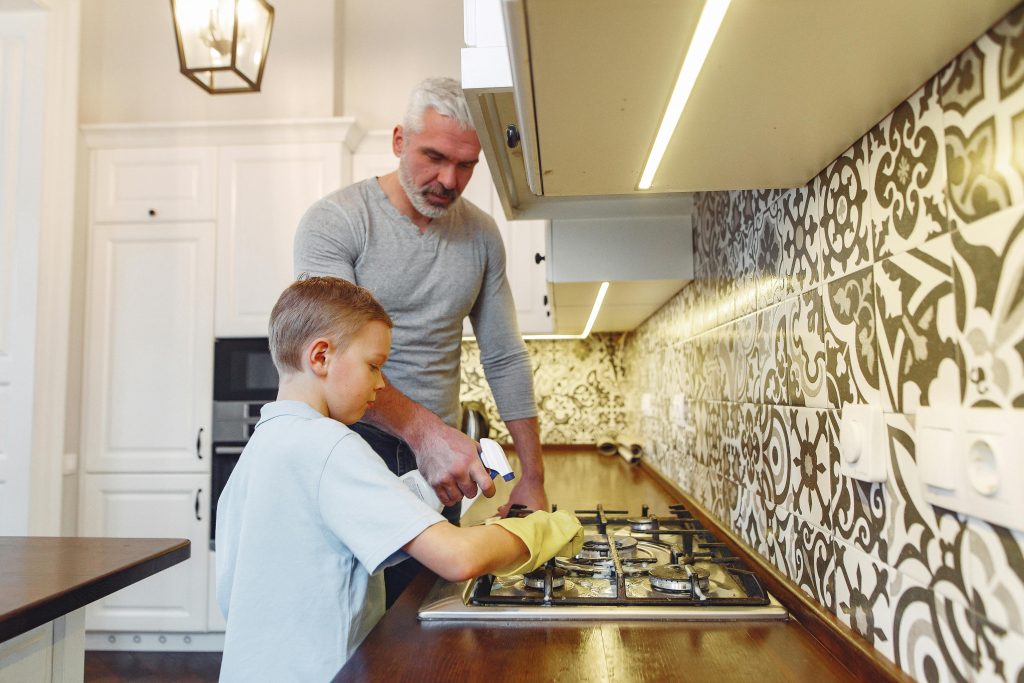
Parents frequently tell kids what to do with cleaning up over and over, yet a lot of the time children do a better job if a grown-up is right there with them to kind of be the center of the tidying process. This isn’t saying the adult should clean for the child. More often, while a new task is being learned, children appreciate having someone who is calm, tells them exactly what to do, and is obviously helping.
Both people who study children and experts in families generally agree that ‘co-regulation’ helps kids with all sorts of things, and putting things away is one of them. When a parent is close by, it’s easier for the child to concentrate, not feel overwhelmed, and understand what they are supposed to be doing, all without a lot of back and forth arguments.
Credit: Pexels
Consistency Usually Builds More Progress Than Pressure
You generally get into the habit of tidying up by doing it over and over, not from being told exactly how to do it once. Kids might be difficult about it on one occasion, yet be more willing to help the following day. How tired they are, being overstimulated, if they are hungry or what mood they’re in will all change how easily the cleaning gets done. What’s most important in the end is that you keep saying what’s expected and don’t change your mind about it.
Families have much better success in the long run if tidying is just something that happens as part of each day, instead of a big argument to be overcome. Repeatedly doing things the same way, having a way of seeing how things get put away, and consistent help from a grown-up eventually make tidying routine and less upsetting.
Key Takeaway
Kids frequently don’t want to tidy up because they have to stop having fun, switch to a new activity, put things in order, and deal with their feelings – all at the same time. Cleaning up is generally simpler when families have places for everything that are easy to understand, a way of doing it that is the same each time, breaking it down into little bits, and having a grown-up to help regularly. It’s often not that they’re being lazy, but more to do with how they’re growing and needing things to be organised. With a lot of doing things the same way, tidying eventually begins to seem easier and stops being a battle every day.