How Patience Usually Develops in Young Children Over Time
Adults frequently ask kids to be patient, but experts in how children grow say patience isn’t something that’s just there. It builds up over time. A little kid who can’t wait, frequently speaks before they should, or gets upset if they don’t get what they want immediately isn’t necessarily a bad kid. More likely, they’re at a point in their growth where really strong feelings take over their ability to hold back. Patience requires a lot of things to happen at once: being able to use words, remembering things, managing feelings, and believing you’ll eventually get the thing you want even if it isn’t right this second.
This slower way of looking at patience is important because families sometimes think of being impatient as simply being disobedient. But waiting really is different for a child than for an adult. A time that is short for us can seem long and full of doubt to a preschooler. What experts say is that kids get more patient not from being told to be, but from lots and lots of times of waiting with someone to help, dealing with being frustrated, and slowly realizing they can handle uncomfortable feelings.
Patience Is Closely Linked to Emotional Regulation
When a child is overwhelmed by a lot of emotion all at once, they just can’t sit and be patient. That’s why being patient is so linked to being able to control their feelings. Little kids feel things like wanting, being sad when they don’t get something, and being annoyed, and they feel these feelings very strongly. And if they haven’t learned to deal with those big feelings, even a short wait can be too much. We adults might not think of the wait as a big deal, but the child is also dealing with what’s happening on the inside.
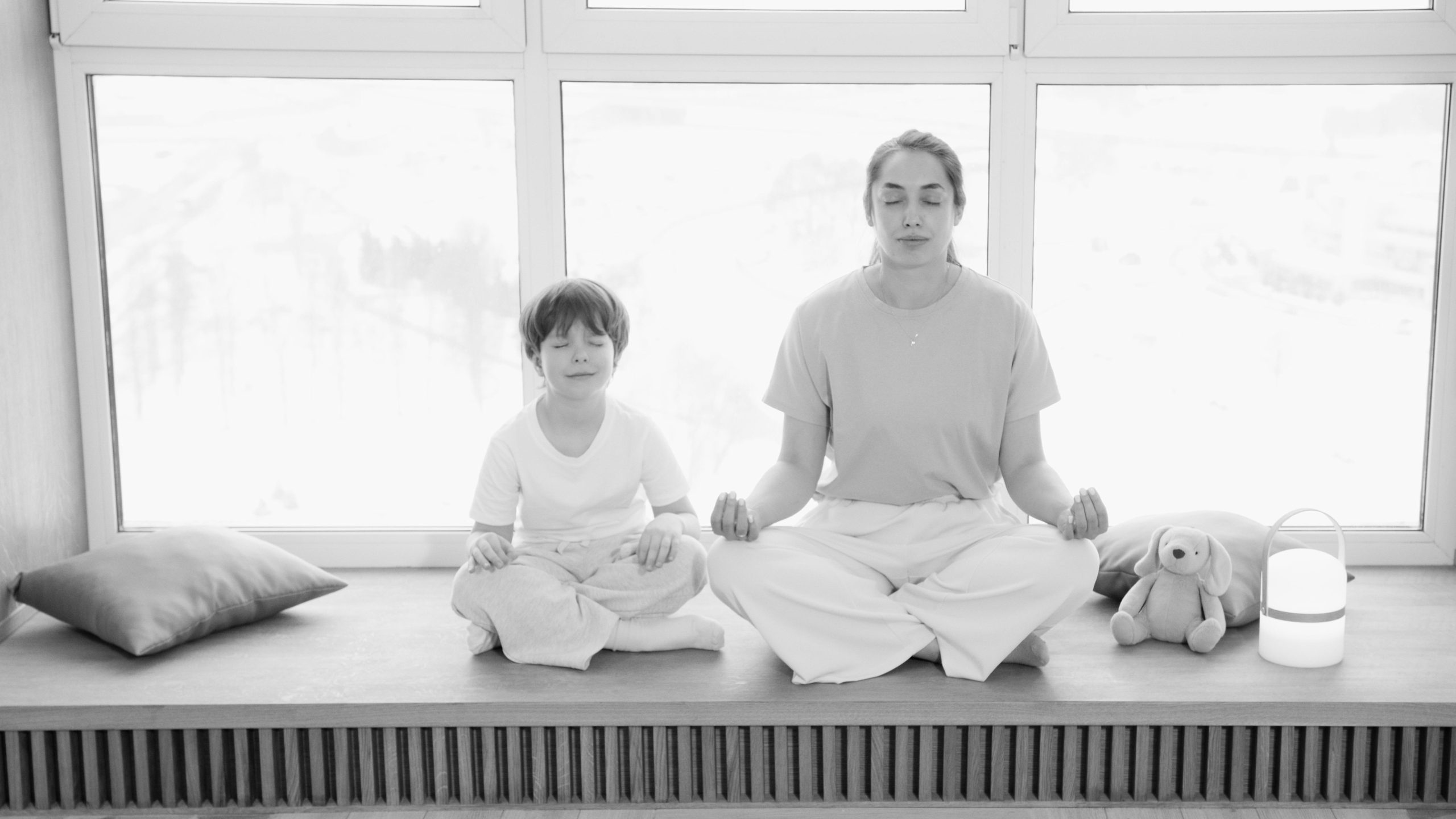
Actually, patience gets better as children get more practice at going from a big emotion back to being calm. That’s a key reason why it’s good to help them with their feelings when they’re young.
Trust Helps Children Wait Better
When you’re being patient, trusting something will happen is key. Kids usually manage to wait if they have faith that what they’ve been told is going to happen, that they will get the thing, event or their turn. But if they aren’t sure waiting will actually get them anything, the waiting period feels more like they’re missing out, and less like a good exercise in patience. That’s why adults tend to do better when they’re really clear about what to expect and when to expect it.
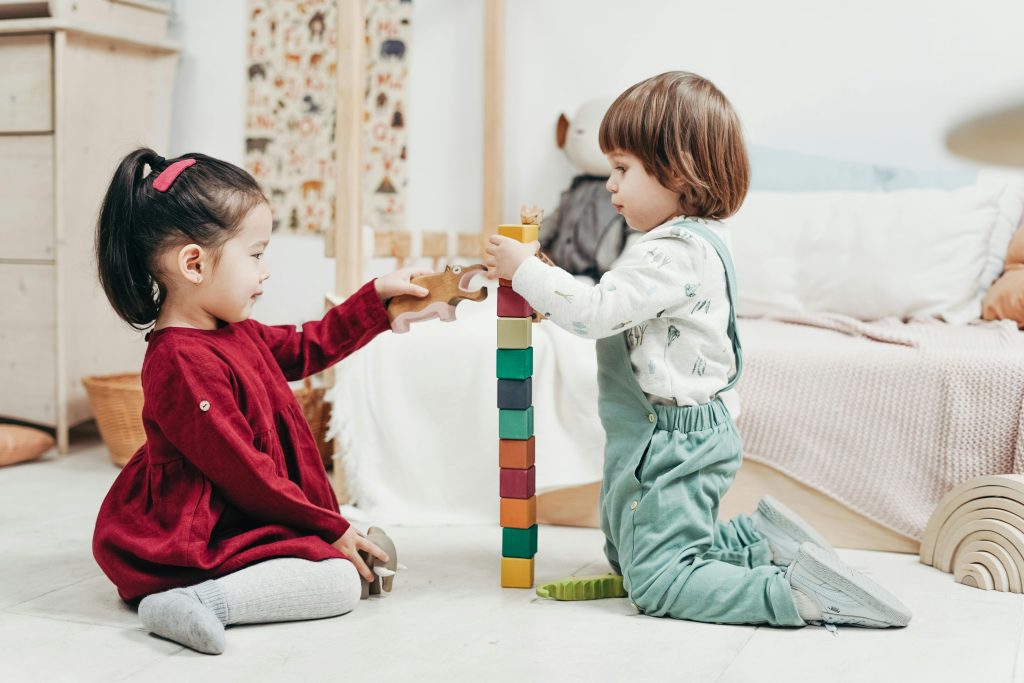
Telling a child “you can have a turn after your sister” is far more effective if they’ve often found that’s how things really unfold. These repeated experiences, with time, help a child link waiting to knowing what to anticipate, not to being unsure. A child is much more likely to develop patience in a situation where adults are consistent enough for the child to rely on the way things are organised.
Credit: Pexels
Language Gives Children More Tools for Waiting
As kids develop the ability to put their feelings into words, they typically get a bit more patient. If a child can actually say “I want it now” or “I do not like waiting”, they’re starting to tell you what’s up instead of just having an outburst. It doesn’t mean waiting suddenly becomes pleasant, but it does give the child a path to remain emotionally linked to you and what’s happening, so they aren’t only expressing themselves through crying, snatching, or complaining.
And adult words are useful for them too. Easy things to say like “First this, then that” or “You are waiting, your turn is on the way” show the waiting time’s order more distinctly, potentially lessening how puzzled the child is and making the wait feel more sensible.
Patience Often Develops Through Ordinary Daily Routines
You don’t have to specifically teach kids patience, because everyday life is full of little times they have to wait. They’ll wait for their meal, for someone to tie their shoes, for a story to start, to speak when someone else is talking, or for Mum or Dad to finish with a sibling. When adults are calm and do things in a similar way each time, these are actually opportunities for children to grow.
In fact, these little waits are generally much better for a child than big tests of how much they can control themselves. They let kids get used to being patient in small doses. And with these regular, normal parts of a day, children learn that waiting is simply what happens in a family and good things will eventually happen, even if not right this second.
Patience Rarely Develops in a Straight Line
Kids can be good at waiting at times, but completely fall apart at others. This is perfectly typical, as being patient isn’t just one thing, it’s affected by lots of things like whether they’ve had enough sleep, if they’re hungry, if they’re stressed, being very excited or how important it is to them to get what they are waiting for. For a little one, waiting for a snack, for their turn with a toy they really like, or while you’re doing something dull with you aren’t going to all feel the same.
Generally what’s most important is slow improvement. If a child starts to wait a bit longer, doesn’t complain quite so loudly, bounces back from being upset more quickly or finds more words to express themselves while they are waiting, they are getting more patient even though they will still have tricky moments.
Credit: Pexels
Patience Grows Best With Support, Not Shame
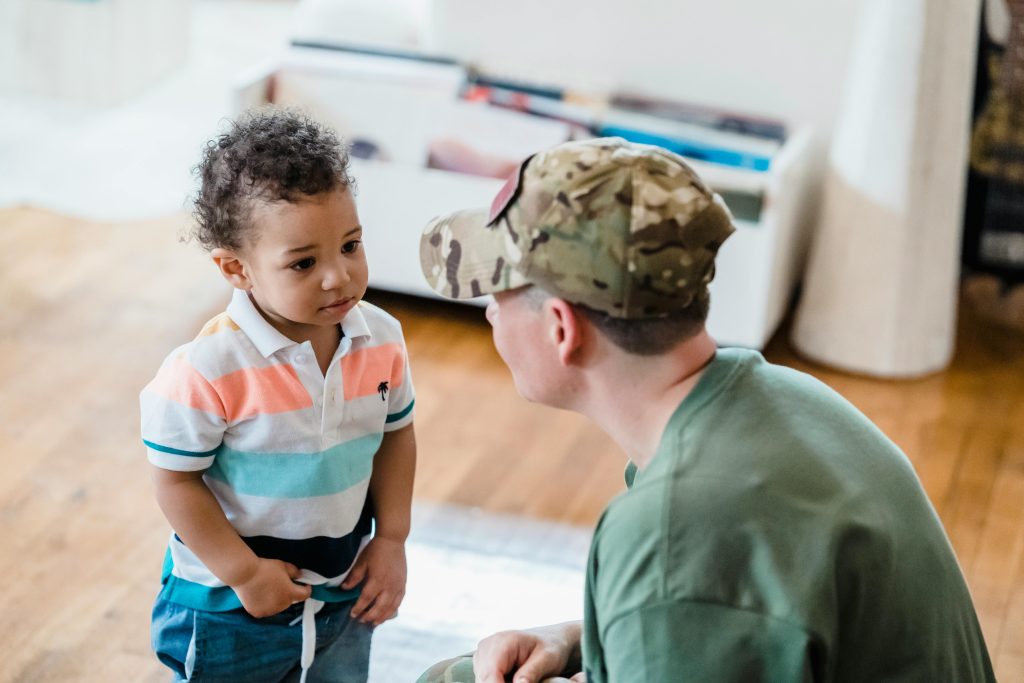
Kids do better over time if you help them deal with waiting, and don’t make them feel bad for finding it hard. If a child is just told they are doing badly, they’ll probably spend more time being upset about that than actually learning what to do. However, if a grown-up is calm, points out the issue, is firm about what’s happening, and is consistent in how they respond, the child gets a much better base for being patient in the future.
Young children slowly build up patience, and it requires lots of different abilities to all work at once. This isn’t a bad thing, this slower development. It’s simply how children grow, and how they get used to having to wait, being frustrated, and having to share with others in their daily lives.
Key Takeaway
Kids don’t become patient all at once; it slowly builds as they get better at controlling their emotions, learning to trust, using words, and doing things over and over. Because they’re figuring out how to deal with big feelings and not knowing what will happen, waiting is hard for them. Families help a child learn patience most effectively with a relaxed but firm “no,” things happening in the same way most days, and lots of chances to wait, but with help from someone. Instead of suddenly being patient, it gets stronger by doing things many times and getting over little disappointments.