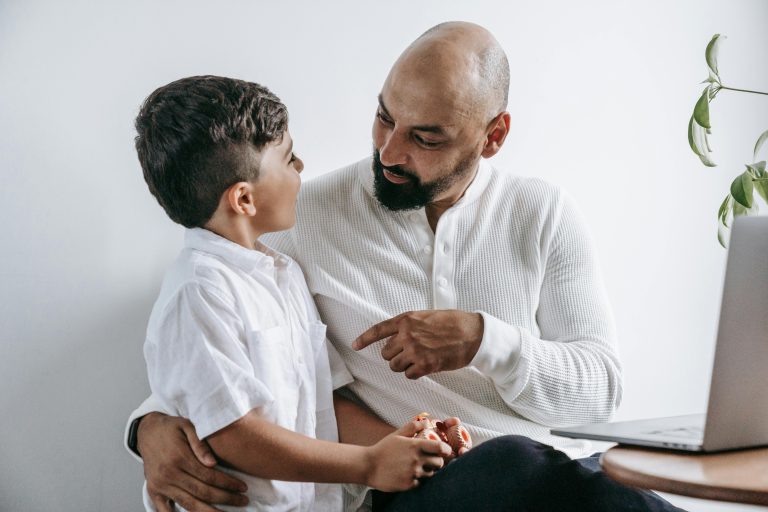

How Families Can Use Fewer Repeated Reminders and Get Better Cooperation
Parents are often in the position of repeating the same phrases during normal daily life. You need to get shoes on, the toys must be put away, it’s time for homework, or everyone has to be out of the door. While these lots of repeats seem essential at the time, people who specialize in how families talk to each other say that hearing things over and over eventually makes what the adults are saying less effective. Kids don’t necessarily start ignoring you because they don’t care, but because the repeated words just become another sound in the house.
You’re likely to find children will cooperate with you more easily not by telling them things again and again, but by speaking more clearly, showing them what to do, and changing how you communicate to fit what is happening. It won’t mean the kids will suddenly do everything asked of them, but families are likely to have more success when reminders are helped by a set way of doing things, and aren’t solely relying on just saying things to the children.
Repeated Reminders Can Lose Their Meaning
If kids are told to do something over and over with no change happening immediately, they’ll probably start to act as if the first few times of being asked don’t need a response. Mom or Dad’s request starts to fade into just general noise instead of being a definite cue to do something. And this makes both the child and the grown-up more annoyed.
Lots of families think this is the child being deliberately difficult, but in a lot of houses, it shows the way everyone talks to each other is too predictable and has stopped working. It’s generally more helpful to shift how you communicate, rather than yelling or sounding more desperate.
Shorter Instructions Often Work Better Than Longer Ones
Kids usually do better with instructions that are short, to the point and simple to understand. Saying “Shoes on now” or “Books in the basket” is typically easier for them to do than a long, involved explanation with a bit of your annoyance, a story of what happened last time, and a bunch of things you want them to do all at once.
And this is important: children have a hard time picking out the actual instruction from a lot of extra words, particularly when they’re changing from one activity to another. Using language that’s easier to understand cuts down on confusion, and makes the instruction itself easier to hear over everything else going on in the house.

Credit: Pexels
Visual Structure Can Reduce Verbal Overload
We often tell each other what to do for daily things, but actually, a visual cue could help those routines happen more smoothly. Things like a checklist on the door, a place for shoes, a chart for bedtime, or a dedicated homework area mean grown-ups won’t have to repeat themselves quite so much. The surroundings start to do some of the telling.
And this is particularly good for kids who learn more easily when they can look at the order of things, not just be told. Visuals aren’t instead of talking to each other, but they generally make talking and understanding each other easier, and cut down on all the repeating.
Timing Affects Cooperation
Kids don’t generally do as they’re told very easily if you tell them something when they’re really focused on something, or while they’re hurrying from one thing to another. At times like those, they might need you to say something in a minute, or be right near them, to actually get them to switch what they’re doing. Just saying the same thing again from far away won’t typically get you better behaviour.
Adults in a family will find things go more smoothly by going to the child, making eye contact with them, and then saying what to do. That little adjustment to how you do things can mean one instruction works where yelling from the other side of the house will get you five ignored requests.
Follow-Through Matters More Than More Talking
We often keep repeating ourselves to kids because we believe we have to keep repeating ourselves until they finally do what we’ve asked. But more often than not, what happens next is more important than further explaining. Once a child knows what they’re supposed to do, a good strategy is to go to them, help them get started on the activity, or simply and peacefully maintain the usual order of things, rather than saying the same thing over and over.
This isn’t about being strict or severe. What’s really effective is when what you say you expect is tied to what you consistently do. Kids frequently get a better understanding of things from the way a reminder is supported and done, instead of just from hearing the same words over and over.

Credit: Pexels
Less Repetition Can Create Better Communication
Lots of parents think if they stop reminding their kids to do things, things will fall apart, but surprisingly, the reverse is generally what happens. If you give directions that are very understandable, say them at the right moment, and have a routine to go with them, children will usually start to do what you ask more of the time. This means you won’t have to do so much unnecessary talking, and what you do say will feel more meaningful to everyone.
And stopping all those repeated requests doesn’t mean you become totally quiet. It’s about making your words more effective by using a plan, good timing, and actually making sure things happen. Eventually, this frequently means children will work with you better, and everyone in the family will be less stressed.
Key Takeaway
When families ask for less and state things in a clear way, with a schedule to look at, and then always do what they say will happen, kids are usually more agreeable. Repeating yourself a lot actually makes what you’re saying less impactful, almost like it fades into the surroundings. Using fewer words, and being more focused on your child, is generally a much better tactic than saying the exact same thing over and over. And in a lot of houses, having a good routine is what makes talking with each other easier and more successful.