

How Families Can Reduce Rushed Evenings With Simple Daily Adjustments
Family life is often at its most hectic in the evening. Once school, work, and everything else from the day are done, you’re suddenly trying to get homework finished, food on the table, screen time under control and everyone ready for bed, and all in a pretty short space of time. Those who study families as they parent have found evening stress isn’t generally about just one thing, it’s more often the result of lots of changes happening too fast, without a lot of a plan to help them happen.
You don’t need to magically find more hours to make evenings less frantic. In fact, it’s usually about making small improvements to how you use the time you have. Families that have a regular evening routine generally have less arguing, things go from one stage to another more easily, and a much calmer atmosphere.
Begin the Evening With a Clear Transition From the Day
How easily the night goes is often down to how we move from things done during the day to nighttime activities. Kids going straight from school or playing into homework or chores are likely to be more difficult about it. A little bit of time to change gears, a snack or some peaceful downtime for example, will restore their focus and their energy.
Those who study how kids grow up say that changing from one thing to another is simpler if kids know it’s coming and if it happens the same way each time. A regular beginning to the evening means children have a sense of what will be done and are less likely to get upset.
Use a Consistent Sequence Instead of Flexible Decisions
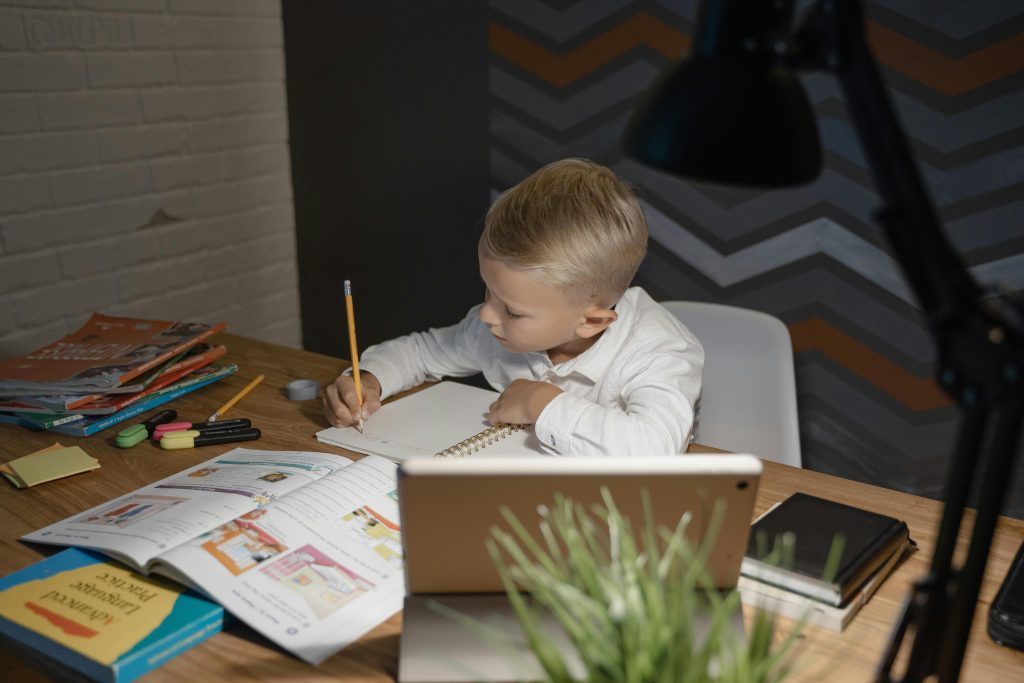
When families have to figure out what to do one thing after another in the evening, things frequently feel hectic. A steady order of events – a snack, then homework, dinner, cleaning up and bedtime – cuts down on all that deciding and establishes a much smoother flow. Kids will tend to be more agreeable when they know what is coming.
This is effective because it gets you out of constantly having to tell them what to do. The routine is the direction, and it means children can understand when things are changing without you needing to discuss it over and over.
Credit: Pexels
Prepare Key Tasks Earlier in the Day
When you put off lots of things you absolutely have to do until the evening, you’ll likely feel more stressed at that time. Getting things like schoolwork, clothes, or bits of the meal ready earlier in the day means you won’t have so much to do all at once when it’s getting late.
Those who really know about family routines point out that if chores and jobs are shared out during the day, evenings won’t seem to be rushing by. A little thing, for example, packing the school bag before the afternoon, can make a big difference to how much you are worrying.
Limit Overlapping Activities
When evenings are hectic, a lot of things are usually going on all at once. Think about doing your homework, getting dinner ready, and keeping track of everyone’s time on phones or tablets – all at the same time. It’s a recipe for things getting muddled and people getting on each other’s nerves. Families generally do better by doing one thing at a time.
If you don’t try to do everything together, kids can really concentrate on whatever they are doing, and then it gets finished more quickly and easily. You won’t have to tell them what to do over and over or correct their mistakes as often either.
Create a Predictable Wind-Down Period
The last bit of the evening is generally when things are most likely to go wrong. If kids don’t have a time to calm down, they’ll go from being very energetic to being in bed, and getting to sleep will be harder. A regular order of things – a bath, reading, then a peaceful period – lets them know the day is done.
Experts in sleep say that having a bedtime routine you do the same way each night means better, deeper sleep and less arguing about going to bed. Eventually, kids begin to link doing those particular things with being at rest.

Credit: Pexels
Consistency Often Matters More Than Perfection
Lots of families aim for perfect bedtime schedules, but those are often hard to actually keep going. What usually works better is a really straightforward routine you do all the time, instead of something complicated that only happens now and then. Kids really do best when they know what to expect, and that’s true even for a very simple routine.
As things are done the same way over and over, it slowly gets rid of a lot of the worry about what’s coming next, and evenings begin to feel easier to get through. With that steadiness, families can get the things that need doing done with less tension, and everyone will get along better.
Key Takeaway
Evenings feel frantic a lot of the time because one thing doesn’t flow easily into the next, you’re trying to do too much at once, and you end up deciding what to do at the very last minute. Families can have less stress by having a rhythm to things they can expect, getting things ready earlier while there’s more time, and not trying to do a bunch of things all at the same time. And a regular time to relax before bed makes getting everyone to sleep go much better. In lots of homes, doing things the same way repeatedly is what makes evenings calmer and easier to handle.