
How a Simple Evening Reset Can Make Family Life Feel Less Rushed
Lots of families feel like tomorrow’s troubles are beginning by the time today is over. Lunch hasn’t been made, important papers are lost, what everyone will wear is still a question, and the morning is already looking hard before it’s even happened. What’s behind this for a lot of families isn’t a lack of trying, but rather pushing too much to do into the most frantic time of the next day. Experts on family routines frequently suggest a straightforward answer: a quick evening tidy-up.
This tidy-up is a brief, repeated set of things to do, helping the house get ready for the following day before everyone is too busy to think. It doesn’t have to be lengthy or meticulously planned; it works because a few regular jobs are done at a more relaxed time. Families typically discover that this little habit makes mornings easier, arguments fewer, and makes everyone feel more in charge of things.
Why Evenings Affect the Next Morning So Strongly
Lots of us find mornings full of stress from being asked to do so much at once. Mum, Dad, or other grown-ups are looking for shoes, getting bags ready, making sure homework is in, and hunting down things that have gone astray, while the kids are still getting out of bed. If this goes on and on, the family can easily start to feel that mornings will always be a mess.
Actually, you can get rid of a lot of that stress by doing things beforehand. If you do more of the things needing to be done the evening before, there will be less to decide and do in the morning. That’s why spending a little time putting things in order at night can improve not only the evening itself, but how the entire next day feels.
A Reset Works Best When It Stays Short and Predictable
Lots of families think a helpful routine has to be really involved, but that isn’t true. A quick restart could be as easy as getting all the school things together in one spot, deciding what to wear, getting the table clear after dinner, looking at the calendar, and having water bottles and lunches sorted. It’s the doing it again and again that makes a routine successful, not how many steps are in it.
It’s easier to keep to brief routines on regular school days. If a restart is overly ambitious, families will likely just not do it. A smaller routine, done all the time, will generally help you more than a brilliant routine that hardly ever happens.
Credit: Pexels
Children Can Participate Without Carrying the Whole Routine
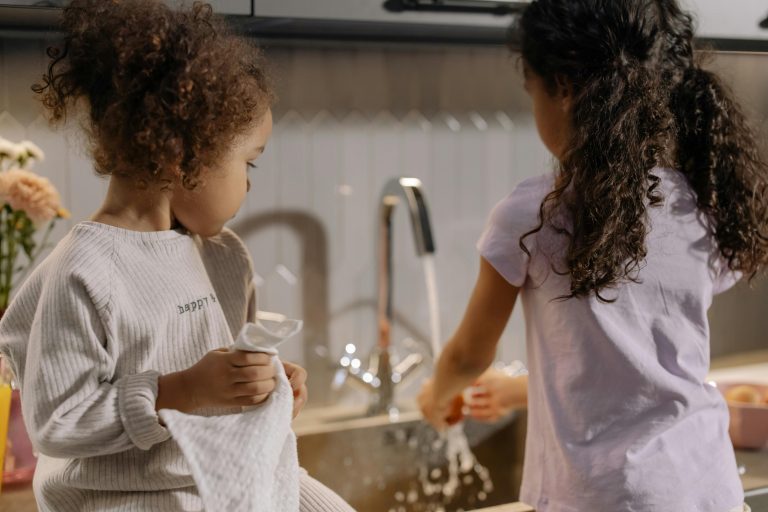
When you tidy up in the evening, it can improve things at home, and it’s a good chance for kids to pitch in with jobs suited to their age. Little ones might place their shoes at the door or select their outfit for the next day (with a little help). Teens can fill up water bottles, get their homework organized in folders, and make sure they have everything for school tomorrow.
This getting involved helps kids learn to be responsible, but it doesn’t mean they are the only ones who need to get everything done for the house to run smoothly. In fact, families do better when children help with the tidy but aren’t asked to do more than they are able to manage at their age.
Visual Cues Can Make the Routine Easier to Repeat
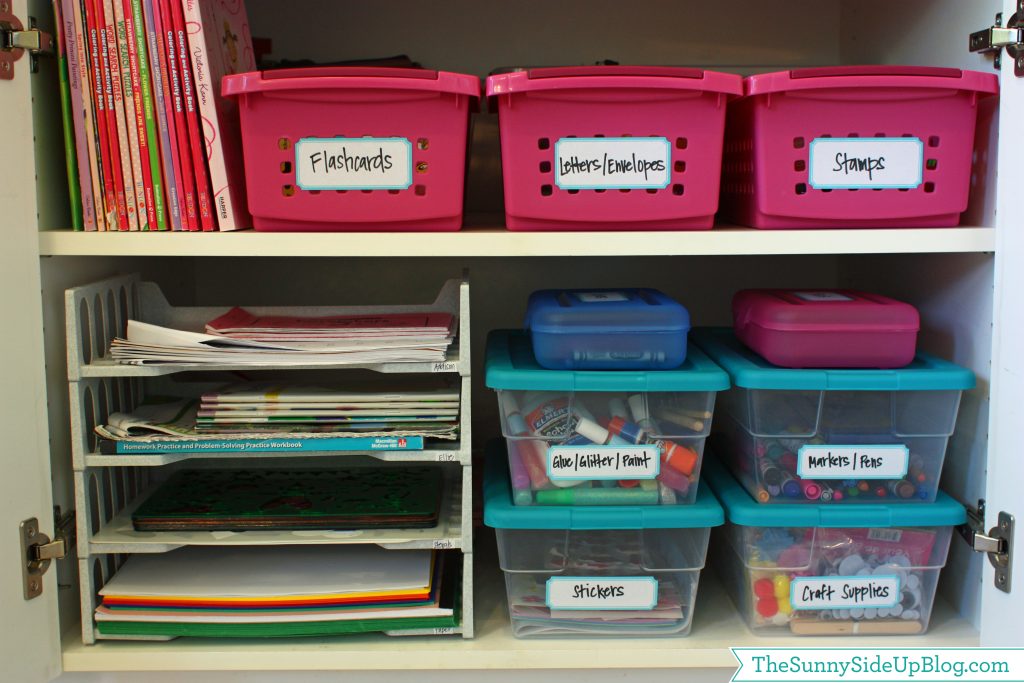
When everyone in the family is worn out, even things you do all the time can slip your mind. It’s often much more helpful to have things to see. A basket near the door, a list on the fridge, or a specific place to put lunchboxes are all ways to make remembering and doing what’s next with tidying up a little less of a struggle.
The reason these reminders are useful is that routines are easier to do again and again if your surroundings help you with them. You don’t have to depend on just remembering, if the way the house is arranged makes the following action really clear.
Evening Resets Can Lower Emotional Pressure Too
Resetting things isn’t just about getting stuff done. Getting organized in advance typically makes you feel a lot less stressed when you’re always having to deal with things at the very last minute. Kids will likely be more peaceful at bedtime knowing their school items are in a set place, and adults will be more relaxed as they won’t have so much to do first thing the next day.
This feeling of being more in control is a big part of why little, regular habits are so useful for families. They won’t stop all difficulties, but they do make it feel like your home isn’t perpetually scrambling to catch up.

Consistency Matters More Than Doing Everything
Families don’t ever get through their usual stuff without a hitch. Evening busyness, being tired, or plans changing are common things that get in the way of sticking to a routine. It’s generally more important to go back to the routine pretty regularly so it actually becomes a normal part of how things happen each day, than to finish absolutely everything on the list.
Doing a quick tidy-up at night makes family life feel less hectic, because getting things ready is done when everyone is more relaxed. And if you do that over and over, mornings become simpler, you have fewer arguments for no good reason, and the house finds a more consistent flow.
Key Takeaway
Doing a little bit of tidying and getting things ready in the evening can really make family mornings feel much less frantic. Basically, moving some important things from the morning to a more relaxed time of day is the trick. Shorter routines that you do over and over are generally more successful than complicated plans that are hard to keep up with. And if kids get involved with tasks suited to their ages, plus you have obvious reminders around the house for what to do, the routine will be easier to continue. Eventually, preparing at night will lower how much everyone is stressed about stuff and how anxious everyone feels at home.