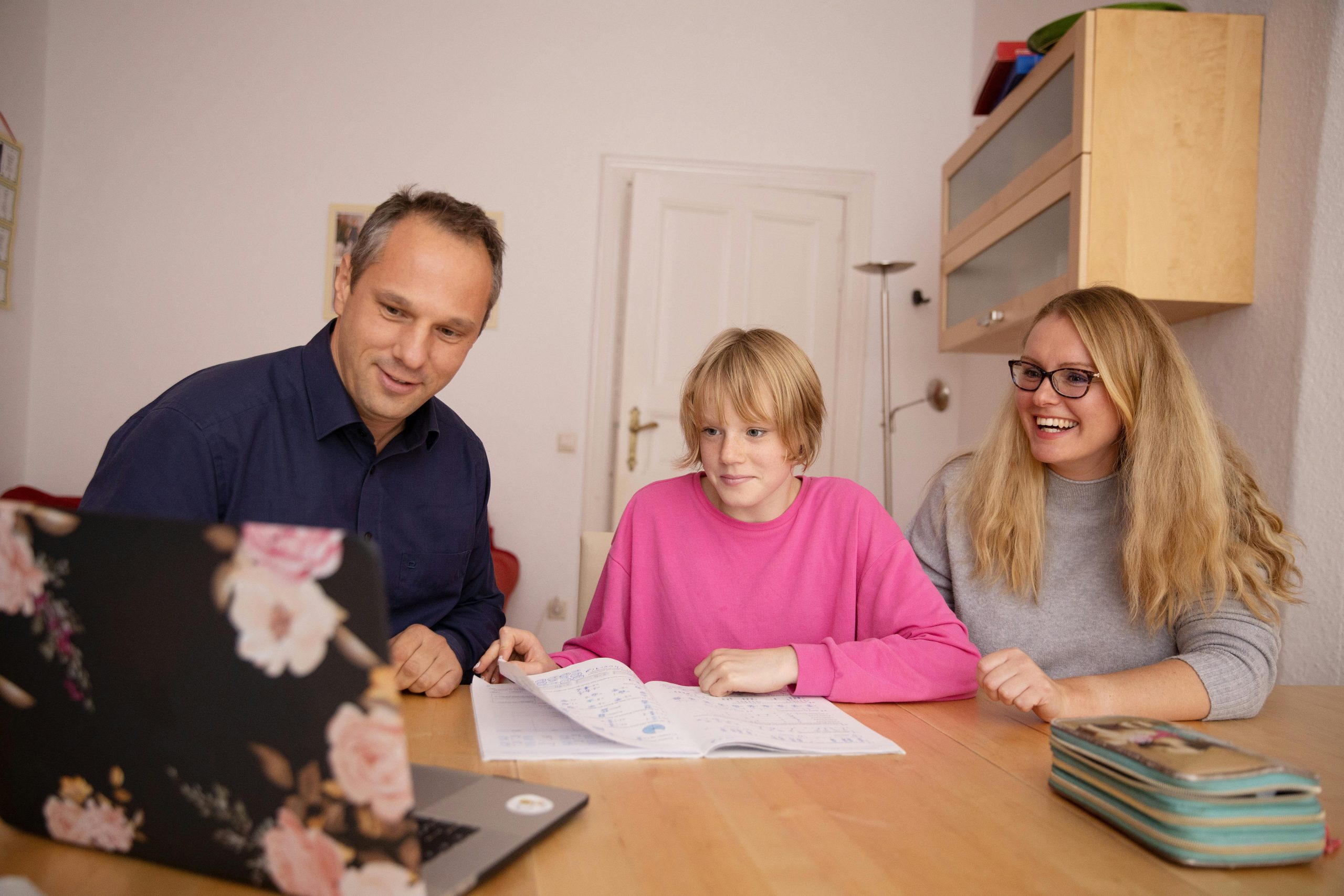
6 Home Habits That Can Support Learning Without Adding School Pressure
Most families would like to help their children with learning at home, but they don’t want every night to feel like school all over again. Experts in how children grow and are taught pretty much agree with this. Helping kids learn at home is most effective when it boosts how well they can focus, their language skills, their desire to find things out, and sticking to a schedule; it shouldn’t mean they’re under academic stress all the time. And usually, the things that help learning happen are simple and you can do them regularly, they aren’t complicated or rigid.
The American Academy of Pediatrics and the CDC both say that how a child develops is linked to the things they do every day: reading, talking, having routines, and playing. These are the things that give children the basics they need for school, without your house having to be school. This difference is important for families, as pushing too hard can actually destroy the enthusiasm and belief in themselves that learning relies on.
1. A Daily Reading Habit
Reading with your child is still one of the best things you can do to help them learn when they’re young. It’s how they get to know a lot of words, get good at listening, concentrate for longer, and understand how stories work and what printed words are all about. Doctors at the AAP (American Academy of Pediatrics) have for years said reading aloud is a great part of a child’s first years; it’s a way to learn language and to get closer to your child at the same time.
Families will generally find things go much better with reading as a part of their everyday life, not just once in a while. A quick read together each day builds a steady learning routine and doesn’t have to be like a chore.
2. Conversation During Ordinary Routines
Kids don’t just learn when sitting at the table doing worksheets. They develop their language skills, their ability to remember things, and how to think things through from chatting. When you talk with children during mealtimes, while you’re out doing things, as you tidy up, or during a walk, they get lots of chances to explain what they’ve done, ask what they’re wondering about, and learn new words.
Those who know about these things usually think this type of back and forth is really good for them – because learning to use language is very connected to speaking to people as it happens. For a lot of families, good conversations actually help children learn even better than extra practice on school subjects.
3. A Predictable Homework or Quiet Time Window
It’s usually good for kids to have a set time each day after school to read, go over what they did in class, or just do something peaceful and thoughtful. Doing this regularly helps them focus and get organised, and importantly, doesn’t mean your family needs a really long or strict studying timetable. The important thing is to do it consistently, not to make them feel stressed about it.
Kids are generally much happier with a routine that’s easy to understand and handle. Plus, knowing there’s a specific time for schoolwork lowers the panic at the very end of the day and stops homework becoming something everyone argues about every evening.

Credit: Pexels
4. Encouraging Questions Instead of Only Correct Answers
Kids learn best when they’re given the space to be inquisitive. Most of the time, families are most helpful by being happy to answer questions, looking for the answers with their children, and demonstrating that a good discussion doesn’t always have to end with a perfect answer right away. That way, children start to think of learning as something enjoyable, not just about how well they do.
And, in general, people who know about these things link curiosity to a lasting enthusiasm for things. When a house encourages questions, it builds children’s self-belief and makes them far more likely to investigate fresh concepts.
5. Play That Involves Problem-Solving
Even after the toddler years, playing is still a really good way for kids to learn. Things like board games, construction toys, make-believe, drawing, and basic puzzles all help with making plans, using language, remembering things, and being able to adapt to changing situations. Pediatricians at the AAP (American Academy of Pediatrics) have many times emphasized how valuable play is for a child’s normal and positive growth and education.
And that’s important – children usually pick things up most effectively when they are involved and doing things, not just being told over and over where they went wrong. Learning through play can get a child ready for school, but without turning the home into a never-ending series of lessons.
6. A Calm Environment Around Mistakes
It’s easy to forget, but how parents and caregivers react when a child makes a mistake is a hugely important part of how that child learns. If a child is always pushed to be right, they will likely become careful, or even fight against trying, or lose interest altogether. Responding to errors with a bit of calm can allow a child to continue trying and understand learning is how things are done. Most professionals agree feedback should be straightforward but not make a child feel bad. And when families view mistakes as a normal part of learning, kids will usually stick with harder things for a longer period.

Credit: Pexels
Why Home Learning Works Best When It Feels Sustainable
Most families don’t require anything elaborate. What they really benefit from are a handful of habits they can realistically keep up. Reading to each other, chatting, having peaceful daily patterns, playing games, and reacting to errors in a relaxed way all help kids learn in ways that fit comfortably into how the family already lives.
Children are much more likely to become confident and do well in school if their at-home routines encourage being inquisitive and being steady, rather than being pushed. And generally, that’s the sort of learning support families can manage for years and years.
Key Takeaway
Helping kids with school at home shouldn’t feel like more school causing stress. What learning really builds on, according to most specialists, is reading aloud, chatting with your child, having a regular, peaceful bit of downtime, encouraging them to question things, letting them play, and being relaxed when they get things wrong. These ways of living are things you can easily do again and again and they help children grow as they should. In lots of families, the things you do every day, easily, help a child learn much more effectively than difficult schoolwork schedules.
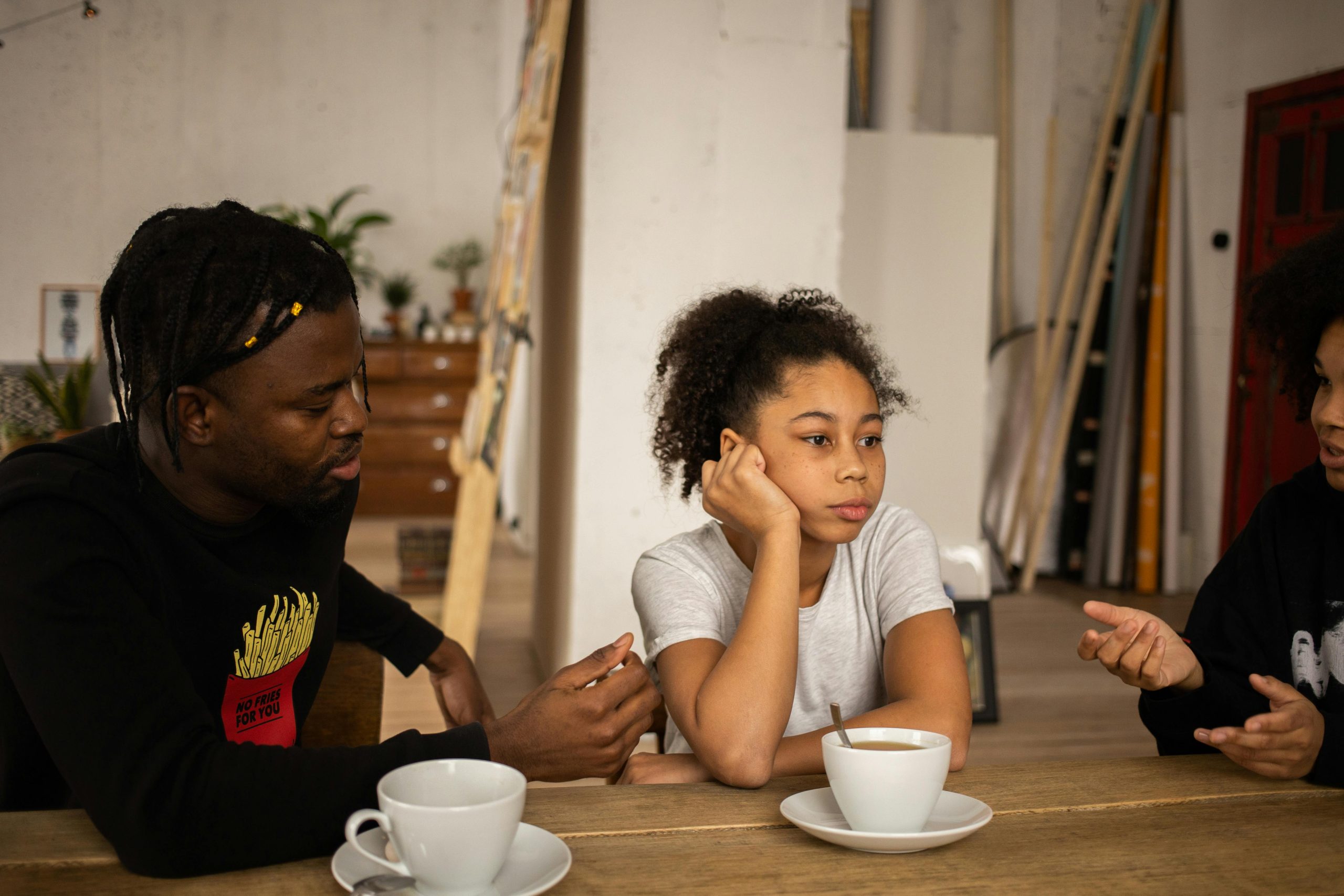
5 Discipline Myths That Can Make Family Conflict Harder to Manage
People often have very strong ideas about discipline when raising kids, and it’s easy to go to either extreme. You might be told kids need to be told what to do all the time, to do it right away, or to face really serious punishments to be respectful. However, the people who study how children grow and change usually have a more sensible outlook. Disciplining well isn’t so much about being in charge, but about showing children how they should act and helping them learn to do that over time.
The American Academy of Pediatrics says that discipline that works actually helps kids develop healthily and lowers aggression, and arguments within the family. The Centers for Disease Control and Prevention also suggests ways of being a parent that are positive, using boundaries, encouragement, and responding the same way each time. These viewpoints go against many common (and not very useful) beliefs about discipline, beliefs that unfortunately still affect how a lot of families live.
Myth 1: Good Discipline Means Immediate Obedience Every Time
When we have certain ideas about how children should be, typical steps in growing up can seem like something is going wrong. Little kids are still developing the ability to stop themselves doing something, manage their feelings, and deal with being annoyed. So, a child not doing as you ask isn’t necessarily being deliberately difficult. It’s possible it’s because of how far they’ve progressed in their development, if they’re stressed, if they’re tired, or if they find it hard to move from one activity to another.
Most professionals who work with children don’t prioritize immediate obedience. Instead they are more interested in whether a child is gradually learning what’s expected of them. Repeating yourself, being consistent in your approach, and gently pointing out what to do are often far more effective than seeing every time they are slow to respond as a battle of wills.
Myth 2: Discipline Works Best When Adults React Strongly
Lots of families think that being really emotional will make their discipline work better, but professionals generally don’t see it that way. If an adult gets very upset, kids are much more likely to pay attention to how angry the adult is and not to what they are being told. And that can make things worse, with kids being more afraid, things getting out of hand or turning into a fight for control, instead of actually improving their behaviour.
The American Academy of Pediatrics’ advice on discipline is usually to be calm and respond in the same way each time. Kids understand and learn from things much better when they know exactly what’s expected and when those expectations won’t change. Serious misbehaviour isn’t overlooked by this at all, it just means dealing with it in a way that is instructive, rather than making the situation even more heated.

Credit: Pexels
Myth 3: Praise Spoils Children
A lot of adults think complimenting kids too much will make it harder to get them to behave, but people who know about raising children generally have a different view of empty compliments and being specifically told what was good about what they did. In fact, the CDC (Centers for Disease Control and Prevention) says when you’re talking to your kids about their behaviour, you should be sure to actually see the good things and say what they are. This way children learn what they did that was good and are more likely to do it again.
Saying something like “You put your shoes away immediately when I asked” is a lot more helpful than simply saying “good job”. This type of specific praise actually helps with discipline as it makes certain behaviours the family is trying to encourage, stronger.
Myth 4: The Same Discipline Method Works for Every Child
Kids are all different – in how old they are, what their personalities are like, how well they use words, how easily they’re bothered by things, and where they are in growing up. What gets one child to do something won’t necessarily work for their brother or sister. Most people who understand children suggest families should have the same core beliefs and what they want from their kids, but change the way they explain things and react depending on each child’s specific needs.
Doing this isn’t treating anyone unfairly. It’s simply understanding that kids all take being told when they’re wrong in their own way. And, families get along better with arguments when they get away from the idea that a single solution will be exactly the same for all of their children.
Myth 5: Discipline Is Only About Stopping Bad Behavior
A really common and unhelpful belief is that discipline is just for stopping children from doing wrong. However, people who really know about raising kids say discipline is also about showing children new ways to do things – things like asking for assistance, being patient for your time, being polite in how you talk, or getting control of yourself before you do something. If you don’t include this part of teaching them, a telling-off might halt the bad behaviour for a moment but won’t give them a good choice to do instead.
The American Academy of Pediatrics’ wider advice for parents shows this focus on teaching. Kids require adults to explain, demonstrate, go over again, and emphasize how good behaviour looks in everyday life. Because of this, discipline is most effective as a continuing method, not a bunch of separate punishments.

Credit: Pexels
Why Better Discipline Usually Looks Less Dramatic
Discipline that really works is usually pretty calm, not as loud as many families imagine. It’s built around things like everyday schedules, being very specific with what you’re praising, saying the same boundaries over and over, and correcting behavior in a solid way, though without getting overly upset. This isn’t as showy as just reacting to things, but people who know about kids (and how they grow) usually think it actually works better in the long run.
Arguments in families get trickier to handle if punishments are based on what people think should happen, and not on how children actually develop. Lots of normal daily battles become much easier to deal with when adults move away from simply trying to be in charge and start to respond to things as if they are teaching opportunities.
Key Takeaway
When we believe untrue things about discipline, arguments in the family can get worse as both kids and grown-ups start to expect too much of each other. Specialists at this point usually suggest being steady and relaxed when you’re teaching, being very clear when you say what a child did well, and expecting things of them that fit their age. Instead of getting really angry, that’s what they advise. Discipline is at its best if it shows children how they should behave, as opposed to just what they shouldn’t. With time, doing things this way will likely lower the number of disagreements and improve how everyone in the family talks to each other.
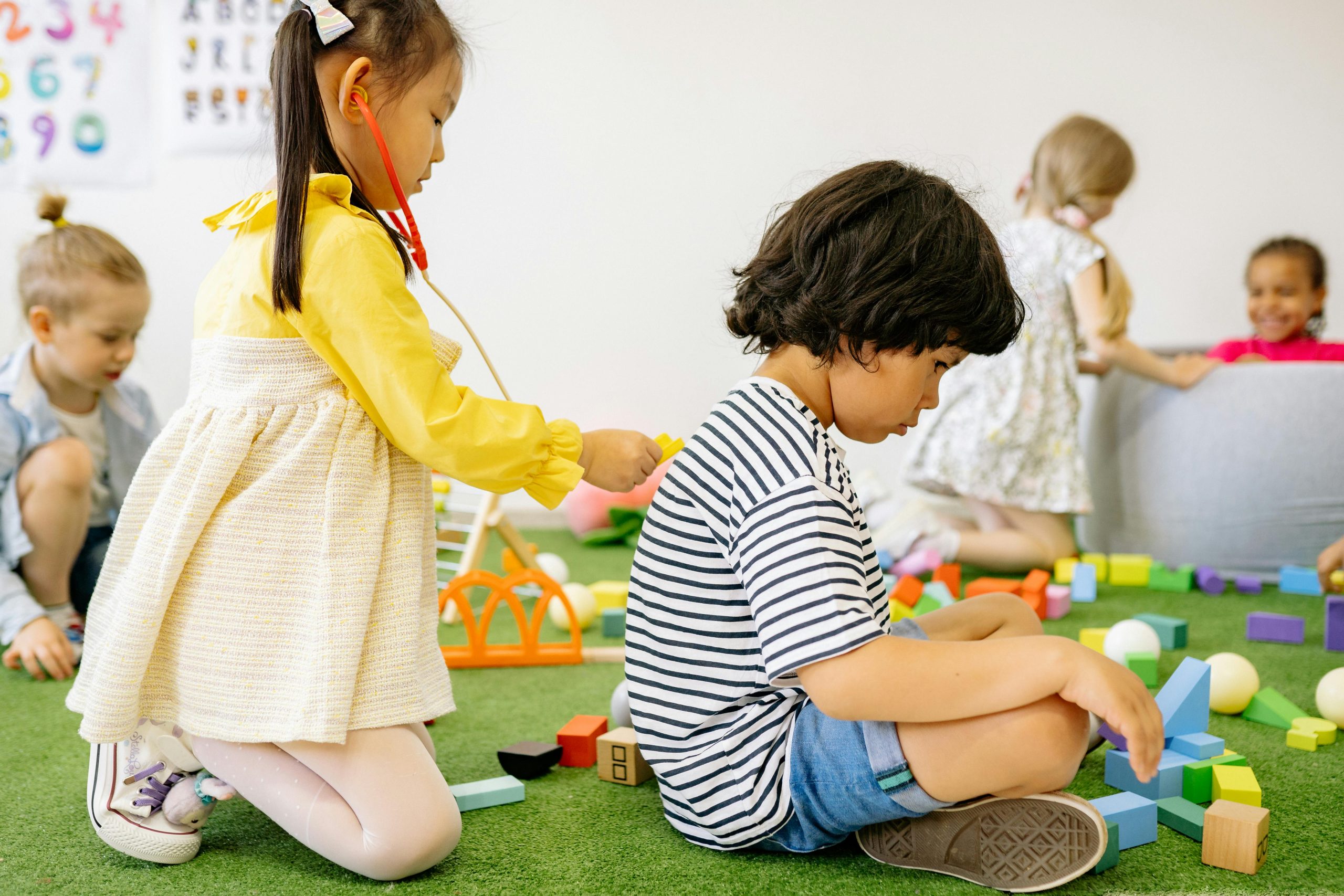
What Preschool Social Skills Often Develop Before Kindergarten Starts
People usually concentrate on academic skills when getting their kids ready for kindergarten, but experts in how children grow say social skills are just as important for those first years at school. Lots of kids are still figuring out things like sharing, being part of a group and its schedule, dealing with being annoyed, getting into games others are playing, and asking teachers or other adults for assistance when kindergarten starts. These aren’t things a child learns quickly from being told once, but develop slowly with a lot of being with other people.
The CDC (Centers for Disease Control and Prevention) considers how a child behaves in social situations, their ability to play, and emotional growth to be normal stages in their development. And the American Academy of Pediatrics believes being ready for school is about a child’s overall development, not simply a list of what they can do in a school subject. So for parents, social skills at preschool should be seen as a normal and healthy part of growing up, not something you can postpone until they get to school.
Taking Turns Is a Learned Skill, Not an Instant Habit
It’s very typical for little kids to have a hard time with waiting their turn, sharing their things, or being told what to do in a game by another child. During preschool, they’re still learning to control themselves and to understand what other people are thinking or feeling. So, a child might know that they should take turns if they are calm, but when they’re really emotional, it’s much harder.
Those who study child development usually look for improvement, not flawless behavior. If a child can start to stop and think, manage to wait for a little while, or listen to an adult helping them during playtime, they are forming a really important basis for being social. These first steps are the habits that will later help them to be part of things in the classroom.
Joining Group Routines Matters in Early School Settings
In kindergarten, kids are expected to take part in doing things together – standing in line, tidying up, and listening as a class. Social skills in preschool frequently involve learning to do these same things. They might get their first go at these skills at daycare, in a playgroup, at family get-togethers, or with planned activities at home.
It’s not about being perfect at working with others all the time. What’s more important is slowly getting used to the fact that things start, happen, then finish, and that grown-ups will lead a whole group instead of only one child. This type of being organized as a group is simpler to deal with if children have had a lot of practice with it in relaxed situations.

Credit: Pexels
Children Also Learn How to Read Social Cues
Young children are figuring out what faces, how people sound, and what other kids do mean. Understanding these social things is a big part of how little ones grow, and it affects how they act when they’re playing, arguing, or with the teacher and other children at school. If a child begins to realize when another kid is sad, or when a grown-up wants them to be paying attention, they are learning really useful ways to get along.
This learning doesn’t usually happen all at once. Some kids are happy to rush in and be with everyone but don’t pick up on hints. Others are good at noticing things, yet are slower to be involved. People who study children understand they’ll be different in many ways, but they will still be watching to see if a child is becoming more aware of what others are feeling or what they are hoping for.
Asking for Help Is Part of Social Readiness
Lots of families want their kids to be self-sufficient, but becoming social as a young child also means figuring out when to ask for help. A five-year-old starting school might need someone to open something for them, to explain what they’re supposed to do, or to help them with a difficulty with another child. And being able to go to an adult and say what’s wrong is a big step in learning how to get along with others.
Children commonly develop this ability when grown-ups react to their questions without overreacting and help them use easy words to talk about solving their problems at home. “Can you help me?” or “I need a go” are phrases a child can have ready for socializing well before they ever start at school.
Play Remains One of the Best Teachers of Social Growth
The American Academy of Pediatrics has frequently told us how important play is for a child’s development. When children are pretending, doing things together, or even having little squabbles, they are learning to compromise, to go with the flow, to use their imaginations, and to bounce back from setbacks. Although these situations seem normal, they are really building a lot of what a child will need when they’re at school.
Play is useful because it gives kids a chance to be social, but it doesn’t feel like being taught. They have to deal with rules, with what other people think, with boundaries and with each other, and they have to do it as it happens. This going-over and over of social situations is how their social abilities improve and in a way that being told by an adult very often won’t.
Credit: Pexels
Progress Looks Different From Child to Child
Kids at preschool are all different in how comfortable they are around others. Some happily chat and immediately get into playing with a group, but other children are more careful, don’t say a lot, or take a little longer to get used to being with people. And professionals don’t anticipate all preschoolers being exactly alike. What they’re more concerned with is if a child is gradually becoming more involved in social situations, getting over being upset, and learning to communicate in a basic way.
The social skills for preschool are built up during normal daily life, by doing things over and over, and during play when someone is there to help. These skills are usually as important as starting to learn reading and numbers, since they’re how children actually become a part of their classroom.
Key Takeaway
When kids are in preschool, their social skills are about things like sharing, being part of what the whole class is doing, understanding how other people are feeling or what they want, being able to say when they need assistance, and of course, learning while they play. Most people who know about child development think of these skills as being completely tied to whether a child is prepared for kindergarten, not something separate from reading and math. They grow slowly as children are with others regularly and grown ups help them along. How much a child gets involved in social situations and gets better at it, is often more important than being perfectly polite all the time.

How Families Can Create Healthier Device Rules That Actually Last
Lots of families create rules about using phones, tablets and things like that with the aim of doing good, but after only a little while, these rules are hard to actually get everyone to follow. Screens are now used for school, to talk to people, for fun and just how things happen each day, so banning them completely isn’t something people can easily manage for long. Doctors who look after children mostly say a far more sensible plan is to have rules about devices that are easy to understand, that are applied in the same way all the time, and are actually possible to manage within the family’s life.
The American Academy of Pediatrics says families should make a plan for media use that suits how they live, what they normally do and what they think is important. This is in line with what most experts believe, which is that families are better off having a sensible framework than being anxious or extremely strict.
Start by Deciding What Screens Should Not Interrupt
It’s a lot more effective to start with what’s important to your family, rather than with what the kids aren’t allowed to do with their devices when you’re trying to establish healthier rules for them. Families usually get better results if they first think about what needs to be given priority – things like bedtime, dinner, schoolwork, playing outside, and actually talking to each other. After you’ve clarified those important areas, it’s much simpler to work out and enforce rules about screens.
This way of doing things helps kids see that phones, tablets, and computers aren’t the whole point of being a family. Instead of family life revolving around screens, screen time fits into the schedule of things you value. Those who study this sort of thing generally prefer this system, as it connects rules about devices to being healthy and the way your family operates, rather than having arguments about technology be the only source of problems.
Use Clear Limits Instead of Constant Negotiation
Rules about phones and tablets (or anything similar) often fail when you have to argue about it all the time at the moment. If you’re stuck in a nightly discussion about one more video, one more level of the game, the rule isn’t going to last. Kids do much better with simple, straightforward limits that you say the same way each time, for example, no devices at dinner, no screens past a certain time, and finishing homework before watching something or playing.
The American Academy of Pediatrics’ suggestions for families with media use are about having clear lines for how much time, what you’re looking at, and where you are when you’re using it. It’s simpler for everyone to understand the rules when they are detailed enough to be said over and over, and this also stops parents from having to think up a decision on the fly when they are already tired or not paying full attention.

Credit: Pexels
Bedrooms and Bedtime Usually Need Stronger Boundaries
Kids’ sleep is really commonly disrupted by using phones, tablets, and so on. HealthyChildren recommends no screens in the bedroom and getting everything switched off before bed. This is because of proof that screens mess with a child’s usual way of getting to sleep, push bedtime later and make it harder for them to relax.
For a family, it’s generally simpler to enforce bedtime if devices are charged somewhere not in bedrooms, and if screen time always finishes at a set time in the evening. This means less arguing at the very end of the day, and it’s less likely screens will be part of what happens as they’re trying to sleep. As a matter of fact, setting limits on screens in bedrooms often helps the whole family be happier than lots of other rules about devices.
Parents Often Need House Rules, Not Child-Only Rules
Kids are pretty fast to realize if the rules about phones and tablets are just for them. Families generally do better if they make house rules about devices that everybody can see are happening. For instance, mealtimes with no screens, phone charging in the kitchen or living room, or periods where mums and dads put their devices away too.
Family communication specialists often say that what adults do is important. If adults do some of the same things as the rules ask of the children, the kids are much more inclined to think of the device rules as simply how the family operates, and not just something done to them. It doesn’t mean everyone of all ages has the exact same rules, but things being visibly consistent is usually important.
Better Device Rules Work Best With Replacement Activities
Arguments about screen time get worse if a child or teen just has a device taken away and is left without anything else to do. Families usually find it’s helpful to have other things planned: going to play outside, reading, board games, drawing, listening to music, or a regular family time that happens when the screen goes off. This is particularly true for smaller children, since they have a harder time with sudden changes.
Most people who study kids agree with this idea. Kids tend to cope with screen time limits better when those limits are along with a plan for what to do instead. If you just replace screens with boredom and fighting, the rules for limiting screen time will be much harder to keep. But if you swap the screen for something they are expecting to do, it’s a lot easier to move from one to the other.

Credit: Pexels
Consistency Usually Matters More Than Strictness
Rules about devices that work best are usually not the strictest. Instead, they’re the ones a family can really keep doing week after week. A sensible plan that looks after sleep, schoolwork, being active, and spending time with each other is generally a lot more helpful than a very strict rule that falls apart after only a few days.
And you build healthier boundaries for device use by doing things over and over, not with one big change. When families have expectations that are easy to understand, in plain sight, and achievable, they have a better chance of forming media habits which will continue to be used.
Key Takeaway
When you set up reasonable device guidelines, they’re more likely to stay in place if everyone understands them, they’re something you can actually do, and they relate to what’s important to your family. Most of the people who know about this sort of thing say to first focus on making sure everyone gets enough sleep, eats together, gets school work done, is active, and spends time with each other; then figure out where screens fit into everything. And rules about where and when devices are used in bedrooms and at bedtime are particularly vital. For the majority of families, having rules you enforce regularly, with other things for people to do instead of screens, is a lot more effective than really strict limits that are hard to keep going.
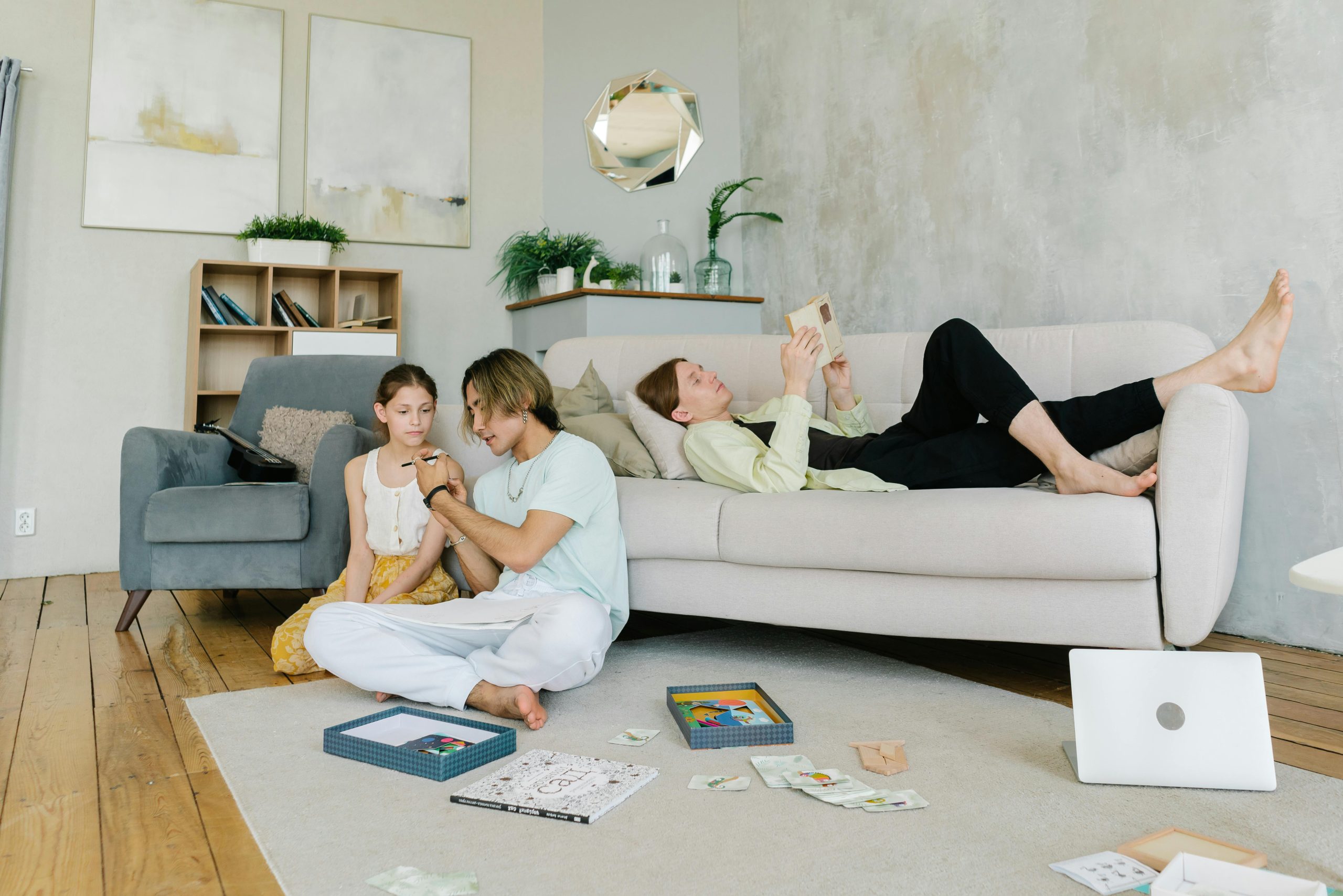
Why Simple Family Traditions Can Matter More Than Families Expect
People usually think of family traditions as being for holidays or big events, but experts in how children grow say they’re really much wider in scope. Little things that you do over and over, for example, pizza on Friday, a walk during the weekend, a special breakfast for birthdays, or a story at bedtime, are important for how a family sees itself and for making kids feel safe. These traditions don’t have to be complicated to be valuable. For many families, what makes them important is that they happen again and again, you know they will happen, and they mean something to everyone.
Psychological research and advice about families have for a long time indicated that habits and rituals help children to be okay, by giving them a feeling of steadiness. The American Psychological Association says family rituals are repeated activities which make families closer and more able to bounce back from difficulties, particularly when things are stressful or changing. Basically, traditions show children that some times, habits and people will always be there for them. That feeling of things staying the same is especially helpful in busy families where plans change quickly, and parents have to divide their time and attention.
Traditions Help Children Understand Family Identity
Family traditions really help kids get a sense of what this family is all about. Things like a regular pancake breakfast, a first-day-of-school picture every year, or a stroll after dinner might not be a big deal in themselves, but they start to mean a lot to a child as time goes by. They’ll tie those happenings to feeling safe, like they’re part of things, and at home.
Many people who study kids say they do well with doing the same things over and over so the family can build a story together. Traditions are that story, they show children how their family works and connects with each other. And at an age when children are trying to figure out who they are and feel secure at home, this is particularly valuable.
Rituals Can Support Stability During Busy or Stressful Times
Family traditions become much more valuable when things are hard, not when they’re going well. When kids are starting a new school, have a lot of changes in their schedule, are moving to a new home, or are just going through a difficult emotional time, things they do as a family regularly can be a source of stability. A quick thing you do every week, or a meal you always eat together, can show children that at least some of how the family does things will stay the same, even if everything else is different.
The American Psychological Association’s explanation of family routines and rituals shows this calming effect plainly. When families do the same things over and over, it makes uncertainty smaller and helps children to feel more secure. These traditions won’t get rid of the stress, of course, but they can make it so it doesn’t feel like absolutely everything is transforming all at once.

Credit: Pexels
Small Traditions Often Work Better Than Complicated Plans
People in families often think traditions need to be really special, involve a lot of money or create lasting memories to be worthwhile. Yet professionals in this area usually find that what’s truly valuable are things you do easily and over and over. Going to the library each week, having a movie night, cleaning on Sunday with music, or taking a walk when the seasons change are all things that gain significance from being done regularly, not from being spectacular.
And those uncomplicated traditions are the ones that generally stick around. If a tradition isn’t difficult to keep going, it will likely get through packed school schedules, changes in how much money you have, and the ways your family’s needs evolve. This means kids are far more likely to appreciate the warm feelings of doing the same thing frequently, instead of being disappointed by a tradition that shows up once and is then dropped.
Traditions Support Communication Without Forcing It
Lots of kids don’t readily share their feelings when you directly ask them to. Family traditions offer a relaxed way to bond, and they don’t require a child to suddenly be emotionally revealing. A child is likely to say a lot more during a car journey for ice cream, at bedtime, or on a walk in the park than in a proper, face to face conversation.
And this is important. Families usually become closer during everyday moments, not big, special occasions. Traditions give lots of chances to talk and to get a sense of what is going on for your child, and grown ups can pick up on changes in how they are feeling, worries about school, or new things they enjoy, just by being with them often during something they do all the time.
Children Remember the Feeling of Traditions
What families usually think about when making traditions is which tradition to start. But kids are much more likely to recall the way the tradition felt: was it peaceful, something they could rely on, cozy? Did they feel like they were a part of things? And did it happen enough to just be how things are in their family? It’s those kinds of things that people generally remember.
Family experts say children don’t require being busily amused all the time to form strong memories. What they really need is to be noticed repeatedly, to feel like they fit in, and to do things together that mean something to everyone. Traditions are a fairly easy way to offer these kinds of times.

Credit: Pexels
How Families Can Start Traditions Without Pressure
Good traditions generally start with things your family already does regularly. It’s more helpful for most families to pick one thing they do all the time and make sure it stays special, rather than starting a big complicated new thing. Perhaps you have Saturday morning breakfast, a walk in the countryside each month, or reading a beloved book together every Sunday night.
Traditions don’t have to be flawless to be important. What makes them valuable is doing them all the time, really being present with each other during them, and the feelings they bring up. A little tradition, given enough time, can easily turn into something you can absolutely count on in your family’s life.
Key Takeaway
When kids have easy, regular family happenings, it helps them feel like they are a family, feel secure, and feel close to each other. Most people who study these things say doing the same things over and over is good for families, because it makes life more predictable and makes a family’s sense of who they are get stronger as time goes on. These traditions don’t have to cost a lot of money, or be complicated to be important. Actually, the traditions families cherish the most are often the ones they can do again and again without much trouble.
How Reading Routines at Home Can Support Early Learning
Lots of people think doing reading as a habit at home helps kids do well in school, but it’s about a lot more than just learning to read and write. Reading with your child boosts their word knowledge, their ability to listen, how long they can focus, a closer emotional bond, and a feeling for how stories go and how language works. A normal family reading time is a really useful and easy way to help little ones learn in their early years, without making the home feel like a school.
The Centers for Disease Control and the American Academy of Pediatrics’ advice on how kids grow always says that language skills grow with normal daily interaction, like talking, singing, and reading. And the American Academy of Pediatrics has for a long time said that reading aloud is good for making a stronger bond with your child while also helping their brain and language develop. This is important as children aren’t learning from books by themselves; they learn about books with a grown-up who responds to them.
Why Reading Routines Matter Before Formal Schooling
Kids start getting ready to read much earlier than when they begin school. They learn the basics of language by being spoken to, by having stories read to them, by being inquisitive and by discovering that the words on a page mean something. A regular time for reading makes these things happen all the time, not just now and then.
And experts frequently point out that these reading sessions don’t need to be lengthy to do a lot of good. Just a little bit of reading each day can help children get used to books, to paying attention, to having a turn speaking and to having a chat. It’s important to do it more than once, because this makes reading a typical, cozy part of how your family is together, not just a job they do to satisfy school.
Shared Reading Supports Language and Attention
When grown-ups read to kids, they effortlessly introduce them to new words, ways of building sentences, and how people chat. This is particularly helpful when children are very young, because their language skills are increasing so quickly. It’s not just about hearing the words themselves, but hearing them within a story.
Reading together also encourages children to concentrate. Being with a book, being led through a story, looking at the pictures, and replying to easy questions all help them to practice being focused. And building this kind of attention, particularly when a story is read repeatedly and in a peaceful, expected fashion, will make it easier to be prepared for a classroom.

Credit: RDNE Stock project / Pexels
How Reading Builds Connection as Well as Skills
Experts really like reading routines because they help kids learn and get closer to the people they love. When a child is with a mom or dad, asking about the story, showing where things are in the pictures, and listening to a voice they know, they’re also feeling cozy, knowing what to expect, and having the adult’s full focus.
The American Academy of Pediatrics (AAP) often says these times tie into good growth and development, as a child’s early learning is very much based on their relationships. Kids are far more likely to pay attention if reading feels like a conversation and they feel emotionally secure, and in fact, what you talk about because of the book can be as important as the actual text.
What Makes a Home Reading Routine More Effective
You don’t need lots of books or a long time at night to make reading valuable for your family. At a lot of homes, reading habits that become a normal part of each day are what work best. You could read at bedtime, after you’ve eaten, or during a peaceful time in the morning.
When adults are reading with children, most experts suggest making it a back and forth thing. This means pointing to things in the pictures, asking your child what they see, briefly explaining words they don’t know, or having your child say back what’s happened in the story. Little bits of this kind of talking with your child will help them get from just hearing the story to being a part of it.
Why Consistency Matters More Than Complexity
Lots of families think they have to do proper lessons or fit reading into a really strict timetable to help their kids with it at home. But generally, doing a little bit of reading regularly is much more helpful than trying for long periods of reading now and then which are hard to keep going. A ten minutes of reading you do every day, for example, will probably help a child grow and learn more than if you have a long reading session sometimes.
This idea is what HealthyChildren recommend for all family habits – children thrive when what happens is something they can rely on and deal with. When reading is part of this pattern, children will find it easier to look forward to, have fun with, and improve at over time.
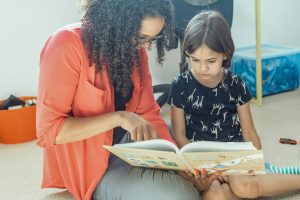
Credit: Pexels
How Families Can Keep Reading Realistic
It’s much easier to keep up with a reading time if you don’t get hung up on how it ‘should’ go. A toddler who is full of energy might only sit for a couple of pages, a preschooler will happily hear the very same story over and over, and a slightly older child could like to read some, then you read some. These things aren’t showing the reading time isn’t working, in fact, they’re very common as children learn.
Families have a better time with reading when it’s something you do to enjoy rather than to show off. You aren’t aiming to show how clever your child is being at reading every evening, you’re working towards getting them used to books, words, and concentrating on the book with you, and this is a relationship with reading that will improve as they get older.
Reading at home helps young children learn because of the mix of saying things again, using language, and being close to someone.
Key Takeaway
When you read with young children at home, you’re helping them learn – specifically, you’re increasing the words they know, their ability to focus, how well they listen, and their bond with you. Most people who know about this stuff suggest reading with your child regularly and talking about the book, instead of making it a really formal, school-type activity. Even if you just read for a little bit each day, it really helps their growth, as long as it happens at the same time and your child likes it. And as this reading becomes a normal thing, both their reading skills and how close you are to each other will get stronger.
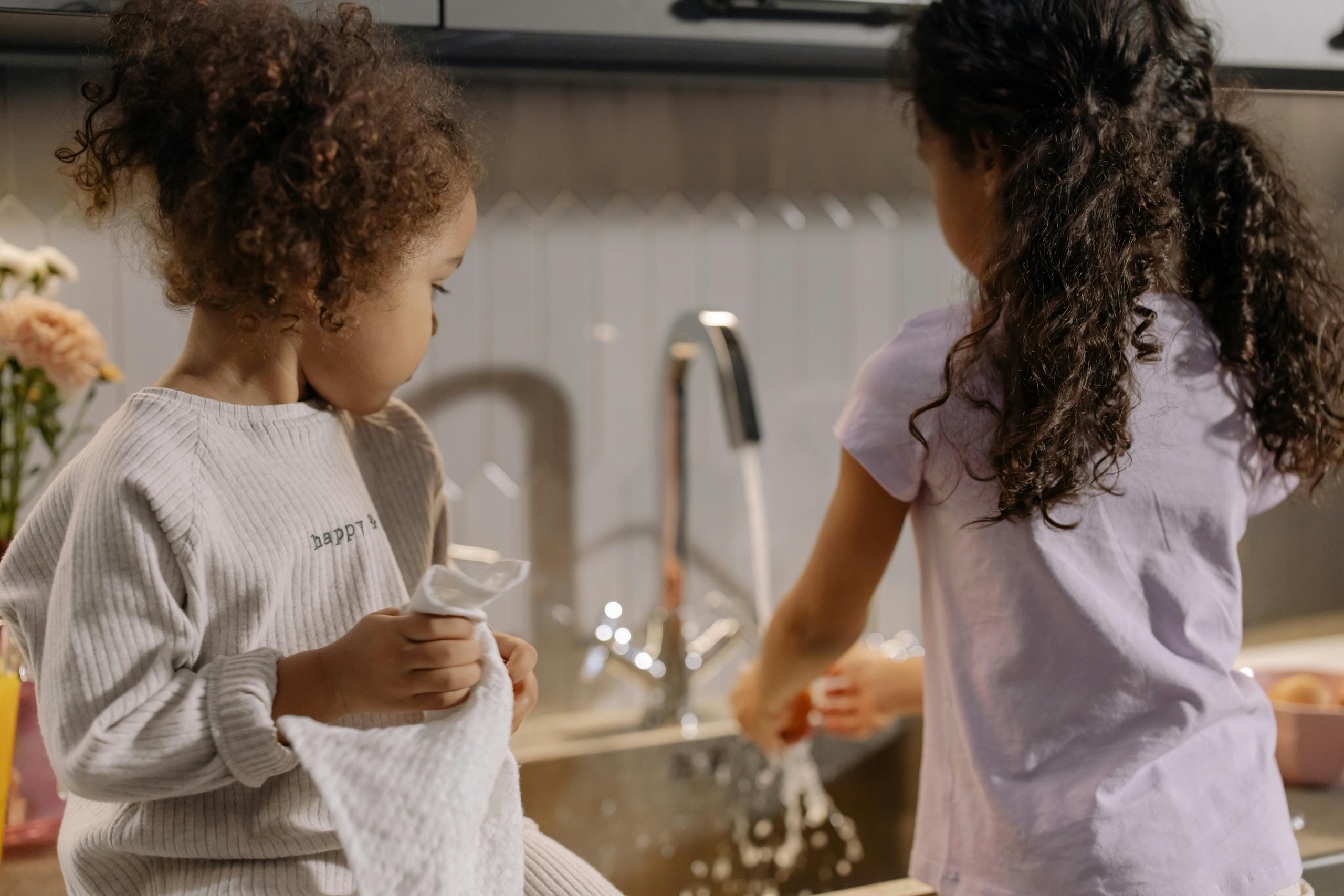
7 Ways Age-Appropriate Chores Can Help Children Build Responsibility
Most of the time we think of chores as something kids should do because they’re told to, or because it’s just easier if they do, but people who study how kids grow and learn look at it in a wider way. Being given jobs around the house that they can do for their age allows children to feel capable, to get into a regular pattern, and to feel as though they are part of the family. If the tasks are suited to their current level of development, they’ll help a child improve, and not create endless arguments about doing things at home.
HealthyChildren, which is the American Academy of Pediatrics’ website for parent information, says chores and responsibilities are a key part of a child growing up and give them skills they’ll use throughout their lives. And, according to new advice from HealthyChildren about emotional health, chores are a good way to encourage responsibility, a sense of being included, and self-assurance. So for a family, chores are much more than simply getting the housework done; they’re how children learn to be involved and to be accountable for what they do.
1. Chores Help Children See Themselves as Contributors
When kids do chores, they begin to think of themselves as being a part of the family and all that happens at home, not just as people who are looked after. Even little things like tidying up toys, taking the laundry, or getting the table ready clearly show that the family needs everyone to pitch in to make things run.
Lots of people who study children say that helping out makes kids feel more like they are the family. Children who consistently do reasonable tasks are more inclined to realize their efforts are important within the family. And if they feel that way, chores start to feel less like something they are made to do and more like something everyone is responsible for doing together.
2. Responsibility Builds Through Repetition, Not Lectures
Kids usually get to be responsible by doing things over and over, not from just being told to grow up. If they do a similar task frequently, it just becomes a normal part of how the family operates. This repeating is important; it creates a habit and stops kids from feeling like they only get chores when mom or dad are annoyed.
The chore advice from HealthyChildren, which is based on a child’s age, shows this is how development works. Children thrive with tasks that are easy, happen often, and change as they get older, as opposed to having everything dumped on them at once and being expected to handle it.
3. Chores Can Build Practical Life Skills
Chores aren’t just about getting kids to do what you say. They actually give children a chance to learn to do things in order, finish what they start, be tidy, and look after areas everyone uses. When kids get a little older, into their teens, they can also develop planning abilities, get things done once they’ve planned them, and understand how their own work affects how the whole house runs.
The American Academy of Pediatrics specifically says chores for teenagers build skills they’ll use in life and help them with being part of a team. This is important because it changes why you ask them to do chores. Instead of just making things easier for you right now, the point is to help them become capable for the future.

Credit: Pexels
4. Age-Appropriate Tasks Help Children Feel Capable
Kids do better with chores if the chore is right for their age. For instance, a child in preschool will generally be able to put toys away or set the napkin out at the table more easily than do a big cleaning job. Children as they get older might be ready to sort the washing, get their room tidy or look after a pet regularly, though they’ll need someone to check on them.
Most people who know about these things advise against giving kids chores that are too hard and that they’ll fail at over and over. Children gain confidence when they can finish something pretty well and slowly do more complicated things after that.
5. Chore Routines Can Reduce Conflict
It’s surprisingly rare for arguments about housework to be about the actual cleaning or tidying. Instead, they usually happen because things are done in a haphazard way, because nobody has said exactly what they want, or because someone is asked to do something at the very last moment. Chores are much smoother when they are a part of what happens every day or each week – like washing up after eating, or getting the lounge and hallway neat before going to sleep.
If kids know what’s going to happen, they won’t feel like doing chores is some kind of unexpected penalty. And HealthyChildren’s advice about family routines backs this up; children thrive in a family life that is steady, you know what to expect, and happens in the same way fairly often.
6. Praise Works Better Than Constant Criticism
Kids as they learn to be responsible will probably need to be told when they’ve done something wrong. However, people who know about raising children say it’s really important to give them definite, positive comments. The Centers for Disease Control and Prevention (CDC) materials on talking with your kids suggest when they are good, you should tell them exactly what they did that was good so they get it.
And this applies to doing chores as well. Saying “You put all the books back on the shelf” will likely do a lot more good than just general ‘good job’s’ or endlessly pointing out what’s incorrect. This kind of specific compliment allows children to understand the link between what they do and what happens as a result.
7. Chores Work Best When Families Focus on Progress
The goal with chores for kids isn’t usually for them to be done perfectly. A child’s not-quite-straight towel folding or a table with a bit of cleaner still on it means they’re learning to be responsible, to keep trying, and to be a part of the family. Families actually get a lot more benefit in the long run by looking at how a chore is coming along and how often it’s done, instead of demanding it be flawless from the beginning.
This is even more true as children get older. Their tasks can get bigger over time, but the way they first learn to be responsible is usually with little tasks they can easily do. Starting chores like this makes it more likely they’ll become something the family just does regularly, and not something everyone argues about all the time.

Credit: Pexels
Key Takeaway
When kids have jobs around the house that suit their age, they learn to be responsible, feel good about themselves, and pick up skills they’ll use in life. Most experts say to give kids tasks that fit with how they’re developing, be steady in what you ask of them, and offer definite encouragement instead of always pointing out what’s wrong. Things go much smoother with chores if they’re a normal part of how things happen, rather than something you only ask for when you’re annoyed. As time goes on, even small duties can make the whole family’s life more organised and help children feel as though they’re helping out.

What Experts Say Helps Reduce Sibling Conflict at Home
It’s something all families know well: kids fighting with each other. But it frequently leaves parents unsure about if or when they should get involved. Most professionals say arguing between brothers and sisters is a typical stage of development. They’ll bicker about getting their parents’ attention, what to play with, being treated equally, having enough space, and the normal order of things because they’re figuring out how to deal with being competitive, being different, and being annoyed with each other, all within the family.
According to advice from HealthyChildren by the American Academy of Pediatrics, this sibling rivalry is completely natural as children grow and the organization gives sensible ways to handle it. That same advice also says you shouldn’t punish in ways that build up anger, like obviously liking one child more than another or always comparing them. Families typically aren’t looking to stop all disagreements. Instead, they’re aiming to lessen the arguments that are damaging, happen over and over, or drain everyone’s feelings.
Why Siblings Fight So Often
Brothers and sisters live with each other, have the same daily habits, get attention from mom and dad, and have to follow the same house rules. But they’re not the same person or at the same point in growing up. This is just a recipe for some rubbing together. Perhaps one kid wants to be in charge, one wants things to be equal, and both at different times can feel like no one is paying attention to them.
How much kids fight is made worse by things like how far apart in age they are, how different they are as people, stress, and changes for the whole family. A baby arriving, difficulties with school, being tired, or even just life not going as planned can turn little disagreements into huge problems. Grown-ups who understand all that going on are usually able to deal with the arguing without thinking it’s because of something deeply wrong with the children’s personalities.
Why Comparison Usually Makes Conflict Worse
When helping kids get along, it’s very obvious that comparing them to each other makes them dislike each other even more. Saying things like “Why can’t you be more like your brother?” or “Your sister doesn’t do that” transforms a simple argument into a fight for position. Kids then start battling for not just what they’re arguing about, but for who they are and who their parents like best.
According to HealthyChildren’s advice on lessening arguments and competition between brothers and sisters, it’s really important to not have favorites and to let each child develop their own abilities. Families find things are more relaxed when each child is valued as an individual, instead of being in a never-ending contest to be better than the other.

Credit: Pexels
When Parents Should Step In and When They Can Pause
Parents are frequently advised to allow their children to settle arguments themselves, though professionals are generally more specific about that. HealthyChildren.org says it’s best to allow kids to sort things out if they’re doing so without getting too heated or in a way that’s dangerous. This lets them try negotiating, finding solutions to their problems, and bouncing back from being a little annoyed.
However, grownups need to get involved faster if the fighting is becoming aggressive, happens over and over, is embarrassing for one child, or is obviously unfair. Things like hitting, biting, making threats, or one child being consistently picked on are more than typical sibling competition. On the other hand, a less intense disagreement about a toy or whose turn it is offers a good opportunity to offer advice, rather than immediately stopping it.
How Household Structure Can Lower Daily Friction
Lots of fights between brothers and sisters happen because of things that could easily be avoided. If kids have a schedule they can rely on, their own space, a fair way of deciding whose turn it is, and grown-ups who react the same way each time, then there will be fewer chances for them to start disagreements. They’ll probably still bicker, but things will be calmer overall.
It’s generally a good idea for families to figure out what usually starts the troubles. This might be who gets the screen next, when people get to go to the bathroom, getting ready for bed, tidying up, or getting Mom and Dad’s attention when they’re already busy. When you know what causes these issues, adults can create plans for dealing with them thoughtfully, rather than just responding after the argument has already begun.
Why Coaching Works Better Than Constant Blame
Most experts advise grown-ups to teach kids how to deal with arguments rather than immediately saying who is ‘good’ or ‘bad’. A child who snatches things, breaks in when someone else is talking, or shouts, certainly needs to be told they’re doing something wrong, but they also need to be shown what they could do instead. They could use their words to request a turn, have a short break, or get an adult to mediate before the fight gets too heated.
The American Academy of Pediatrics’ advice on speaking with and disciplining children in general is to be calm while you talk, to state what you expect in a straightforward way, and to give very specific compliments. And when brothers and sisters are working together, figure something out between them, or manage to get past a disagreement in a more positive fashion, adults should be sure to acknowledge that good point.

Credit: Pexels
How Families Can Support Better Sibling Relationships Over Time
Good relationships between brothers and sisters aren’t built just by stopping them from arguing. They grow from making chances for them to work as a team, be their own people, and enjoy good times together. HealthyChildren.org suggests games where kids have to cooperate, and lower-key activities they do together, for children who are always at each other’s throats.
Kids usually want to be with each other, and have their own space. Doing things as a family makes nice memories, and each child having special time alone with mom or dad can lessen how much they battle for your attention. If families help with both of these desires, the relationship between siblings will generally be calmer and easier to handle.
The aim isn’t to have a house where nobody ever disagrees. It’s to assist children in changing from always being rivals to finding ways to live with each other that are safer and kinder. This will almost always take a while, needs to be done in a similar way all the time, and requires parents to respond to things calmly so they can teach, rather than making the situation worse.
Key Takeaway
It’s perfectly typical for brothers and sisters to argue, but professionals suggest we try to change the ways these little spats become long-term headaches. Don’t compare them to each other, intervene when the fighting gets physically dangerous, and a more predictable home life with set expectations can all make a difference. Helping your kids learn how to deal with disagreements is typically a better approach than continually telling them who is at fault. And with time, a regular rhythm to things, plus good times spent together, will likely create a closer bond between them.
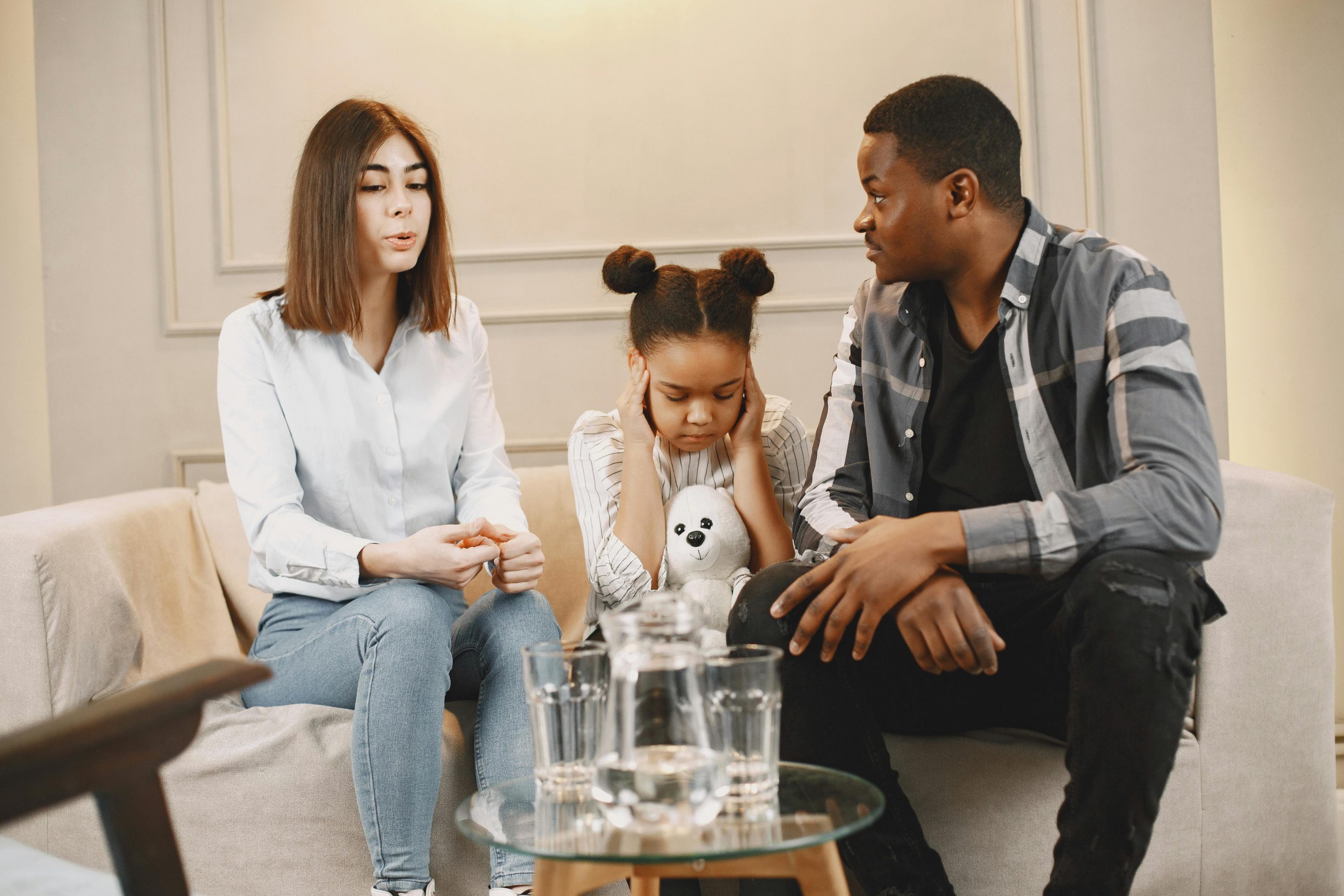
How Active Listening Can Improve Communication With Young Children
Kids don’t usually stop sharing with their parents because they have no thoughts to share. Instead, a lot of the time, families are so busy with the usual things they do each day that nobody really listens carefully. Small kids express themselves with what they say, how they say it, their posture, what they do, and by saying things over and over. So, people who understand this suggest families consider talking to each other as much more than just giving directions. It’s also about paying attention, getting the moment right, and letting the child know you’ve understood what they’re trying to tell you.
The Centers for Disease Control and Prevention’s advice about talking to kids says that ‘active listening’ builds stronger connections with children by giving them your complete focus, looking at them, and repeating back to them what they’re saying or how they’re feeling. HealthyChildren, which is the American Academy of Pediatrics’ website to help parents, says to use a calm, honest way of speaking that is right for their age and to offer encouragement in words the child will get. Both of these sources suggest a pretty straightforward idea: children are much more successful at communicating if adults respond by truly focusing on them instead of jumping in.
What Active Listening Means in Daily Family Life
Really listening to a child isn’t just being quiet. An adult focusing on the child on purpose, setting aside what they’re doing when they can, and then replying in a way that makes the child feel they are understood – that’s active listening. It might come out as saying something like “You look upset because your tower fell”, or “It seems you wished you’d had a little longer before you had to tidy up”.
Why is this important? Well, little ones often can’t find the right words to say what’s going on with them. They might flit between different subjects, say the same thing over and over, or even show you with their body how they feel before they’ve had a chance to describe the problem. Active listening makes sense of these confusing times. It shows the child how to say what they’re feeling, and it allows you to get a good understanding of what’s happening before you do anything.
Why Experts Connect Listening With Better Behavior
Families frequently think of how they talk to each other and how everyone acts as two different things, but professionals who study this kind of stuff don’t generally. The Centers for Disease Control and Prevention (CDC) says in their advice for moms and dads that communicating well can help with dealing with kids’ actions and help you get along with them. Kids get upset when they’re not paid attention to, don’t feel like you understand, or are being hurried. And if they do feel listened to, they are apt to be more agreeable.
Of course, just listening won’t stop all arguments. Kids will still push boundaries, dislike changing activities, and sometimes get totally overcome by their feelings. However, really listening to them can calm things down during these times because it makes it less likely that every single conversation will be about who’s in charge.

Credit: Pexels
Simple Techniques Families Can Use
Experts who know about communication say a really good way to get through to a child is to physically get to their height. Looking at them and being right in front of them shows you’re paying attention. And the CDC advises that, if you can, you should stop what you are doing. This lets the child realize you’re truly with them, not just sort of hearing them.
Repeating what your child says is also helpful. A basic reply like “You wished for the red cup, and not the blue one” will make a child feel as though you understand. It also shows you’re attempting to understand the issue, and not quickly brush it aside.
How you praise them is important too. The CDC says when a child says something or acts nicely, give praise that is direct and easy to understand. “You asked so calmly” is generally better than just saying “good job”, because it explains to the child exactly what they did right.
Timing Can Matter as Much as Words
When HealthyChildren talks about how to get through to kids, they say when and where you talk to them really changes if they’ll actually take in what you’re saying. If a child is exhausted, peckish, feeling shy, or just overloaded with things happening, they aren’t likely to respond to being told off or having a big discussion at that very second.
And the same is true for us as grown-ups! You usually communicate with each other more successfully if you wait a moment before replying when you’re angry. Being calm makes for better listening. In reality, that could mean waiting until after your child has eaten something, gone to a more peaceful area, or gotten over the disruption of changing activities.
What Active Listening Does Not Mean
Truly hearing a child doesn’t mean you have to say yes to everything or get rid of all the rules. A child can feel you get them and still be told they can’t have or do something. Often, we communicate most effectively with kids when we listen to them and set boundaries at the same time. For example, a grown-up could say, “You’re sad that playing is finished, but it absolutely is time for your pajamas now.”
Getting this right is important because children require both to be told their feelings are okay, and to have a firm framework for their lives. If adults only point out what’s wrong, kids may shut down and not tell you things. But if adults only focus on how a child feels and don’t have any boundaries, the normal pattern of things each day can get muddled. Most professionals suggest finding a point in between – acknowledging how your child is feeling while keeping your expectations consistent.

Credit: RDNE Stock project / Pexels
How Listening Builds Long-Term Communication
People who know about these things often point out that how well you communicate with kids when they are young will likely affect your family’s relationships later on. A child who is consistently listened to will probably be more open to sharing their annoyances, what they’re wondering, or when they mess up as they get older. And this isn’t from parents always saying things in the best way, but because the family gets into the habit of truly hearing each other.
When you actively listen, you also show kids how a conversation is supposed to go. They start to get the idea of waiting for their turn, making sure what they mean is understood, and linking their emotions to the words they use. These are crucial skills for doing well at school, having friends, and getting along with family.
Really, active listening isn’t a special trick for everyday life, it’s more a message you send over and over: your child’s words are important.
Key Takeaway
When little kids are really listened to, they feel like someone understands them, and it offers families a better, more useful way to deal with feelings and what children do because of those feelings. When talking about tricky times, people who know about these things usually suggest getting down to their height to look at them, saying back in a gentle way what you understand they’re feeling, giving them very precise good-pointing-out of what they did well, and being sensible about when you have the conversation. Listening doesn’t mean you have to get rid of rules, but it can lead to less arguing about those rules. And if you get into the habit of really listening, everyone in the family will probably be able to talk to each other much more easily after a while.

What Emotional Milestones Often Look Like Between Ages 2 and 5
People often talk about emotional development in the first few years of life in a general way, yet families typically want to know precisely what that means in their daily lives. As kids move from two to five years old they are figuring out what their feelings are called, how to deal with being bothered or upset, getting over being let down, and starting to get along with others. Importantly, this progress isn’t consistent, and those who study child development say it’s patchy, changes depending on the child, and is very connected to their language abilities, the patterns of their day, and their relationships with people.
The Centers for Disease Control and Prevention say developmental milestones cover how children play, learn, talk, behave, and are physically active. And the American Academy of Pediatrics points out that social and emotional growth is at the center of a child being healthy and developing, it isn’t something separate from learning. So for mums, dads, and carers, emotional milestones aren’t just about a child being ‘good’; they’re about how children are starting to control more complicated emotions, with support from adults they trust.
Why Emotional Milestones Matter in the Preschool Years
How children’s feelings develop determines how they deal with things that happen all the time, like waiting their turn, sharing with others, coping with changes in plans or routines, and doing what they are told. If a toddler or preschool child gets upset quickly, it doesn’t mean they are doing badly for their age. Usually, big emotional responses show a time when feelings are very strong, yet the ability to control them is still coming along.
How well children develop emotionally is very much tied to their language skills and social life. As they learn more words and have more chances to be with parents, brothers and sisters, and friends, they start to go from just feeling something to being able to talk about it. This change happens slowly. Little kids frequently require a grown-up to say what they’re feeling, figure out what caused it, and then try to respond in a more peaceful way.
What Emotional Growth Often Looks Like at Age 2
When they’re two, children’s feelings are generally right on the surface and easy to see. They get upset fast, really dislike being told ‘no’, and have a hard time with things like sharing or taking turns. This is perfectly typical for this age, as toddlers are just learning that other people have their own feelings and ways of looking at things.
The Centers for Disease Control and the American Academy of Pediatrics’ information about how two-year-olds grow says this time is full of fast developments in being independent, talking, and understanding how to be with others. A two-year-old will show they love you, copy what adults do, and like playing near other kids for a little bit, but will probably cry, get angry or say no when their usual patterns are broken.

Credit: RDNE Stock project / Pexels
How Emotional Skills Often Change at Ages 3 and 4
When kids are three or four, they generally get much better at putting their thoughts into words and understand what’s considered appropriate when they’re with others. They’ll use words to get what they want, they’ll ask how others are feeling, and joining in with what everyone does gets easier. However, tantrums don’t just stop. Instead, they’re gradually building up skills that can actually help them instead of having those big emotional outbursts.
Professionals who work with children will typically look for things like being able to do easy things in a set order, pretending, being okay for a little while when someone leaves, and bouncing back from small setbacks with a little help. Preschoolers are still figuring out how to deal with being jealous, with being annoyed, with being embarrassed and with being overly enthusiastic. And they’re likely to need to do things over and over with a grown up to help, specifically when something is new or when they are having a tough time.
According to HealthyChildren.org, being careful, sticking close to someone or overreacting isn’t necessarily a sign of a big problem. What’s going on around the child is important. Things like being tired, being hungry, being sick, a break in the usual plan and difficulties for the family can all affect how a child acts.
What Emotional Development Often Looks Like by Age 5
When children are five, they’re generally quite capable of being part of what a group does, can say in fairly basic words how they are feeling, and have a bit more control of themselves when they are somewhere they’ve been before. The CDC’s advice for how kids this age should be doing shows they’re becoming more independent, are better at obeying rules, sharing, and doing things in organized places like preschool or kindergarten.
However, how they deal with emotions isn’t quite finished developing. A five year old might be incredibly peaceful at times, but then get too much to manage at others. Professionals don’t assume they’ll be steady and sensible all the time. Instead, they want to see if the child is improving at showing their feelings, managing changes in plans, and asking for support or assistance in ways that are more helpful.
When Families May Want to Ask More Questions
Kids all grow at their own pace, so the information about milestones isn’t intended to make you worry every time your child is a little different. However, specialists say you should talk to someone if your child has a really hard time getting along with others, barely communicates, is overwhelmingly upset when you leave or doesn’t appear to be improving over the months. The CDC’s milestone information specifically says to get help promptly if you are worried.
Even if your child is developing perfectly normally, having this conversation can be good. It gives you a clearer idea of what areas to encourage and what to look for. Your doctor can also discuss if a more thorough check of development or some extra assistance would be a good idea.
How Families Can Support Emotional Growth at Home
Kids develop how to handle their emotions by going through the same things, over and over. What experts suggest is having a regular schedule, using easy words to describe feelings, grown-ups remaining calm, and giving children your full attention when they need it. Saying things like “This is frustrating” or “You’re sad the game stopped” helps children start to link what they feel to the words for those feelings.
Play is important too. The American Academy of Pediatrics has pointed out how much play helps kids with planning, getting things in order, getting along with others, and controlling their feelings. When kids and adults play together, read, or just have peaceful time alone, children get to practice feeling safe with their emotions and telling people about them.
Think of emotional development from two to five as a gradual becoming aware of feelings, rather than a way to judge if they’re acting perfectly. Kids of this age are figuring out how to have feelings, show what they’re feeling, and bounce back from them, and they’ll generally do this best if adults are there for them in a dependable way.
Key Takeaway
Being able to simply not get upset is only a small part of how young children develop emotionally. From two to five years old, kids figure out what they’re feeling, they express when they’re annoyed, they bounce back from little disappointments, and they do things with growing assurance. Professionals in child development usually see this happen slowly and with peaks and valleys. If families have a normal schedule, give names to feelings, and are there for their children when they need it, their emotional development will be on firmer ground.