
Why Frustration Tolerance Develops Slowly in Young Children
Adults are keen for their kids to get better at dealing with annoyance, particularly when they are toddlers or in preschool. But experts in how children grow tend to say that learning this is a gradual process. A small child being tearful about a broken toy, getting upset at having to wait their turn, or having difficulty changing to a new activity isn’t doing anything out of the ordinary. Usually they are at a stage where their feelings are overwhelming their ability to calm themselves down.
How much a child can cope with being frustrated is linked to lots of different things developing at once. They require words to describe their emotions, a belief that a bad feeling won’t last forever, a recollection of how similar problems worked out previously, and having had adults help them through difficult times. As all of these are still developing in younger children, frustration feels very big and hits them strongly. That’s why professionals tend to emphasize slowly helping a child to improve at this, instead of assuming they can deal with things by themselves too young.
Why Frustration Feels So Intense in Early Childhood
Little kids are very in the moment with their desires and emotions. When a building of blocks crashes down, a game goes to the next person, or a grown-up tells them they can’t do something, it can seem to happen all at once and be a lot to handle. We as adults might not think it’s a big deal, but children are still learning how to understand and deal with their annoyance.
This is even more pronounced when they’re tired, peckish, have had too much going on, or are doing something different than usual. Then, even small things being wrong feel incredibly huge. That strong reaction we adults think of as being too much is usually because their ability to calm down and manage feelings is still developing.
Frustration Tolerance Is Connected to Emotional Regulation
Kids who haven’t learned to calm down from big feelings get upset really easily. Emotional regulation is what gets them from being very upset, back to a place of calm. And when they’re very young, this usually begins with someone else helping them calm down – a grown-up who is peaceful and goes through the hard time with the child, until the child can manage more of it by themselves.
Why is all this important? Because dealing with frustration isn’t just about stopping a crying fit or a complaint. It’s about discovering that being disappointed is something you can get over, make sense of, and find a way to resolve. And you slowly learn this through going through similar experiences over and over.

Credit: Pexels
Language Helps Children Manage Disappointment
When adults can simply describe what’s going on, kids usually handle being frustrated a lot easier. Saying something like “That’s disappointing” or “You’re sad the game is over” doesn’t get rid of the bad feeling, but it makes the situation clearer for them. Eventually, children will start to link their feelings with actual words, and won’t just do something about them.
And being able to name it gives kids options other than just getting physical or having a big outburst. As they learn more words, some will start to say they are mad, sad, frustrated, or even just annoyed, instead of immediately grabbing, crying or yelling. This change in how they’re developing is quite important, even if they don’t do it perfectly all the time.
Practice Usually Matters More Than Pressure
Kids get better at dealing with being bothered by things by doing regular, normal stuff, not through a lot of serious lessons. Simply waiting their turn for a bit, having another go after messing up, being told no when it’s not too overwhelming, or solving a little problem all give them helpful practice. With these experiences, children start to understand that feeling bad won’t last forever, and someone is there to help them through it.
Actually, pushing a child to be perfect at dealing with their feelings can get in the way of this learning. A lot of children do much better if the adult stays calm, says they can see the child is frustrated, and then helps them calm down. Importantly, the adult shouldn’t make the child feel bad for feeling it so strongly.
Progress Often Looks Uneven
Kids don’t typically get good at being calm all at once. They might handle being annoyed one day, but be completely upset by something pretty much the same the next. This up and down pattern is what you’d expect, since how well a child deals with frustration is linked to things like sleep, how hungry they are, their stage of growth, what’s happening around them, and how emotionally tiring the day has been.
Most professionals are looking for slow improvements, not flawlessly smooth ones. If a child bounces back from being upset more quickly, can explain how they feel with more words, will wait just a bit longer, or doesn’t need quite as much help from a grown-up as they used to, they’re improving at this, even if they still have big feelings a lot of the time.
Credit: Pexels
Families Help Build the Skill Through Daily Response
Kids get better at dealing with being frustrated in a lot of ways depending on how grown-ups act when things are tricky for them. Being calm, using easy words, having things happen in a similar order each time, and not asking for too much all help them get there. If a grown-up stays fairly even-tempered and helps a child get past being frustrated, the child will eventually start to do that for themselves.
It takes a while to be able to handle frustration, and that’s because young children have very strong emotions and aren’t very good at controlling them yet. This isn’t something to blame the child for. It’s just what they are supposed to be doing at this age and will normally get easier with time, with being given the opportunity to try, and with a lot of being helped.
Key Takeaway
It takes little ones a while to get better at dealing with being frustrated, as they are still learning to manage their feelings, find the words for what’s happening and bounce back. When very young children have big upsets from disappointments, that’s often just a typical part of growing up, and isn’t something to worry about. Families do best to help with this by being calm when guiding their child, using easy to understand words, and letting them try (and try again!) to handle small frustrations without a lot of stress. Eventually, lots of little experiences with frustration, and then getting over it, help kids become emotionally stronger.
5 Common Myths About Educational Screens Families Still Hear Too Often
Lots of family talks about screens get tangled up because people act like if something is “educational” it automatically solves all the problems with kids and devices. But even with learning-based apps or shows, you still have to think about how much focus they require, when kids are using them, sleep, physical activity, and everyone’s normal family rhythms. People who really know about media and how children grow don’t just lump all screen time together. Instead they consider how the content is being used, if a grown-up is doing things with the child during the time, and what the child isn’t doing because of the screen.
This is important because families are often told really simple things that don’t reflect how kids actually learn. Just being called educational isn’t enough to say a screen habit is good for a child’s growth. The entire situation around the time, the kid’s age, and how much a parent or caregiver is chatting and engaging with the child are often as important as the app, video, or show itself.
Myth 1: If Content Is Educational, Quantity Does Not Matter
A lot of times people think learning materials aren’t a problem to use whenever and for as long as you like. But actually, all media, of any type, can start to get in the way of the other things kids need – sleep, talking to people, moving around, playing. Good things to learn about have to fit within everything else a child does in a day.
Families usually do better when they consider not just what their child is doing on a screen, but what screen time is pushing aside. A little bit of something educational, and something that’s been carefully selected, is perfectly possible as part of a good mix of activities. Even if the material is good for them, it can be difficult to allow for it all the time.
Myth 2: Educational Screens Work Best Without Adult Involvement
Kids generally get a lot more out of screen time when an adult is doing things with them, instead of just letting the screen act as the teacher on its own. A parent or other caregiver can ask the child questions, relate what they’re seeing to things they know, define any new words, and keep an eye on if the child is really getting it. This back and forth is what changes simply watching into learning that sticks.
And when a grown-up is involved, the family can figure out if the show or app is right for the child’s age and abilities. Something that’s called educational might still be too fast paced, have language the child doesn’t understand, or just not manage to keep their focus in a way that will actually benefit them.

Credit: Pexels
Myth 3: Educational Content Automatically Improves Attention
Lots of parents think that if a computer program or app is about schoolwork, it’ll automatically improve a child’s ability to concentrate. But how well a child can pay attention is about much more than just what they are looking at. The speed of things on the screen, the noises, how much is happening visually, when they’re using it and a child’s age are all factors in whether screen time helps them focus or actually makes them overly excited.
Kids normally develop their concentration through all sorts of things: talking, playing, being read to, and discovering things in the world around them. Learning from screens can be useful, but it won’t do the job of all those other important ways children grow and learn.
Myth 4: Screens Labeled Educational Belong Naturally in Every Routine
Good content isn’t helpful at any time of day. In fact, many families find that screens before bed, while they are eating, or when everyone is moving from one activity to another cause more problems than they solve. When you think about it, how kids react to TV, games, or phones is connected to what the family is doing; therefore, timing is important.
Something a child can use for a short while to learn in the afternoon is likely to be a bad idea for bedtime or dinnertime. This is a key reason why families with better media habits generally have rules based on when screens are used, not just what they’re showing.
Myth 5: Educational Screens Can Replace Real-World Learning
Kids can get help with learning from apps and things like that, but chatting with people, physically playing, being outside, being read to, and being with friends are still incredibly important. Children learn just as much from their connections with others and what they do, as from facts and details. So, even if a child sees a counting lesson, they’ll understand it even better if they count their toys, something they’re eating, or the stairs they climb.
Families do best when they think of screens as one option of many, and when what a child is learning on a screen connects to actual life, it makes much more sense and is easier for them to really use.
Credit: Pexels
Why Families Benefit From a More Balanced View
Learning from screens is generally at its best when it’s included with other learning experiences, not used as the only way to learn. What something is called is a factor, sure, but it’s just one piece of what’s going on. Families usually have more success if they think about when kids are using things, how much the grown-ups are doing with them, and if the screen time goes well with everything else the child does.
Considering things in a more measured way stops families from seeing things as either totally good or totally bad. They can then use digital tools that can help, without figuring that just because a screen is advertised as educational, it is absolutely the best thing for a child’s growth.
Key Takeaway
Good educational programs on a screen certainly can help, but they aren’t the answer to all worries about kids and media. Families generally do best when they think about when screens are used, if an adult is there to be part of it, how much focus is happening, and what activities the screen time is taking the place of. What something is labeled ‘educational’ is not as important as how it’s being used. And when families have sensible habits around all kinds of media, learning with digital devices is most effective as just one option amongst lots of doing things in the real world, and a normal everyday plan.

How Seasonal Traditions Can Help Children Feel More Connected to Family Life
Kids can really get something from family traditions that happen with the seasons, and they become important to how families are. These traditions are a way for children to really see how time passes, how things change, and where they fit into the family. A picnic in the spring, a stroll in the summer as it gets dark, gathering autumn leaves, or a specific thing you bake in the winter – these don’t seem like much, but when a family does them over and over, they start to mean a lot. Experts on family relationships say habits and things families do repeatedly are how they make a feeling of being together, and it’s easier to keep going with the tradition if it’s pretty easy to do.
Linking family life to the turning of the year is good for children. Seasonal traditions give a feeling of things coming around again. They demonstrate to children that even though what you are doing each day, school, and general stress can all be different, certain family times will be similar each year. This is what creates a sense of things continuing, and it’s a big reason why these small traditions are often so much more significant than we as adults realize.
Seasonal Traditions Help Children Notice the Passage of Time
Little kids don’t typically learn about time just by looking at a calendar. More often, they grasp it by doing things over and over. If a family has a particular activity they do each spring, or each fall, kids start to connect that event with when that time of year is. This makes time feel more real, and easier to remember.
Because of these repeated events, childhood gains a flow. Kids develop an understanding of the year as having a form. And that is a major reason why seasonal traditions, even if they aren’t complicated, are so strongly remembered.
Repeated Rituals Create a Stronger Sense of Belonging
Things families do at certain times of the year also give kids a sense of what being a family is about. A thing you do together over and over, whether going somewhere, something you do at home, or a particular dish you have, isn’t just to pass the time. It shows children this is how your family is, this is what you all do. And doing things that often builds a feeling of who you are as a family and how you’re all linked.
You don’t need huge celebrations for this to happen. In fact, for many families, the little traditions are even better at doing this because they happen often enough to be something a child can count on. A child might remember decorating biscuits every winter, or the first walk when the weather warms up in spring, more vividly than a big holiday trip that only happens once in a while.
Credit: Pexels
Seasonal Activities Often Feel Easier to Sustain
Seasonal traditions are so successful, in part, because you don’t have to plan them every single week. They’re at specific times of the year, so they build excitement but don’t add a lot to how packed your family’s schedule already is. Going to the pumpkin patch over and over, having your first ice cream of summer, or a movie during the winter all feel special, and that’s largely due to their connection to the time of year.
This makes traditions easier for families with a lot going on. It’s likely they won’t have time for complicated things to do on repeat every week, but they can generally keep up a couple of easy seasonal customs, and those will come back in a way they know.
Children Often Remember the Feeling More Than the Details
Grown-ups frequently stress over having traditions be special or outstanding, yet kids are much more likely to hold onto the way things were rather than how intricate they were. What they’ll recall is the mood of doing something, the people involved, and if it was all comfortable, secure, and fun. So a simple, inexpensive thing done over and over can become really important to them emotionally.
This is particularly true of traditions tied to the seasons. Because of the time of year, there’s already a sense of something new. Changes in the weather, the amount of daylight, when school is out, and the timing of holidays all make the tradition feel different – a feeling a family doesn’t have to create out of thin air.
Traditions Can Support Connection During Busy Years
It’s often difficult to be together as a family as kids get older and everyone’s doing more. But things you do every year at a certain time of year can really help – they give you a time to get together which everyone looks forward to and comes back to. In fact, even a single thing you do over and over can show you that family life isn’t just about getting things done, it has to have times for simply being with each other.
And this is important, because staying close is generally easier with a ritual than just wanting to. A family might say they’ll hang out more, but traditions actually show that happening, and they are done again and again.

Credit: Pexels
Simple Traditions Usually Last the Longest
Families usually enjoy traditions at certain times of the year when those traditions genuinely work with how they live. It’s simpler to maintain a quick walk, a breakfast that’s a bit of a treat, an annual photograph, or doing a craft you do every year, than to bother with something costing a lot or being very complicated. And actually, the easiness of them is what helps them last, because they can go on being done even when money is tight or everyone’s availability shifts.
These traditions with the seasons are good for kids’ sense of being a part of the family. They do this by being something that happens again and again, having a special meaning, and feeling like things are getting back to normal. It’s not how big they are that makes them important, it’s that they happen predictably and each time, they reunite the family.
Key Takeaway
Kids feel more like they are part of a group because of things we do at certain times of the year, and these give family life a pattern and a special significance throughout the year. These traditions don’t have to be fancy to be important. In fact, the ones families cherish most are often the easiest to do again and again, and are the ones they feel in their hearts. As the years go by, doing these things with the seasons makes people feel more of a sense of being together, and they help children think of family as being stable and something they all have in common.

6 After School Habits That Can Make Evenings Feel More Manageable
After school is often the most chaotic time for families. Kids get home from school feeling exhausted, needing food, overly excited, or full of energy, and at the same time parents are dealing with their jobs, dinner, getting everyone to their other things, and homework. If you don’t have some sort of plan, these hours can easily go from a time of changing from school to home to a really stressful time for everyone in the house. Experts in family schedules say that calmer evenings usually start with what happens in that first hour after the school day finishes.
The best things to do after school are easy to do regularly, and able to bend a little to how your family actually lives. Children will generally do better with habits that help them change from what they have to do at school to what’s expected of them at home. This doesn’t mean you need a very strict timetable, just enough of a pattern so you aren’t having to plan the whole evening all over again each day.
1. A Predictable Arrival Routine
It’s really good to have a set way for kids to do things as soon as they walk in the door. Perhaps they’ll put their shoes away, hang up their backpacks, wash their hands, and go to a special place for at home time. Knowing what they’re doing in what order makes changing from being at school to being at home a lot calmer.
Having these routines for coming in from somewhere actually lowers how tired everyone is from making choices, both you and the kids. You won’t be constantly telling them to do simple things because everyone is following a pattern they know well. This means the rest of the evening can start more smoothly, with less argument or hassle.
2. A Snack and Reset Window
Lots of kids require a little time to have something to eat, calm down and get their heads out of school before they can deal with homework, helping around the house, or talking with the family. Having a regular snack time and a chance to unwind makes this happen more smoothly and lets them know home isn’t just more of the stress from school.
This routine is effective since it acknowledges how a child actually is after being at school. Being hungry, tired, and having too much going on all frequently make them grumpy. If families understand this pretty quickly, the whole evening is likely to get off to a much calmer start.
3. A Consistent Place for School Items
You get stressed out at night over and over again by losing homework, water bottles, or other papers. Things are much easier for a family if backpacks, lunchboxes, and school paperwork all go to the same spot. That way you aren’t rushing around looking for them, and kids start to understand where their school stuff is meant to be when they come in.
These organizational tricks might not seem like a big deal, but they do help with how things generally feel in the house. If a child gets into the habit of putting their backpack away or school things in a particular place every day, evenings will be a lot more relaxed.

Credit: Pexels
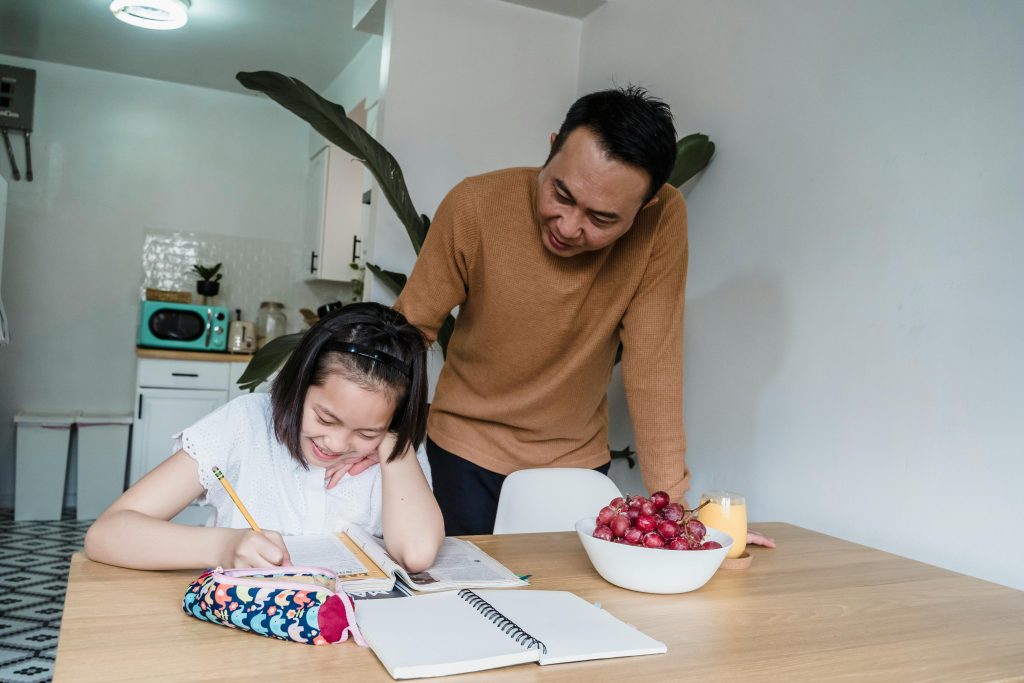
4. A Clear Homework or Quiet Time Plan
Evening times are frequently more difficult if everyone is unsure about when to tackle school work. Some kids really need to get their energy out by moving around before they can concentrate, others get it done best if they just finish their homework first. In most cases, a single solution that works for everybody isn’t the answer, but a plan the whole family does the same way over and over is.
Children generally know what is coming when homework or calm, quiet time happens around the same time each day. And this being predictable can lower arguments at the very end of the day, and stop school worries from filling the whole evening.
5. Some Kind of Movement Before Dinner
Kids frequently come home from school full of both physical and emotional energy. A quick walk, playing outside, a dance party, or running around inside are all things that can help them calm down before they spend a very still evening. That’s particularly true for kids who have a hard time settling at the table for dinner or with their homework as soon as they get in.
Being active after school also provides an outlet for children to let go of stress before a new round of expectations. Many families have found that just a little bit of activity noticeably improves a child’s mood, and makes them more willing to help out later on.
6. An Evening Preview
If you tell some kids what’s going to happen for the rest of the evening, they’ll manage better. Briefly letting them know about homework, dinner, a bath, what they’ll do for fun, and bedtime (what you expect when it is bedtime) can ease a lot of worrying. This is especially true for those who get upset or fight things when they’re suddenly changed to do something else.
You don’t need to say much for this to work; it’s just about providing a plan. Being able to imagine how the evening will unfold allows children to get through it more smoothly and have less arguing because of unexpected changes.
Credit: Pexels
Why Repeated Habits Matter More Than Perfect Evenings
After school, things don’t have to go exactly as planned for a routine to help. Families will still have busy times, feelings will come up, and plans will suddenly shift. But it’s generally the existence of some predictable things that the family does which lets the evening get back on track when things do happen to interrupt it.
Easy evenings are normally a result of doing things the same way over and over, not of being really strict. Less confusion during that after-school period frequently means a calmer rest of the evening.
Key Takeaway
When kids get into a routine after school, evenings are generally a lot easier to handle because you know what to expect and it helps them get from school mode to being at home. Things like a set thing to do when they get in, a snack, a place for all their school stuff, some activity to get energy out, a bit of time for calm activities, and quickly going over what’s happening later on all help with this change. Families do better with a small number of habits they do all the time, rather than a long, complicated timetable. A more relaxed evening in many houses starts with a much more peaceful first hour when the school day is over.
Why Listening Skills Matter So Much Before Children Start School
Lots of parents who are thinking about their child starting school naturally think about things like learning the alphabet, counting, and starting to read. These skills are important of course, but people who study how children grow and learn say a different ability is equally important for how a child does in class: listening. Before a child officially starts school, they slowly learn to hear what they’re told, do a few things in order, look at the adult who is talking, and react to information that isn’t necessarily super interesting or something that makes them feel a big emotion. These listening skills aren’t small things; they are how a child actually takes part in the school day.
Actually listening at a young age isn’t just being silent. A child with good listening skills is starting to stop, pay attention, think about what was said, and then do something with it. To do that, they’re using their growing language skills, their ability to control themselves, their memory, and how well they understand other people. Because of all the different abilities it needs, experts see listening as a skill that improves slowly with everyday interactions, doing something over and over, and with help from adults. It isn’t something a child can usually just do when asked.
Listening Helps Children Function in Group Settings
At school, kids get used to adults usually talking to everyone at once, not just to them individually. A teacher will tell the whole class what to do, describe an activity, or tell them to change from one thing to the next. For children who are still developing their ability to listen, these changes in what’s happening can be difficult as they are figuring out to block out things around them and concentrate on directions that apply to everybody.
It’s not that a child needs to be a perfect listener before they begin school. Instead, being used to brief, predictable sequences, hearing instructions more than once and having a go at speaking at the correct time in a conversation will help the classroom not be so overwhelming. Kids who have had a bit of practice listening during set times will likely have an easier time keeping up with what happens during the school day.
Listening Is Connected to Language Development
Kids have trouble doing what you ask if the words themselves are still a bit of a muddle or are just too much to take in at once. The better they understand words, how sentences are put together and the more they hear grown-ups describing what happens during normal days, the easier it is for them to listen. And as listening gets better, their language skills improve and then back again.
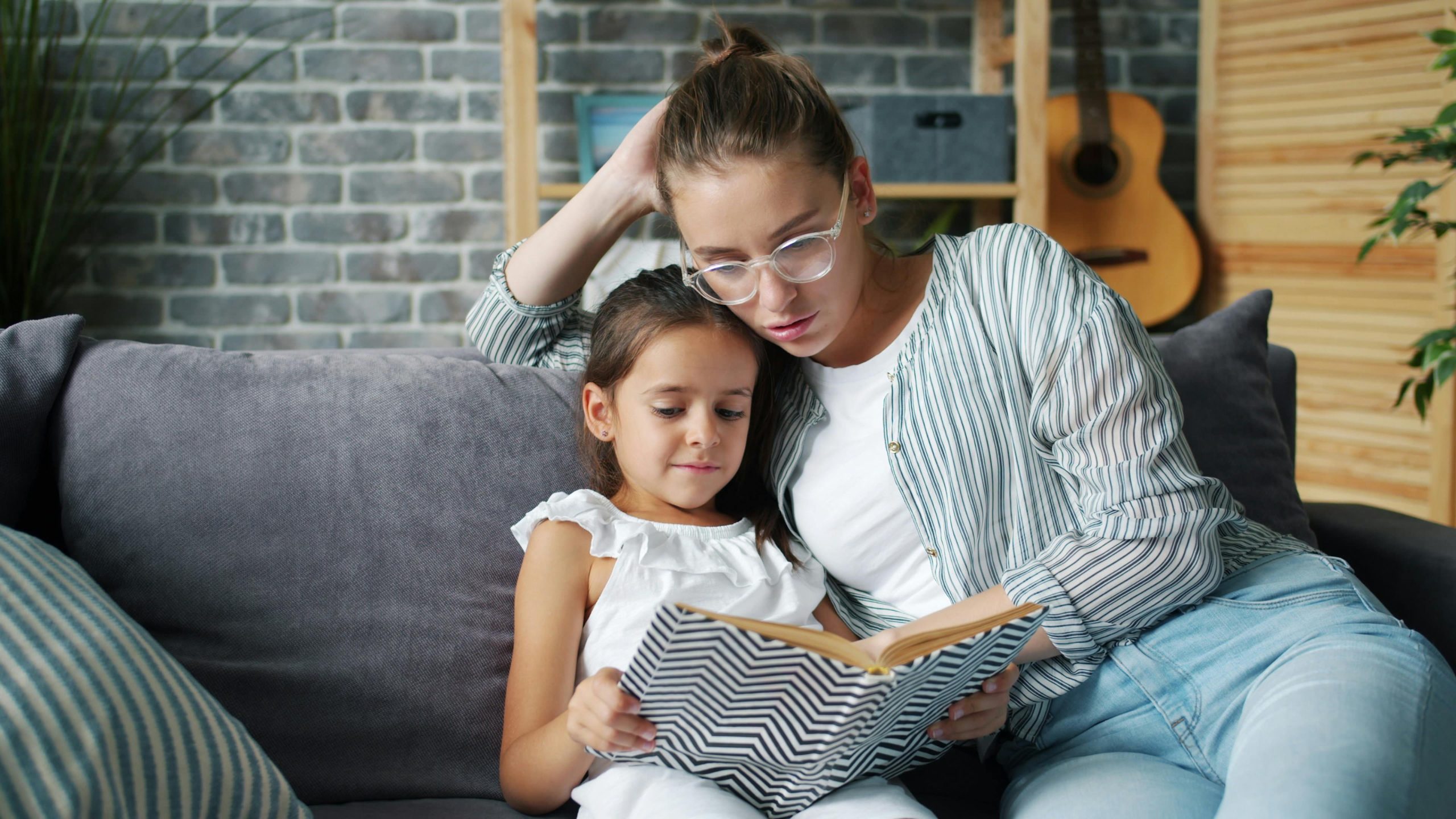
Families do a lot to help with this just by chatting about what’s going on. Explaining what you’re doing, reading together, singing, and even normal conversations give children lots of chances to hear language which is used in a way that is easy to understand, and they hear it many times. When they get used to how we say things, they’re usually much more able to do as they’re told and to react in a sensible way.
Credit: Pexels
Following Directions Requires Memory and Attention
Listening is really important for kids to start with at school, largely because it helps them do what’s asked of them. They will need to hear, then remember and do a little string of things like put their bag away, wash their hands, or get to the carpet for an activity. Each of these things doesn’t seem like a big deal, but they happen over and over during the school day.
What’s going on with attention and a child’s ability to ‘hold’ information in their head while doing something are very connected to these little routines. A child can’t just be told to do something; they have to keep the instruction in their mind for long enough to actually do it. And that’s a big part of being ready for school – it’s about much more than just starting to learn letters and numbers. In fact, loads of what children do in the classroom each day rely on how they’ve learned to listen and respond, and those skills develop before any formal lessons even start.
Listening Skills Often Grow Through Repetition at Home
You don’t have to specifically teach kids to be good listeners for these abilities to get stronger. In fact, the things you do every day, over and over, are usually the most effective way for them to learn. When children are told things they’re used to hearing, like where to leave their shoes, to wash up before eating, or to tidy up with a little help, they start to pick up on how adults talk and what they want.
These times happening again and again also show kids how listening and doing go together. They begin to realize that when someone says something, it’s not just sound, but has a meaning and will tell them what comes next. This is particularly helpful for kids who get anxious when all directions are presented as if they’re brand new or extremely important.
Conversation and Reading Support Listening in Different Ways
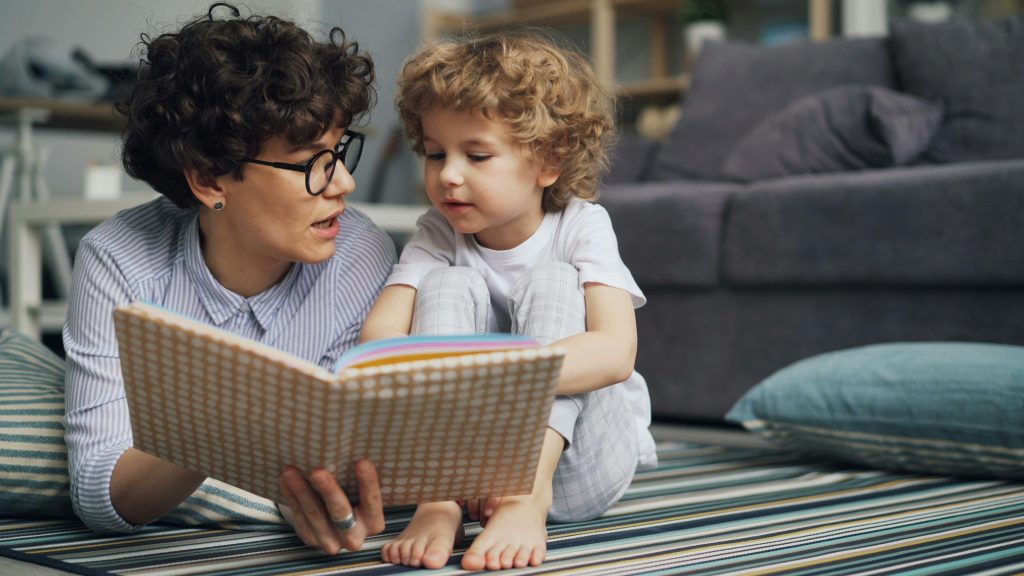
When kids talk with people, they get to practice hearing and responding to each other. Reading to children supports their listening skills over a longer time, and it helps them understand how a story is put together, plus learn new words. They’re both good for children as they make them concentrate on spoken words in lots of different situations.
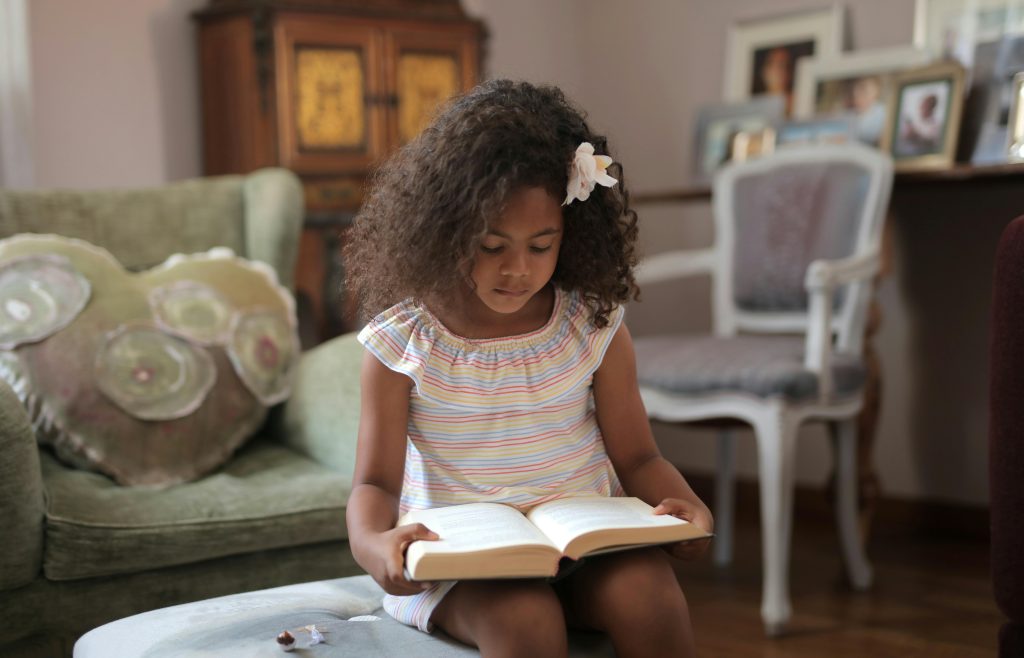
Shared reading is particularly good; because the language in books isn’t as fast as regular conversation, children have time to really absorb it. It’s while listening to this slower delivery that they start to notice how the speaker sounds, what order things happen in, and what the words mean, and they get used to listening for longer.
Credit: Pexels
Listening Is Still a Developing Skill When School Begins
Kids aren’t born knowing how to listen properly when they start school. They’re all unique, coming in with their own temperaments, how long they can focus, their language skills, and how comfortable they are being with other children. Certain children are naturally reserved, yet they still don’t catch instructions, while others are lively and chatty but can listen well, though in small, important chunks. The important thing is if a child is slowly getting better at focusing, making sense of what’s said, and then doing or saying something in return.
Families who see listening as something you help a child develop are generally better prepared for school, rather than thinking of it as something to criticize. Children who get many opportunities to hear, think about, and reply to things during peaceful everyday activities generally have a more stable base when more is expected of them at school.
Key Takeaway
Before children even start school, being able to listen is important. It allows them to do what they’re told, be involved in what the class does as a team, and understand things when someone says them during the day. Good listening, language skills, remembering things and focusing are all connected and grow slowly, not all at once. Families can help their kids become better listeners by doing things the same way a lot, having talks, and reading together. And really, when a child is getting ready for school, listening is a low-key skill that underpins pretty much everything they’ll be doing.

How Calm Repair After Conflict Can Strengthen Parent Child Communication
It’s totally typical for families to argue, but loads of parents are anxious that one bad fight will ruin things with their kids. Experts in how families talk to each other see conflict in a different way. It’s not so much that disagreements occur, but what happens for adults and kids to get back to normal with each other afterwards. We often call this “repair”, and it’s about getting a relationship back on track after something upsetting, a mix-up, or when emotions have run high.
Kids don’t just learn to communicate when everyone is peaceful. They also learn a lot from what happens after someone gets annoyed, voices are raised, there are tears, or something is a letdown. When the adult comes back to the child being calm, clear and happy to start over, kids realize conflict can be solved instead of ignored or dreaded. And this builds emotional security, leading to better communication as time goes on.
Why Repair Matters in Family Relationships
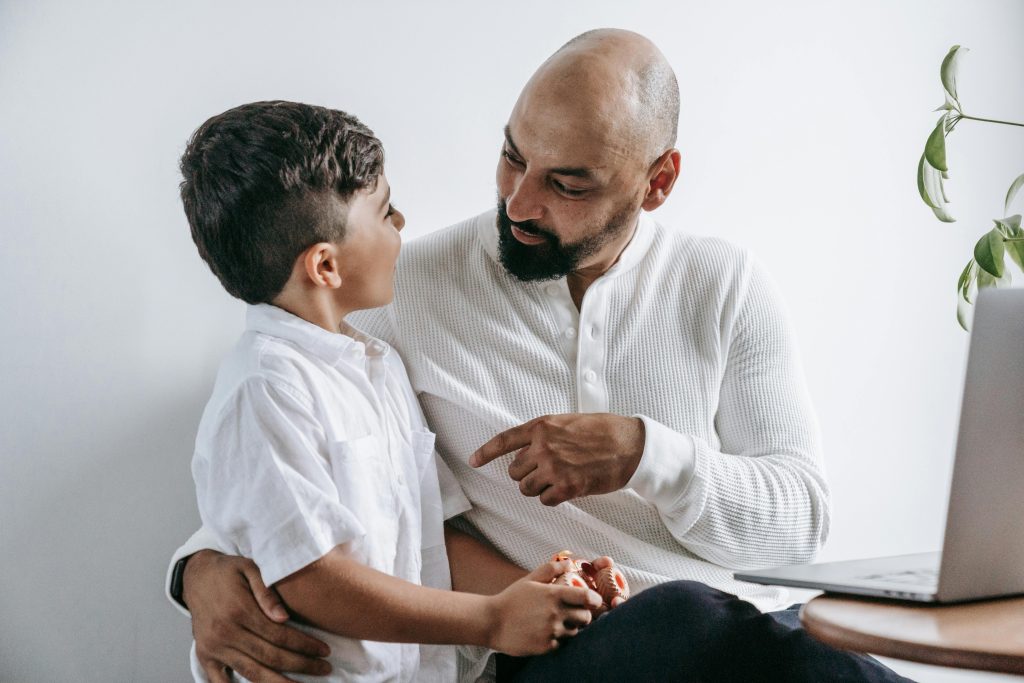
Kids really feel disagreements, and that’s largely because they rely on the adults they love to keep them safe. Once things have been tough between a child and their caregiver, the child will probably need to be told, and shown, that the loving connection hasn’t gone away, even if they did something that needed to be fixed. This ‘repair’ is what does that. It acknowledges that the fight or problem was in fact something that happened, but that the relationship itself is still solid.
Importantly, adults aren’t doing away with rules or acting as if everything is fine. Instead, the family gets back to being peaceful in a way that makes the child feel understood and safe. It’s a crucial part of talking to each other in a lot of families, because it demonstrates to children that relationships can get through difficulties and become strong again.
Repair Is Not the Same as Removing Accountability
A lot of parents are concerned that if they’re nice to their kids right after an argument, it will mess up the consequences. But actually, making things better (repair) is most effective when your child also takes responsibility for what they did, it isn’t one or the other. You can absolutely enforce a rule, talk about what the child did wrong, and then be warm and consistent in your love.
Getting this combination right is important. Kids require both a framework of rules and a feeling of being safe in their relationship with you. When a disagreement just results in being sent away or being ignored, a child will probably think more about the break in the connection than about what they learned. Repair lets the adult be firm about what they expect, while at the same time making the child feel emotionally safe and secure.
Credit: Pexels
Calm Timing Usually Matters More Than Immediate Timing
Things usually go better with fixing problems when both the grown-up and the child are relaxed enough to think and really hear what the other is saying. If you attempt to sort things out when everyone’s still upset, you’ll probably end up with even more confusion. A brief break is often all a family needs to come back to talking with less of a ‘you’re wrong and I’m right’ attitude, and a better understanding of what’s going on.
This is particularly true for little kids, since they require time to get themselves under control before they can think about what occurred. In fact, adults might need a similar breather. Repairing things in a calm way generally starts when the strong feelings have died down to the point where you can be emotionally available to each other.
What Repair Can Sound Like
Fixing things with your child doesn’t require a big show of feelings or a lot of drama. It’s usually pretty straightforward. A parent could say things like “That was tough”, or “I lost my temper and I’d like to discuss it when we’re both calm”, or “What happened isn’t how I want things to be, and I still love you.” A statement like any of those lets the child know what they can’t do and that you still have a good relationship.
And repairing things can also mean you listen. Your child might need a chance to explain why something felt unfair, really annoying, or just too much. You don’t even have to think everything they say is exactly right for your listening to be helpful. The goal is to get you talking to each other again after a disagreement has stopped the conversation.
Children Learn From the Adult Model During Repair
Repair in relationships is really important for showing kids what getting back to normal after being upset looks like. They get to see someone get themselves back to a calm place, go back to talking, and deal with whatever went wrong, instead of shutting down and being distant. Kids need to see this happen over and over again, as just being told how to do it doesn’t usually work.
And as time goes on, families who make an effort to repair things often find their children starting to do the same with their brothers and sisters, friends, and grown-ups. They might say sorry in a more understandable way, express what they’re feeling more completely, or bounce back from arguments more quickly. This is because repair isn’t just about feeling better, it’s about learning how to communicate.

Credit: Pexels
Repair Helps Communication Stay Human
Families never communicate flawlessly. Grown-ups get irritated, kids get upset, and things get misinterpreted. Getting things back on track is important, because if you don’t, those bad times will end up defining the entire relationship. It lets mom, dad and the kids know that disagreements can be handled in a truthful, consistent manner.
After a rough patch, families that come back to each other tend to actually have better communication, not worse. A peaceful resolution won’t make being a parent any easier, but it will build stronger, longer lasting family bonds.
Key Takeaway
When things have gone wrong and there’s been an argument, making up in a soothing way helps kids feel safe and shows them that even when relationships are strained, they can get better. This works most effectively if everyone clearly understands who did what, and if you come back together only after feelings aren’t quite so overwhelming and you can actually talk to each other. “Repair” can be as easy as saying you understand, really listening to them, and being consistently comforting. And doing this regularly will build confidence in your relationship with your child and make it easier for both of you to talk things through.
How Turn-Taking Skills Usually Develop in Early Childhood
Adults frequently assume very young children get the idea of taking turns fairly quickly, but it’s a skill that comes along slowly; many families don’t understand that. When kids are little, being able to wait, share, or allow another child to be in charge of something isn’t just about them wanting to be nice. They need to be able to manage their own feelings, use language, have emotional control, and realize that other people have what they want and see things differently. Lots of different growing-up abilities are a part of turn-taking, so it’s something children learn over time, not with one quick explanation.
Families most often find problems with turn-taking during play, at meals, in group things, and when siblings are fighting. What looks like a child being only thinking about themselves is often simply a sign of where they are in their development. Experts in early childhood think turn-taking is built by doing something over and over, by a grown-up helping to manage the situation, and by being in social situations, rather than from simply being told to correct their behaviour.
Why Turn-Taking Is Hard for Young Children
Little kids feel what they want right now. When a toddler wants a toy, someone to play with them, or to go next in a game, it feels really, really important to have it at this very second. They have to be able to put up with being annoyed and believe they will eventually get what they are waiting for. And for kids who are around toddler age and in their earliest years of preschool, even if they understand what you’re saying, managing these needs can be truly hard.
To share and take turns, children also need to think about things from a point of view other than their own. They have to understand that another kid has the toy at the moment, that there’s a sequence to what’s happening, and that being number two doesn’t mean they’re left out. These aren’t simply about doing what’s asked of them; they involve important emotional and social development.
Different Ages Show Different Levels of Readiness
Very young children might manage a really short exchange with someone, and with a lot of help from an adult, but being with other kids at play can still be upsetting. As for preschoolers, they’re starting to be able to have a little patience and wait for their turn in games or things they do, particularly if they know what to expect. When children are nearly at school age, a lot of them are getting better at following the rules when in a group, and can cope with not having something for a little while, although there’s a big difference between kids at this point.
When people who study child development are looking at how things are going, they’re usually interested in how a child is improving over time, not in perfect behaviour. If a child can wait a bit longer than they used to, let an adult comfort them when they’re sad, or bounce back from a problem about turns more quickly, they are learning what they need to.
Credit: Pexels
Play Is One of the Main Ways the Skill Develops
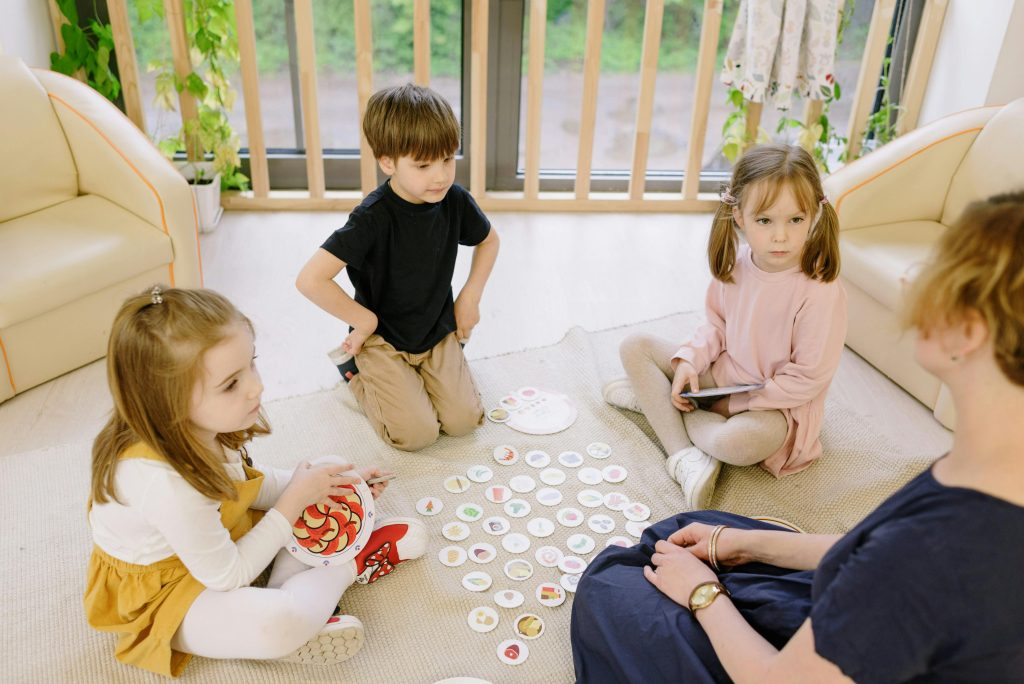
Kids usually learn to take turns best while they’re playing. That’s because playing gives them lots of opportunities to pause, say what they want to do, and come to agreements. Games on a board, a ball tossed between people, having a go on the swings, or making up stories together all give a natural chance to practice this. They might not like it at the beginning, but doing it over and over helps the idea of turns to sink in.
And while they’re at it, play lets grownups help out without it being a strict lesson. A mum, dad or other carer can describe what is happening, gently tell the child when it’s their turn, and help them feel better if they are upset. This kind of help, where they are shown, teaches a lot more than constantly saying what was wrong once an argument has started.
Language Helps Children Manage Waiting Better
Kids usually do better at waiting for their turn if an adult tells them, in really straightforward words, what’s going to happen. Saying things like “First she gets a go, then you,” or “You’ll have it after he’s finished” makes the idea of waiting much easier to grasp. And this is important – a child is much more likely to get upset because they’re confused or feel like they aren’t being heard, not just because they have to wait.
What’s more, as children start to say more themselves, they can start to ask for a turn instead of just snatching or complaining. This change from immediately doing something to being able to talk about it is a big step in learning to be social, and normally things get easier with turn-taking as a result.
Adult Support Is Usually Needed Before Independence
Lots of parents think kids can just figure out taking turns by themselves once you’ve told them what it is. But really, most little ones require a grown-up to help them with it, over and over, before they can do it on their own. Adults commonly help by making sure each turn is quick, being very clear about what will happen, and remaining calm if the child gets upset.
This kind of helping doesn’t hold a child back from doing things independently, it’s how they get to that point. In fact, children usually need to do it with help a great many times for taking turns to work well with friends, at school, or with their brothers and sisters.
Credit: Pexels
Progress Often Looks Small Before It Looks Steady
Children don’t usually start taking turns smoothly and predictably. One thing they’ll do is wait patiently during one game, but have a really hard time with another. How good a child is at waiting depends on things like how often they do it (familiar routines), whether they are hungry, how tired they are, being very enthusiastic, and how much they want whatever they are waiting for. It’s pretty normal for this to happen with young kids.
Essentially, we’re looking for a child to slowly be able to handle waiting a little better, to use more words, and to bounce back from being upset more easily. If you’re seeing these things, it means they are developing the skills they need, even if they do still have tricky moments.
Key Takeaway
Learning to take turns in conversation or games isn’t something kids suddenly can do. It slowly improves as they learn to manage themselves, use language, handle their feelings, and understand the social situation. Little ones typically require lots of chances to practice during play, and they need adults to help them steadily, before they’re pretty good at it. We usually see improvement in little bits at a time; they’ll wait for a bit longer, start to use words more frequently, or bounce back from being upset more quickly. So, during the preschool years, thinking of taking turns as something they’re developing is more accurate than expecting them to just do it.

Why Device-Free Bedrooms Can Support Better Sleep for Children
Bedrooms are for sleeping, relaxing and calming down, but many kids’ rooms have become places for all types of entertainment. Things like phones, tablets, TVs, video games and all their chargers can really change the room from a place of rest. Experts on sleep for the family and doctors looking after children frequently say bedrooms are a key place to have rules about screens, because using devices at night can ruin sleep, make it harder to get to bed, and affect how a child does the next day.
And with families, the problem is generally about much more than simply how long a child is on a screen. A child might not use devices for very long during the day but will still have trouble sleeping if they don’t go to bed at the same time each night, or if the devices are right there by their bed all night. Because of this, when talking about kids and healthy screen habits, we need to think about not just what they’re doing on screens, but also where and when they’re using them.
Bedrooms Shape Habits as Much as Rules Do
How a bedroom looks and what’s in it really affect a child’s bedtime. If a phone, tablet or something similar is there, easy to get to and just where it usually is in the room, kids will find it easier to keep using it, put off turning the lights off or go back to it later when they should be sleeping. And even if you’ve said they aren’t to use them at night, it’s much harder to resist when it’s right there.
However, a bedroom where devices aren’t usually used helps a child get ready for sleep. The room itself starts to say ‘relax’ instead of ‘have fun’. This difference in the room is often just as important as telling a child to do something, because the room’s layout, and what it allows or doesn’t allow, is a big factor in the habits children develop.
Bedtime Routines Work Better When Screens Are Not the Final Step
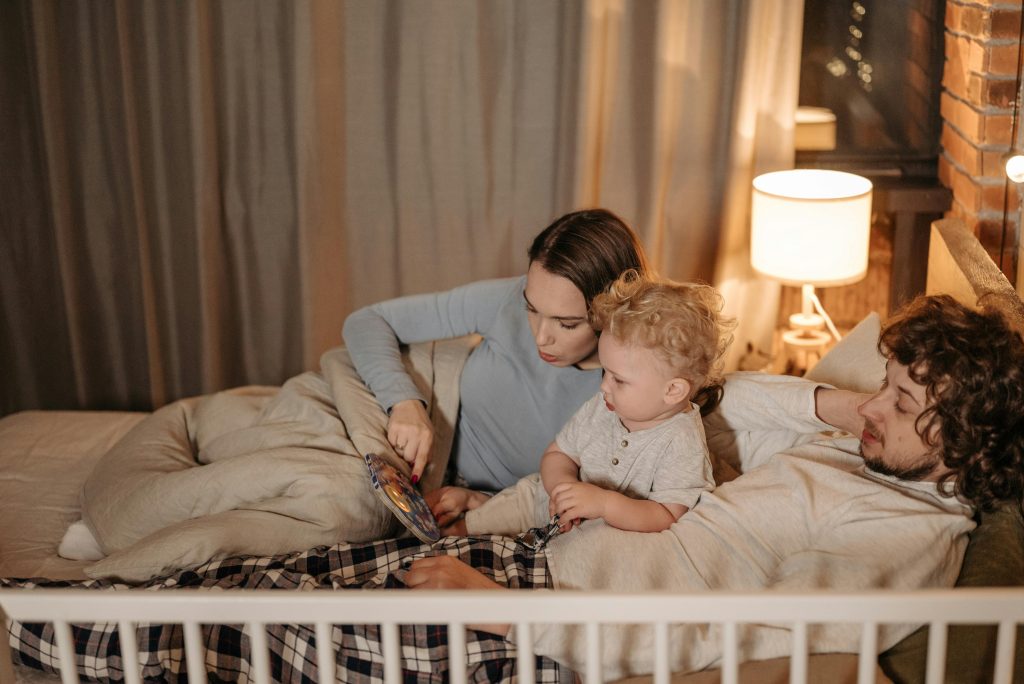
Lots of parents find getting kids to bed is a struggle if screens are used to help them relax. Kids might not want to stop, will ask for a bit longer, or their brains will continue working on what they were doing for quite a while after the phone or tablet is put down. This makes it tougher to change to doing things that help with sleep like reading, a quiet talk, or simply turning the lights off.
Bedtime is generally much easier to manage when devices aren’t in the bedroom. Media use has a definite stopping point and the evening can flow more smoothly into things to do for getting ready for sleep. If you’re aiming for more peaceful evenings, family rules about where the devices are, are often simpler to stick to than arguing with your children for just one more minute.
Credit: Pexels
Nighttime Devices Can Affect More Than Sleep Duration
We usually think about how long kids sleep, but what they do with screens before bed can be just as important for how well and how regularly they sleep. They might struggle to get to sleep, be woken up more readily, or start to think of their bedrooms as a place for activity instead of for relaxing. It’s interesting because even if the phone or tablet isn’t making a sound or is showing something peaceful, simply having it around can still mess up their sleep.
And this is significant since sleep impacts someone’s feelings, ability to concentrate, emotional control, and how they do in school. If a family makes bedtime more predictable by changing how devices are used in the bedroom, they’re likely to see improvements in the mornings, with getting ready for school, and the general atmosphere in the house.
Charging Stations Outside Bedrooms Can Reduce Conflict
Lots of families find it works well to have one spot for everyone to charge their devices, a spot that isn’t in anyone’s bedroom. This changes the “device” issue into a normal part of how the family does things, so you don’t have the same fight every night. Rather than a child having to be told if they can have their device with them during the evening, the family just does the same thing over and over.
Charging outside of bedrooms is good, too, because it’s a clear and solid rule. Kids can physically see where the devices are to be at bedtime, which generally makes it seem less like the rule is aimed at them specifically or changes on a whim.
Adults Often Need to Model the Same Pattern
Kids are fast to realize if digital rules are just for them. When parents frequently have their phones in bed, or leave the TV on late, a rule about no devices in the bedroom can seem random to a child. Families generally do better when the adults themselves show some limits on screens at night.
This doesn’t mean everyone has to do exactly the same thing depending on how old they are. But doing this really does emphasize the idea that bedrooms are for sleeping. When adults live by something too, the rule isn’t just a restriction on the kid, it’s something the whole family does and believes in.

Credit: Pexels
Healthier Sleep Spaces Usually Start With Practical Boundaries
You don’t have to completely change your house to get devices out of bedrooms. Lots of families start just by taking phone chargers and things out of the room, setting a place to leave devices for the night, and swapping using screens at the end of the day for something more calming to do before sleep. This can make going to bed feel much more predictable and lessen how much of a part of getting to sleep media is.
Kids generally do best with limits that are easy to understand, that you say over and over, and that your house is arranged to help with. Eventually, having no devices in bedrooms can help bedtime become about relaxing and resting instead of about being active and excited.
Key Takeaway
When you don’t have phones, tablets, or TVs in the bedroom, you’re likely to sleep more easily, because there’s less to keep you awake and your bedtime can become a more predictable process, plus you aren’t using devices in the place where you are trying to sleep. Families typically do best with bedroom rules that are a part of how the house is generally arranged, for example, with places to charge devices in other rooms and with regular habits everyone follows. And what parents do is important too; if adults can be seen using screens at bedtime, it’s harder to get kids to stop. For a lot of families, improved sleep actually begins with deciding where devices will be at night.

7 Weekend Family Activities That Encourage Connection Without Feeling Overplanned
We frequently hope for a lot of quality family time during the weekend, yet these times can easily get overly scheduled, surprisingly costly, or tricky to arrange. For a lot of families, the best things you do together aren’t necessarily the biggest or most spectacular, but are those which get everyone focusing on the same thing, happening often, and are relaxed enough for both kids and grown ups to have a good time. Experts in families say you get closer by being together in normal ways, and particularly when whatever you’re doing doesn’t feel like something you have to do.
Kids do best with family time that has a balance of planned parts with a relaxed feeling. A thing to do that you can roughly predict but which also allows chatting, being active, and just doing what comes to mind is often much better than a very full schedule that stresses everyone out more than it is fun. How well you connect on the weekend will usually depend more on if the activity suits your family’s energy levels, how much money you have, and your usual way of doing things, and much less on how new and exciting it is.
1. A Neighborhood Walk With a Simple Purpose
Just going for a walk might seem a bit too basic to be a real family time, but it’s surprisingly good at being one – you get exercise, you chat, and nobody feels rushed. To make it more interesting for kids, give the walk a little focus. You could search for birds, flowers, all the different types of doors on houses, or evidence of the weather changing around where you live.
The best part of this is you don’t need to do a lot of getting ready, and it’s in this relaxed environment that people start talking. Kids will generally open up and say more when they’re walking around, as opposed to being at the table or in some other set location.
2. A Family Meal Project
Cooking even a single meal as a family can be something you do together, and eventually a habit. Kids can rinse the fruits and vegetables, mix things up in the bowl, get the table ready or even be involved in deciding what you’ll have. It gets everyone concentrating on the same thing, and importantly, gives children a job to do within how the family usually operates.
Families usually find these meals go more easily if the point is for everyone to be involved, not to be fast or have it look amazing. A leisurely breakfast, a snack made from scratch, or a laid back pizza evening all bring people together without needing a huge production. Often, the fun of making the meal is more important than how it tastes.
3. Library Visits or Bookstore Browsing
Going on family trips with books as the focus is a calmer way to bond, and it can be just as good. Kids generally like to pick their own books, and while you’re out, parents can get a sense of what their kids are into in ways they might not at home. It’ll also help your family to keep up with reading, but without the trip feeling like schoolwork.
In fact, these book-focused outings are particularly good if you do them at the same time every weekend. A place you go to often, and without a lot of fuss, can easily become a family tradition.

Credit: Pexels
4. A Park Visit With Unstructured Play Time
Kids (and you!) are often happiest when doing things with the family and have plenty of space to run around, yet grown-ups are still around but not telling them what to do all the time. Going to the park is good for being active, using imaginations, and just chatting, and it doesn’t feel as closed in as being at the house.
Also, not scheduling every minute of the weekend is a good thing. Children do really well when they have a chance to look things over on their own, while their moms and dads watch, talk with them, and get involved if they want to.
5. A Home Movie or Game Night
Family nights in at home are still loved because you can easily do what you want and they’re something everyone knows. Spending time together with a film, a board game, cards or a jigsaw puzzle doesn’t involve going anywhere or spending a lot of money. These are generally at their best when the kids aren’t stressed about doing well and the grown-ups don’t feel like they have to be amazingly entertaining to make the night brilliant.
Plus, doing similar things at home regularly can turn into family traditions. Something that begins as a quick and easy thing to do on a weekend can slowly turn into a time the whole family really relies on to be close to each other.
6. A Seasonal Outdoor Tradition
Doing things on the weekend is usually nicer if it ties into what the time of year is. A walk in springtime, a picnic on a summer night, gathering up fall leaves, or hot chocolate after a quick trip outside in the winter, all of these help kids understand how time goes by, and they do it as a family. Because they happen at the same time each year, these things become familiar, but not boring.
Actually, families are much more likely to have strong memories of these seasonal habits they do over and over, instead of a single, really fancy trip. What makes them special isn’t how big they are, but their beat, and the fact that you realize they’re happening again.
7. A Small Project Done Together
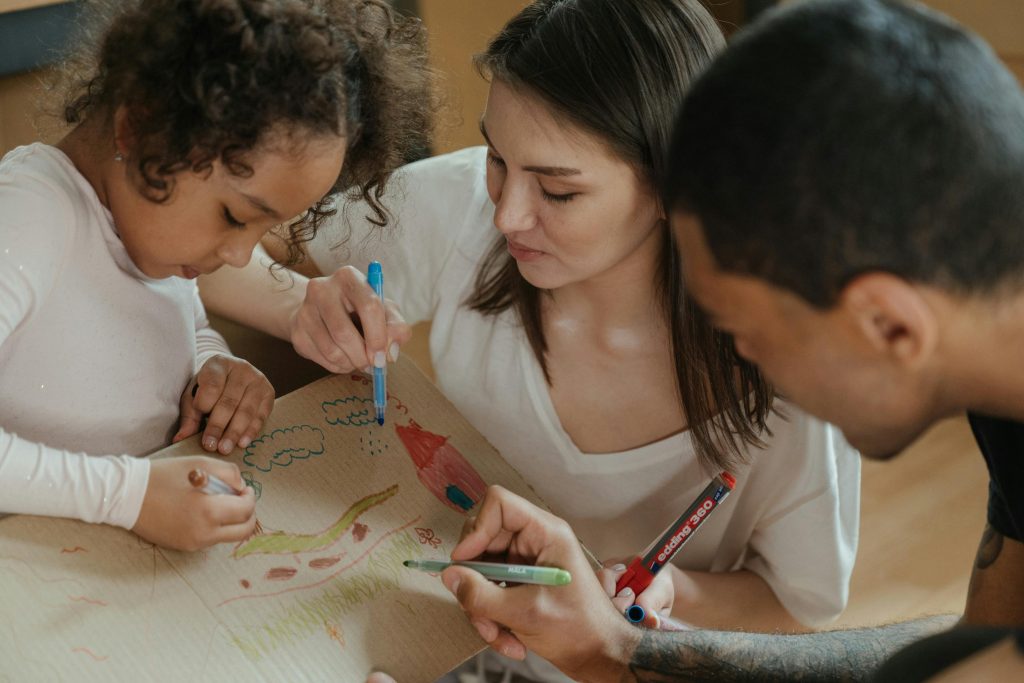
Planting herbs, tidying up where the kids play, putting together a scrapbook page, baking something, or constructing a simple structure – any of these could be a family project. What’s important about working on something together is that it encourages teamwork and talking, and everyone is working towards the same goal. It’s generally easier and more normal to connect this way, instead of trying to have a proper bonding chat.
Also, doing projects gives kids a sense of being useful. They discover that being together isn’t only about being amused, but about constructing, creating and successfully completing a thing as a family.
Credit: Pexels
Why Simple Activities Often Leave the Strongest Impressions
Families get closer when they do things over and over, really focus on each other while doing them, and have everyday routines that aren’t too complicated. Things you can easily repeat lots of times end up being more important in the long run, rather than big, fancy plans that are hard to keep going. In fact, for lots of families, the most successful weekend is simply something that’s realistic enough to do the next weekend, and the one after that.
Key Takeaway
You don’t have to spend a lot of money or do a ton of organizing to have quality time with your family on the weekend and strengthen your bonds. Things like going for walks, cooking together, trips to the library, being at the park, playing games as a family, continuing customs for each season, and working on things with each other all make for really good time spent together. Actually, in a lot of families, the things that work best are easy to do again and again. Generally, being focused on each other and doing things regularly is more important than how big or elaborate they are.

How Families Can Make Mornings Easier Without Adding More Stress
Family mornings are so stressful as a lot of things are happening at the same time. Kids have to get out of bed, get clothes on, have something to eat, get everything for school and go from home to wherever they’re going for the rest of the day, and they usually have to do all of this in a short period. Without a set plan, little things slowing down can easily lead to arguments. Experts on families say that mornings go better not because of how fast you do things, but because of having a habit, being ready ahead of time, and not expecting too much.
Kids generally do better with a routine if they know what to anticipate. For a family each day, this means mornings are easier when the order of things is something they’re used to, repeated many times so there’s not as much guessing. A child who expects to wake up, then get dressed, eat breakfast, brush teeth and then go, won’t need to be told over and over what to do, unlike a child whose morning is different every single day.
Why Morning Stress Builds So Quickly
Mornings are usually more difficult if you leave lots of choices to be made during the busiest time. Mum or Dad are often searching for shoes, getting lunch ready, locating homework, and deciding on the kids’ clothes, all while keeping an eye on the time. And the children, at the same time, are still becoming fully awake and emotionally ready, so they aren’t necessarily able to react to things quickly or without upset.
Family routine specialists frequently say that things get more stressful when you’re hoping for a certain morning experience but your routine doesn’t allow for it. Without a set way of doing things, things ready to go, or any extra time allowed for things to go wrong, a calm morning is harder to achieve. Typically, it’s not just what a child does that causes the problem, it’s the strain from the way the morning is organized around that.
Preparation the Night Before Can Change the Tone of the Morning
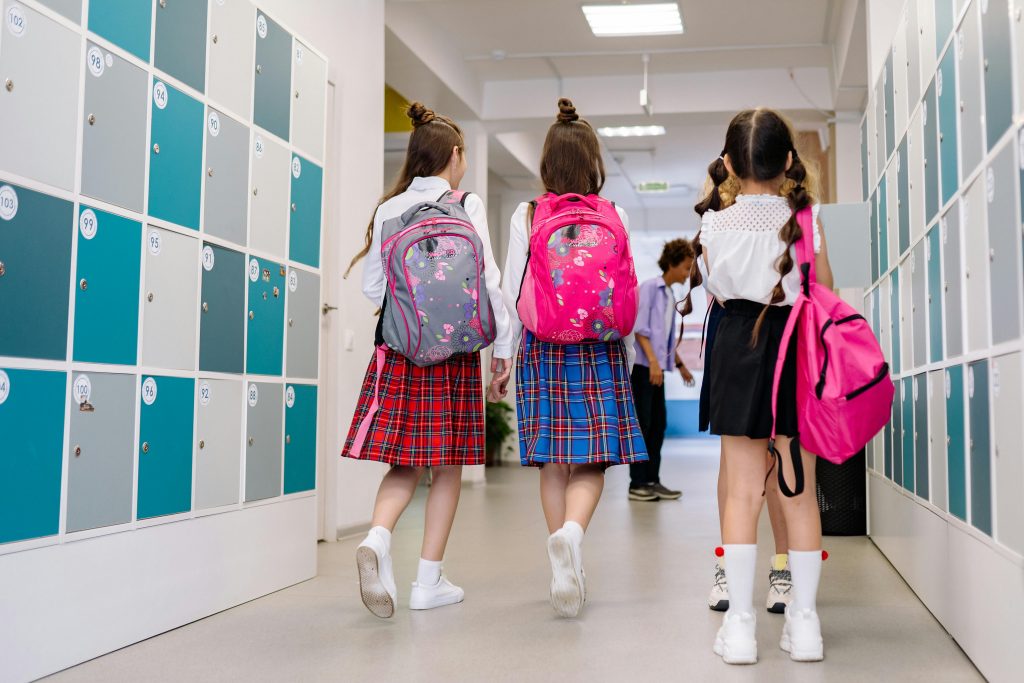
To make mornings easier, it’s a really good idea to do as much deciding as you can the night before. So, you can get the backpack ready, put shoes at the door, make lunches, and pick out clothes. These things don’t take long, but they mean you have less to think about and do when you’re in a rush.
Kids benefit from doing things in the evening as well. Knowing what’s happening tomorrow makes things more predictable for them. A quick tidy up and plan at bedtime cuts down on the crazy hunt for things and desperate fixes at the very last minute. When the important things are all sorted, families frequently discover their mornings are much calmer and don’t feel like they’re just dealing with whatever happens to come up.
Credit: Pexels
Children Usually Do Better With a Repeated Sequence
Doing the same things in the same order each morning can really help both adults and kids cope with the craziness. Little ones do well with a short set of steps they can learn by heart, and older kids might do better with a list on the fridge or just knowing what’s expected of them each time. The whole point isn’t to tell everyone what to do every single minute, but to have fewer arguments while trying to get out the door.
Families generally find things go smoother when the morning order is something you can easily recall. For example, waking up, getting dressed, breakfast, brushing your teeth, and then shoes is much easier to manage than a complicated plan with lots of different things to do. When you do something over and over, it feels like a natural thing to do, not something you are being told to do.
Morning Routines Work Better When They Match a Child’s Development
Parents (and other grown-ups) will occasionally want kids to get ready quickly and do things by themselves as if they were older, but that’s often too much to ask for their age. For example, a preschooler will probably still require someone to help with clothes and a little nudge to keep doing what they’re supposed to. And an older child at school can do a lot more on their own, but probably still benefits from a set schedule.
Things go much more easily in the mornings when families get the jobs to do to match how a child is developing. Kids can absolutely help, but what we ask of them needs to be something they are truly capable of handling. When you do that, you generally find much less aggravation, and mornings are less likely to be the same fight over and over.
Conflict Often Decreases When Adults Use Fewer Words
When we’re all in a hurry in the morning, we often find ourselves giving kids lots of directions, telling them what not to do, and repeating ourselves over and over. And it makes sense why we do that, but it can be too much for kids and quickly make everyone feel more stressed. A lot of the time, telling them things in a shorter way and repeating them calmly is a much better approach than giving long explanations when you’re trying to get out the door.
Kids usually have a simpler time with quick, straightforward suggestions. Saying “Shoes now” or “Eat breakfast first” is likely to get a better response than a longer, exasperated speech. We aren’t trying to have everyone be totally quiet in the morning, only to have conversations that are specific enough for children to understand what’s expected of them.

Credit: Pexels
Consistency Matters More Than Perfection
Every family has mornings that are rough going. Kids get worn out, something will come up to hold you back, and plans will be altered. It’s generally how well you can get back to your regular way of doing things after a bad morning that is most important. A system you can use successfully most of the time is much more helpful to families than a perfect plan that quickly breaks down.
Predictable things happening in order, getting stuff ready the night before, and having expectations that suit how your family really is, usually make mornings easier. With those things in place, mornings are likely to feel a lot less like a crisis and more like something you can handle, with a lot less arguing.
Key Takeaway
Mornings with the family tend to go a lot more smoothly if you plan things out beforehand, do them the same way each time, and make sure what you’re asking of your kids is right for how old they are. If you have an easy order of things, make as few decisions as possible at the last minute, and speak to each other in a relaxed way, arguments will be less frequent and everyone will get going with the day without as much anxiety. You aren’t aiming for flawlessly perfect mornings; what you want is a schedule that actually works to do over and over, and one you can get back to even when things have been tough.