Why Children Often Learn Better When Home Practice Happens After a Short Reset
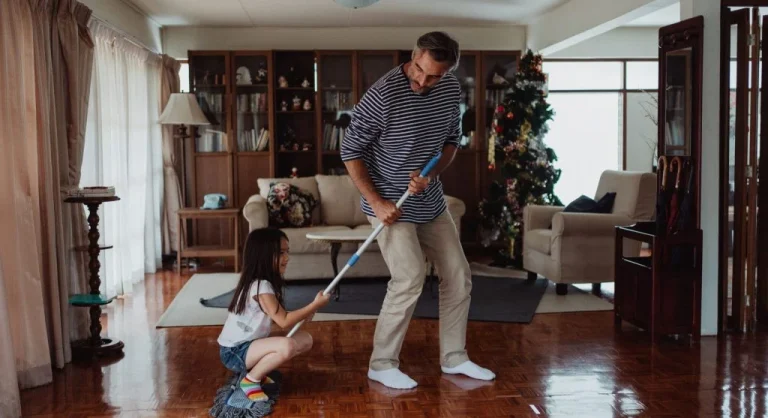
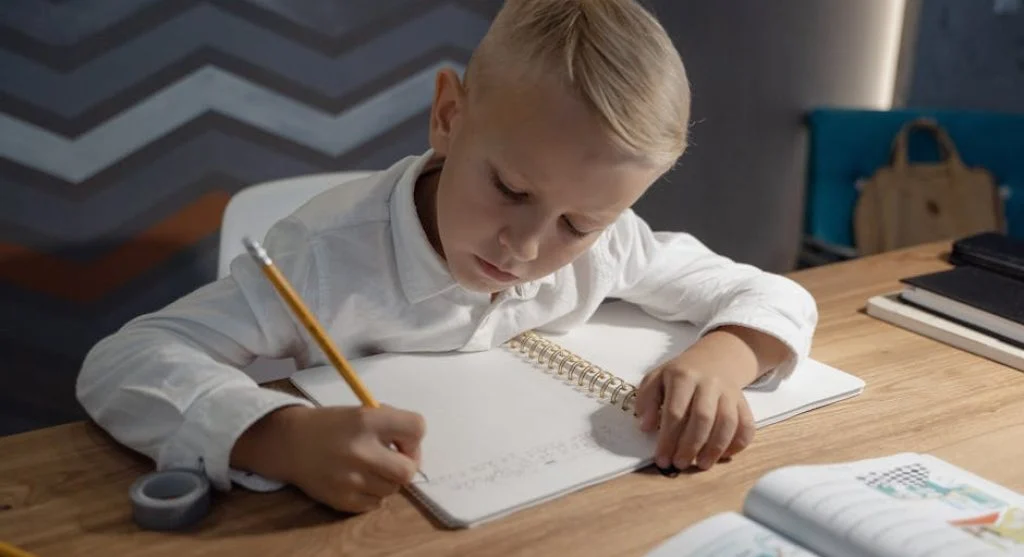
Many families try to move straight from school or daily activities into homework, reading, or skill practice. In some homes, that works well. In many others, child development and education specialists generally note that children often learn better when home practice happens after a short reset. A brief pause for snack, movement, quiet time, or a simpler transition can help children settle enough to focus. In many cases, the problem is not the learning task itself. The problem is that the child has not yet had time to shift out of the demands of the previous part of the day. This matters because children often arrive home carrying more mental and emotional load than adults can easily see. School routines, social interaction, noise, transitions, and effort can all leave a child tired, overstimulated, hungry, or emotionally thin. Education guidance often suggests that learning usually works better when adults notice this state and allow a short reset before asking for more concentration. Over time, this can make home practice calmer, more productive, and easier to repeat.
Children Often Need Time to Shift Out of School Mode
Adults may see home practice as the next logical step after school, but children often experience a stronger break between environments. School asks them to listen, wait, manage behavior, respond to peers, follow schedules, and sustain attention for long stretches. When they first arrive home, they may still be carrying the pressure of all that effort. Moving directly into more academic work can feel like the day never changed. Child development specialists often note that transitions matter because children do not always switch mental states quickly. A short reset helps the child leave school mode before entering home learning mode. This makes the new task feel more manageable because it does not arrive on top of a still-active earlier demand.
Reset Time Often Lowers Emotional Friction
Many homework or practice struggles begin before any real work starts. A child may argue, wander, complain, or delay simply because the learning request arrives while emotions are still too close to the surface. Hunger, disappointment, tiredness, overstimulation, or the need for quiet can all make the beginning of practice feel heavier than adults intend. Family learning specialists generally note that a short reset often reduces this friction. Even a brief pause can help the child feel less cornered by the next demand. In many homes, this does not remove all resistance, but it lowers the emotional intensity enough that practice can begin with less struggle.

Attention Usually Improves When Children Feel Settled First
Home practice depends on attention, yet attention often works best when the child feels physically and emotionally settled. A brief break can help restore that steadiness. Snack may help with hunger. Quiet time may help after a noisy day. Movement may help release built-up restlessness. These simple resets often support focus because they address the child’s condition before the academic task begins. Education specialists generally explain that children do not use attention in exactly the same way under all conditions. A child who looks distracted during immediate after-school work may focus much better ten or fifteen minutes later after a small reset. In many homes, this makes the practice feel easier without changing the task at all.
A Short Reset Can Make Starting Feel Easier
Beginning is often the hardest part of home learning. Children may resist the idea of more work when they feel the day has given them no pause. A short reset changes the emotional shape of the afternoon. Instead of homework appearing as one more demand in an endless line, it arrives after a moment of recovery. This often makes the task feel less abrupt and easier to enter.
Child development specialists often note that children usually start more willingly when the transition into practice is gentler. A reset creates that gentler entry point. In many families, the difference between refusal and cooperation is not only the task itself, but whether the child had time to regroup before being asked to begin.
Reset Time Usually Works Best When It Stays Predictable
Children often benefit most when the reset is not random, but part of a familiar after-school rhythm. A snack, a few minutes outside, a bathroom break, quiet play, or a short rest period can become a dependable bridge between school and home practice. This predictability matters because it helps children understand what happens first and what happens next. Family routine experts generally note that repeated structure lowers negotiation. When the child knows that home learning usually follows a short break, the reset becomes part of the routine instead of a delay that keeps extending. Over time, this can make both the break and the practice easier to accept.

Long Delays Usually Work Differently Than Short Resets
A short reset often helps learning, but a very long delay may make practice harder again if the child drifts fully into another strong activity and then must be interrupted once more. This is one reason many experts focus on a brief reset rather than a completely open-ended afternoon. The goal is not to avoid learning. The goal is to create enough recovery for the child to begin in a better state. Education and family routine specialists generally note that balance matters. A reset that is short, clear, and repeated often helps children regain enough steadiness to work. In many homes, this works better than either immediate homework under stress or a long undefined break that leads into another difficult transition later.
Children Often Learn More When the Practice Follows Readiness
Families sometimes assume that the best time for home learning is the earliest possible moment. In many cases, the best time is the moment when the child is ready enough to use the practice well. Readiness does not mean the child is thrilled to begin or free from all effort. It means the child has enough emotional and physical steadiness to focus, listen, and try again after mistakes. Children often learn better when home practice happens after a short reset because the reset supports that readiness. In many homes, a few calmer minutes between school and learning make the session more focused, more cooperative, and more useful than starting immediately under strain.