Why Children Often Learn Better When Home Practice Ends Before They Feel Drained
Families often assume that longer practice leads to stronger learning, especially when a child is working on reading, writing, spelling, or homework at home. Child development and education specialists generally note, however, that children tend to learn more effectively when practice ends before they feel drained. In many cases, the quality of the session matters more than extending it until the child is visibly tired, frustrated, or emotionally finished. A shorter session that ends while the child can still participate calmly often supports learning better than a longer one that ends in resistance.
This matters because home learning usually happens after children have already spent much of the day listening, transitioning, sitting, and meeting expectations. By the time practice begins, their attention and emotional energy may already be lower than adults expect. Educational guidance often suggests that families watch for the point where effort is still productive and stop before the task becomes too heavy for the child to manage well. Over time, this approach can lead to stronger habits, more consistent participation, and less conflict around learning at home.
Learning Often Drops When Children Move Past Useful Effort
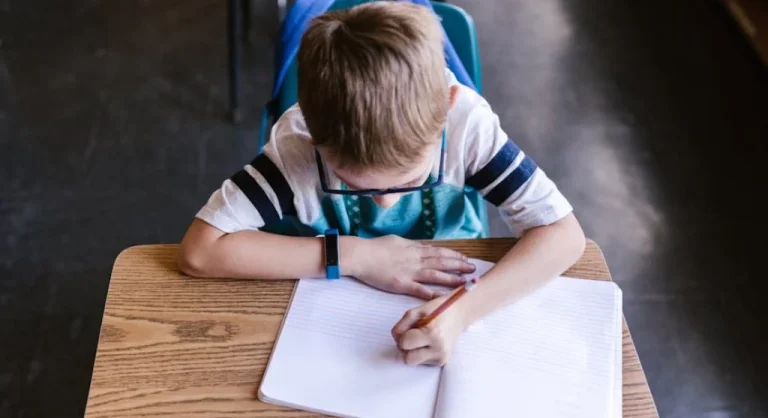
Children generally learn best when they are still mentally engaged with the task. Once they move into visible fatigue, frustration, or shutdown, time may continue, but learning often declines. A child might still be sitting at the table, yet absorbing far less of the material. At that stage, practice can start to feel more like endurance than meaningful learning.
Education specialists often emphasize that a good session isn’t measured only by its length, but by how engaged the child remains. Ending before the child is completely worn out helps preserve the most productive part of practice instead of pushing beyond the point where effort becomes less effective.
Children Often Need Enough Energy Left to Stay Regulated
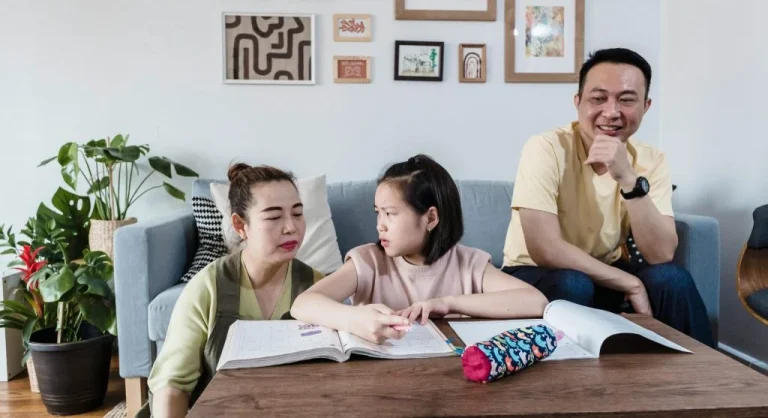
Home practice relies not only on attention, but also on emotional regulation. When a child becomes too tired or overstretched, they may react more strongly to mistakes, corrections, or challenging tasks. What began as a routine session can quickly turn into tears, frustration, or avoidance when the child no longer has the emotional energy to continue steadily.
Child development specialists often note that learning and regulation are closely linked. A child who still feels calm enough to try, make mistakes, and try again is usually in a better position to learn than one who feels emotionally depleted. Stopping while the child is still regulated helps protect both the learning itself and the relationship around it.
Shorter Sessions Often Protect Motivation
Children are more likely to return to learning willingly when previous practice hasn’t left them completely worn out. If each session ends with tension or clear exhaustion, the child may start approaching the next one with resistance. Over time, learning can become something they brace against before it even begins.
Family learning specialists often point out that motivation is shaped by repeated emotional experiences. When a child regularly finishes practice still feeling capable, they tend to build a more positive expectation around learning at home. Ending a bit earlier can help preserve that willingness, which often matters more over time than pushing for a few extra minutes on a difficult day.
Mistakes Become Harder to Use Once the Child Is Tired
Mistakes are a normal and valuable part of learning, but they become harder to work through when a child is already tired. With enough energy, a child may respond to correction by trying again. When drained, that same correction can lead to frustration, withdrawal, or discouragement. The opportunity to learn from the mistake starts to shrink because there’s less emotional and mental space left.
Education experts often explain that practice is most effective when children still have enough capacity to respond to feedback. Stopping before that capacity runs out helps children continue to see mistakes as part of learning rather than as something discouraging.
Children Often Build Stronger Habits Through Repeatable Sessions
Home learning routines tend to work best when they can be repeated without constant struggle. A session that is short enough to fit naturally into daily life and ends on a manageable note is easier to return to the next day. In contrast, a longer session that leaves a child upset or exhausted can be harder to sustain consistently.
Family routine experts often emphasize that habits are built through repetition. Children usually benefit more from shorter, regular, and sustainable practice than from occasional longer sessions that create stress. Ending before exhaustion supports that consistency because the routine stays realistic and easier to maintain.
Stopping Early Does Not Mean Expectations Are Low
Some adults worry that ending practice before a child is fully tired might lower expectations. In reality, stopping at the right moment usually reflects better judgment, not weaker standards. The goal isn’t to avoid challenge it’s to keep the challenge at a level the child can still work with effectively. Children often make steadier progress when expectations are clear but matched to what they can realistically handle.
Child development specialists often point out that productive effort and emotional overload are different things. A child can work hard, stay focused, and still benefit from stopping before the session turns into exhaustion. In many homes, this kind of pacing helps children experience learning as something challenging but still manageable.
Children Often Learn More When the Session Ends With Success Still Visible
A strong stopping point often leaves the child with a sense of success. That might mean finishing one more page calmly, reading a final sentence correctly, solving one last problem, or simply ending while the child is still participating without resistance. These moments help carry a feeling of competence into the next session.
Education and family learning guidance often emphasizes that how a session ends shapes what the child remembers most. Stopping before exhaustion can help protect confidence, strengthen routines, and make it easier to begin again the next time. In many homes, this is one of the quiet reasons shorter sessions support better learning over time.