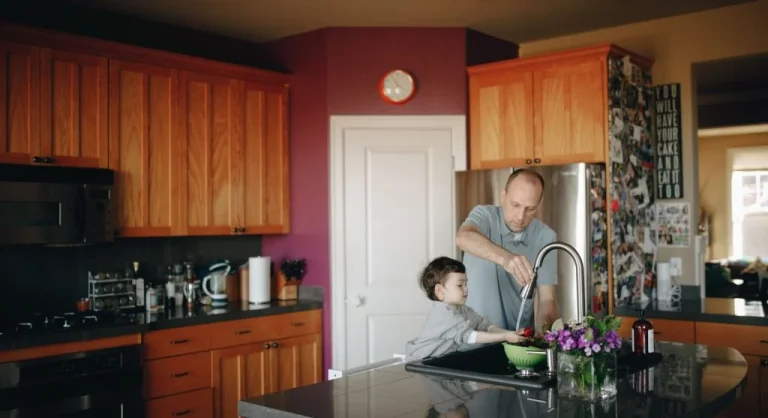

Why Children Often Follow Routines Better When Mornings Feel Less Rushed
Mornings are often one of the most demanding parts of family life. Children may need to wake up, get dressed, eat, brush their teeth, gather school items, and leave the house within a short time, all while adults are managing their own responsibilities. Child development specialists generally note that children follow routines more easily when mornings feel less rushed, because lower pressure helps them use attention, memory, and self-control more effectively. In many homes, the issue is not that children don’t know what to do it’s that time pressure makes it harder for them to do it smoothly.
This matters because adults often expect children to move faster when everyone is in a hurry. In reality, many children become slower, more distracted, or more emotional in a rushed environment. Family routine experts often explain that children respond not just to the tasks themselves, but to the pace and tone around them. When mornings feel calmer and more predictable, children usually find it easier to follow through with fewer struggles.
Rushed mornings increase mental load for children
Children already handle a lot during morning routines. They need to remember steps, switch between tasks, find what they need, and respond to instructions while still waking up and adjusting to the day. When the environment becomes rushed, that mental load increases. A child may focus more on the pressure around them than on the routine itself.
Development specialists often point out that children are still developing executive functioning skills like planning, sequencing, and self-monitoring. A hurried atmosphere can make it harder to use those skills. In many cases, a child who appears uncooperative is actually struggling to stay organized under pressure.
Children often shift attention more slowly than adults expect
Morning routines require children to move quickly from one task to another. They might need to leave breakfast to go brush their teeth, stop dressing to find their backpack, or move from one step to the next without much pause. Adults often make these transitions quickly, but children usually need more time to shift their attention.
Child development experts often explain that this slower transition is a normal part of how children process routines. When the pace speeds up, these shifts become more difficult because the child doesn’t have enough time to reorient. This helps explain why children often seem slowest at the exact moment adults want them to move faster.

Credit: Tiger Lily / Pexels
Pressure often affects emotional regulation
Children are more likely to become upset, distracted, or resistant when they sense tension around them. A rushed morning often brings urgency in tone, movement, and repeated reminders, which can raise a child’s stress level. Once that stress builds, it becomes harder for them to stay flexible and carry out familiar tasks calmly.
Family communication specialists often point out that emotional regulation and routine-following are closely linked. When a child feels pressured, they may argue more, stall, or forget steps more easily. A calmer pace, on the other hand, helps them stay regulated enough to use the skills the routine requires.
Predictability helps children move with more confidence
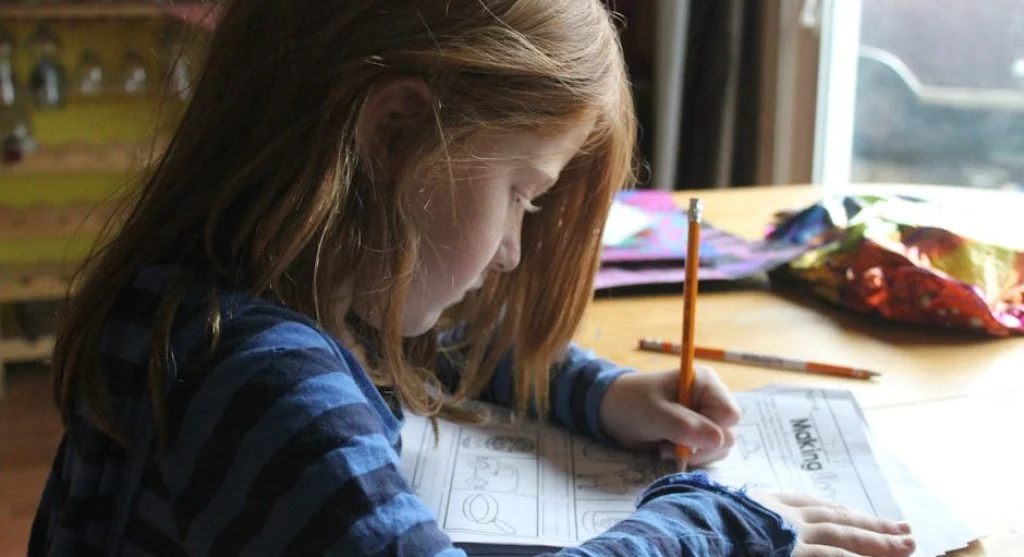
Children usually do better when mornings follow a consistent and familiar order. If waking up, getting dressed, eating breakfast, brushing teeth, and leaving happen in the same sequence each day, the child can begin to rely on that pattern instead of figuring things out from scratch every morning. This makes the routine feel easier and less confusing.
Credit: Tiger Lily / Pexels
Family routine experts often note that predictability builds confidence because children know what’s coming next. In a rushed environment, that sense of order can break down. When the pace is calmer and the sequence stays the same, children often move from one step to the next with less hesitation.
Preparation before morning often reduces stress
Many rushed mornings are shaped by what didn’t get done the night before. Missing shoes, unpacked bags, undecided clothes, or unfinished tasks can all add pressure at the start of the day. When these details are handled ahead of time, mornings tend to feel simpler because there are fewer decisions to make under time pressure.
Parenting and family routine specialists often emphasize that smoother mornings usually begin before anyone wakes up. Packing lunches, setting out clothes, or placing a backpack by the door the night before can reduce stress points and make it easier for children to follow the routine.

Credit: Katerina Holmes / Pexels
Calmer mornings often reduce repeated correction
When mornings feel rushed, adults often rely on repeated reminders and quick instructions. This can create a cycle where adults talk more, children feel more pressure, and the routine becomes harder to follow. In a calmer morning, adults can usually give shorter, clearer guidance, which children tend to respond to more easily.
Family communication guidance often suggests that children cooperate better when they aren’t constantly reacting to urgency. A steadier pace reduces the need for repeated correction because children have more space to notice what needs to happen and follow through with less tension. Over time, this can improve both behavior and the overall tone of the morning.
Children often build better habits when the pace is sustainable
Strong morning routines aren’t built in a single perfect day they develop through repetition in conditions children can manage. When the pace is always too tight, children may not get enough consistent practice to build independence. A more manageable routine gives them repeated chances to remember, prepare, and complete familiar steps with growing confidence.
Child development specialists often note that habits strengthen when children experience success regularly enough for the pattern to feel natural. In many homes, that success becomes more likely when mornings are slightly less rushed and more organized. Over time, children begin to rely on the routine itself rather than on constant reminders.