Why Familiar Family Activities Often Feel More Meaningful Than New Ones
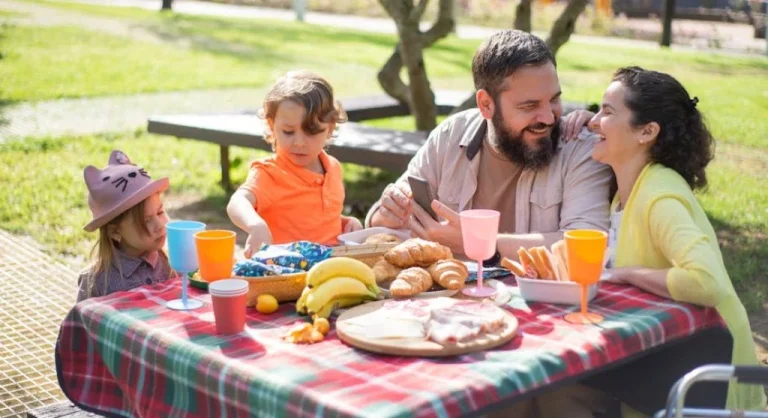
Families often feel pressure to create exciting plans, surprising outings, and memorable experiences that stand out from ordinary life. While novelty can be enjoyable, family relationship specialists generally note that familiar activities often carry deeper long-term meaning for children. A repeated walk, a regular game night, a favorite park visit, or a familiar baking ritual may look simple from the outside, yet these repeated moments often become some of the clearest expressions of connection and belonging inside family life.
This matters because children usually build emotional security through repetition more than through occasional novelty. A familiar activity does not need to compete for attention with something new. It already carries memory, comfort, and expectation. Over time, that emotional familiarity can make an ordinary activity feel more meaningful than a more elaborate event that happens only once.
Familiar Activities Often Feel Safer to Children
Children generally respond well to experiences they can predict. When an activity is familiar, they usually know what it feels like, how it begins, what parts they enjoy, and what role they have inside it. This can reduce uncertainty and help children settle into the experience more easily. A familiar family activity often allows the child to focus less on adjusting and more on participating.Child development specialists often note that emotional safety supports connection. A child who feels secure is more likely to relax, talk, laugh, and engage with the people around them. This is one reason familiar activities can feel especially valuable. They often lower the stress of the unknown and make family time more accessible.
Repetition Helps Build Emotional Meaning
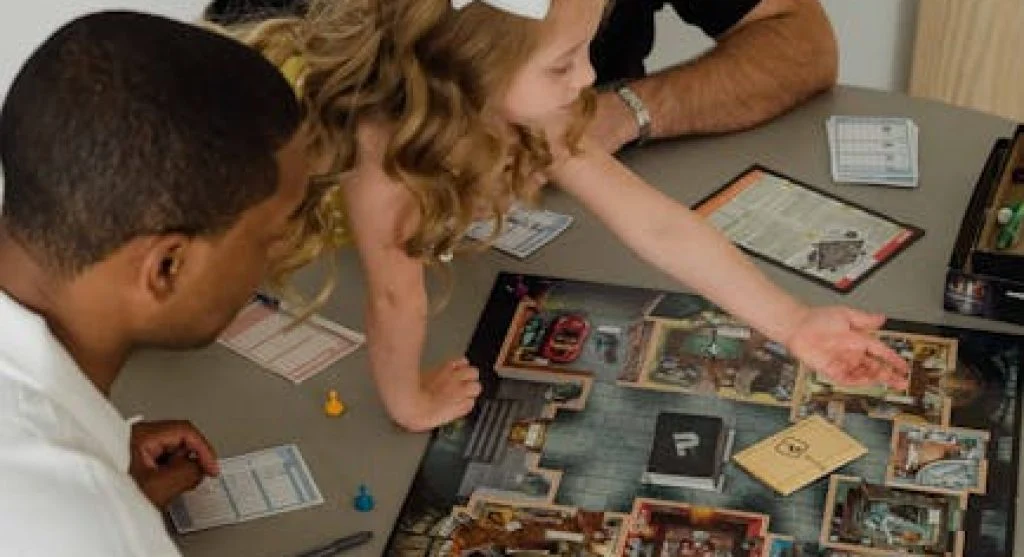
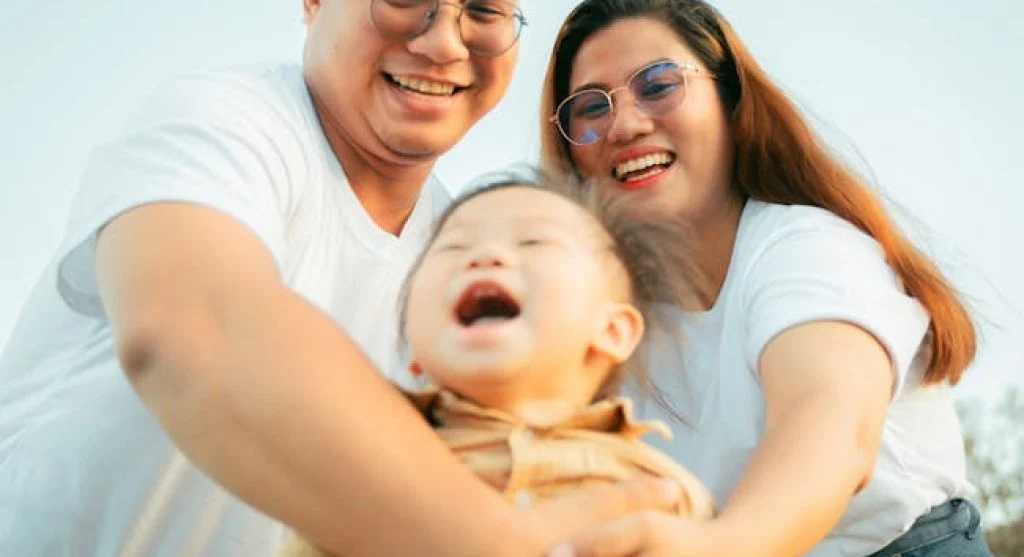
One event can be fun. A repeated event can become meaningful. Familiar family activities gather emotional value through return. Each time the family comes back to the same walk, meal, board game, or weekly outing, the experience becomes more connected to memory and identity. The child begins to understand the activity not only as something enjoyable, but as something the family does together.Family specialists often describe rituals and repeated activities as building blocks of belonging. Children may not think about them in those terms, but they often feel the meaning clearly. Repetition tells children that this shared moment matters enough to come back again. Over time, that message becomes part of what makes the activity meaningful.
Credit: Anete Lusina / Pexels
Children Often Enjoy Knowing What Comes Next
New activities can be exciting, but they also require children to spend energy adjusting to unfamiliar rules, places, expectations, and transitions. Familiar activities reduce that demand. A child who already knows what comes next often has more room to enjoy the experience itself. This is especially helpful for children who find transitions, surprises, or crowded schedules tiring.Family routine experts often note that predictability can make shared time feel smoother. The child does not have to keep wondering what happens after this or whether the activity will feel comfortable. Instead, attention can shift toward participation and connection. In many homes, that makes familiar activities feel calmer and more rewarding than brand-new plans.
Familiar Activities Often Invite Better Conversation
Conversation sometimes happens more naturally in familiar settings because children are not working as hard to understand the environment. A child walking a known route, baking a familiar recipe, or sitting through a regular meal may speak more freely than in a more exciting but less predictable setting. The shared activity creates enough structure to support interaction without demanding all of the child’s attention.Communication specialists often note that children talk more easily when the interaction feels low-pressure. Familiar activities often create exactly that kind of atmosphere. Because the activity itself is not competing for full attention, children may bring up school experiences, questions, jokes, or worries more naturally while the family moves through the routine together.
Meaning Often Comes From Participation, Not Performance
Families sometimes assume meaningful time must look special from the outside. In practice, children often attach meaning to the activities where they feel included and active rather than impressed. Helping stir batter, choosing the movie, setting out game pieces, or leading the way on a familiar walk can all make the child feel like a real participant in family life. Family psychology guidance often emphasizes that belonging grows through participation. A familiar activity usually gives children a clearer role because they know how the event works and what their part looks like. This can make the experience feel more personal and more memorable over time.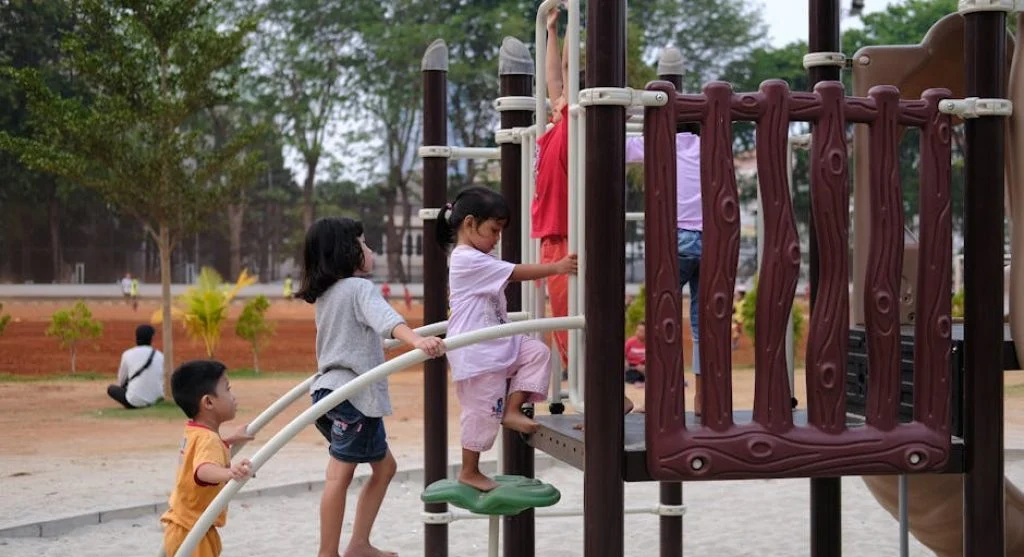
Repeated Activities Often Survive Busy Family Life Better
Another reason familiar activities matter is that they are often easier to keep doing. Big plans usually require more time, money, and coordination. Familiar activities tend to fit ordinary life more naturally. A family can keep returning to them even during busy seasons, which gives the activity more chances to build emotional significance.This sustainability matters because meaning often grows through consistency. An activity that happens reliably becomes part of the family’s shared rhythm. In many cases, what children remember most clearly is not the rare event that required a great deal of planning, but the simpler activity that kept showing up in family life again and again.
Children Often Carry Familiar Activities Into Memory
As children grow older, familiar activities often remain vivid because they are tied to a repeated sense of togetherness. The memory may not center on one dramatic moment. Instead, it may center on the accumulated feeling of the activity itself: the smell of pancakes on Saturday, the route of the same evening walk, the sound of laughter during a regular card game, or the comfort of the same bedtime reading ritual.These memories often stay strong because they are reinforced many times. Familiar family activities do more than fill time. They help shape what family life feels like in the child’s memory. That is one reason they often feel more meaningful than newer experiences that have not had time to take root in the same way.
Key Takeaway
Familiar family activities often feel more meaningful than new ones because they build emotional safety, repetition, participation, and shared memory over time. Children usually attach strong value to experiences that return often enough to become part of family identity. These activities do not need to be elaborate to matter. In many homes, the deepest sense of connection grows through simple familiar moments that keep coming back.