

Why Children Often Seem Not to Listen and What Usually Explains It
Many families say some version of the same thing: a child hears the words, but does not seem to respond. Adults may call from across the room, repeat an instruction several times, or feel certain that a child is ignoring what was said. Child development specialists generally note that this pattern often has more than one explanation.
In many cases, children do not seem to listen because listening itself is a complex task that depends on attention, timing, emotional state, working memory, and the context in which the words are spoken. This matters because adults often interpret not listening as defiance when the real issue may be overload, distraction, or difficulty shifting attention.
Family communication experts frequently note that children are still learning how to pause what they are doing, process spoken language, hold instructions in mind, and turn that information into action. Understanding these steps can help families respond more clearly and reduce unnecessary conflict.
Listening Depends on Attention, Not Just Hearing
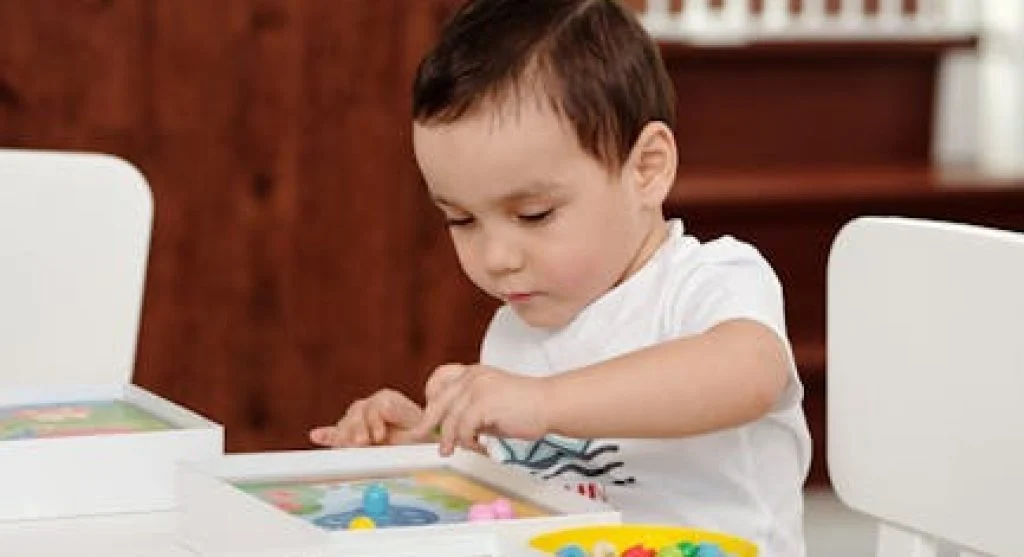
Children may physically hear an adult’s voice without being ready to truly process the message. If a child is deeply focused on building, drawing, playing, or watching something, attention may still be attached to that activity. In those moments, the adult may feel ignored, but the child may still be working on shifting focus from one thing to another. Development specialists often note that attention shifting is a major part of listening. Adults can usually move between tasks and speech quickly, but children often need more time. A child may not be choosing to disregard the instruction. The child may still be trying to detach from the current activity strongly enough to take in what was said.
Too Much Language Can Make the Main Point Harder to Catch
Children often seem not to listen when the instruction is longer than they can easily hold in mind. A sentence that includes several reminders, warnings, and extra details may make sense to an adult, but children may lose the main point before they know what action is expected. This is especially common during transitions, when the child is already managing a shift in attention. Family communication specialists generally note that shorter and clearer language often works better because it reduces mental load. A child who hears one direct step may be more able to respond than a child who hears a full explanation while already distracted or emotionally stretched.
Working Memory Affects What Children Do Next
Even when children hear and understand an instruction, they may still have trouble keeping it active long enough to act on it. Working memory helps hold spoken information in mind while the child moves toward the next step. If working memory is still developing, a child may hear “Put your shoes by the door and bring your backpack,” then remember only one part of the direction or lose both while moving through the room. Development experts often explain that this is one reason repeated reminders are common in family life. The issue is not always whether the child listened at all. It is often whether the child could retain and use the information across a few seconds of action and distraction.
Emotional State Can Interfere With Listening
Children often listen less effectively when they are hungry, tired, upset, excited, embarrassed, or overwhelmed. Strong emotion narrows attention and makes it harder to absorb new verbal information. A child who is already close to tears, highly excited, or frustrated may not have much space left for processing instructions clearly.
Child behavior specialists often note that in these moments the child is not necessarily refusing communication. The child may be functioning with reduced capacity. This helps explain why the same child may follow a direction easily one day and seem completely unreachable the next, even when the adult says the same words.
Distance and Timing Often Matter More Than Adults Expect
Many listening struggles happen because adults give instructions from another room, during a noisy moment, or while the child is in the middle of an absorbing task. Children often respond better when the adult is closer, has the child’s attention first, and speaks at a moment when the instruction can actually be received. Timing often matters as much as the wording itself.
Family communication guidance often emphasizes that children are more likely to listen when the adult reduces competing input. A child who is called from across the house while music is playing and siblings are talking may not be able to sort out the message well. What looks like not listening may partly be a problem of delivery rather than willingness.

Children Often Need Clearer Cues Before They Can Respond
Listening often improves when children know that an instruction is directed specifically to them and that action is expected next. Eye contact, the child’s name, a brief pause, or a calm signal can help create that clarity. Without these cues, words may blend into the general background of household talk. Experts in family routines often note that children respond more successfully when the instruction feels concrete and immediate. Clear cues help the child recognize that this is not just more sound in the room. It is the next piece of information that should guide action.
Not Listening Often Reflects Development More Than Attitude
Children often seem not to listen because listening draws on several abilities that are still growing. Attention shifting, working memory, emotional regulation, timing, and language processing all influence how well children respond. When adults assume the problem is always attitude, they may miss the developmental pieces that make listening genuinely hard in some moments. In many homes, communication improves when adults look not only at whether the child responded, but at what may have made listening difficult in the first place. This usually leads to clearer expectations, less repeated frustration, and more realistic support for a skill that is still developing.