Why Simple Family Rituals Often Matter More Than Special Occasions
Birthdays, holidays, vacations, and big parties are very important to families and people usually get a lot of feelings from them. However, experts in families and how they work say the little things we do all the time as a family probably have a much bigger effect on kids over the years. Bedtime stories, Friday night dinners, walks at the weekend, or the same thing happening every morning aren’t very flashy, but they really are what teach children to feel close to each other, like they are part of a group, and secure at home. Kids typically form their understanding of what their family is like by doing things over and over. A big occasion might be something they remember, but a small habit that happens frequently is much more likely to form a strong emotional pattern. As time passes, these repeated experiences become the most obvious symbols of feeling cosy and being with people they love during their childhood.
Rituals Create Predictability Children Can Feel
Kids do well when they know what to expect at specific times; things happening in a typical way is comforting. When a family does something the same way over and over, it builds a structure around everyday or weekly life, and that makes things feel less unsure. This is really valuable when school is hectic, the family is going through a shift, or when everyone is emotionally upset. Psychologists who study families call these repeated things ’emotional anchors.’ They won’t get rid of stress altogether, but they give children a safe place to come back to. Because of that familiarity, family life can seem more stable, even if a lot of the routine is different.
Small Repeated Moments Often Build Stronger Belonging
Big celebrations are fun, but they don’t occur very often. A little habit or ritual, however, continually reassures a child of a particular family idea: this is what your family does as a group. This message, because it’s heard again and again, can build a sense of being a part of the family even more strongly than a single event as it develops into a child’s normal and continuing sense of what their family is. And in fact, that’s a large part of why kids have such vivid recollections of things the family does many times. The ritual isn’t just about what you do, it’s connected to the warm feeling of being part of something that everyone in the family shares and knows.
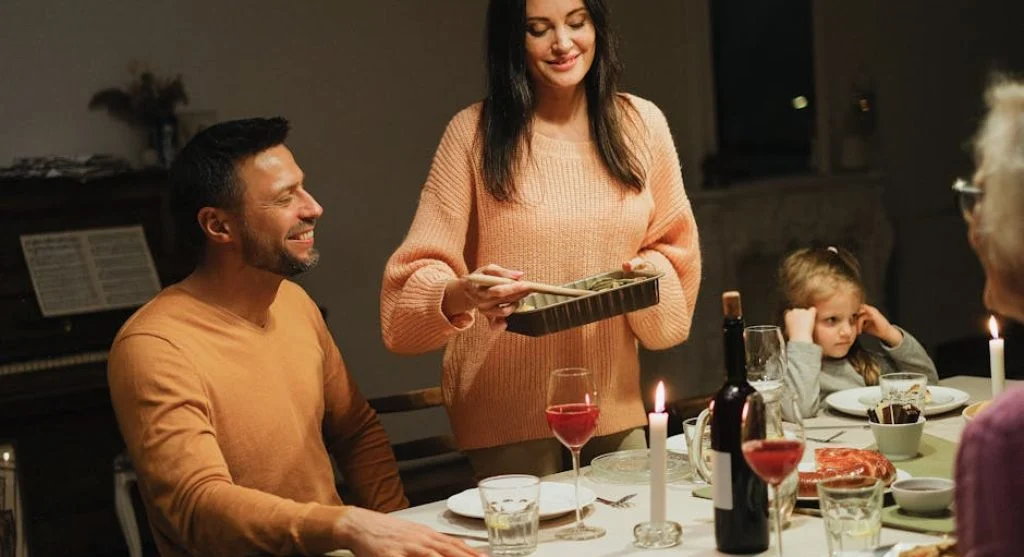
Credit: Annushka Ahuja / Pexels
Rituals Usually Carry Less Pressure Than Big Events
Big events require a lot of thought about arrangements, how much they’ll cost, when they’ll happen, and what everyone hopes for. This puts a lot on adults to make sure the occasion is special. Smaller, simpler traditions are generally not like that. Being smaller and something you do regularly, they don’t generally cause the same stress to ‘perform’, and instead, feelings come more easily. When families keep doing something traditionally, it’s helped by the activity being a comfortable part of everyday living. A quick stroll following dinner, or perhaps pancakes on Saturday mornings, are both quite understated, and it’s usually this simplicity that allows these traditions to continue for long enough to become very important to the family.
Children Often Remember the Feeling More Than the Event
Kids usually remember the feeling of times with their family, not how fancy or complicated they were. A thing you did over and over, and that was relaxing, cozy, and safe, will be a really strong memory. How something felt is more significant than how big or special it was. In fact, experts in how families get along and studies of memory both say that memories are built by doing things repeatedly and having the same emotions each time. If a child does a simple, enjoyable routine a lot, that memory will probably stay with them longer than if they just have one amazing day with nothing much to tie it to later.
Rituals Can Adapt as Children Grow
Kids usually remember the feeling of times with their family, not how fancy or complicated they were. A thing you did over and over, and that was relaxing, cozy, and safe, will be a really strong memory. How something felt is more significant than how big or special it was. In fact, experts in how families get along and studies of memory both say that memories are built by doing things repeatedly and having the same emotions each time. If a child does a simple, enjoyable routine a lot, that memory will probably stay with them longer than if they just have one amazing day with nothing much to tie it to later.
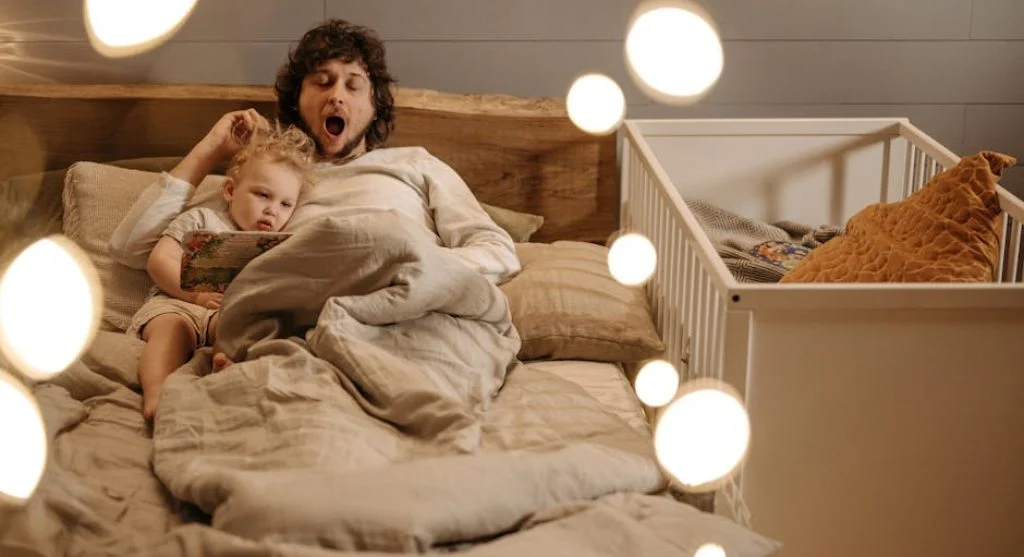
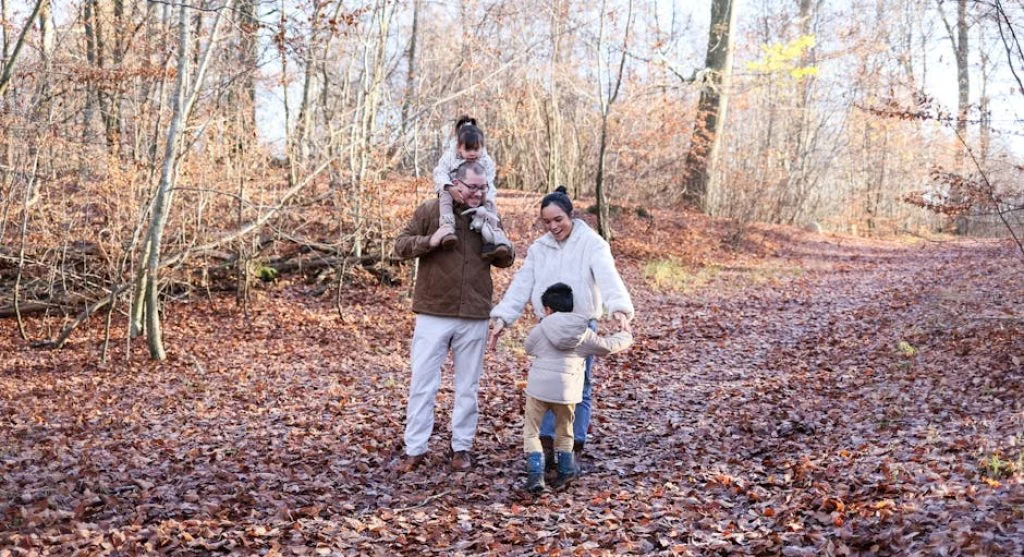
Credit: Kampus Production / Pexels
Simple Rituals Help Connection Stay Visible
Families generally want to be close, yet finding ways to show that closeness during day-to-day life is difficult. Rituals are useful for this as they change what you want to do into something you do regularly. Rather than hoping for a chance to bond, a family uses a time that’s already part of their usual schedule. This makes feeling connected more of a sure thing, and much less a matter of luck. Eventually the ritual is what the family uses to understand how close they are to each other. Its importance isn’t from how elaborate it is, but from how many times they come back to that specific time they share.