Why Children Often Stay More Engaged in Family Traditions When One Small Job Belongs to Them From the Very Beginning
Many family traditions are created with love, but adults are sometimes surprised when children drift in and out of them. A ritual that feels obviously meaningful to parents may not hold a child’s attention in the same way, especially if the child experiences it mainly as something adults organize while children wait to be included. Family relationship specialists generally note that children often stay more engaged in family traditions when one small job belongs to them from the very beginning because participation creates ownership. In many homes, the difference between watching a tradition and feeling part of a tradition begins with one simple repeated responsibility.
This matters because children often connect most deeply to rituals that give them a visible place in the family pattern. Development guidance often suggests that even a very small task — setting out napkins, placing the candle, carrying the blanket basket, handing out spoons, opening the story box, or choosing where one object goes — can transform how a child experiences a repeated family activity. Over time, that one little job can turn the tradition from something the family does around the child into something the child helps bring to life.
Children Often Stay Focused Longer When They Enter the Tradition Through Action
Adults usually enter family rituals through meaning. They know why the routine matters, what memories it connects to, and what emotional atmosphere it is meant to create. Children often enter through action first. A child who has a job at the beginning steps into the tradition through doing, not only through being told that something special is happening.
Child development specialists generally explain that children often engage more deeply when the body becomes part of the pattern early. In many families, the child stays connected longer simply because the ritual started with a task the child could physically complete and recognize.
One Small Job Can Turn Waiting Into Belonging
Without a role, children often spend the opening of a tradition in a waiting position. They wait for adults to finish setting up, wait to be told what comes next, or wait for the most interesting part to begin. Waiting can make engagement fragile. One small job changes that experience. The child is no longer on the edge of the event. The child is helping it begin.
Family bonding experts generally note that children feel more included when rituals contain a repeated role that clearly belongs to them. In many homes, a tiny beginning task makes the whole experience feel less like observation and more like membership.
Children Often Remember What They Help Start
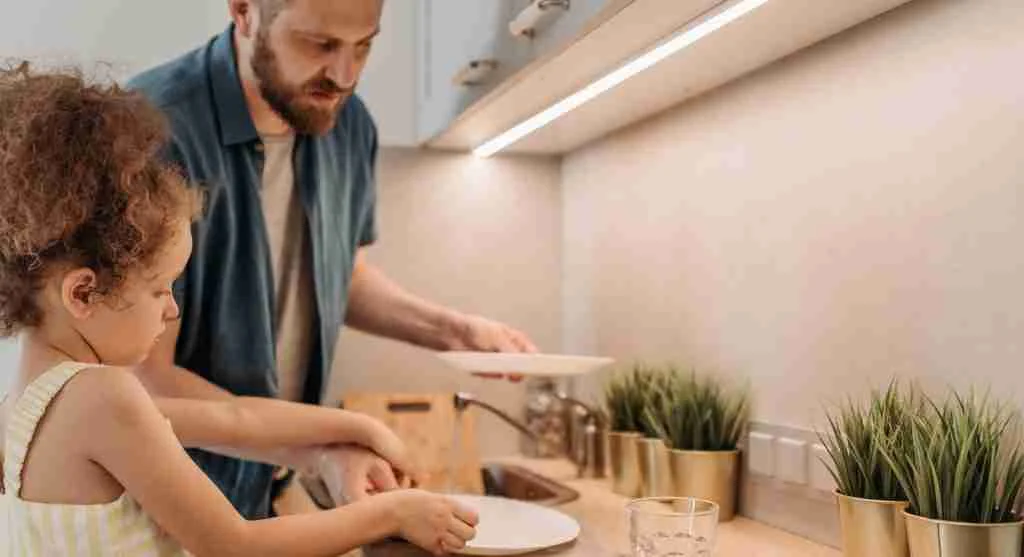
Repetition builds memory, but participation often strengthens it. A child who always carries the pancake spatula to the table on Sunday morning, unfolds the picnic cloth on summer evenings, or places the same ornament bowl on the counter during holiday decorating is not only present for the tradition. The child is shaping the opening moment of it. That can make the experience easier to remember and easier to value.
Development specialists generally note that children often remember rituals more strongly when their own action is attached to the beginning. In many families, the child’s repeated job becomes one of the memory anchors for the whole tradition.
A Beginning Job Helps Children Recognize the Tradition Faster
Children often rely on repeated cues to know when ordinary time has shifted into something special. A familiar personal task can become one of the clearest cues of all. If the child always lights the safe battery candle, places the napkin stack, carries the game cards, or opens the special basket, the action itself tells the child what kind of family moment is beginning.
Family routine experts generally note that children engage better with rituals they can identify quickly. In many homes, the child’s small starting job acts like a personal signal that says this is that family thing we do together.
Children Often Resist Less When They Know Their Part Matters
Some family rituals lose children not because the activity is unappealing, but because the child feels unnecessary. If the tradition seems able to happen exactly the same without them, attention can wander. A specific beginning role creates the opposite feeling. The child senses that something real depends, even in a small way, on their presence.
Parenting specialists generally note that children often stay more cooperative when their contribution feels visible and real. In many homes, one repeated task reduces resistance because the child no longer feels like an extra person standing near the activity.
The Best Jobs Are Usually Small, Clear, and Repeatable
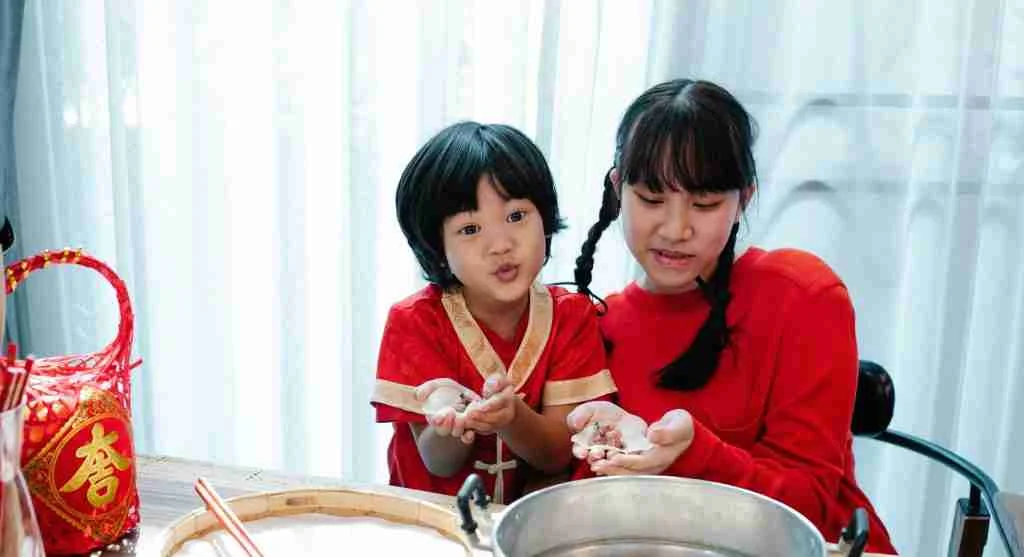
Children do not usually need large responsibility to feel involved. In fact, the most effective ritual jobs are often very small. The task might be bringing one object, placing one item, saying one opening phrase, choosing one seat marker, or setting one simple piece in place. Small tasks work well because they are easy to repeat, easy to remember, and less likely to become stressful.
Development guidance often suggests that children engage best with responsibilities that match their actual capacity and can be completed successfully. In many families, the ritual stays warm precisely because the child’s job is simple enough to do with confidence again and again.
A Repeated Role Can Grow With the Child Over Time
One useful feature of a small tradition job is that it can evolve as children grow. A toddler may carry napkins. A preschooler may place cups. An older child may start the playlist or open the recipe folder. The core idea stays the same: the child helps begin the ritual. The exact form of the job can change without losing the sense of belonging it creates.
Child development specialists generally note that children stay connected to family rituals more easily when their role grows with them instead of disappearing as they mature. In many homes, this flexibility helps the tradition remain meaningful over many years.
Children Often Feel Family Identity Through These Small Roles
Family identity is built through repeated lived patterns more than through formal statements. A child who always sprinkles the cinnamon, places the picnic lantern, starts the movie blanket basket, or opens the holiday card box begins learning something about how this family functions. The role is small, but it teaches belonging in a concrete way.
Family relationship specialists generally explain that children often feel most connected to traditions where they can point to a part that is “theirs.” In many homes, that repeated job quietly becomes one of the child’s earliest experiences of family identity.
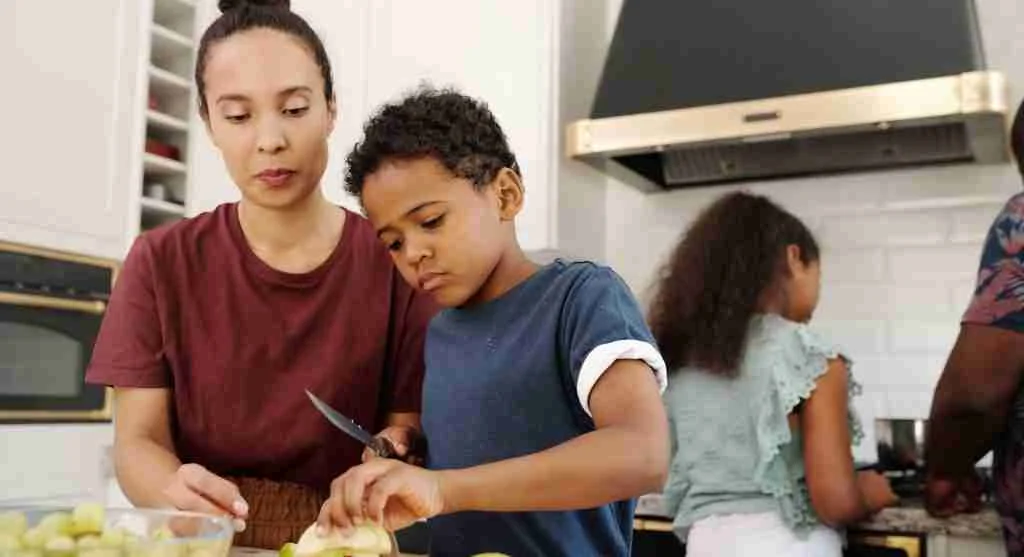
This Approach Often Works Better Than Telling Children a Tradition Is Important
Adults sometimes try to increase engagement by explaining how meaningful a ritual is. Those explanations can be warm and valuable, but children often connect more strongly to lived experience than to verbal importance. A small repeated job gives the child something direct to hold onto. The tradition becomes meaningful because the child experiences a clear place inside it, not only because adults describe it that way.
Family communication experts generally note that children often understand belonging more through participation than through explanation. In many families, the child’s own repeated action creates a stronger bond than a longer speech ever could.
Parents Often Find Traditions Smoother When Roles Are Built In Early
This strategy helps adults too. When a child begins the tradition with one clear task, the opening often feels more organized and less chaotic. Instead of trying to gather attention through repeated reminders, parents can rely on a pattern the child already knows. The job becomes part of the structure that carries the ritual forward.
Parenting specialists generally note that traditions feel steadier when children know how they enter them. In many homes, family rituals become easier to sustain because the child’s opening role creates a more natural and cooperative beginning.
Over Time, the Child’s Job Can Become One of the Most Loved Parts
Some of the most meaningful family details are not the biggest ones. A child may later remember not only the baking day, the weekend movie, or the holiday breakfast, but the fact that they always got to bring out the spoons, place the centerpiece, carry the story basket, or say the first line. What started as a small practical role may become one of the most cherished emotional parts of the ritual.
Development specialists generally explain that childhood memories often stay attached to repeated personal actions. In many families, the child’s one small job becomes one of the reasons the tradition feels deeply personal and worth remembering.
Why Children Often Stay More Engaged in Family Traditions
Children often stay more engaged in family traditions when one small job belongs to them from the very beginning because participation creates ownership, recognition, and belonging. The child is not only present while the ritual happens. The child helps open it. That often makes the tradition easier to anticipate, easier to remember, and more emotionally meaningful over time.
In many homes, strong family traditions are not built only through the main event. They are built through small repeated roles children can recognize as their own. Over time, one simple beginning job can help a child feel more connected to the ritual, to the family, and to the memories that tradition will carry forward.
FAQ
What kind of small job works best in a family tradition?
Usually a task that is simple, repeatable, and clearly linked to the start of the activity, such as carrying one object, placing one item, or saying one opening phrase.
Does the job need to be important for the child to care?
No. It usually just needs to be consistent and clearly theirs. Even a very small role can feel meaningful when it repeats each time.
Can this help with weekly traditions as well as holiday rituals?
Yes. It often works especially well in weekly or monthly traditions because repeated small roles build strong recognition and belonging over time.
What if my child gets older and outgrows the original task?
The role can change with age. The important part is keeping the child involved in opening the ritual, even if the specific job becomes more mature later.
Internal Linking Suggestions
Link this article to posts about simple family traditions, helping children feel included in rituals, building family memories at home, meaningful weekly routines, and small ways to strengthen family connection through repeated activities.
Key Takeaway
Children often stay more engaged in family traditions when one small job belongs to them from the very beginning because participation helps them feel included, needed, and emotionally connected to the ritual. A tiny repeated role can turn a family activity from something children watch into something they help create. Families often strengthen traditions not by making them bigger, but by making children part of the opening pattern. Over time, one simple job can become a powerful source of belonging and memory.