
How Families Can Build a Smoother Dinner Routine on Busy Weeknights
Weeknight dinners are usually more stressful for families than people realize. Mum or Dad might still be dealing with work, the kids are likely tired and wanting food, there’s probably homework left to do, and everyone is often emotionally exhausted by the time you get to the table. And, in lots of families, the problem isn’t the food itself. Instead, the stress comes from quickly changing from one thing to another, not knowing what will happen, and not having a set way of going from the afternoon to dinner.
A calmer dinner time doesn’t mean you have to be a brilliant cook or have long, perfect chats with your family. Those who know about family routines say it’s mainly about having a plan. If dinner follows a pattern everyone is used to, children understand what they should be doing, grown-ups don’t have to think of things at the last minute, and dinner won’t feel like a battleground. As time goes on, this reliability will reduce anxiety, even if the food is quick and easy.
Start the Dinner Routine Before the Food Is Ready
Lots of families assume dinner starts when the plates are on the table, yet it normally gets going beforehand. In fact, what happens immediately before eating is frequently what determines how everyone feels during the meal. Kids are far more likely to object to dinner if they go directly from being really active, struggling with their schoolwork, or being on their screens to sitting down at the table with no in-between time.
Most families find it’s good to have a couple of things they do regularly to show dinner is coming. These could be washing hands, tidying a place at the table, putting out napkins or hearing the same thing said around the same time each evening. These are ways for children to adjust to the next part of the day and not have dinner feel like an unexpected break in what they’re doing.
Small Roles Can Make Children More Cooperative
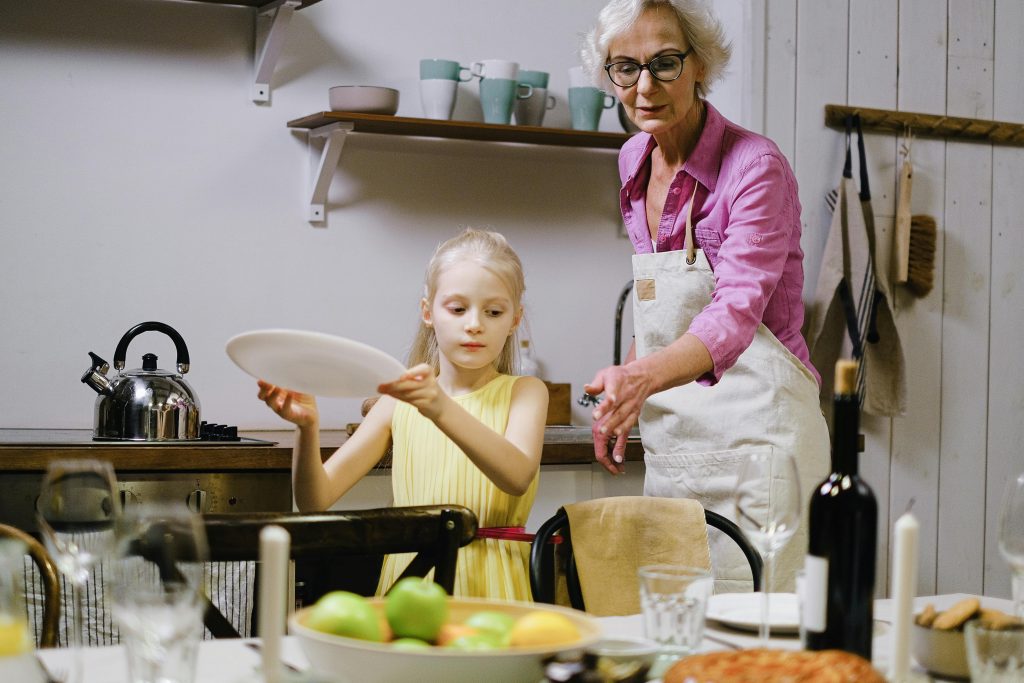
Kids usually do better with routines if they have a part to play in them. If a child is the one putting forks on the table, getting the napkins, and arranging the cups, they’ll likely feel more as though they are a part of dinner, and not as if it’s just happening to them. It won’t necessarily mean they’ll be flawlessly behaved, but it can lessen the feeling of dinner being something someone else is deciding they have to do.
When kids join in with things they can manage at their age, it also helps the whole family get into a flow. With time, they will start to assume that dinner means both helping out and being together. These little things they do regularly help dinner feel more like a natural progression from what they were doing, and not a sudden order to stop everything.
Credit: Anna Shvets /Pexels
Predictable Timing Often Reduces Hunger-Based Conflict
When kids are really hungry they tend to be quicker to frustration and have a harder time managing their feelings. Because of this, if dinnertime fluctuates a lot, some nights can start off with unnecessary grumpiness. Things are much calmer at home when meals are around the same time each day, not at all different times.
This isn’t to say dinner has to be at precisely the same moment every single time. Children generally thrive when there’s a pattern to things in the house. This is because with a steady schedule, their expectations, their energy levels, and how they prepare for the evening can all shift more slowly and smoothly.
Device Boundaries Can Make the Table Easier to Manage
It’s usually more difficult to get kids to switch from screens to dinner, and this is particularly true if you suddenly tell them to stop. Families tend to argue less when they make it obvious when screens are going away, stopping all devices before eating and consistently sticking to that rule. This way, children get the idea that dinnertime is a separate and different part of how things happen during the day.
We aren’t aiming for perfect behaviour at the table, just a less jarring start to dinner and a meal that isn’t broken up by distractions. With consistent limits on devices around dinner, families can slowly build a stronger feeling of mealtime being a special, established part of their life together.
Conversation Works Better When Pressure Is Lower
Lots of families would like dinnertime to be a time for everyone to really talk to each other. However, if you try too hard to have a huge, important conversation, the meal can end up feeling like you are putting on a show. Children especially do much better with easier interactions, like discussing just one little thing that happened during the day, saying something about what’s going on right now, or responding to a regular question that won’t make them anxious.
Dinner will help people feel closer when it’s relaxed and normal, not full of heavy feelings. The best family habits generally happen from doing things consistently, not with a lot of drama. Over a period of time, chatting about easy things over and over is more likely to create a bond than trying to force every single meal to be amazing.

Credit: cottonbro studio / Pexels
Simple Dinner Routines Usually Last Longer
Families generally benefit more from a dinner schedule that actually works as opposed to striving for a perfect one. A meal that’s fairly easy to get on the table, a predictable way to move into dinner, some jobs for the kids, and a definite finish to the meal are surprisingly effective for keeping things peaceful at home. A complicated system that falls apart with the first bump in the road during a normal week won’t get you as far.
And a calmer dinner time is typically achieved by doing things the same way lots of times, not by making everything flawless. Kids do better with weeknight meals, even when life is hectic, when they understand when dinner will begin, what they’re expected to do during it, and what dining at the table is generally like.
Key Takeaway
Getting dinner to go more easily for families involves having obvious shifts from one thing to the next, letting kids do a few little jobs, having things happen around the same time each evening, and not worrying too much about what is said during the meal. Actually, weeknight dinners are typically less hectic when the routine begins prior to the food arriving and has a pattern you all know. A basic plan will usually create less tension than one with lots of parts. For a lot of families, dinner is most successful when it is stable, sensible and something you do in the same way repeatedly.