
Why Children Often Cooperate Better With Morning Routines When the First Request Is Physical, Not Verbal
Mornings often become difficult before the routine has truly begun. Parents remind, encourage, and repeat instructions, yet their child still seems slow to respond. A child may stay curled up in bed, wander aimlessly around the room, or appear to ignore several directions in a row.
Parenting specialists generally note that children often cooperate more easily with morning routines when the first request is physical rather than verbal. The reason is simple: the body often wakes into action before the mind is fully ready to process spoken instructions. In many homes, children are not intentionally resisting the routine. They are still transitioning out of sleep and may not yet be ready to respond to a stream of language.
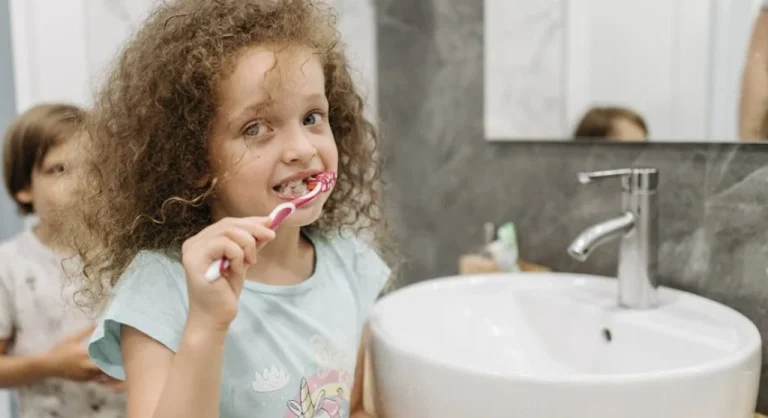
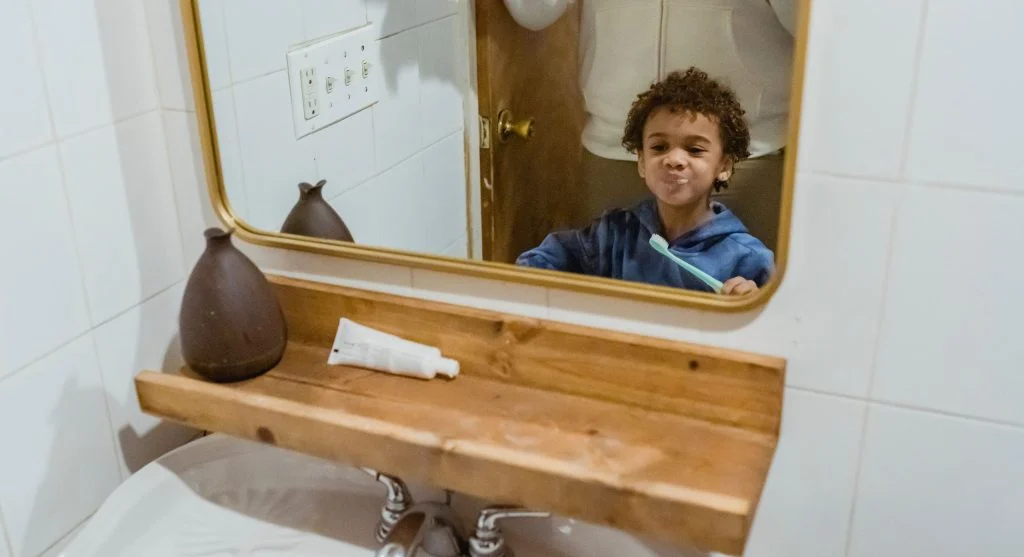
This matters because mornings place significant demands on attention, memory, and self-regulation at a time when many children are not fully alert. Development experts often suggest that routines work more smoothly when the first step is something concrete and physical. Handing a child their socks, opening the curtains, placing a toothbrush at the sink, setting shoes by the door, or offering a cup of water can help children begin moving before they are expected to manage the entire routine through listening alone.
Over time, these body-first cues can create smoother mornings by helping children enter the routine physically before requiring them to organize themselves mentally.
Morning Listening Often Starts Later Than Adults Expect
Adults are often able to wake up and quickly move into planning, decision-making, and conversation. Children frequently need more time. Their brains may still be transitioning from sleep, and their bodies may not yet be ready to meet the demands of the day. This is why a child can technically hear a parent’s words but still fail to act on them.
Child development specialists generally explain that morning cooperation is often influenced more by a child’s state of alertness than by attitude. In many families, children appear oppositional when they are actually sleepy, under-activated, and slower to process information than they will be later in the day.
Physical Cues Create a Clearer Starting Point
Physical prompts often succeed because they shorten the distance between instruction and action. Instead of asking a child to remember a direction, organize it mentally, and then act, the next step is placed directly in front of them.
Examples include:
- Laying out a shirt on the bed
- Placing a toothbrush by the sink
- Setting a backpack near the door
- Handing over socks
- Offering a water bottle
Family routine experts often note that children cooperate more easily when the next action is visible and concrete. In many homes, mornings improve when children do not have to mentally organize the first step on their own.

Children Often Respond Better Once Their Bodies Start Moving
Morning cooperation is not simply about listening. It is also about activation.
Many children need a small physical action before the rest of the routine can begin successfully.
Simple actions such as:
- Sitting up in bed
- Putting feet on the floor
- Holding a water cup
- Walking to the bathroom
- Putting on socks
may seem insignificant, but these early movements often change the entire tone of the morning. Development specialists frequently explain that movement helps organize attention. In many families, children become easier to guide after completing one small physical task because their bodies are now engaged in the routine.
Verbal Instructions Can Feel Larger Than Adults Realize
What sounds like a simple instruction to an adult may feel overwhelming to a sleepy child. For example, “Get ready for school” contains many separate tasks:
- Get out of bed
- Use the bathroom
- Brush teeth
- Get dressed
- Find socks
- Put on shoes
- Gather belongings
That is a significant amount of information to process immediately after waking. Parenting specialists often note that routines become easier when adults reduce abstraction during the first few minutes of the day. A physical cue transforms a large request into one manageable action.
Physical Cues Often Reduce Repeated Reminders
When routines depend primarily on verbal instructions, parents often find themselves repeating the same directions multiple times. This repetition can quickly create frustration for everyone involved. Children may begin tuning out the constant reminders, while parents become increasingly irritated.
Physical cues help reduce this cycle because they shift some of the structure from spoken language into the environment itself. Child behavior experts frequently explain that during transitions, children often respond more effectively to visual and physical information than to repeated verbal reminders. In many homes, a shirt laid out on the bed or breakfast already prepared is more effective than several additional spoken prompts.
Physical First Steps Can Lower Emotional Resistance
Children are sensitive to the emotional tone of routines. A morning that begins with repeated instructions and corrections can feel stressful almost immediately. In contrast, a morning that begins with a simple physical cue often feels gentler and more supportive.
Instead of feeling pushed from a distance, the child is guided into movement through action. Family relationship specialists generally note that children cooperate more readily when routines feel supportive rather than corrective. In many homes, physical first steps help create a calmer emotional atmosphere from the beginning.
This Works Especially Well for Familiar Daily Tasks
Physical prompts are often most effective for routine activities that children already know how to do.
Examples include:
- Getting dressed
- Brushing teeth
- Putting on shoes
- Sitting down for breakfast
- Packing school items
In these situations, the issue is rarely a lack of knowledge. The child understands the routine but struggles to initiate it while still waking up. Development experts often explain that routine success frequently depends on making activation easier rather than repeatedly reteaching familiar steps.
Parents Often Feel More Effective Too
This approach benefits adults as well as children. Parents can become discouraged when clear instructions seem to have no effect. Physical cues shift the focus away from persuasion and toward preparation. Instead of relying entirely on a child’s immediate listening skills, parents create an environment that naturally supports cooperation.
Parenting specialists often note that family stress decreases when adults rely less on repeated reminders and more on practical environmental support. In many homes, mornings feel less tense when guidance happens through setup rather than constant verbal correction.
Physical First Does Not Replace Verbal Guidance
Using physical prompts does not mean children should never respond to spoken instructions. Rather, it recognizes that immediately after waking may not be the best time to expect strong verbal follow-through. Once children are moving, more alert, and engaged in the routine, verbal guidance typically becomes much more effective.
Child development specialists often explain that successful routines match the child’s current state. In many families, the most effective pattern is physical first, verbal second. The body begins the routine, and language guides it once the child is more fully awake.
Why Children Often Cooperate Better With Morning Routines
Children frequently cooperate more easily when the first request is physical because concrete cues help them enter action before their minds are fully prepared to process complex instructions. A toothbrush placed at the sink, shoes waiting by the door, open curtains, or a shirt handed directly to the child often works better than multiple verbal reminders delivered too early.
That first physical action can influence the rhythm of the entire morning. In many families, smoother mornings do not begin with better explanations. They begin with better setup. Over time, one small physical cue can reduce resistance, decrease repeated reminders, and help children move into the day with less stress.
FAQ
What is a physical first request in a morning routine?
It is a concrete action cue such as handing the child socks, placing the toothbrush out, opening curtains, or setting the next needed item directly in view.
Why does this work better than talking at first?
Many children are not fully ready to process and act on verbal instructions immediately after waking. Physical cues often create faster entry into movement.
Does this mean children should not learn to listen?
No. Verbal guidance still matters, but it often works better after the child has already started moving and is more awake.
Can this help with school mornings specifically?
Yes. It can be especially useful during school mornings because time pressure is higher and the first smooth step often affects the whole routine.
Internal Linking Suggestions
Link this article to posts about school morning routines, helping children transition better, reducing repeated reminders at home, prepared spaces for routines, and calmer family mornings.
Key Takeaway
Children often cooperate better with morning routines when the first request is physical rather than verbal because concrete cues help sleepy minds move into action more easily than spoken instructions alone. A visible or touchable first step can reduce overwhelm, decrease repeated reminders, and help routines begin with less friction. In many families, once the body starts moving, listening becomes much easier. Over time, this simple adjustment can create calmer, smoother, and more successful mornings for everyone involved.