Why Children Often Enjoy Family Traditions More When the Same Photo Is Taken at the End Every Time
Family traditions often become meaningful because they repeat, but children do not always remember them the same way adults do. Parents may focus on the meal, the outing, the holiday activity, or the weekly routine itself. Children often connect more strongly to the smaller repeated details that frame the experience. Family relationship specialists generally note that children often enjoy family traditions more when the same photo is taken at the end every time because the repeated photo becomes part of the ritual, not just a record of it. In many homes, that one small moment can make the whole tradition feel more recognizable, more complete, and more special.
This matters because children build memory through repetition, emotion, and visible signs that a moment belongs to family life. A simple repeated photo at the end of a picnic, game night, birthday breakfast, first-day-of-school breakfast, Sunday walk, or seasonal outing can quietly tell the child that this moment matters enough to mark. Development guidance often suggests that rituals feel stronger when they have a clear ending that returns in a familiar form. Over time, the repeated photo may become one of the most meaningful parts of the tradition because it helps children see continuity, belonging, and growth all at once.
A Repeated Photo Can Turn an Ordinary Ending Into a Ritual Ending
Many family traditions end casually. The dishes are cleared, shoes go back on, the car ride starts, or bedtime begins. Those endings may still feel warm, but they can easily blur into daily life. A repeated photo at the end can create a more visible emotional close. It tells children that the tradition is not simply over because time ran out. It is ending in the family’s recognizable way.
Child development specialists generally note that children benefit from routines that have a clear beginning and ending. In many families, the same photo works like a closing marker. The activity now has shape. The child begins to expect not only the tradition itself, but also the final moment that seals it into memory.
Children Often Love Seeing That “This Is One of Our Things”
A repeated end-of-tradition photo can give children a quiet but powerful message: this belongs to our family. Even if the tradition itself changes slightly from year to year or week to week, the same photo habit creates continuity. The child recognizes that the family always does this one thing at the end. That repeated pattern helps the tradition feel different from ordinary daily moments.
Family communication experts generally explain that children often measure belonging through repeated family signals. In many homes, the photo becomes one of those signals. It is not only about smiling for the camera. It is about seeing that this moment fits into something larger than one isolated day.
Photos Can Help Children Hold Onto the Feeling of the Tradition
Children often remember emotional impressions more than adult-level details. They may forget exactly what was cooked, which route the family took, or what time everyone arrived. But a repeated photo can help preserve the feeling of the tradition. Looking back at the image later often brings back the mood, the place, and the closeness connected to the event.
Family memory specialists generally note that children often use visual cues to organize family experiences. In many homes, the repeated photo matters because it helps the tradition continue living in the child’s mind long after the activity ends. The image becomes a kind of emotional bookmark.
Children Often Feel More Included When They Know the Photo Will Happen
Many children enjoy predictability in family rituals. If the same photo always happens at the end, the child may begin anticipating it as part of the routine. That anticipation can make the tradition feel more participatory. The child is not only joining the activity itself. The child is also stepping into a familiar closing moment they already know is coming.
Development specialists generally note that repeated participation strengthens emotional attachment. In many families, children begin to care about standing in the usual spot, making the same face, holding the same object, or gathering with the same people. Those small details help the child feel more fully woven into the tradition.
A Repeated Photo Helps Children See Growth Without Losing Continuity
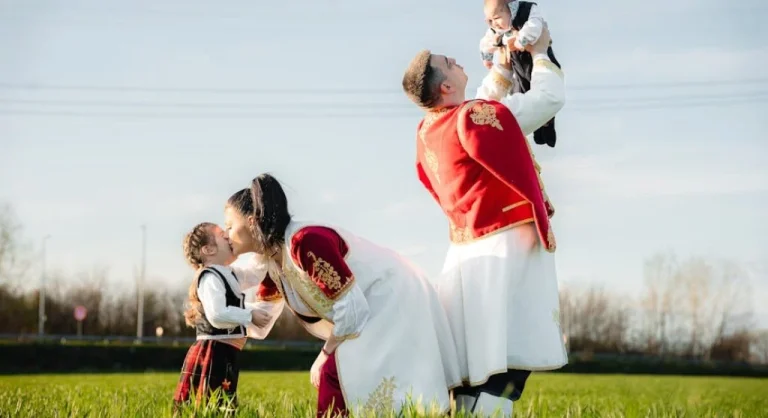
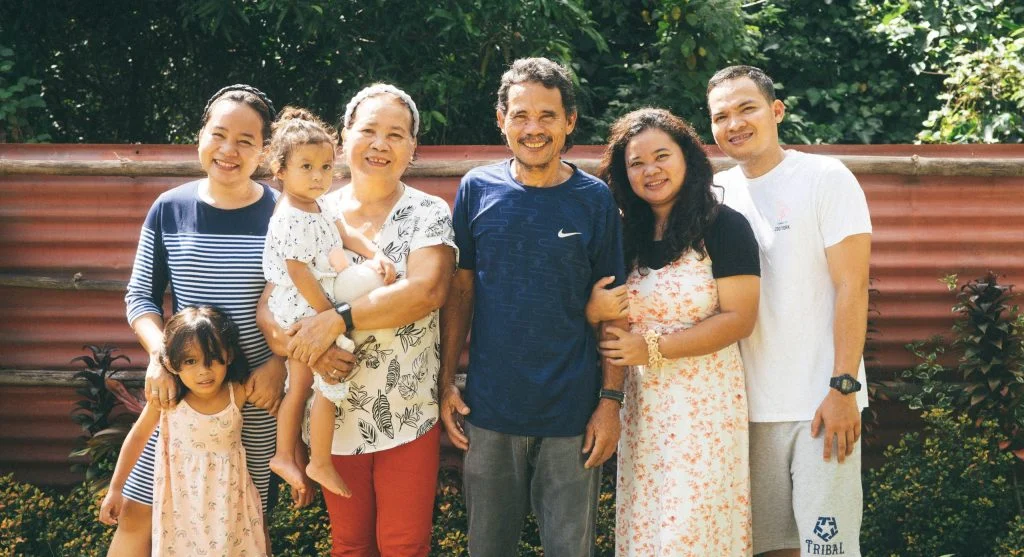
One reason repeated family photos can feel especially meaningful is that they allow children to see how much changes while something important stays the same. The child grows taller, smiles differently, wears bigger shoes, or begins holding younger siblings in the photo. At the same time, the family is still doing the same ritual in the same spirit. This mix of change and continuity can be emotionally powerful.
Child development specialists generally explain that children often need both signals: proof that they are growing and proof that family life is still steady. In many homes, a repeated photo quietly provides both. It says, “You are changing,” and also, “This family rhythm is still here.”

The Photo Often Matters Because It Is Small, Not Because It Is Grand
Adults sometimes think stronger family memories require bigger efforts. Yet one of the strengths of the repeated photo is that it is small enough to last. It does not require elaborate planning or major expense. It simply adds one repeatable closing moment to something the family is already doing. That makes it more likely to survive busy life.
Family routine experts generally note that traditions become powerful when they are easy enough to continue across years. In many homes, the repeated photo strengthens the tradition precisely because it is simple. The easier a detail is to repeat, the more emotionally significant it can become over time.
Children Often Enjoy Looking Forward to the Familiar Ending
Part of what makes traditions enjoyable is anticipation. A repeated photo can become part of that anticipation. Children may begin to expect the final snapshot almost the way they expect the activity itself. This gives the tradition another layer of familiarity and fun. The child knows how the story of the event usually closes.
Development guidance often suggests that familiar endings help children feel emotionally secure inside repeated routines. In many families, the photo becomes a gentle promise that the tradition will close the way it usually does. That predictable ending can increase enjoyment because the child experiences the whole event as a known and dependable shape.
The Same Photo Habit Can Make Different Traditions Feel Connected Too
Some families use a repeated photo in only one tradition, while others use the same idea across different rituals. A final photo after a Sunday meal, first-day-of-school breakfast, yearly trip, or holiday baking day can help children feel that family life contains many moments worth keeping. The photo habit itself becomes part of the family culture.
Family relationship specialists generally note that children respond strongly to recognizable family patterns. In many homes, the photo habit works because it turns memory-making into something visible and repeatable. It becomes a quiet family language of, “We keep this moment.”
This Habit Works Best When It Stays Light and Repeatable
The emotional value of a repeated photo usually grows when the habit stays simple. It does not need to be perfect, posed, or polished every time. What matters most is that it happens consistently enough to become part of the tradition. Children usually respond more to the familiarity than to the quality of the picture.
Parenting experts generally note that rituals last best when they are easy to do on ordinary days. In many families, the repeated photo matters precisely because it remains light. It adds recognition without adding stress, which helps the family protect the emotional warmth of the tradition itself.
Why Children Often Enjoy Family Traditions More
Children often enjoy family traditions more when the same photo is taken at the end every time because the photo becomes part of the ritual’s emotional structure. It marks the ending, highlights belonging, and helps the child see continuity across time. The activity feels more memorable not only because it happened, but because the family visibly kept it.
In many homes, stronger family traditions do not come from making them more elaborate. They come from adding one small repeated detail that helps children feel the meaning of the moment more clearly. Over time, the same end-of-tradition photo can become one of the most treasured parts of family memory.
FAQ
Why would the same photo make a tradition more meaningful?
Because repeated photos act like a familiar ending. They help children recognize the moment as something special, repeated, and worth remembering.
Does the photo need to be taken in the same exact place?
No. It can help if the setup is somewhat familiar, but the main value usually comes from the repeated habit itself, not perfect sameness.
Can this work with weekly traditions as well as yearly ones?
Yes. It can work with weekly, monthly, seasonal, or yearly family rituals as long as the photo remains a light and repeatable part of the routine.
Should families look back at the photos together?
Often yes. Looking back can help children notice growth, continuity, and the lasting value of the family tradition over time.
Internal Linking Suggestions
Link this article to posts about simple family rituals, memory-making traditions, seasonal family activities, weekly home traditions, and ways to strengthen family connection through routine.
Key Takeaway
Children often enjoy family traditions more when the same photo is taken at the end every time because the repeated photo helps mark the moment as meaningful, familiar, and emotionally safe. A simple closing photo can strengthen memory, belonging, and continuity without making the tradition complicated. Families often build powerful long-term memories through small repeatable details rather than large efforts alone. Over time, one consistent photo habit can become a treasured part of how children experience family connection.