Why Children Often Follow Learning Instructions Better When Only One Example Stays Visible at a Time
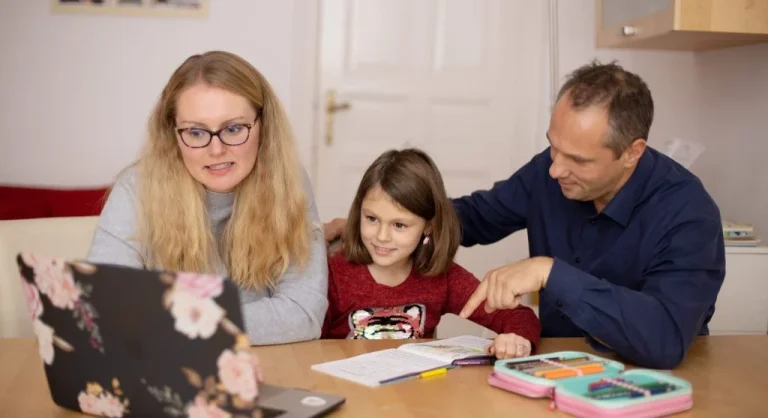
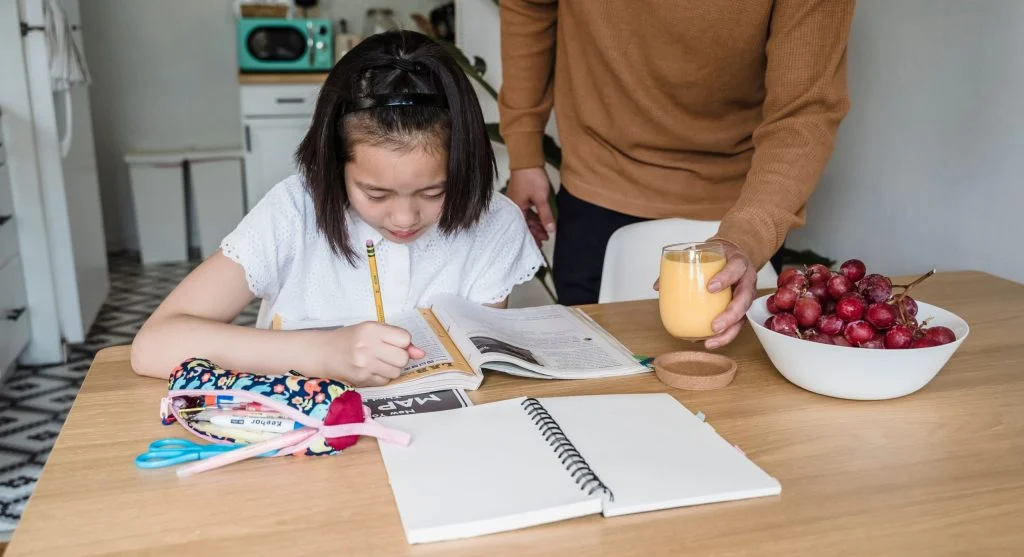
Home learning often becomes frustrating before the child even reaches the actual skill being practiced. A page may include several examples, multiple instructions, and different visual prompts all at once. Adults usually understand the layout quickly, but children often do not. Education specialists generally note that children often follow learning instructions better when only one example stays visible at a time because a crowded page can compete with the child’s attention before the first step is even clear. In many homes, the problem is not laziness or refusal. It is that too much information is arriving at once.
This matters because young learners are still developing the ability to sort instructions, ignore extra examples, and stay mentally organized while working. Development guidance often suggests that when adults reduce what is visible and let the child focus on one example first, confusion can drop quickly. Over time, this can make home learning calmer, improve direction-following, and help children build more confidence during reading, math, writing, and worksheet practice.
Too Many Examples Can Make the Task Feel Bigger Than It Really Is
Adults often look at a page and immediately understand that the child only needs to do one part first. Children may not experience it that way. They may see five similar questions, arrows, pictures, boxes, and instructions all at the same time and feel as if the entire page is demanding attention immediately. Even if the work itself is simple, the visual weight can make it feel difficult before the child has even started.
Child development specialists generally explain that children often react first to the overall load of the page, not only to the skill being practiced. In many families, this is why a child says, “This is too much,” before trying the first item. The child is responding to visual overload, not necessarily academic difficulty.
One Visible Example Makes the First Step Easier to Understand
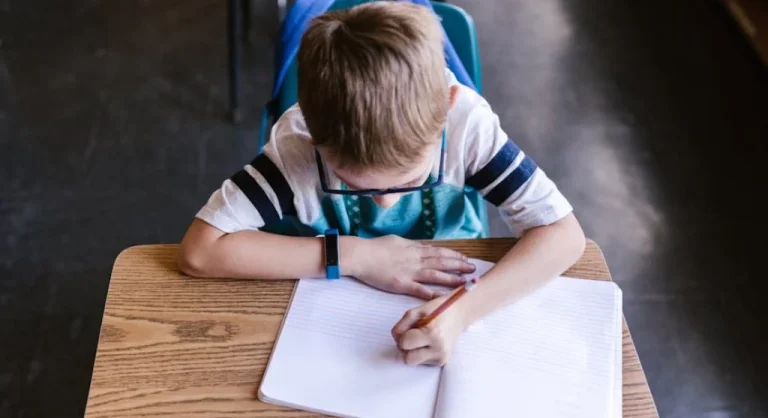
When only one example is visible, the child’s brain often has a much clearer job. Instead of scanning the whole page and trying to decide what matters most, the child can focus on one task, one direction, and one response. This smaller target often makes the instruction feel more manageable and easier to begin.
Family learning experts generally note that children do better when adults turn a broad assignment into a narrow starting point. In many homes, a child becomes more cooperative simply because the work now feels possible. The child no longer has to organize the whole page before beginning. The child only needs to understand one example.
Children Often Follow Directions Better When Their Eyes Are Not Competing With Themselves
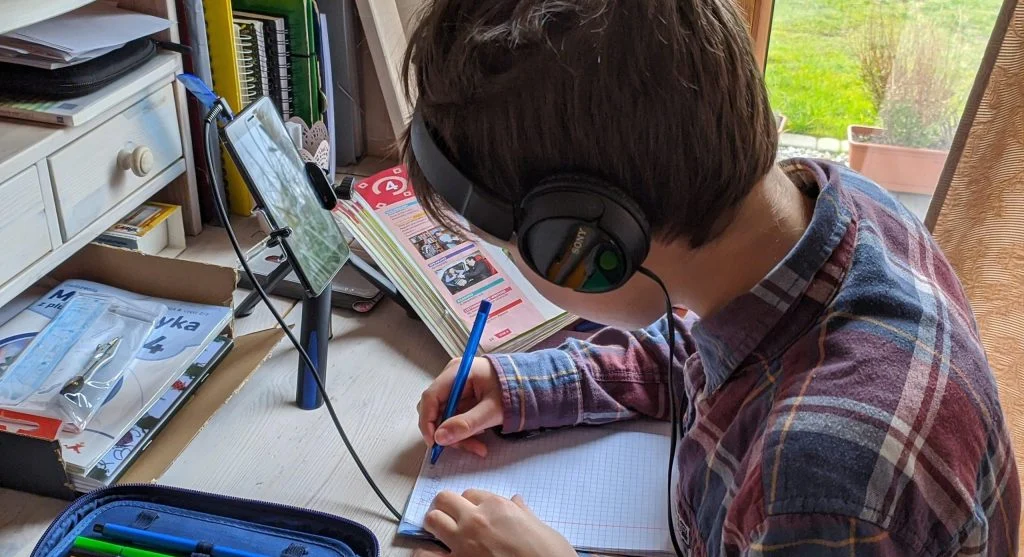
Many worksheets and practice pages accidentally ask children to ignore information they are not yet ready to filter out. That is hard work. A child may look at the first example but keep glancing at later items, pictures, or answer spaces. Each extra visual cue can compete for attention and pull the child away from the direction being explained.
Education specialists generally explain that attention improves when visual competition is reduced. In many homes, covering the rest of the examples with a blank sheet of paper, a folder, or even a hand can make the first instruction much easier to follow. The child is not suddenly more capable. The child is simply less distracted by unnecessary information.
Visible Reduction Can Lower Anxiety During Homework or Practice
Some children become anxious when they can see an entire page of work waiting. Even if they understand the first item, the rest of the page can already feel like pressure. A one-example approach can help because it shrinks the emotional size of the task. The child begins with one problem instead of mentally facing the whole assignment at once.
Development specialists generally note that reducing visible workload often helps children feel calmer and more willing to begin. In many families, this approach is especially helpful for children who are bright but easily overwhelmed, or who tend to shut down when a page looks busy.
Children Often Learn the Routine of the Task More Quickly With One Model in View
Many assignments require children to understand a pattern in how to respond. They may need to match, circle, underline, count, label, or write in a specific format. When one example stays visible, the child can absorb the response pattern more clearly. Once that pattern makes sense, the next items usually become easier.
School readiness experts generally note that children often need to understand the routine of a task before they can show the academic skill inside it. In many homes, one visible example works well because it teaches the child how this particular page works before expecting success across the whole sheet.

This Method Can Help With Reading, Writing, and Math
One-example visibility is not only useful for worksheets with identical questions. It can help in many learning situations. In reading, a child may follow instructions better when only one sentence or one paragraph is being discussed at a time. In writing, one visible model sentence may be easier to use than a full page of prompts. In math, one worked example may help the child notice the method before seeing many versions of the same problem.
Family learning specialists generally note that children respond well when adults manage information flow carefully. In many homes, this approach becomes useful across subjects because the real benefit is not tied to one topic. It is tied to how children process directions.
Parents Often Explain More Clearly When the Page Is Simplified
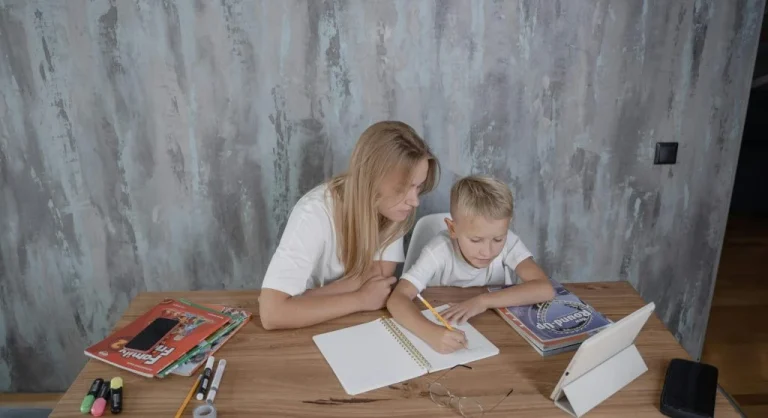
This strategy helps adults too. When only one example is visible, parents are less likely to over-explain, skip ahead, or describe three things at once. The instruction usually becomes shorter and easier to understand because the adult is responding to one visible item instead of the full sheet.
Parenting experts generally note that many homework struggles grow when adults try to explain the whole page before the child has processed the first step. In many families, simplifying the visible part of the page improves adult teaching as much as child listening.
One Visible Example Can Support Independence Later
Some adults worry that hiding the rest of the page may make children too dependent on support. In practice, this often works like a bridge. Children first learn to focus on one example with help, then gradually become better at mentally ignoring extra material on their own. The support is not replacing independence. It is helping build it.
Development guidance often suggests that children learn externally before they manage the same process internally. In many homes, covering part of the work becomes a temporary support that helps the child build stronger self-direction over time.
Children Often Feel More Successful When They Can Finish Something Before Seeing Everything
Completing one visible example gives children a quick sense of progress. That success matters because motivation often rises after the child feels capable, not before. Once the first item is understood and finished, the next example usually feels less threatening. The page gradually opens up only after the child has some momentum.
Education specialists generally note that confidence often grows through visible success in small steps. In many families, children stay more engaged because they get to feel competent before facing the rest of the assignment.
The Best Use of This Approach Is Usually Simple and Flexible
Families do not need a complicated system to use this method. A blank sheet of paper, notebook, or folded page can often do the job. The key idea is simply to reduce what the child has to visually manage in the moment. What matters most is not the tool itself, but the decision to limit the page to one meaningful example at a time.
School readiness specialists generally note that children benefit most when support methods are easy enough to use regularly. In many homes, this small visual adjustment becomes a practical daily habit because it saves time, lowers frustration, and makes practice easier to start.
Why Children Often Follow Learning Instructions Better
Children often follow learning instructions better when only one example stays visible at a time because the task becomes easier to understand, easier to enter, and less visually overwhelming. Instead of juggling the whole page, the child can focus on one clear instruction and one clear response. That often improves attention, reduces anxiety, and leads to better home learning experiences.
In many families, stronger academic support does not begin with more explanation. It begins with less visual noise. Over time, one-example visibility can help children listen more closely, follow directions more accurately, and feel more confident in their ability to learn at home.
FAQ
What does it mean to keep only one example visible?
It means covering the rest of the worksheet or page so the child sees only the item currently being explained or completed.
Can this help children who get overwhelmed easily?
Yes. Many children feel calmer and more capable when they do not have to look at the whole page at once.
Is this only helpful for younger children?
No. It can help any child who struggles with busy pages, visual overload, or following multi-step directions during practice.
Will this slow learning down?
Usually not. In many cases it helps children begin faster and make fewer mistakes, which can actually make practice more efficient overall.
Internal Linking Suggestions
Link this article to posts about homework help, reducing worksheet frustration, improving attention during learning, home reading support, and practical school readiness habits for parents.
Key Takeaway
Children often follow learning instructions better when only one example stays visible at a time because reducing visual overload makes the first step easier to understand and complete. Many children struggle not with the skill itself, but with the crowded way the task is presented. Families often see calmer, faster, and more accurate work when they simplify what the child sees in the moment. Over time, this small strategy can improve attention, confidence, and learning success at home.