Why Children Often Move Faster Through Routines When the Room Is Set Up Before They Enter
Many parents spend a lot of energy repeating the same directions every day. Get dressed. Wash your hands. Sit down for breakfast. Put on your pajamas. Grab your backpack. Yet even when children know these routines well, they may still move slowly, wander off, or need the same reminders again and again. Parenting specialists generally note that children often move faster through routines when the room is set up before they enter because the environment quietly shows them what happens next. In many homes, the child is not only responding to instructions. The child is also responding to what the room makes easy and what the room makes difficult.
This matters because children often rely on the environment just as much as they rely on words. Adults may think the routine lives in their instructions, but children often experience the routine through what they can see right in front of them. A bathroom with a towel ready, a bedroom with pajamas laid out, a kitchen table set for breakfast, or an entryway with shoes and a bag in place can make the next step feel obvious. Development guidance often suggests that prepared spaces reduce hesitation, lower distraction, and make family routines smoother without so much verbal pressure. Over time, this kind of preparation can make daily life feel less repetitive and less exhausting for everyone.
Children Often Follow What the Room Suggests Before They Follow What Words Suggest
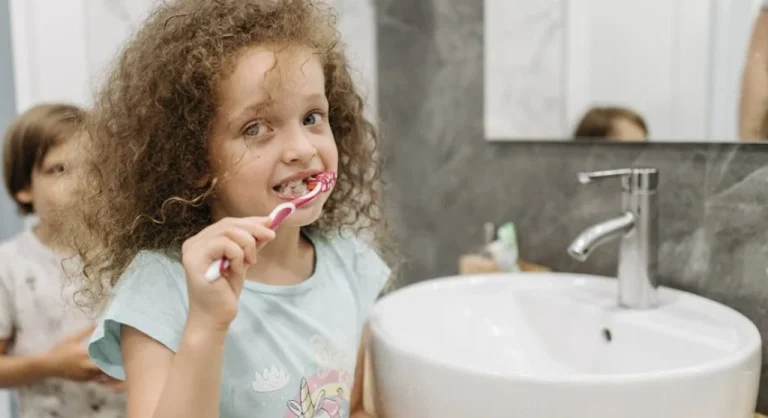
Adults often assume spoken directions should be enough, especially for routines children already know. Yet children frequently respond first to what the environment is inviting them to do. If toys are still scattered across the floor, a child may keep playing. If the toothbrush is not visible, the bathroom may not immediately feel like a brushing space. If the backpack is missing, leaving the house can feel delayed before it really begins.
Child development specialists generally note that children often do better when the next action is visible and easy to recognize. In many families, this is why one prepared room can reduce so many repeated reminders. The space itself begins carrying part of the routine.
A Prepared Room Can Remove Unnecessary Decisions
Many routines slow down because children run into too many small decisions before the main task even starts. Which shirt? Where are the socks? Which towel? Where is the notebook? Which chair? Adults often move through these questions quickly, but children can get stuck in them. A room that is already arranged for the next step reduces this hidden decision load.
Family routine experts generally explain that children often move better when fewer choices appear during transition moments. In many homes, the routine becomes easier not because the child suddenly becomes more obedient, but because the environment stops asking so many questions before the child has even fully entered the task.
Transitions Often Improve When the First Action Is Obvious
Children usually struggle most at the very beginning of a routine shift. They may know what is supposed to happen but still resist the first movement into it. When the room is ready, the opening step becomes clearer. A child walks in and sees pajamas on the bed, a breakfast plate on the table, or a towel hanging in view. This reduces the mental gap between hearing the instruction and doing the action.
Parenting specialists generally note that routines go more smoothly when children do not have to search for the first move. In many homes, the prepared room shortens the distance between intention and action, which is often where delay and conflict begin.
Prepared Spaces Can Lower Emotional Friction
Adults often think of routine preparation as practical, but it can also have a strong emotional effect. A child entering a ready space may feel less rushed and less uncertain. The routine feels expected instead of improvised. That steadiness can lower emotional friction, especially for children who are sensitive to stress, tiredness, or abrupt transitions.
Development specialists generally explain that predictability helps children regulate. In many families, the calm of a prepared room supports cooperation because the child feels the routine has already begun in an organized way. The environment feels less chaotic, so the child does not need to fight the shift as strongly.
Children Often Drift Less When Competing Cues Are Reduced
One reason routines break down is that the room still contains too many cues from the previous activity. A child may enter the bedroom for pajamas but be distracted by blocks on the floor. A child may walk into the kitchen for breakfast but notice a tablet left on the counter. These competing signals can quietly pull the child away from the routine before it gets going.
Family organization experts generally note that children often move faster when the space highlights the next task and reduces competing attractions. In many homes, better routine flow is not only about adding the right items. It is also about removing the wrong ones from the child’s immediate path.
Room Setup Can Help Adults Use Fewer Words
Many parents become worn down by constant verbal management. The more they repeat themselves, the more frustrated they feel, and the more children may start tuning out routine talk. A prepared room can reduce this verbal load by letting the space do some of the teaching. The adult still guides, but no longer has to build the whole routine through speech alone.
Child behavior specialists generally note that children often respond better to a mix of visual and physical cues than to verbal reminders alone. In many homes, this helps adults stay calmer because they are guiding a prepared process instead of pushing an unprepared one forward through repeated commands.
Children Often Build Independence More Easily in Prepared Environments
Some adults worry that preparing the room means doing too much for the child. In practice, prepared spaces often support independence rather than weaken it. When the environment makes the next step visible, children are more likely to begin and continue on their own. The adult is not doing the routine for the child. The adult is making the routine easier for the child to enter successfully.
Development guidance often suggests that independence grows best when children can succeed repeatedly. In many families, room setup becomes part of that success. The child begins doing more because the path is clearer, not because the expectations have disappeared.
This Approach Works Best With High-Frequency Routines
Prepared environments are especially helpful for routines that happen again and again. Morning getting-ready, bedtime, leaving the house, homework setup, and mealtimes all benefit because repetition strengthens the child’s recognition of the pattern. The more often the same setup appears, the more easily the child connects that room arrangement with the action that follows.
Family routine specialists generally note that repeated environmental cues can become part of a child’s internal routine memory. In many homes, this is why daily setup helps so much. It does not only solve one difficult moment. It teaches the shape of the routine over time.
The Best Setup Is Usually Simple, Not Perfect
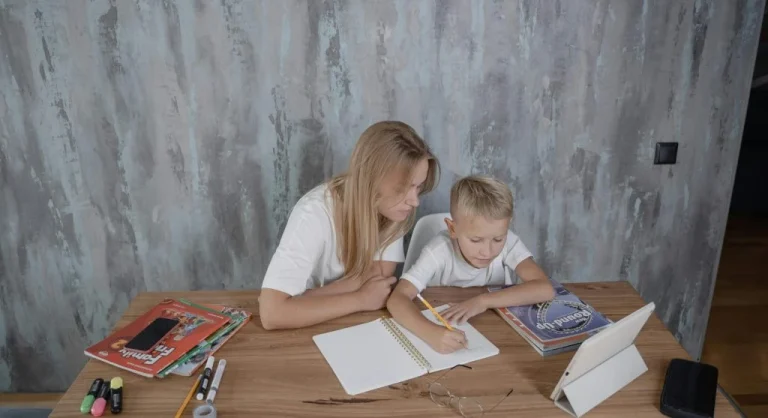
Families do not need highly organized or picture-perfect spaces for this idea to help. What matters most is that the most important item or cue is ready before the child enters. Shoes by the door. Pajamas on the bed. Toothbrush already out. Homework pencil on the table. The goal is not a flawless house. The goal is a room that clearly suggests the next action.
Parenting experts generally note that simple preparation works better than elaborate systems that are hard to maintain. In many homes, one or two strong cues are enough to change the flow of a routine in a meaningful way.
Why Children Often Move Faster Through Routines
Children often move faster through routines when the room is set up before they enter because the environment reduces uncertainty, removes extra decisions, and makes the next step easier to see. The child no longer has to rely only on memory and repeated reminders. The space itself offers guidance. That often makes routines feel less heavy and less emotionally charged.
In many families, smoother routines do not begin with louder instructions. They begin with quieter preparation. Over time, a ready room can help children shift more easily, act more independently, and move through daily life with less resistance and less stress.
FAQ
What does it mean to set up a room before a child enters?
It means placing the key routine items in view ahead of time, such as clothes, towel, toothbrush, shoes, or school materials, so the next step feels clear right away.
Can this really reduce routine struggles?
Yes, many children respond better when the environment supports the routine instead of relying only on repeated verbal reminders.
Does this make children too dependent on setup?
Usually not. Prepared spaces often help children become more independent by making success easier and more repeatable.
Which routines benefit most from this idea?
Morning routines, bedtime, homework setup, mealtimes, and leaving-the-house transitions often improve the most.
Internal Linking Suggestions
Link this article to posts about morning routine tips, bedtime transitions, reducing family stress at home, helping children follow routines, and practical home organization for parents.
Key Takeaway
Children often move faster through routines when the room is set up before they enter because prepared spaces make the next step easier to see and easier to start. A ready environment can reduce decision overload, lower distraction, and help parents rely less on repeated reminders. Families often find that simple setup changes make routines calmer and more manageable. Over time, this small habit can support smoother transitions, better cooperation, and stronger independence in children.