How Families Can Support Curiosity at Home Without Overscheduling Learning
Lots of parents would like to help their kids learn at home, but are nervous about making their children’s lives into one long series of lessons, being told what they did wrong, and feeling stressed. Experts in how children grow and in early learning say that children’s natural desire to know things thrives best when they have space to observe, question, experiment, and investigate. However, this isn’t to say home learning should never have a plan. Children typically do much better with a home that is carefully designed to encourage learning, rather than being constantly judged on their school work.
And being curious is important for keeping children interested in learning. A child who is curious will ask more questions, will have another go if they don’t get it at first, and will notice specifics in their surroundings. Often, families help this along best not by scheduling in a lot of extra things to do, but by being good with those typical, spontaneous moments of interest that pop up during the day.
Curiosity Often Begins With Noticing
Kids get interested in things when something really grabs them and makes them stop and think. It might be a little insect on the pavement, wondering how bread gets to be so fluffy, a repeating design in a book, or something they hear being discussed while the family is eating. And families will usually do the best job of fostering that curiosity if they allow time for the child to have that pause, if they don’t immediately move on.
This is important because learning isn’t limited to happening at a desk or table. More often, learning starts when a child observes something and wants to know more about it. Adults don’t have to instantly have all the answers; in fact, they usually just help by showing that the question itself is valuable.
Questions Can Be More Valuable Than Quick Explanations
When grown-ups are in a hurry (and they usually are!), we tend to give kids answers to their questions right away. However, kids are usually even more interested in something if you don’t rush to tell them all about it. Instead of just being told things, they’ll get more involved with their learning if you ask them what they think or what they’ve seen.
To be clear, you absolutely don’t have to avoid giving an answer. It’s just that a child’s own thoughts and interpretations can become a great part of how they learn. And families will find that a love of asking questions, of being curious, is much more useful for a child than simply being correct, being right, or having the answer.
Credit: Gustavo Fring /Pexels
Reading, Conversation, and Play All Support Curiosity
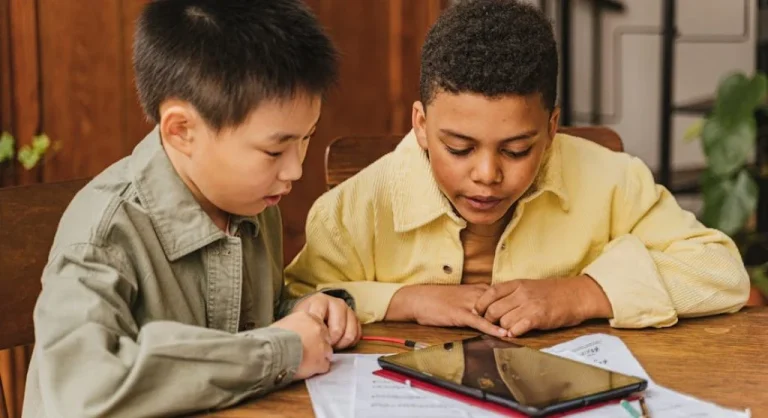
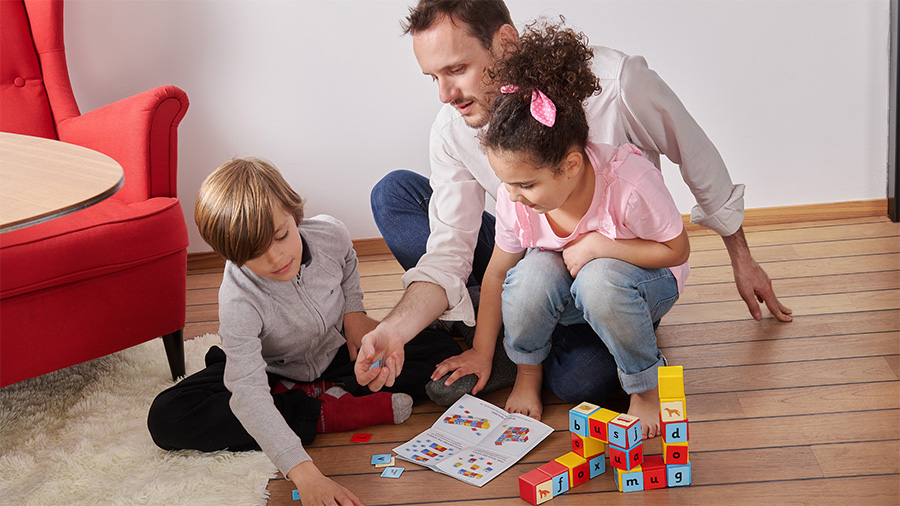
If you’re already doing things like reading with your kids, chatting with them, and having them play, you don’t require anything special to foster their curiosity. Books introduce children to both fresh thoughts and the way things are put together, talking allows them to get their ideas in order and formulate questions, and playtime gives them a way to actually do something with their ideas.
All these kinds of experiences nurture curiosity because they allow for both a framework and exploration. Perhaps a child will ask about a character’s motives, think about different ways to build with blocks, or hear an unfamiliar word while you’re speaking. Each of these shows how the usual stuff of family life is woven into a child’s first steps in learning.
Too Much Scheduling Can Crowd Out Exploration
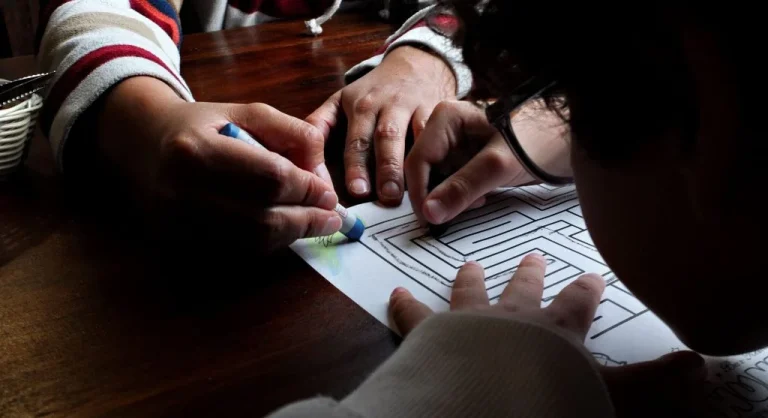
Learning is good for kids, but if things are too planned, they have less chance to look into things at their own speed without being pushed to get something done. If they’re always working towards a specific end goal with each thing they do, they might pay more attention to completing it or making grown-ups happy, instead of observing and being curious.
Families are generally best at encouraging a child’s curiosity by having some flexible time in the day for them to start being interested in things on their own. This sort of thing can occur during walks, when they’re playing freely, at dinner, or while you’re reading to each other. It’s not about having no schedule at all, just a little bit of space in the schedule for questions to pop up by themselves.
Adults Help Curiosity Grow Through Their Response
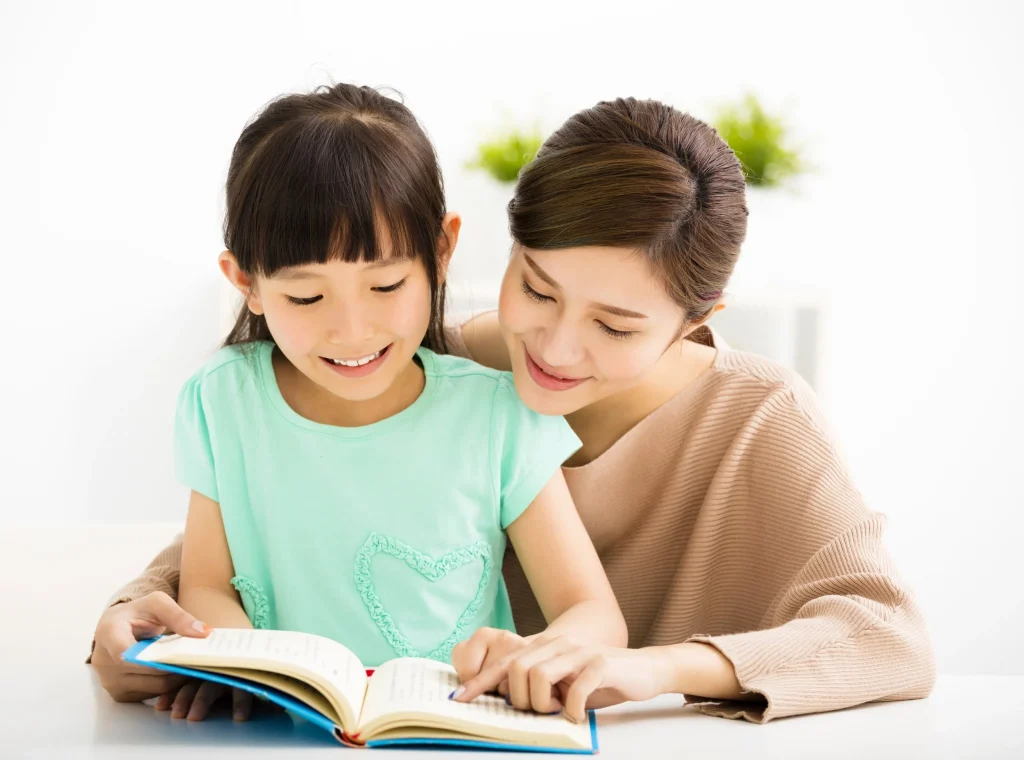
Kids tend to keep on questioning if grown-ups are calm and don’t get annoyed with them. A quick reply, being told to go away, or hearing “not now” over and over slowly makes children less likely to freely share their worries within the family. But a little bit of apparent interest, even if it’s all you offer, will encourage a child to continue to think and investigate.
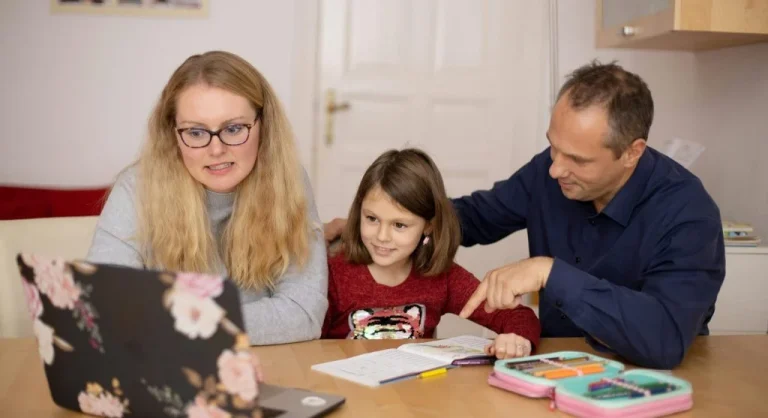
Adults don’t have to be experts on absolutely everything. They can support a child’s curiosity just by appearing interested and, if necessary, being prepared to find things out with the child. This shows learning is something you do, a two-way street.
Credit: RDNE Stock project /Pexels
Curiosity Works Best When Learning Feels Sustainable
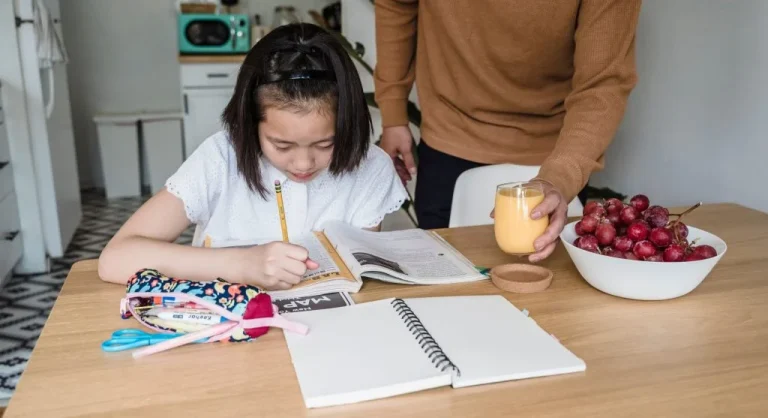
Kids do best when parents don’t turn being inquisitive into just another thing they have to achieve. Curiosity normally blossoms when children are free to ask things, investigate, and come back to the same questions later. A home that’s good for learning isn’t one that’s like school all the time, but instead one with space for what a child is interested in, for talking, and for finding things out.
And if families nurture their children’s questions without filling every minute with planned lessons, they’re likely to create something that lasts a lot longer than good grades on one test. They are assisting their children in forming a continuing connection with questioning, with paying attention, and with the act of exploring.
Key Takeaway
At home, families can encourage a child’s natural wonder by allowing time for observing things, asking questions, chatting, reading and just being playful, but without making absolutely everything into a proper school session. Kids are usually most curious when grown-ups seem interested in what they’re thinking and when they’re able to look at ideas and get to know them at their own pace. Being too busy can actually stop this from happening. When kids are learning at home, what the surroundings are like and how they’re designed is frequently a lot more important than having a very rigid academic timetable.