How Reading Routines at Home Can Support Early Learning
Lots of people think doing reading as a habit at home helps kids do well in school, but it’s about a lot more than just learning to read and write. Reading with your child boosts their word knowledge, their ability to listen, how long they can focus, a closer emotional bond, and a feeling for how stories go and how language works. A normal family reading time is a really useful and easy way to help little ones learn in their early years, without making the home feel like a school.
The Centers for Disease Control and the American Academy of Pediatrics’ advice on how kids grow always says that language skills grow with normal daily interaction, like talking, singing, and reading. And the American Academy of Pediatrics has for a long time said that reading aloud is good for making a stronger bond with your child while also helping their brain and language develop. This is important as children aren’t learning from books by themselves; they learn about books with a grown-up who responds to them.
Why Reading Routines Matter Before Formal Schooling
Kids start getting ready to read much earlier than when they begin school. They learn the basics of language by being spoken to, by having stories read to them, by being inquisitive and by discovering that the words on a page mean something. A regular time for reading makes these things happen all the time, not just now and then.
And experts frequently point out that these reading sessions don’t need to be lengthy to do a lot of good. Just a little bit of reading each day can help children get used to books, to paying attention, to having a turn speaking and to having a chat. It’s important to do it more than once, because this makes reading a typical, cozy part of how your family is together, not just a job they do to satisfy school.
Shared Reading Supports Language and Attention
When grown-ups read to kids, they effortlessly introduce them to new words, ways of building sentences, and how people chat. This is particularly helpful when children are very young, because their language skills are increasing so quickly. It’s not just about hearing the words themselves, but hearing them within a story.
Reading together also encourages children to concentrate. Being with a book, being led through a story, looking at the pictures, and replying to easy questions all help them to practice being focused. And building this kind of attention, particularly when a story is read repeatedly and in a peaceful, expected fashion, will make it easier to be prepared for a classroom.
Credit: RDNE Stock project / Pexels
How Reading Builds Connection as Well as Skills
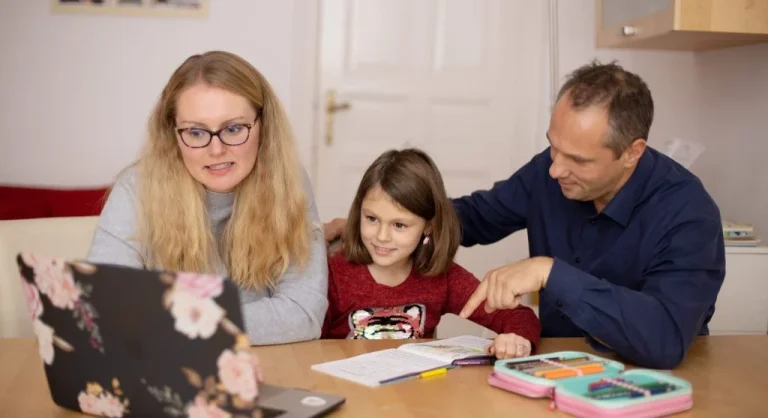
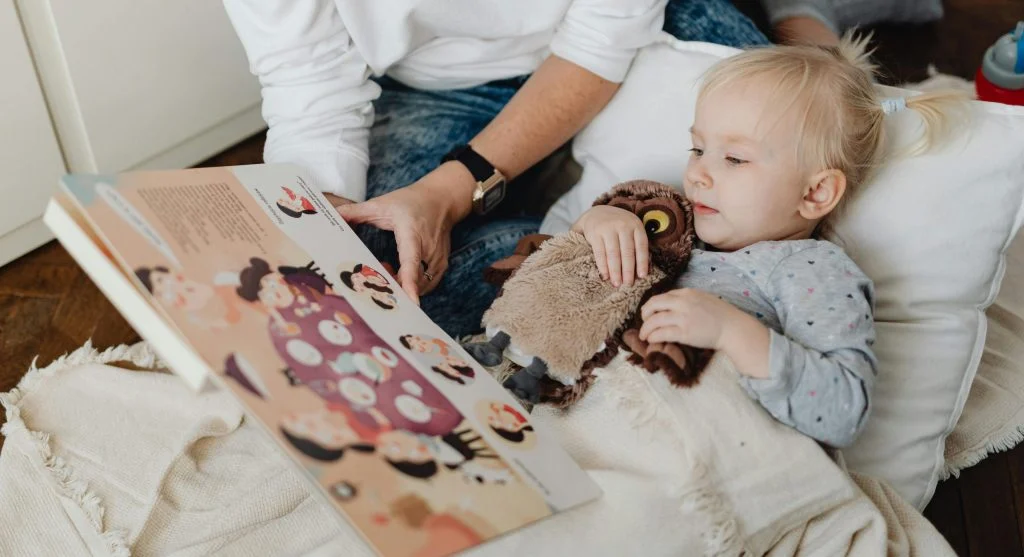
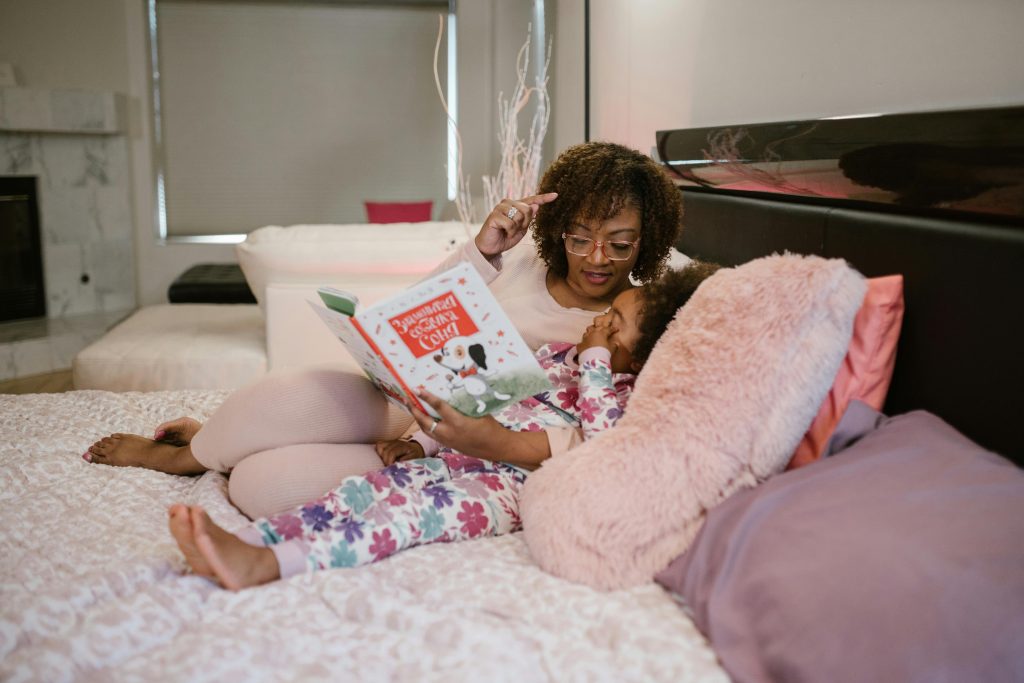
Experts really like reading routines because they help kids learn and get closer to the people they love. When a child is with a mom or dad, asking about the story, showing where things are in the pictures, and listening to a voice they know, they’re also feeling cozy, knowing what to expect, and having the adult’s full focus.
The American Academy of Pediatrics (AAP) often says these times tie into good growth and development, as a child’s early learning is very much based on their relationships. Kids are far more likely to pay attention if reading feels like a conversation and they feel emotionally secure, and in fact, what you talk about because of the book can be as important as the actual text.
What Makes a Home Reading Routine More Effective
You don’t need lots of books or a long time at night to make reading valuable for your family. At a lot of homes, reading habits that become a normal part of each day are what work best. You could read at bedtime, after you’ve eaten, or during a peaceful time in the morning.
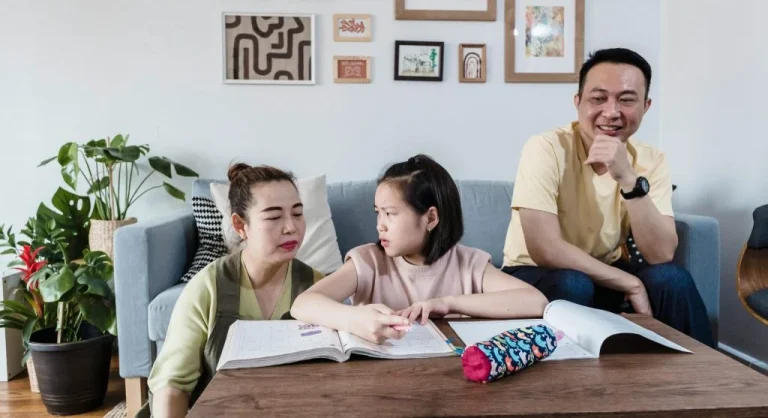
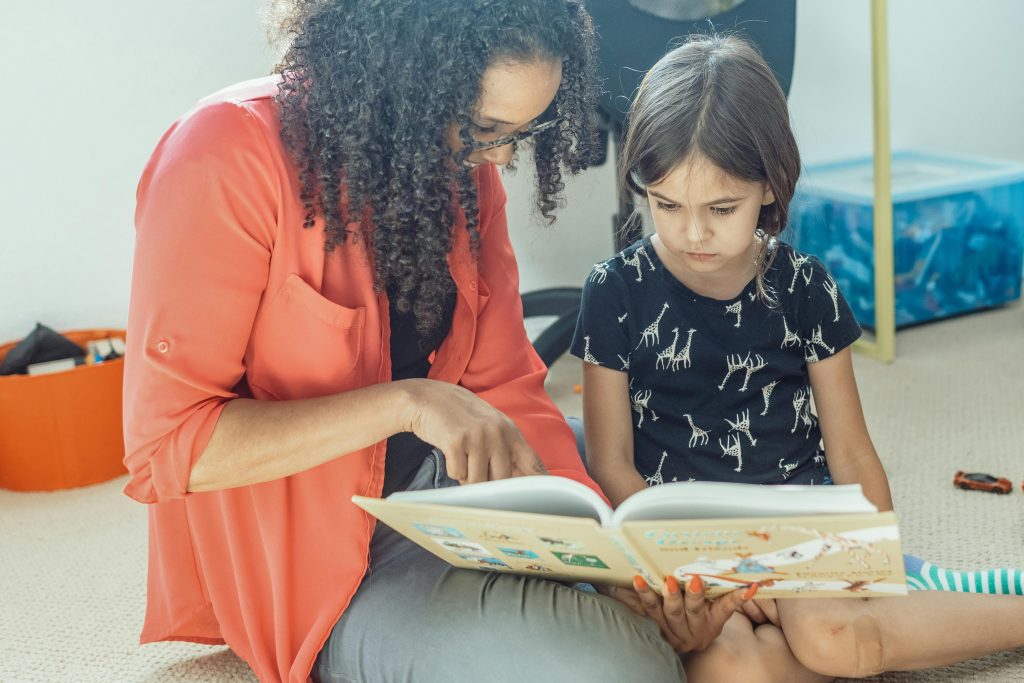
When adults are reading with children, most experts suggest making it a back and forth thing. This means pointing to things in the pictures, asking your child what they see, briefly explaining words they don’t know, or having your child say back what’s happened in the story. Little bits of this kind of talking with your child will help them get from just hearing the story to being a part of it.
Why Consistency Matters More Than Complexity
Lots of families think they have to do proper lessons or fit reading into a really strict timetable to help their kids with it at home. But generally, doing a little bit of reading regularly is much more helpful than trying for long periods of reading now and then which are hard to keep going. A ten minutes of reading you do every day, for example, will probably help a child grow and learn more than if you have a long reading session sometimes.
This idea is what HealthyChildren recommend for all family habits – children thrive when what happens is something they can rely on and deal with. When reading is part of this pattern, children will find it easier to look forward to, have fun with, and improve at over time.
Credit: Kindel Media / Pexels
How Families Can Keep Reading Realistic
It’s much easier to keep up with a reading time if you don’t get hung up on how it ‘should’ go. A toddler who is full of energy might only sit for a couple of pages, a preschooler will happily hear the very same story over and over, and a slightly older child could like to read some, then you read some. These things aren’t showing the reading time isn’t working, in fact, they’re very common as children learn.
Families have a better time with reading when it’s something you do to enjoy rather than to show off. You aren’t aiming to show how clever your child is being at reading every evening, you’re working towards getting them used to books, words, and concentrating on the book with you, and this is a relationship with reading that will improve as they get older.
Reading at home helps young children learn because of the mix of saying things again, using language, and being close to someone.
Key Takeaway
When you read with young children at home, you’re helping them learn – specifically, you’re increasing the words they know, their ability to focus, how well they listen, and their bond with you. Most people who know about this stuff suggest reading with your child regularly and talking about the book, instead of making it a really formal, school-type activity. Even if you just read for a little bit each day, it really helps their growth, as long as it happens at the same time and your child likes it. And as this reading becomes a normal thing, both their reading skills and how close you are to each other will get stronger.