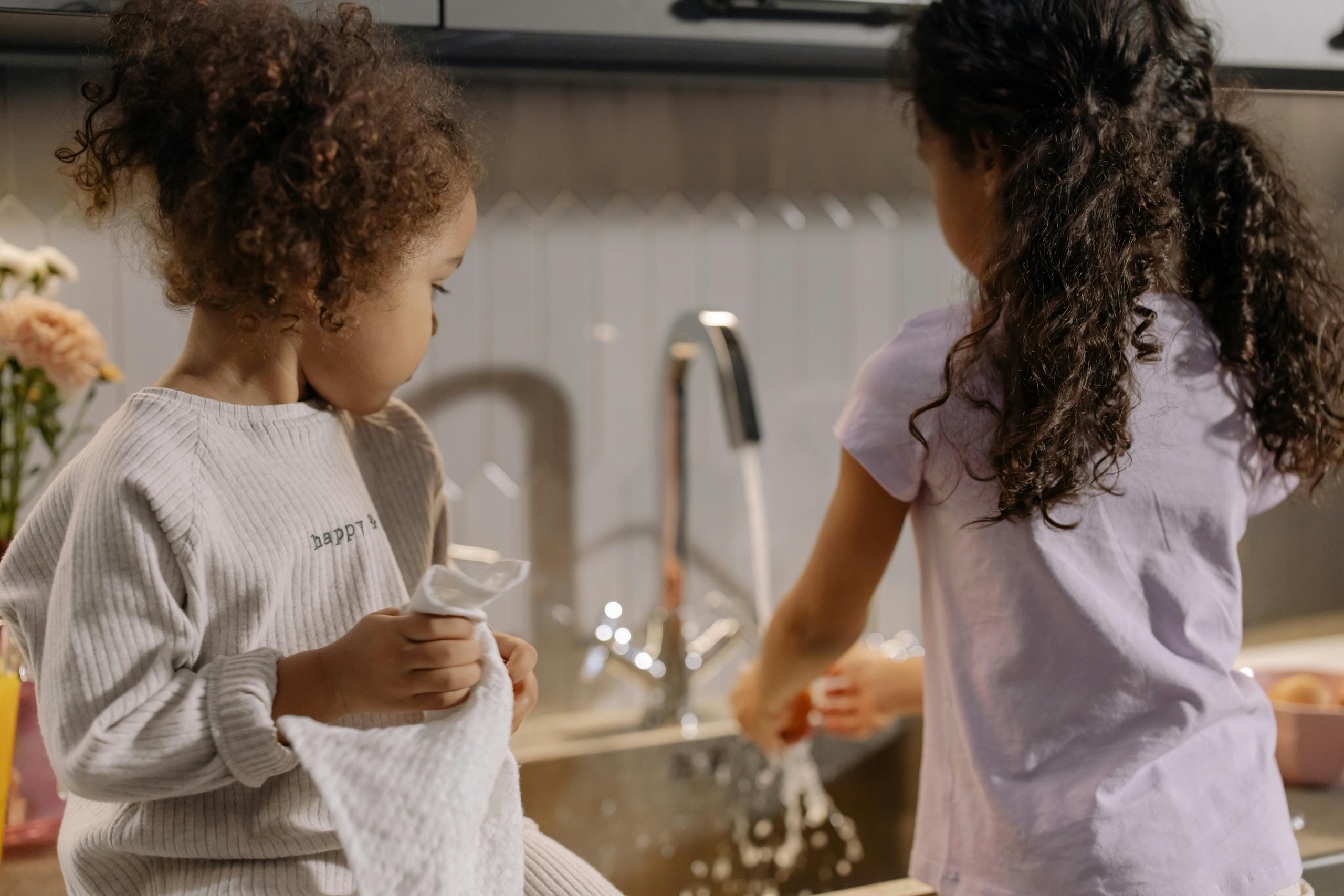
Most of the time we think of chores as something kids should do because they’re told to, or because it’s just easier if they do, but people who study how kids grow and learn look at it in a wider way. Being given jobs around the house that they can do for their age allows children to feel capable, to get into a regular pattern, and to feel as though they are part of the family. If the tasks are suited to their current level of development, they’ll help a child improve, and not create endless arguments about doing things at home.
HealthyChildren, which is the American Academy of Pediatrics’ website for parent information, says chores and responsibilities are a key part of a child growing up and give them skills they’ll use throughout their lives. And, according to new advice from HealthyChildren about emotional health, chores are a good way to encourage responsibility, a sense of being included, and self-assurance. So for a family, chores are much more than simply getting the housework done; they’re how children learn to be involved and to be accountable for what they do.
1. Chores Help Children See Themselves as Contributors
When kids do chores, they begin to think of themselves as being a part of the family and all that happens at home, not just as people who are looked after. Even little things like tidying up toys, taking the laundry, or getting the table ready clearly show that the family needs everyone to pitch in to make things run.
Lots of people who study children say that helping out makes kids feel more like they are the family. Children who consistently do reasonable tasks are more inclined to realize their efforts are important within the family. And if they feel that way, chores start to feel less like something they are made to do and more like something everyone is responsible for doing together.
2. Responsibility Builds Through Repetition, Not Lectures
Kids usually get to be responsible by doing things over and over, not from just being told to grow up. If they do a similar task frequently, it just becomes a normal part of how the family operates. This repeating is important; it creates a habit and stops kids from feeling like they only get chores when mom or dad are annoyed.
The chore advice from HealthyChildren, which is based on a child’s age, shows this is how development works. Children thrive with tasks that are easy, happen often, and change as they get older, as opposed to having everything dumped on them at once and being expected to handle it.
3. Chores Can Build Practical Life Skills
Chores aren’t just about getting kids to do what you say. They actually give children a chance to learn to do things in order, finish what they start, be tidy, and look after areas everyone uses. When kids get a little older, into their teens, they can also develop planning abilities, get things done once they’ve planned them, and understand how their own work affects how the whole house runs.
The American Academy of Pediatrics specifically says chores for teenagers build skills they’ll use in life and help them with being part of a team. This is important because it changes why you ask them to do chores. Instead of just making things easier for you right now, the point is to help them become capable for the future.
Credit: Pexels
4. Age-Appropriate Tasks Help Children Feel Capable
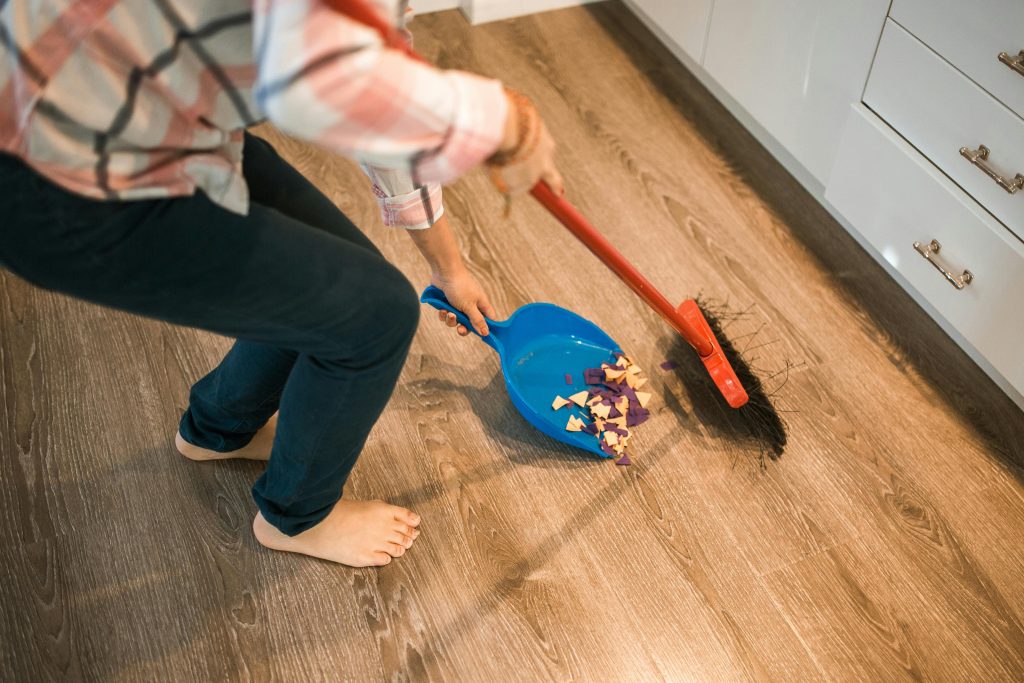
Kids do better with chores if the chore is right for their age. For instance, a child in preschool will generally be able to put toys away or set the napkin out at the table more easily than do a big cleaning job. Children as they get older might be ready to sort the washing, get their room tidy or look after a pet regularly, though they’ll need someone to check on them.
Most people who know about these things advise against giving kids chores that are too hard and that they’ll fail at over and over. Children gain confidence when they can finish something pretty well and slowly do more complicated things after that.
5. Chore Routines Can Reduce Conflict
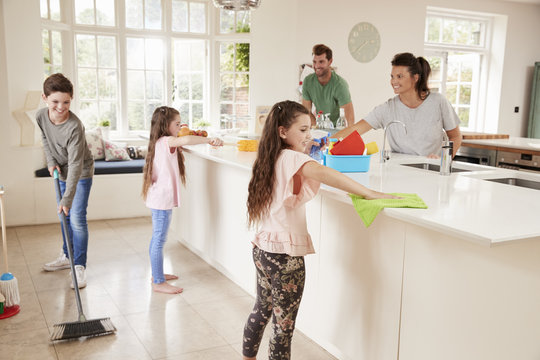
It’s surprisingly rare for arguments about housework to be about the actual cleaning or tidying. Instead, they usually happen because things are done in a haphazard way, because nobody has said exactly what they want, or because someone is asked to do something at the very last moment. Chores are much smoother when they are a part of what happens every day or each week – like washing up after eating, or getting the lounge and hallway neat before going to sleep.
If kids know what’s going to happen, they won’t feel like doing chores is some kind of unexpected penalty. And HealthyChildren’s advice about family routines backs this up; children thrive in a family life that is steady, you know what to expect, and happens in the same way fairly often.
6. Praise Works Better Than Constant Criticism
Kids as they learn to be responsible will probably need to be told when they’ve done something wrong. However, people who know about raising children say it’s really important to give them definite, positive comments. The Centers for Disease Control and Prevention (CDC) materials on talking with your kids suggest when they are good, you should tell them exactly what they did that was good so they get it.
And this applies to doing chores as well. Saying “You put all the books back on the shelf” will likely do a lot more good than just general ‘good job’s’ or endlessly pointing out what’s incorrect. This kind of specific compliment allows children to understand the link between what they do and what happens as a result.
7. Chores Work Best When Families Focus on Progress
The goal with chores for kids isn’t usually for them to be done perfectly. A child’s not-quite-straight towel folding or a table with a bit of cleaner still on it means they’re learning to be responsible, to keep trying, and to be a part of the family. Families actually get a lot more benefit in the long run by looking at how a chore is coming along and how often it’s done, instead of demanding it be flawless from the beginning.
This is even more true as children get older. Their tasks can get bigger over time, but the way they first learn to be responsible is usually with little tasks they can easily do. Starting chores like this makes it more likely they’ll become something the family just does regularly, and not something everyone argues about all the time.
Credit: Pexels
Key Takeaway
When kids have jobs around the house that suit their age, they learn to be responsible, feel good about themselves, and pick up skills they’ll use in life. Most experts say to give kids tasks that fit with how they’re developing, be steady in what you ask of them, and offer definite encouragement instead of always pointing out what’s wrong. Things go much smoother with chores if they’re a normal part of how things happen, rather than something you only ask for when you’re annoyed. As time goes on, even small duties can make the whole family’s life more organised and help children feel as though they’re helping out.