
Why Children Often Feel Closer During Repeated Weekend Rituals Than Rare Big Plans
Families often put a great deal of energy into special outings, holiday activities, and rare exciting plans. Those experiences can be meaningful, yet family relationship specialists generally note that children often feel closer during repeated weekend rituals than rare big plans. A simple Saturday breakfast, a Sunday walk, a regular library visit, or a quiet weekend movie routine may look modest from an adult point of view, but these repeated moments often create some of the strongest feelings of family closeness in childhood.
This matters because children usually build attachment through repetition and emotional safety more than through scale alone. A rare big plan may be exciting, but a repeated weekend ritual gives children something steadier. It offers a reliable pattern of togetherness that returns often enough to feel like part of real family life. Over time, that familiarity often becomes one of the reasons children hold tightly to these rituals and remember them so clearly.
Repeated Weekend Rituals Often Feel Easier for Children to Trust
Children usually feel more secure when they know what kind of family time is coming. A repeated weekend ritual gives them that sense of certainty. The child may know where the family usually goes, how the activity feels, and what role each person has in it. That familiarity often lowers emotional strain and helps the child relax into the time together instead of adjusting to something unfamiliar.
Family specialists generally note that trust grows when positive experiences return regularly. A child who knows that a certain walk, meal, or family habit usually happens on the weekend often begins looking forward not only to the activity, but to the dependability of it. In many homes, this repeated trust becomes part of what makes the ritual feel so emotionally important.
Big Plans Can Be Exciting but Also More Overwhelming
Large family plans often include travel, crowds, long waits, unusual schedules, and high expectations. Children may enjoy these experiences and still find them emotionally or physically tiring. A big outing can carry a lot of stimulation at once, which may limit how much calm connection the child actually feels inside the event.
Child development specialists often note that children connect most deeply in moments where they do not need to work so hard to regulate themselves. A repeated weekend ritual often provides that calmer setting. It may be less dramatic, but it can offer more space for conversation, comfort, and shared attention. In many families, this is why simpler repeated activities feel more emotionally nourishing than larger occasional events.
Children Often Build Closeness Through Familiar Emotional Patterns
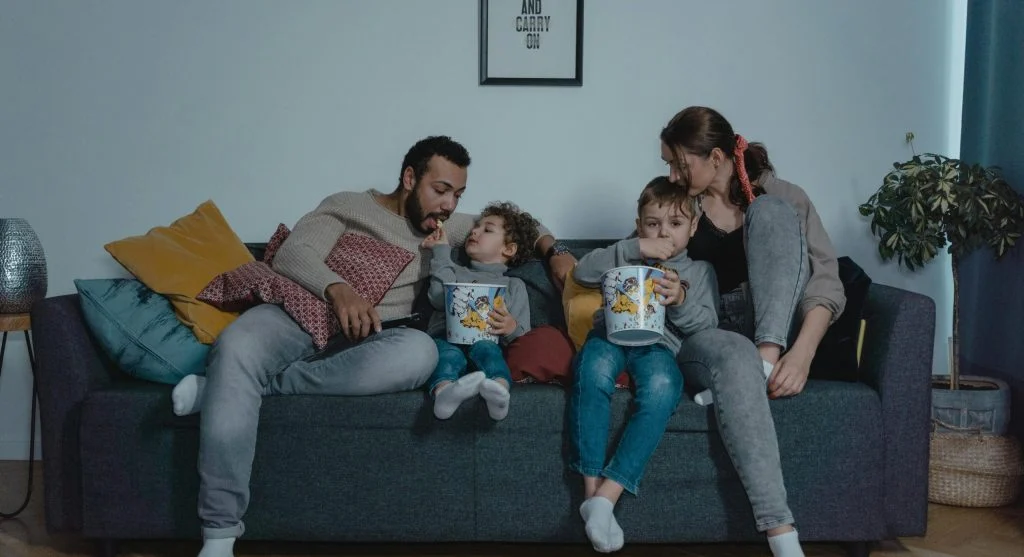
Weekend rituals often matter because the emotional tone becomes familiar. Children learn that this is the time the family slows down, laughs together, sits closely, or shares something simple without hurry. The activity itself matters, but the repeated feeling around it often matters even more. Over time, the child begins associating that emotional tone with togetherness.
Family relationship experts generally explain that closeness is often built through repeated emotional patterns rather than rare intense moments. A child may not later describe every detail of the activity, but may clearly remember how it felt to be together during it. That emotional memory often becomes part of the child’s deeper sense of family security.
Rituals Often Give Children a Visible Place in Family Life
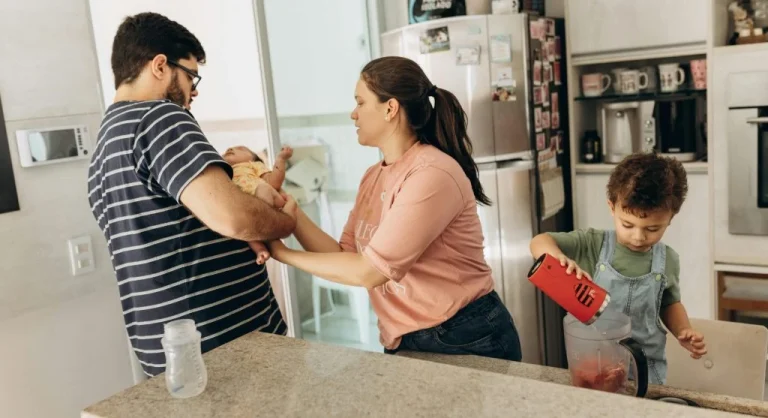
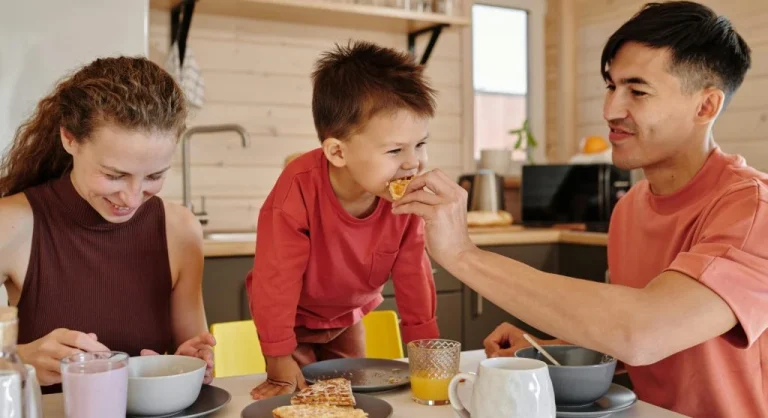
Children often feel especially connected when they are not only present, but included. Repeated weekend rituals often give them a visible role. A child may help stir batter, choose the story, bring the picnic blanket, feed ducks at the same pond, or help pick the weekend movie. These small acts of participation can make the ritual feel like something the child belongs inside, not just something adults arranged.
Development specialists generally note that belonging grows through participation. When children know what they do in a repeated family ritual, the experience often becomes more emotionally meaningful. In many homes, this sense of personal place is one reason repeated weekends rituals feel so grounding.
Repetition Often Strengthens Memory More Than Size
Adults sometimes assume that children will remember the grandest plans most clearly, but repeated experiences often leave a deeper mark because they are reinforced again and again. Each return adds another layer of meaning. A child may go on one large day trip and enjoy it greatly, yet still remember a repeated weekend pancake ritual more vividly years later because it became part of the family pattern.
Child development specialists often note that memory strengthens through return. A repeated weekend ritual is not just one memory. It becomes a chain of similar memories linked together by familiar feeling and familiar timing. That repeated structure often makes the experience feel larger in the child’s mind than adults might expect.
Weekend Rituals Often Fit Real Family Life Better
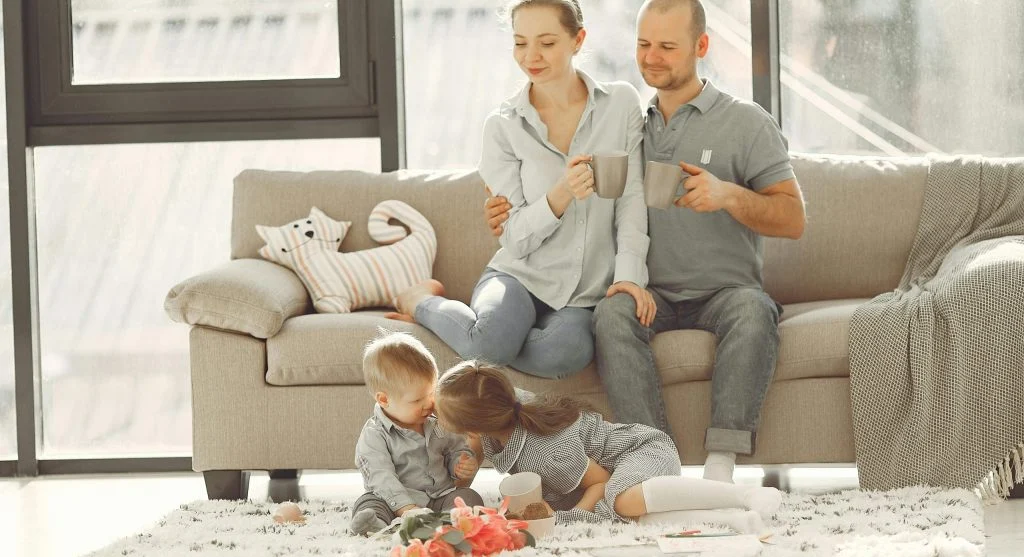
One reason repeated rituals matter so much is that they are usually easier to sustain than bigger plans. A short outing, a home meal, a repeated walk, or a familiar family game often survives busy seasons more easily than elaborate activities. Because the ritual fits ordinary life, it has a better chance of returning again next weekend.
Family routine experts generally note that repeated connection often depends on what a family can realistically keep doing. Children usually benefit most from traditions that actually remain part of life. In many homes, the ritual becomes powerful not because it is grand, but because it stays.
Children Often Feel the Difference Between “Special” and “Belonging”
Rare big plans can feel special, but repeated weekend rituals often feel like belonging. The child may enjoy both, yet experience them differently. One is a treat that happens once in a while. The other becomes part of what family life means. That difference can shape how emotionally close the child feels inside the moment.
Family psychology experts generally explain that children often connect most deeply with experiences that say, in a repeated way, this is what our family does together. Weekend rituals often carry that message more clearly than rare events do. Over time, children may come to value these rituals not only because they are enjoyable, but because they define the feeling of being part of the family.
Closeness Often Grows Where Pressure Is Lower
Big plans can sometimes carry pressure to make the day memorable, keep everyone happy, or justify the time and effort involved. Repeated weekend rituals usually carry less of that emotional pressure. Because they are familiar, they can leave more room for natural conversation, shared jokes, and quiet connection. Children often respond strongly to that lower-pressure togetherness.
In many homes, this is one reason children feel closer during repeated weekend rituals than rare big plans. The ritual does not need to prove anything. It simply returns and makes space for connection again. Over time, that repeated ease often becomes one of the deepest sources of closeness in family life.
Key Takeaway
Children often feel closer during repeated weekend rituals than rare big plans because repeated rituals create familiarity, participation, and dependable family connection over time. Big outings can be exciting, but simpler repeated moments often offer more emotional safety and less pressure. Families usually build strong lasting closeness through rituals that fit real life and keep returning. In many homes, weekend traditions become some of the clearest emotional anchors of childhood belonging.