What Separation Anxiety Usually Means in Early Childhood
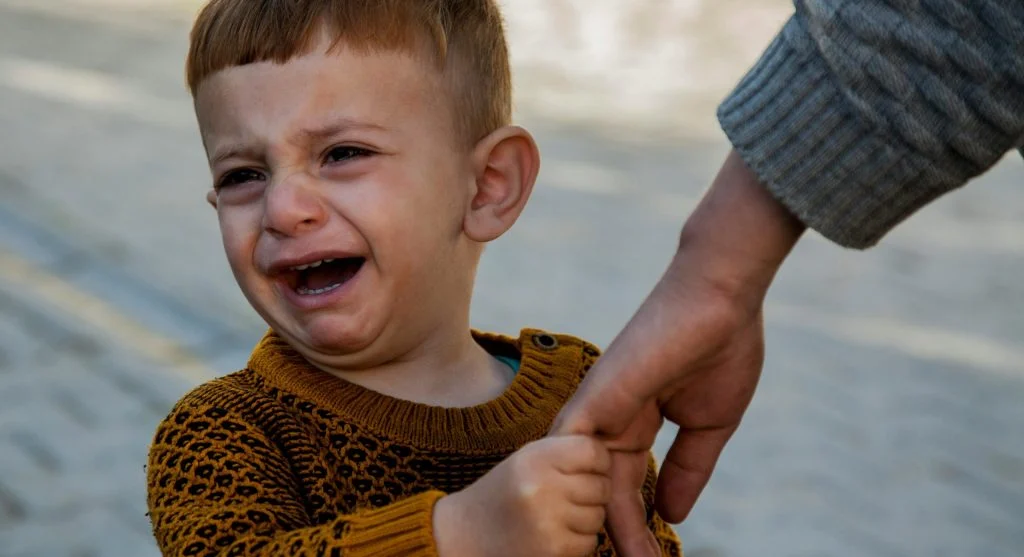
When toddlers and preschoolers are at home, a very typical worry for their families is separation anxiety. You’ll likely see this as tears when you leave them, them holding on tight to whoever is looking after them, or being upset by any break in their usual schedule. These things are hard to deal with as a parent, but people who study how children grow say separation anxiety is actually a pretty typical step in learning to manage feelings as a little one. This is particularly true when they are still figuring out how to be safe, have things happen in a way they expect, and trust people beyond their mum, dad or main carers.
Advice from HealthyChildren, which comes from the American Academy of Pediatrics, says making separation easier usually involves getting your child ready for it, quick goodbyes, and slowly helping them adjust. And the CDC’s broader advice about how children grow says that they reach social and emotional abilities over a period of time, not on a specific date. So for families, being upset about being parted is usually less about a child being naughty and a lot more about where they are in their growing up, their personality and how safe they feel.
Why Separation Anxiety Happens
When they’re very young, children get really close to the people who look after them and the things they do every day. As they become more aware of the world around them, they realize people can leave, however they don’t fully understand how time works or have a good sense of what’s going to happen next. Because of this, even a quick time apart can feel much longer and scarier to a child than an adult would think.
Kids often get more worried about being apart from you during changes like starting daycare, preschool, moving to a new house, a new brother or sister arriving, or going back to normal schedules after being sick or having a long visit. And at these times, their upset isn’t necessarily just about the actual leaving. It’s more likely to be about their feeling of things being a little all over the place and a longing for something to be stable.
What Typical Separation Anxiety Can Look Like
When kids get separation anxiety, they often cry when you leave them, ask over and over when you’ll be back, need a lot of comfort, or don’t like changes to their usual routine. Surprisingly, some of them feel a lot better as soon as the grown up is gone, even if saying goodbye was really hard. But others will be upset for a longer while as they get used to the change.
And according to HealthyChildren, this is often hard on the adults too. Loads of parents and other caregivers fear a child’s crying means something bad is happening. However, in most situations, the child is doing something perfectly normal for their age when being left, and they’ll likely calm down faster than the adult thinks they will.
Why Routines and Repetition Matter
The American Academy of Pediatrics has said many times how good it is for children to have things happen at the same time in the same way. When a child is worried about being left alone, routines are important because they make changes easier to deal with. Knowing what will happen in the morning, how to say goodbye, and when a parent will be back gives a child something to depend on.
Even small habits can be useful. A hug you always do, a wave, something you always say or a quick way of handing over to another caregiver all can show a child that being separated isn’t forever and isn’t too difficult. Many families notice that drawn-out, unsure goodbyes make a child more upset, but quick and positive leaving-times help them get used to things much better.
How Adults Can Respond Without Increasing Distress
Most of the time professionals recommend getting kids ready for something, instead of having to comfort them over and over. Helping them understand what’s going to happen, who will look after them, and when their caregiver will be back can all be useful. Practicing being apart for a little while in situations that aren’t too stressful is a good idea too.
Also, kids respond to things better when you’re calm and you sound like you mean what you say. If adults are really worried, keep putting off the change, or go back to the child as soon as they start to complain, the child gets confused about whether everything is alright. It’s normally better to accept their sadness and remain confident rather than attempt to get rid of all the upset immediately.
You could say something like, “You’re upset because you have to say goodbye. Your teacher is going to be with you, and I’ll be back after lunch.” This shows you understand how they feel without making being unsure about things the main part of what happens all the time.
When Families May Want More Guidance
Separation anxiety isn’t all or nothing, so if a child is really upset for a long time, if following a usual schedule doesn’t make it better, or if it stops them doing normal things, families should pay more attention. Your child’s doctor can help you work out if what’s happening is typical for their age or if getting some extra advice would be a good idea.
You’d probably want to talk things over further if this worrying about being separated happens alongside big shifts in how they sleep, what they eat, their general feelings, or how they get along with others. And getting some advice isn’t overdoing it – it’s just a sensible thing to do when your child isn’t slowly getting over it but seems to be completely blocked.
Why Separation Anxiety Often Improves Over Time
When kids settle into a regular pattern, start to trust other people who look after them, and understand that their person will be back, leaving them gets easier. How they’re growing and changing is a big factor, and older toddlers and preschool children have enough words, can remember things, and are more used to being with others so they can handle being away for a little while much better than they used to.
However, getting to that point doesn’t mean every goodbye is suddenly fine. Improvement might be in little bits, a child might say they’re upset but bounce back quicker, or they could be okay for a few weeks, and then have a hard time again after something changes. These ups and downs are normal when children are young.
Being anxious about separating is normally a sign that your child is still figuring out how to feel close to you while also being their own person. With things happening at the same time each day, a grown-up who stays calm, and a little while to get used to it, most children slowly get more secure about this change.
Key Takeaway
It’s very common for young children to get upset when leaving the people they love, and it doesn’t usually mean anything is wrong. Most child development specialists say you should get children ready for the separation, say quick and friendly goodbyes every time, and stick to a routine they can count on to make it easier. Improvement will likely be slow, particularly if lots of things are changing. But if a child is extremely upset for a long time, or if this upset is making it hard for them to do things each day, a doctor can help the family figure out what help might be needed.