How Active Listening Can Improve Communication With Young Children
Kids don’t usually stop sharing with their parents because they have no thoughts to share. Instead, a lot of the time, families are so busy with the usual things they do each day that nobody really listens carefully. Small kids express themselves with what they say, how they say it, their posture, what they do, and by saying things over and over. So, people who understand this suggest families consider talking to each other as much more than just giving directions. It’s also about paying attention, getting the moment right, and letting the child know you’ve understood what they’re trying to tell you.
The Centers for Disease Control and Prevention’s advice about talking to kids says that ‘active listening’ builds stronger connections with children by giving them your complete focus, looking at them, and repeating back to them what they’re saying or how they’re feeling. HealthyChildren, which is the American Academy of Pediatrics’ website to help parents, says to use a calm, honest way of speaking that is right for their age and to offer encouragement in words the child will get. Both of these sources suggest a pretty straightforward idea: children are much more successful at communicating if adults respond by truly focusing on them instead of jumping in.
What Active Listening Means in Daily Family Life
Really listening to a child isn’t just being quiet. An adult focusing on the child on purpose, setting aside what they’re doing when they can, and then replying in a way that makes the child feel they are understood – that’s active listening. It might come out as saying something like “You look upset because your tower fell”, or “It seems you wished you’d had a little longer before you had to tidy up”.
Why is this important? Well, little ones often can’t find the right words to say what’s going on with them. They might flit between different subjects, say the same thing over and over, or even show you with their body how they feel before they’ve had a chance to describe the problem. Active listening makes sense of these confusing times. It shows the child how to say what they’re feeling, and it allows you to get a good understanding of what’s happening before you do anything.
Why Experts Connect Listening With Better Behavior
Families frequently think of how they talk to each other and how everyone acts as two different things, but professionals who study this kind of stuff don’t generally. The Centers for Disease Control and Prevention (CDC) says in their advice for moms and dads that communicating well can help with dealing with kids’ actions and help you get along with them. Kids get upset when they’re not paid attention to, don’t feel like you understand, or are being hurried. And if they do feel listened to, they are apt to be more agreeable.
Of course, just listening won’t stop all arguments. Kids will still push boundaries, dislike changing activities, and sometimes get totally overcome by their feelings. However, really listening to them can calm things down during these times because it makes it less likely that every single conversation will be about who’s in charge.

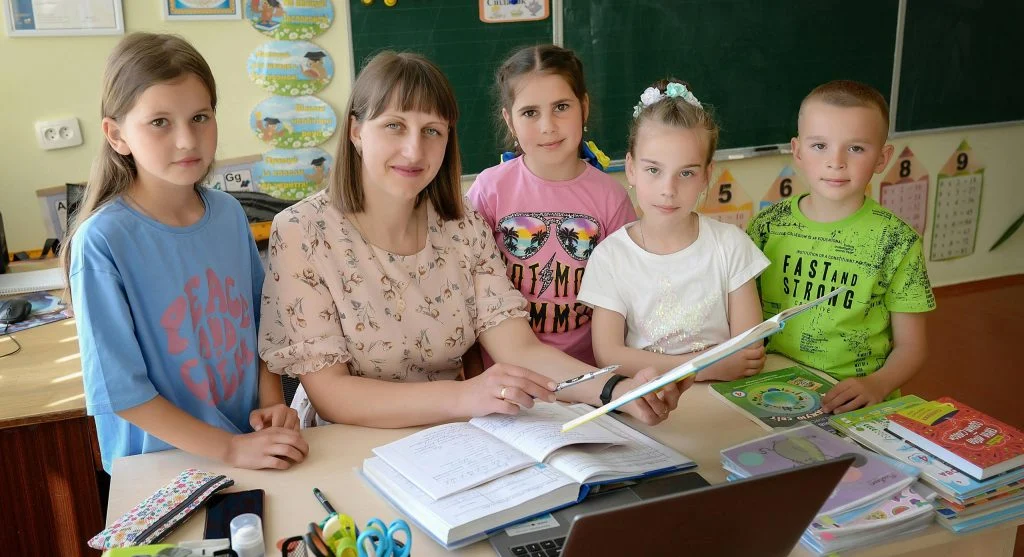
Credit: Kampus Production / Pexels
Simple Techniques Families Can Use
Experts who know about communication say a really good way to get through to a child is to physically get to their height. Looking at them and being right in front of them shows you’re paying attention. And the CDC advises that, if you can, you should stop what you are doing. This lets the child realize you’re truly with them, not just sort of hearing them.
Repeating what your child says is also helpful. A basic reply like “You wished for the red cup, and not the blue one” will make a child feel as though you understand. It also shows you’re attempting to understand the issue, and not quickly brush it aside.
How you praise them is important too. The CDC says when a child says something or acts nicely, give praise that is direct and easy to understand. “You asked so calmly” is generally better than just saying “good job”, because it explains to the child exactly what they did right.
Timing Can Matter as Much as Words
When HealthyChildren talks about how to get through to kids, they say when and where you talk to them really changes if they’ll actually take in what you’re saying. If a child is exhausted, peckish, feeling shy, or just overloaded with things happening, they aren’t likely to respond to being told off or having a big discussion at that very second.
And the same is true for us as grown-ups! You usually communicate with each other more successfully if you wait a moment before replying when you’re angry. Being calm makes for better listening. In reality, that could mean waiting until after your child has eaten something, gone to a more peaceful area, or gotten over the disruption of changing activities.
What Active Listening Does Not Mean
Truly hearing a child doesn’t mean you have to say yes to everything or get rid of all the rules. A child can feel you get them and still be told they can’t have or do something. Often, we communicate most effectively with kids when we listen to them and set boundaries at the same time. For example, a grown-up could say, “You’re sad that playing is finished, but it absolutely is time for your pajamas now.”
Getting this right is important because children require both to be told their feelings are okay, and to have a firm framework for their lives. If adults only point out what’s wrong, kids may shut down and not tell you things. But if adults only focus on how a child feels and don’t have any boundaries, the normal pattern of things each day can get muddled. Most professionals suggest finding a point in between – acknowledging how your child is feeling while keeping your expectations consistent.
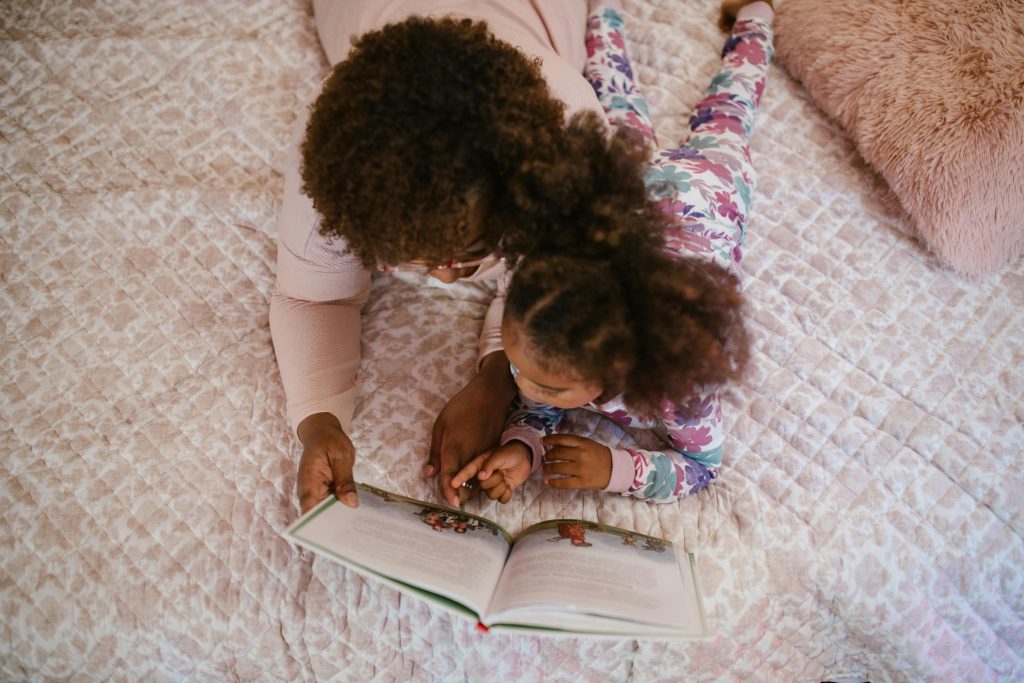
Credit: RDNE Stock project / Pexels
How Listening Builds Long-Term Communication
People who know about these things often point out that how well you communicate with kids when they are young will likely affect your family’s relationships later on. A child who is consistently listened to will probably be more open to sharing their annoyances, what they’re wondering, or when they mess up as they get older. And this isn’t from parents always saying things in the best way, but because the family gets into the habit of truly hearing each other.
When you actively listen, you also show kids how a conversation is supposed to go. They start to get the idea of waiting for their turn, making sure what they mean is understood, and linking their emotions to the words they use. These are crucial skills for doing well at school, having friends, and getting along with family.
Really, active listening isn’t a special trick for everyday life, it’s more a message you send over and over: your child’s words are important.
Key Takeaway
When little kids are really listened to, they feel like someone understands them, and it offers families a better, more useful way to deal with feelings and what children do because of those feelings. When talking about tricky times, people who know about these things usually suggest getting down to their height to look at them, saying back in a gentle way what you understand they’re feeling, giving them very precise good-pointing-out of what they did well, and being sensible about when you have the conversation. Listening doesn’t mean you have to get rid of rules, but it can lead to less arguing about those rules. And if you get into the habit of really listening, everyone in the family will probably be able to talk to each other much more easily after a while.