Why Outdoor Play Still Matters for Children and Families
Many people think of playing outside as just a nice thing to do, but those who study children’s health see it as a really important part of growing up well. Being outdoors allows for running, investigating, and the sort of free play that’s crucial for children to develop in their relationships with others, manage their feelings, and become physically strong. And for parents, it’s a good way to balance out busy indoor lives, lots of time at school, and children using phones or tablets.
According to the Centers for Disease Control and Prevention, exercise is good for how children’s brains work, how they do at school, how strong their bones are, and their health in the future. Advice from public health professionals and doctors for children also links being active to their feelings, their sleep, and how they act. It’s easy to see why playing outside is still a major topic when people discuss how families are doing.
Outdoor Play Supports More Than Physical Fitness
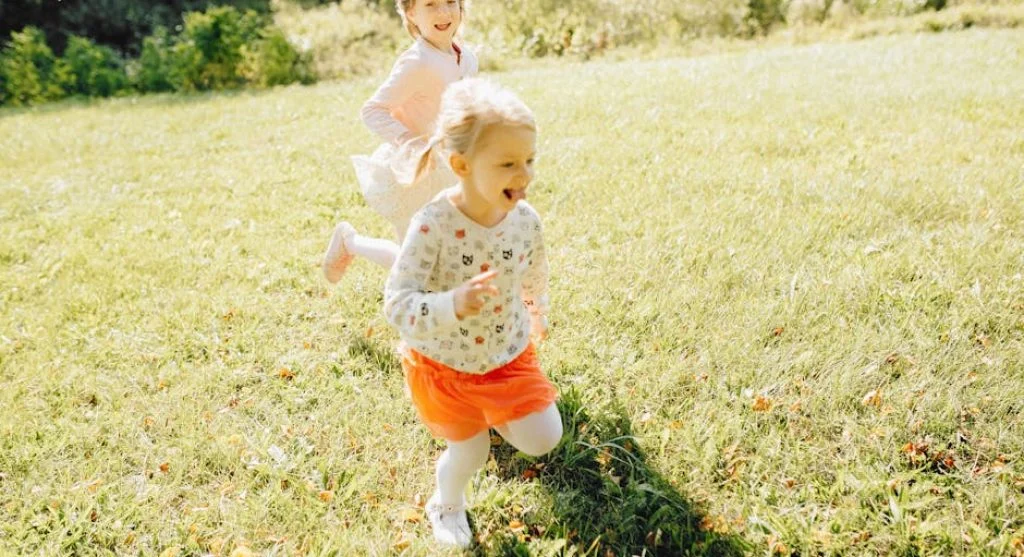
Most adults see going outside to play as a way for kids to get exercise, yet it does much more than that. When children run, climb, balance or use their imaginations to move, they are working on how their bodies work together, becoming stronger and understanding their bodies better. Plus, being outside frequently leads to kids making choices, figuring things out and getting along with friends; a lot of planned activities inside don’t do that as much.
Kids playing outdoors are generally busy deciding on how to play, making up stories, thinking about how dangerous something is, and changing to what is happening around them. This is how they gain self assurance and learn to be adaptable. And at home, playing outside can relieve the stress that can build up after being still for a while, from waiting, or from spending a lot of time with screens.
Movement Helps Support Learning and Regulation
The CDC says kids who get physical activity actually have better brains and do better in school. Families should understand this relationship is important, as how a child acts and how well they learn are frequently talked about as though they don’t relate to each other, but in fact, they do. When children get to be active regularly, they’re often able to calm down, concentrate on what they’re supposed to do, and get from one activity to the next with more ease.
Playing outside is particularly beneficial after school or on weekends, times when children might need to let off steam from having to follow rules and schedules inside. When being active becomes part of a family’s normal routine, you’ll sometimes notice a difference in their feelings and how well they work with you. It’s not that playing outside will fix everything that’s difficult, but it can help a child’s day flow more smoothly.
Unstructured Play Builds Skills. Structured Activities Cannot Fully Replace
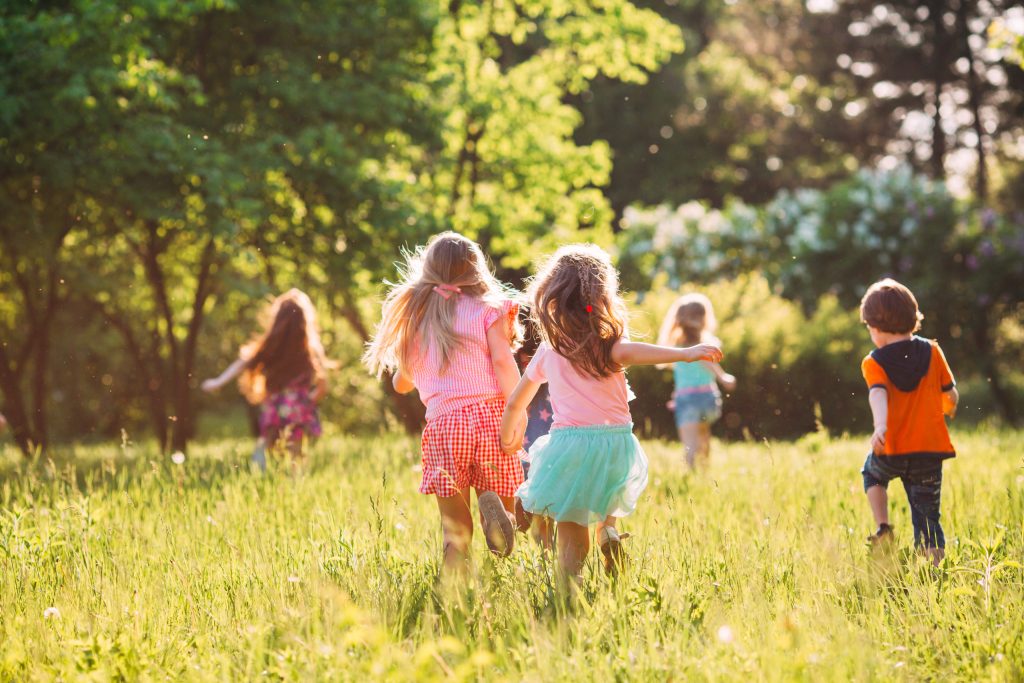
Children get advantages from being in sports or taking classes, yet just letting them play outside where they make up their own games is a different and valuable thing. This kind of play allows kids to be in charge of what they do, invent the rules as they go, and react to their friends, all without someone grown-up always telling them what to do. And experiences like these help with being independent and figuring out social difficulties.
For quite some time, studies and advice from people who know about how children grow have shown that playing isn’t just a time to relax from learning; it is learning. When children make up imaginary worlds, investigate a park, or devise games with their brothers, sisters, or friends, they’re getting practice with talking to each other, sticking with things, and deciding what to do for themselves. These abilities – useful in both family situations and at school – can be applied to lots of different areas.
Outdoor Time Can Help Families Rebalance Screen-Heavy Days
Families are really busy, and getting outside is one of the first things to go. Between screens, schoolwork, getting places, and all the stuff we do inside, it’s easy to forget to move around. And if being outdoors is thought of as something you can do, it’s likely to be skipped.
Actually, it’s probably simpler for families to make sure kids get to play outside if it’s just a normal part of the day, not waiting for ideal weather. A quick stroll after eating, a trip to the park down the street, a park visit every weekend, or just running about in the garden all accomplish the same goal. It’s how often you do it and being involved that’s important, not a lot of complicated arranging.
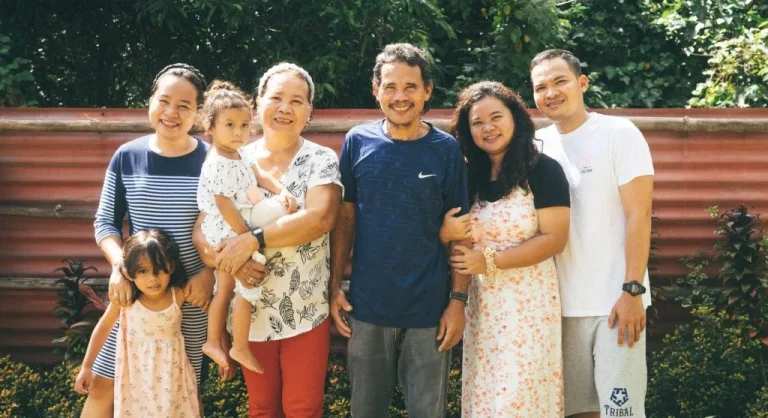
This can also help people in the family get closer. Being outside with both adults and children provides a place to talk, which doesn’t feel as structured as sitting down and being asked about your day. Kids who don’t love a direct conversation inside can often be much more open while on a walk, throwing a ball, or discovering things in the world outside.
Safety and Supervision Still Matter
Looking after kids while they play outside doesn’t mean you can forget about being careful. The CDC’s advice for parents of preschool children says to watch them closely when they’re outdoors, particularly around water or cars. How much supervision they need depends on their age, where they are, what the weather is doing, and what things are like in that particular place.
Also, families do better when safety is just something you always do, not just what you do when something almost goes wrong. Using sunscreen, making sure they have a drink, looking at the area where they’ll be playing, and giving them easy-to-understand rules will make it simpler for them to be active. And if you have those expectations and follow them all the time, it’s a lot easier to keep going outside to play.
Outdoor Play Works Best When Families Keep It Practical
Kids don’t have to be in massive areas of nature to get the good things from being outdoors. Parks, sidewalks, the space between apartment buildings, schoolyards, and any open ground in the neighborhood are all great for playing and getting exercise. The most important thing is kids getting outside fairly often and adults allowing them to.
How things change with the seasons can affect when you go out. Spring and Autumn are likely to lead to longer times outside, and in really hot or cold weather you might go out for a shorter time, but it’s good to keep going. Families usually do better if they change with the weather instead of stopping the outdoor time altogether.
And playing outside is still important for a child’s complete growth – it’s something both parents and teachers rely on. It helps with being active, focusing, bouncing back from difficulties, and feeling a bond with others in ways that are still useful to families these days.
Key Takeaway
Kids being active outside is good for their bodies, helps them calm down and manage their feelings, lets them learn, and brings families closer. In fact, people who know about these things consistently find that moving around a lot is connected to a healthy brain, doing well in school, and just being happy. Plus, when kids have free time to be outside, they can use their imaginations, figure things out as they go, and get along with others. Families typically get the most from playing outside when it’s something you do every day, not just now and then.