Why Frustration Tolerance Develops Slowly in Young Children
Adults are keen for their kids to get better at dealing with annoyance, particularly when they are toddlers or in preschool. But experts in how children grow tend to say that learning this is a gradual process. A small child being tearful about a broken toy, getting upset at having to wait their turn, or having difficulty changing to a new activity isn’t doing anything out of the ordinary. Usually they are at a stage where their feelings are overwhelming their ability to calm themselves down.
How much a child can cope with being frustrated is linked to lots of different things developing at once. They require words to describe their emotions, a belief that a bad feeling won’t last forever, a recollection of how similar problems worked out previously, and having had adults help them through difficult times. As all of these are still developing in younger children, frustration feels very big and hits them strongly. That’s why professionals tend to emphasize slowly helping a child to improve at this, instead of assuming they can deal with things by themselves too young.
Why Frustration Feels So Intense in Early Childhood
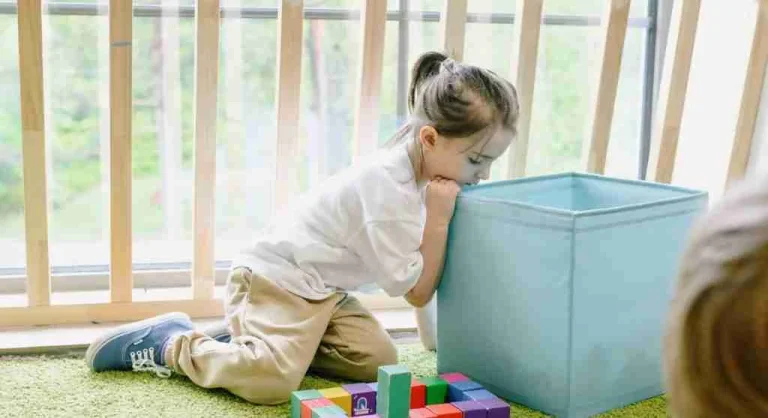
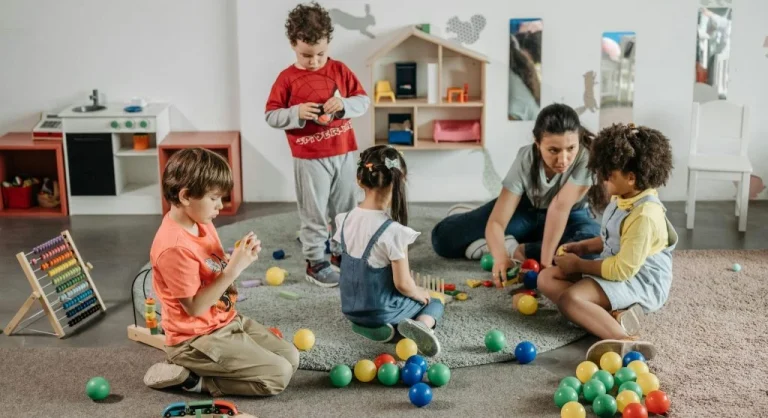
Little kids are very in the moment with their desires and emotions. When a building of blocks crashes down, a game goes to the next person, or a grown-up tells them they can’t do something, it can seem to happen all at once and be a lot to handle. We as adults might not think it’s a big deal, but children are still learning how to understand and deal with their annoyance.
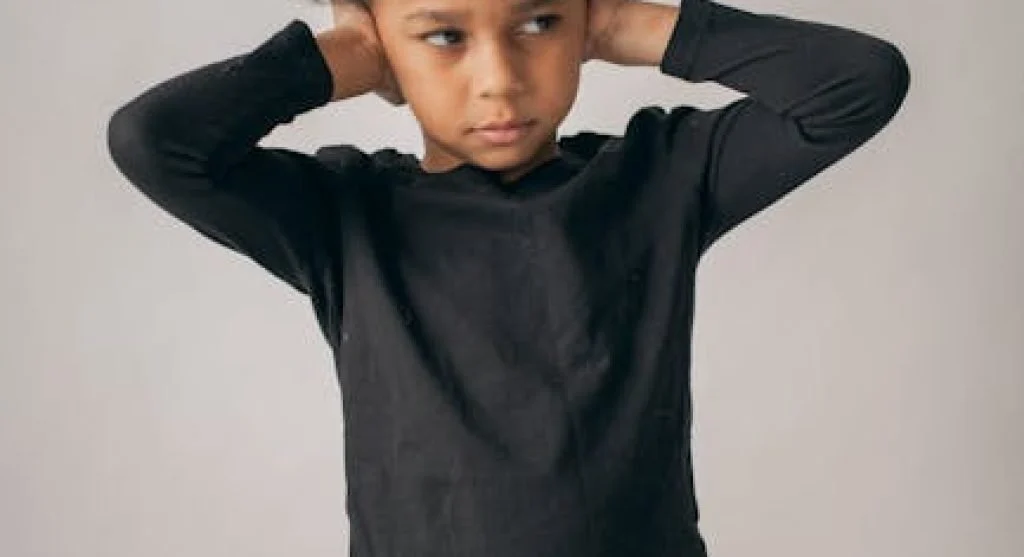
This is even more pronounced when they’re tired, peckish, have had too much going on, or are doing something different than usual. Then, even small things being wrong feel incredibly huge. That strong reaction we adults think of as being too much is usually because their ability to calm down and manage feelings is still developing.
Frustration Tolerance Is Connected to Emotional Regulation
Kids who haven’t learned to calm down from big feelings get upset really easily. Emotional regulation is what gets them from being very upset, back to a place of calm. And when they’re very young, this usually begins with someone else helping them calm down – a grown-up who is peaceful and goes through the hard time with the child, until the child can manage more of it by themselves.
Why is all this important? Because dealing with frustration isn’t just about stopping a crying fit or a complaint. It’s about discovering that being disappointed is something you can get over, make sense of, and find a way to resolve. And you slowly learn this through going through similar experiences over and over.

Credit: Gustavo Fring /Pexels
Language Helps Children Manage Disappointment
When adults can simply describe what’s going on, kids usually handle being frustrated a lot easier. Saying something like “That’s disappointing” or “You’re sad the game is over” doesn’t get rid of the bad feeling, but it makes the situation clearer for them. Eventually, children will start to link their feelings with actual words, and won’t just do something about them.
And being able to name it gives kids options other than just getting physical or having a big outburst. As they learn more words, some will start to say they are mad, sad, frustrated, or even just annoyed, instead of immediately grabbing, crying or yelling. This change in how they’re developing is quite important, even if they don’t do it perfectly all the time.
Practice Usually Matters More Than Pressure
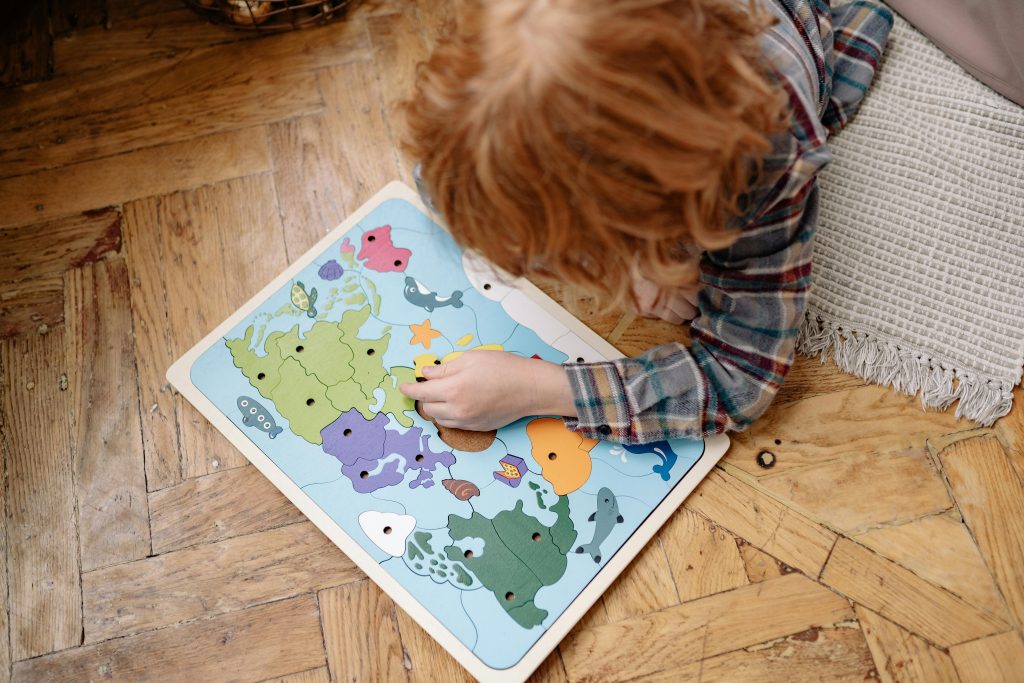
Kids get better at dealing with being bothered by things by doing regular, normal stuff, not through a lot of serious lessons. Simply waiting their turn for a bit, having another go after messing up, being told no when it’s not too overwhelming, or solving a little problem all give them helpful practice. With these experiences, children start to understand that feeling bad won’t last forever, and someone is there to help them through it.
Actually, pushing a child to be perfect at dealing with their feelings can get in the way of this learning. A lot of children do much better if the adult stays calm, says they can see the child is frustrated, and then helps them calm down. Importantly, the adult shouldn’t make the child feel bad for feeling it so strongly.
Progress Often Looks Uneven
Kids don’t typically get good at being calm all at once. They might handle being annoyed one day, but be completely upset by something pretty much the same the next. This up and down pattern is what you’d expect, since how well a child deals with frustration is linked to things like sleep, how hungry they are, their stage of growth, what’s happening around them, and how emotionally tiring the day has been.
Most professionals are looking for slow improvements, not flawlessly smooth ones. If a child bounces back from being upset more quickly, can explain how they feel with more words, will wait just a bit longer, or doesn’t need quite as much help from a grown-up as they used to, they’re improving at this, even if they still have big feelings a lot of the time.
Credit: Gustavo Fring / Pexels
Families Help Build the Skill Through Daily Response
Kids get better at dealing with being frustrated in a lot of ways depending on how grown-ups act when things are tricky for them. Being calm, using easy words, having things happen in a similar order each time, and not asking for too much all help them get there. If a grown-up stays fairly even-tempered and helps a child get past being frustrated, the child will eventually start to do that for themselves.
It takes a while to be able to handle frustration, and that’s because young children have very strong emotions and aren’t very good at controlling them yet. This isn’t something to blame the child for. It’s just what they are supposed to be doing at this age and will normally get easier with time, with being given the opportunity to try, and with a lot of being helped.
Key Takeaway
It takes little ones a while to get better at dealing with being frustrated, as they are still learning to manage their feelings, find the words for what’s happening and bounce back. When very young children have big upsets from disappointments, that’s often just a typical part of growing up, and isn’t something to worry about. Families do best to help with this by being calm when guiding their child, using easy to understand words, and letting them try (and try again!) to handle small frustrations without a lot of stress. Eventually, lots of little experiences with frustration, and then getting over it, help kids become emotionally stronger.