
6 Household Routines That Can Reduce Daily Family Stress
People usually think family stress comes from who everyone is, how they’re feeling, or simply not having enough hours in the day, yet family experts who work with daily patterns find that stress also increases when all the things you do regularly aren’t organized. It’s not typically that things are incredibly hard every day for many families. Instead, things like getting out of the house, dealing with food, getting school things together, and getting ready for bed all happen with too little of a set order to help them along. When families have a small number of reliable habits, normal life is a lot easier to deal with.
Good routines don’t need to be elaborate. In reality, the routines that work best in a home are often the easiest to continue during busy weeks, when you’re exhausted at the end of the day, or if your plans change. They are helpful because of the repeating of them; if you do the same tasks in a roughly similar fashion enough of the time, grown-ups won’t have to make so many quick decisions and children will worry less about what will happen.
1. An Entryway Routine for Shoes, Bags, and Papers
When things are just left anywhere in the house, it’s a really quick way to make everyone in the family more stressed. It’s pretty helpful for families to have one specific spot for shoes, bags, signed permission forms, and all that kind of thing. This as a regular thing stops all the madly looking around and gives kids a place they are meant to put things as soon as they get in.
A system for the hallway (or wherever you come in) is most successful if it’s obvious and simple to do each time. Things like hooks, baskets and a clearly defined ‘drop everything’ space are usually more effective than constantly telling everyone to do it, and with time, this easy thing to do can cut down on a lot of arguments and annoyance each day.
2. A Short After-School Reset
What happens as soon as school is over really influences how the whole evening goes. If kids can quickly tidy up their school things, get something to eat and chill for a few minutes, they can move from all the requirements of school to what’s expected of them at home. Without that changing of gears, a lot of evenings start with tension already being felt.
Things tend to go more smoothly for families if this little break happens the same way each day, instead of being made up on the spot. A lengthy time out isn’t necessarily needed by children, but most of them could use a clear, repeating moment to pause before starting on homework, chores, or getting to dinner.
3. A Visible Meal Routine
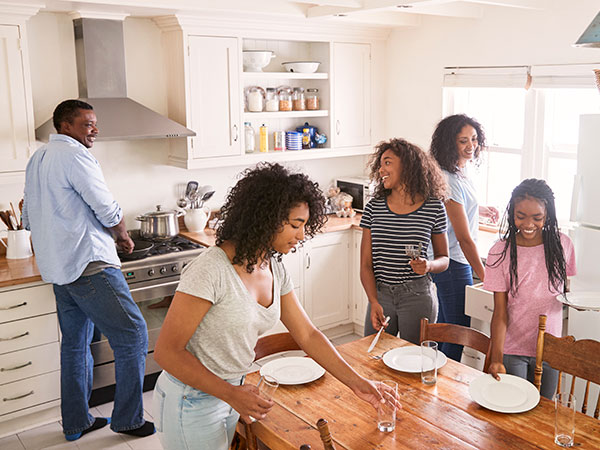
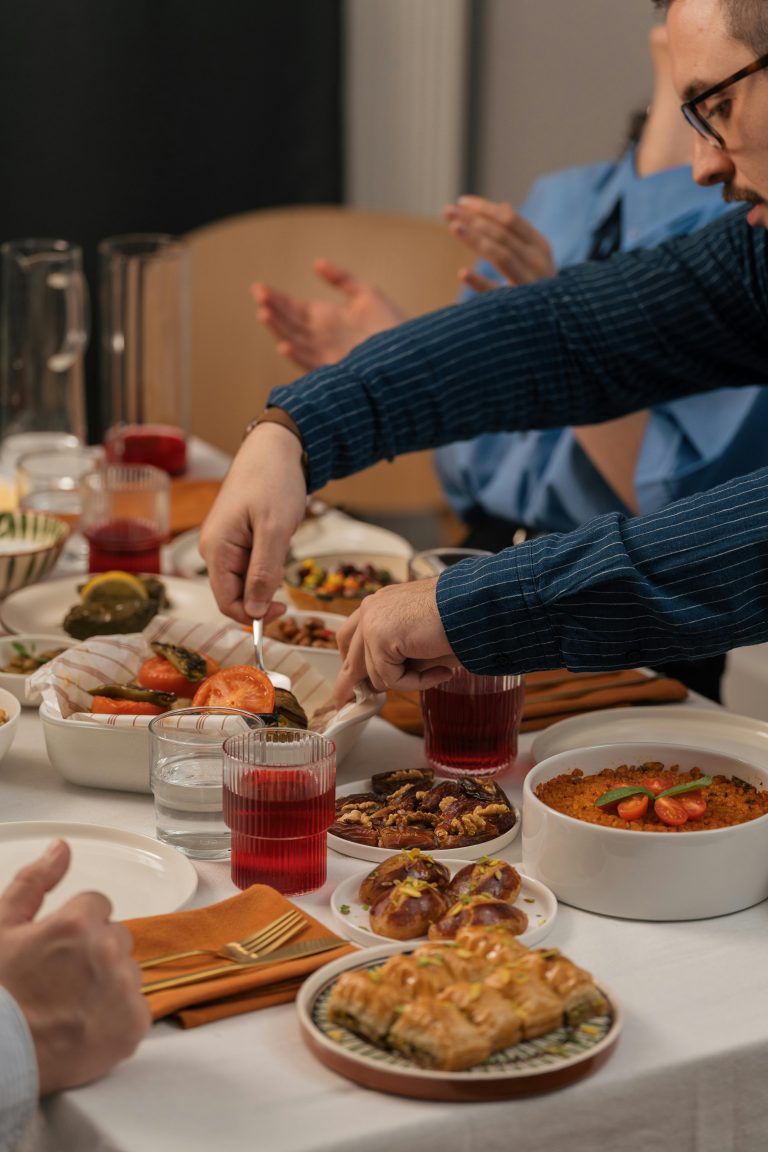
Mealtimes frequently get tense because people aren’t clear on the timing, who’s doing what to help, or how you actually get to the point of eating. Having a routine you can see, for things like washing hands, putting plates and cutlery out, getting everyone seated and then clearing away the plates afterwards, can cut down on the same arguments happening over and over. Kids are much more likely to be on board when they know what to expect.
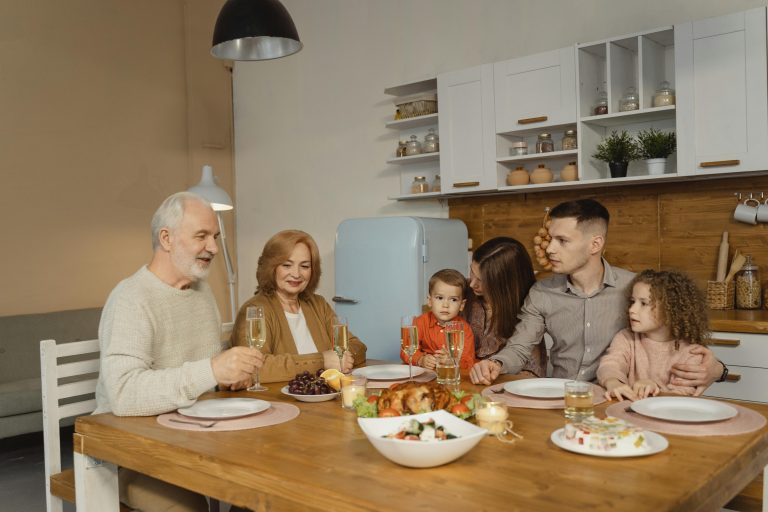
And this sort of order actually makes it easier to talk with each other. When mealtimes aren’t so crazy, families can chat, see how their kids are doing, and more easily settle into a calmer, more consistent pattern for eating together.

Credit: Pexels
4. A Daily Ten-Minute Tidy
Things get way more upsetting when you think of cleaning as a huge thing to do, not just a little thing you do all the time. Doing a quick pick-up around the house at the same time every day will stop things piling up and making you feel emotionally awful. Many families have discovered that concentrating for ten minutes is a lot better for peace and quiet than the long cleans that nobody wants to do, and that happen only now and then.
Also, getting into this habit shows kids that looking after the house is something you do as a normal part of life, not just when mum or dad are annoyed. And when tidying is just what happens around the house, arguments about cleaning are usually less of a problem.
5. An Evening Planning Check
Things at home frequently get stressful as soon as the next day is here and everyone’s forgotten what they’re supposed to have. A quick bit of planning the night before can lessen that feeling of being overwhelmed. That planning could be looking at the family calendar, going through anything from school, getting clothes ready, and being sure you have what you absolutely need for the following day.
A very quick routine like this can calm everyone down. It’s because it makes tomorrow feel much more within reach and less of a mystery. Instead of being thrown by unexpected things in the morning, the whole family will start the day knowing what’s going on.
6. A Predictable Wind-Down Before Bed
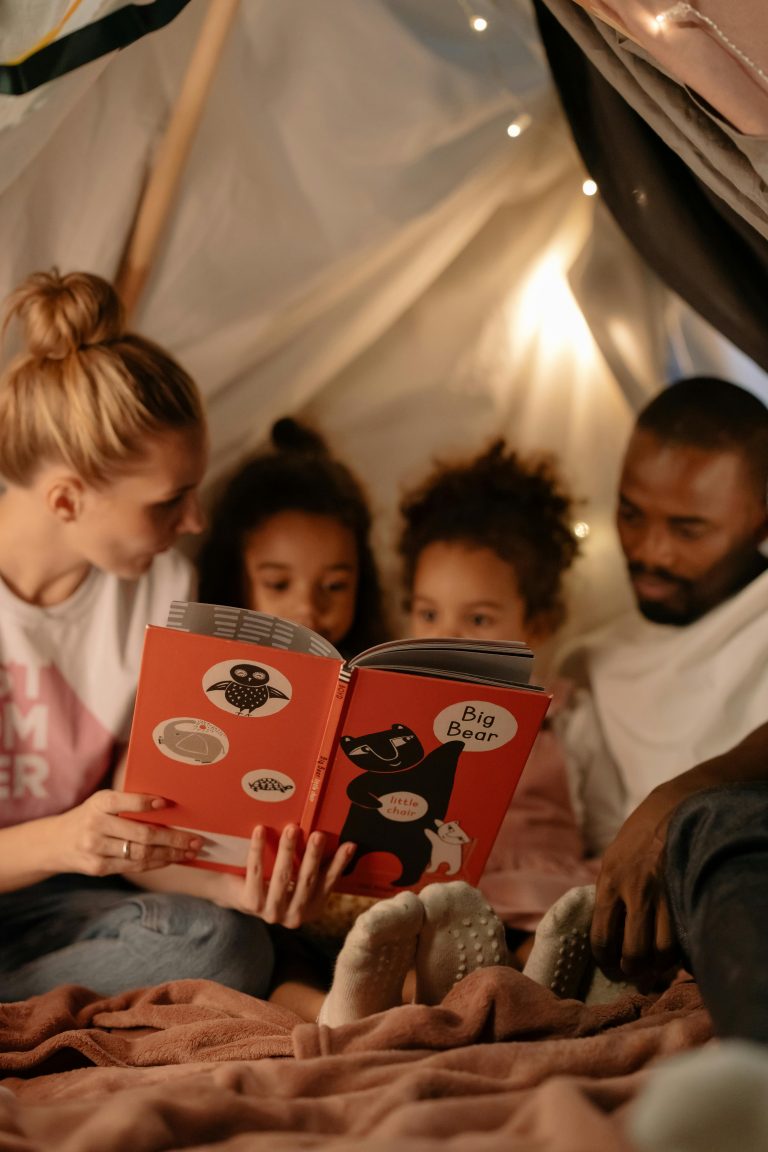
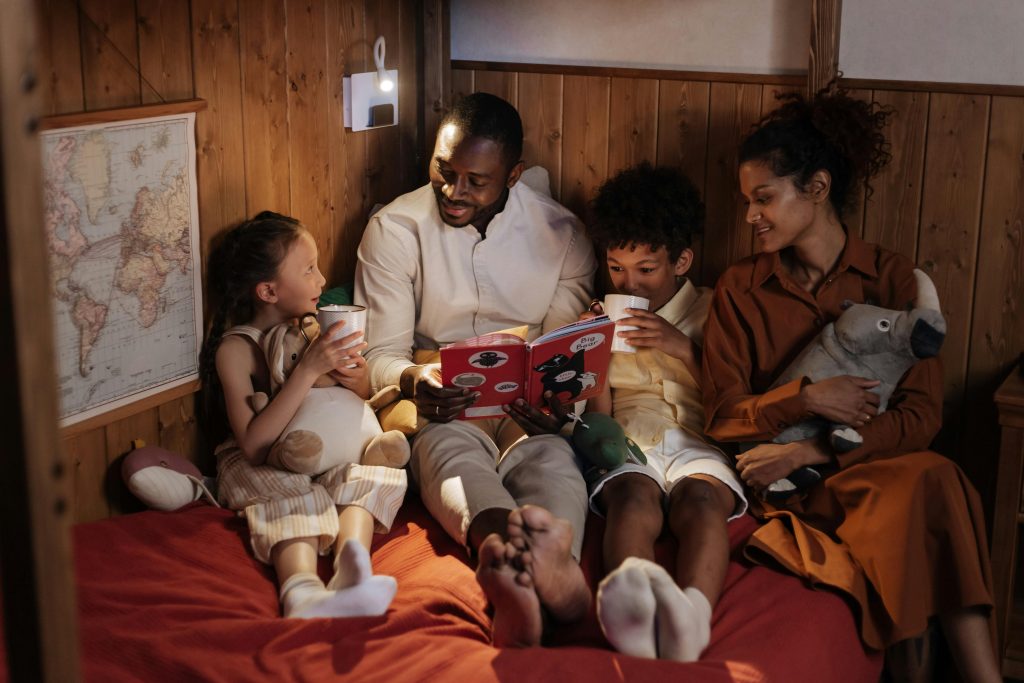
Kids still need bedtime routines. They help children transition from being busy to being at rest without you having to be asked over and over. Doing the same things in the same order – tidying up, having a bath, putting on pajamas, reading, and turning off the lights – makes the evening obviously come to an end. In a lot of families, getting to bed is a lot easier on everyone when it’s a routine they know, as opposed to another disagreement each night.
Adults benefit from slowing down too. As the house gets into a more predictable rhythm for sleep, the mood at home usually becomes calmer. This can make the end of the day feel more peaceful for all of you.
Credit: Pexels
Why Small Routines Often Matter More Than Big Plans
Families don’t generally have to have every minute planned to feel less stressed. What they do require are some fairly solid habits for the things you do over and over each day. And if those habits are something you can actually do, are out in the open for everyone to see, and happen the same way most of the time, lots of everyday difficulties become simpler.
These routines around the house lessen how much stress families have on a daily basis by swapping a feeling of not knowing what will happen for a feeling of being comfortable with things. With time, this comfort can actually make home life feel more stable, even when you’re really rushed.
Key Takeaway
When things at home happen in a regular way, it lowers your stress because it brings order to the things families do over and over. Having a place for everything when you come in the door, a way to get back on track after school, regular mealtimes, quickly cleaning up, planning the night before, and a bedtime routine are all things that can make each day easier to deal with. Families usually get along better with easy habits they do repeatedly, rather than really complex schemes. Actually, for a lot of families, knowing what to expect is a huge comfort.