
What Emotional Milestones Often Look Like Between Ages 2 and 5
People often talk about emotional development in the first few years of life in a general way, yet families typically want to know precisely what that means in their daily lives. As kids move from two to five years old they are figuring out what their feelings are called, how to deal with being bothered or upset, getting over being let down, and starting to get along with others. Importantly, this progress isn’t consistent, and those who study child development say it’s patchy, changes depending on the child, and is very connected to their language abilities, the patterns of their day, and their relationships with people.
The Centers for Disease Control and Prevention say developmental milestones cover how children play, learn, talk, behave, and are physically active. And the American Academy of Pediatrics points out that social and emotional growth is at the center of a child being healthy and developing, it isn’t something separate from learning. So for mums, dads, and carers, emotional milestones aren’t just about a child being ‘good’; they’re about how children are starting to control more complicated emotions, with support from adults they trust.
Why Emotional Milestones Matter in the Preschool Years
How children’s feelings develop determines how they deal with things that happen all the time, like waiting their turn, sharing with others, coping with changes in plans or routines, and doing what they are told. If a toddler or preschool child gets upset quickly, it doesn’t mean they are doing badly for their age. Usually, big emotional responses show a time when feelings are very strong, yet the ability to control them is still coming along.
How well children develop emotionally is very much tied to their language skills and social life. As they learn more words and have more chances to be with parents, brothers and sisters, and friends, they start to go from just feeling something to being able to talk about it. This change happens slowly. Little kids frequently require a grown-up to say what they’re feeling, figure out what caused it, and then try to respond in a more peaceful way.
What Emotional Growth Often Looks Like at Age 2
When they’re two, children’s feelings are generally right on the surface and easy to see. They get upset fast, really dislike being told ‘no’, and have a hard time with things like sharing or taking turns. This is perfectly typical for this age, as toddlers are just learning that other people have their own feelings and ways of looking at things.
The Centers for Disease Control and the American Academy of Pediatrics’ information about how two-year-olds grow says this time is full of fast developments in being independent, talking, and understanding how to be with others. A two-year-old will show they love you, copy what adults do, and like playing near other kids for a little bit, but will probably cry, get angry or say no when their usual patterns are broken.

Credit: RDNE Stock project / Pexels
How Emotional Skills Often Change at Ages 3 and 4
When kids are three or four, they generally get much better at putting their thoughts into words and understand what’s considered appropriate when they’re with others. They’ll use words to get what they want, they’ll ask how others are feeling, and joining in with what everyone does gets easier. However, tantrums don’t just stop. Instead, they’re gradually building up skills that can actually help them instead of having those big emotional outbursts.
Professionals who work with children will typically look for things like being able to do easy things in a set order, pretending, being okay for a little while when someone leaves, and bouncing back from small setbacks with a little help. Preschoolers are still figuring out how to deal with being jealous, with being annoyed, with being embarrassed and with being overly enthusiastic. And they’re likely to need to do things over and over with a grown up to help, specifically when something is new or when they are having a tough time.
According to HealthyChildren.org, being careful, sticking close to someone or overreacting isn’t necessarily a sign of a big problem. What’s going on around the child is important. Things like being tired, being hungry, being sick, a break in the usual plan and difficulties for the family can all affect how a child acts.
What Emotional Development Often Looks Like by Age 5
When children are five, they’re generally quite capable of being part of what a group does, can say in fairly basic words how they are feeling, and have a bit more control of themselves when they are somewhere they’ve been before. The CDC’s advice for how kids this age should be doing shows they’re becoming more independent, are better at obeying rules, sharing, and doing things in organized places like preschool or kindergarten.
However, how they deal with emotions isn’t quite finished developing. A five year old might be incredibly peaceful at times, but then get too much to manage at others. Professionals don’t assume they’ll be steady and sensible all the time. Instead, they want to see if the child is improving at showing their feelings, managing changes in plans, and asking for support or assistance in ways that are more helpful.
When Families May Want to Ask More Questions
Kids all grow at their own pace, so the information about milestones isn’t intended to make you worry every time your child is a little different. However, specialists say you should talk to someone if your child has a really hard time getting along with others, barely communicates, is overwhelmingly upset when you leave or doesn’t appear to be improving over the months. The CDC’s milestone information specifically says to get help promptly if you are worried.
Even if your child is developing perfectly normally, having this conversation can be good. It gives you a clearer idea of what areas to encourage and what to look for. Your doctor can also discuss if a more thorough check of development or some extra assistance would be a good idea.
How Families Can Support Emotional Growth at Home
Kids develop how to handle their emotions by going through the same things, over and over. What experts suggest is having a regular schedule, using easy words to describe feelings, grown-ups remaining calm, and giving children your full attention when they need it. Saying things like “This is frustrating” or “You’re sad the game stopped” helps children start to link what they feel to the words for those feelings.
Play is important too. The American Academy of Pediatrics has pointed out how much play helps kids with planning, getting things in order, getting along with others, and controlling their feelings. When kids and adults play together, read, or just have peaceful time alone, children get to practice feeling safe with their emotions and telling people about them.
Think of emotional development from two to five as a gradual becoming aware of feelings, rather than a way to judge if they’re acting perfectly. Kids of this age are figuring out how to have feelings, show what they’re feeling, and bounce back from them, and they’ll generally do this best if adults are there for them in a dependable way.
Key Takeaway
Being able to simply not get upset is only a small part of how young children develop emotionally. From two to five years old, kids figure out what they’re feeling, they express when they’re annoyed, they bounce back from little disappointments, and they do things with growing assurance. Professionals in child development usually see this happen slowly and with peaks and valleys. If families have a normal schedule, give names to feelings, and are there for their children when they need it, their emotional development will be on firmer ground.

7 Family Routines That Can Make Daily Life Easier
Lots of times people think of family routines as something you just like to do, but people who study how kids grow say they’re more like a really useful way to help everyone in the family, adults and kids alike. Having a regular schedule for things like bedtimes, eating, getting ready for school, and talking to each other lowers the stress in a house and helps kids know what they are supposed to do. In hectic families, routines make things orderly without needing to be told over and over or leading to arguments.
The American Academy of Pediatrics says kids usually thrive when routines happen at the same time, in the same way, and are done consistently. And the American Psychological Association has pointed to studies that show family routines and traditions give a sense of calm when things are tough or changing. This is important for big things in life, of course, but also for a normal school week, as the seasons change, or when anyone is exhausted or overloaded.
1. A Predictable Morning Routine
How things go in the morning usually affect how the rest of the day will be. If you get up at the same time each day, then do your usual washing, get dressed and have something to eat, and have a specific way of knowing it’s time to go, it can be much less stressful before school or the babysitter. Kids do best when they know what’s happening next, and in what order, even if the actual time of things shifts a little.
Mornings that you can rely on also help children do things on their own. If they’re used to brushing teeth after dressing, or putting shoes on after breakfast, they won’t need to be told to do each thing over and over. Eventually this makes getting around the house easier and means those looking after them aren’t as emotionally tired.
2. Regular Mealtimes With Conversation
Eating together as a family isn’t simply about getting food in everyone. Pediatricians suggest family meals actually make family members talk to each other more, allow kids and parents to see how everyone is doing emotionally, and are where children can improve at things like listening and waiting for their turn. Importantly, for adults, these meals are a pretty easy way to pick up on when someone’s mood is changing, what’s going on at school, or if people’s habits are altering.
According to a collection of studies at HealthyChildren.org, having meals as a family regularly is connected to better mental health and stronger family bonds. These regular times to eat don’t all have to be the same each day. It’s the repeated chances for both children and adults to get together, chat, and have a predictable time that are important.

Credit: Nothing Ahead / Pexels
3. A Consistent Bedtime Pattern
Family bedtime routines are something researchers look at a lot, and for good reason: they really help kids sleep, manage their behavior, and deal with their feelings. When you do the same things each night (a bath, getting into pajamas, brushing their teeth, reading a story, then turning off the lights) it gives children a heads up that it’s time to go from playing to relaxing. This predictable pattern actually makes going to bed simpler, particularly for little ones.
The American Academy of Pediatrics says to not allow TVs, tablets, or phones in the room where children sleep and to turn these things off before bed, since what they show or do can get in the way of sleep. And routines for bedtime are most effective when they’re peaceful, happen the same way over and over, and are something you can actually manage to do every day of the week.
4. Homework or Reading Time in the Same Window Each Day
Kids all come home from school with different levels of energy, yet having a fairly predictable time for reading, going over homework, or just chatting about school can stop things from becoming frantic later on. This kind of pattern shows the family values learning as a normal thing, without making evenings into long times for doing schoolwork.
Families being involved with a child’s education has been linked to the child feeling more at one with school for a long time. It’s surprisingly not how closely you watch over things that’s important, but being reliably interested. A calm, regular thing like a quick conversation, a time to read, or a specific spot for school stuff is often much better than only having long, stressful sessions sometimes.
5. Daily Movement or Outdoor Time
Being active isn’t just about getting in shape. The Centers for Disease Control and Prevention (CDC) says that exercise is good for children’s brains, how well they do in school, the strength of their bones, and how healthy they are overall as they get older. Things like a family stroll, a visit to the park, playing outside, or active games inside, all help children control their energy levels and their feelings.
Having a habit of being on the move also gets children away from just sitting and doing nothing. Because activity is built into the day, kids don’t have to rely on wanting to be active. This is really helpful during busy times at school or at any time of year when life becomes more sitting-down focused.

Credit: Safari Consoler / Pexels
6. A Short Evening Reset
Doing a quick tidy-up at the end of the day is good for families. You can get lunches packed, school things put by the door, look at what’s on the calendar, and do a little straightening of the living room or kitchen. When everyone is tired or in a hurry in the morning, this stops so many choices needing to be made then.
Ten minutes of this is all it takes to make the next day go more smoothly. And it shows kids that family life isn’t just about dealing with things as they happen, it’s about getting ready for them. They can help with things suited to their age, like putting their shoes away, or filling up a water bottle, and that lets them be part of things without being asked to do too much.
7. A Reliable Connection Ritual
Little things can be the routines that mean the most to us. A question at bedtime, a hug in the morning, a walk after eating, or a family time for talking once a week will all give a family a regular time to really be with each other. These aren’t big deals, but they frequently make kids feel safe because they know there’s going to be a certain time for someone to listen and talk.
According to the American Psychological Association’s information about family routines, doing things over and over strengthens a family’s sense of being a team and its overall steadiness. These habits don’t need to be fancy. It’s the doing them repeatedly and being emotionally present for each other that’s important, not how they look or whether they’re done perfectly.
Routines are at their best when they’re easy to manage during crazy weeks. A small number of habits you can rely on will usually be more useful to a family than a big, detailed plan that falls apart after only a few days. What’s most likely to keep happening is generally the routine that you can do, fairly regularly, without too much trouble.
Key Takeaway
When families do things in a similar way each day, it brings order to everyone’s life and makes kids feel safer because they know what’s coming. Things like how mornings happen, when you eat, going to bed, doing homework, getting exercise, and having time to really talk and be with each other all help with kids’ behaviour, how everyone talks to each other, and keeping the peace at home. Most people who know about these things say that doing things the same way, most of the time, is much more important than having everything perfect. A few habits you can depend on will be a lot more useful than a very detailed timetable that’s hard to stick to.
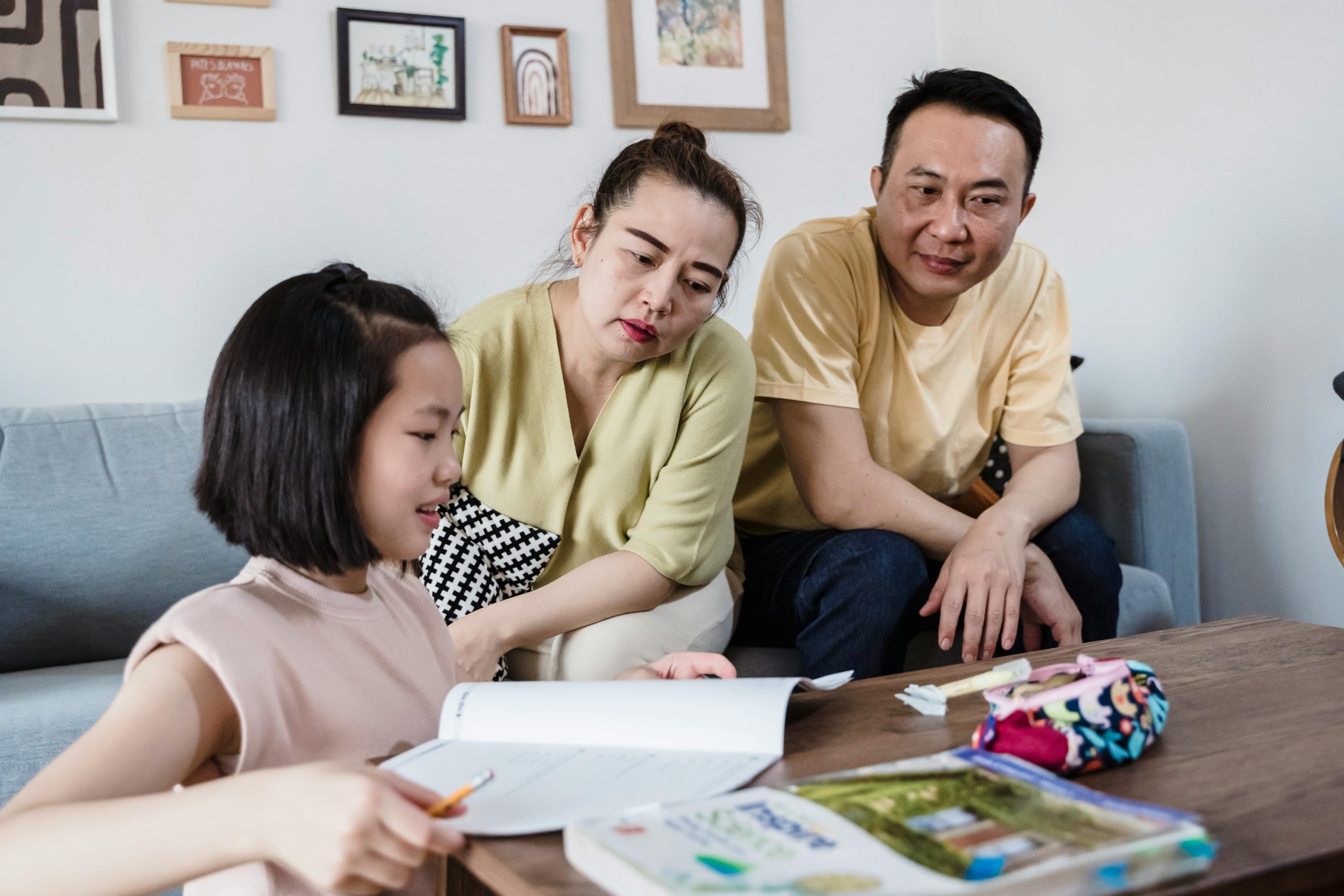
6 Screen Time Myths Parents Still Hear Too Often
How much time kids spend looking at screens is a huge source of arguments in families, and often the discussion gets boiled down to strict rules or scary news stories. But pediatricians and psychologists who study child development generally say it’s about the situation. What kind of show or game it is, how old the child is, when they’re using it, and what they’d be doing instead of being on the screen are all important for parents to think about when they’re deciding about phones, tablets and TVs.
The American Academy of Pediatrics says families should make a media usage plan that works with their everyday lives and what’s important to them. And after looking at psychological studies, the American Psychological Association finds the impact of screens isn’t as simple as one single amount of time. So for families, worrying intensely about screens or just ignoring the issue aren’t that helpful, sensible limits are.
Myth 1: All Screen Time Is the Same
Lots of people get this wrong. Video calls with grandma, school projects, quickly changing videos, and just looking at things on your phone without really doing anything aren’t all the same. Media is different in how quickly it happens, what it’s for, if you’re actively involved, and if it helps or gets in the way of what the family wants to do.
The American Academy of Pediatrics’ advice for families on media plans suggests families think about what media is being used and when. This is because experts more generally believe quality, the time of day, and the situation are all very important. Using a screen to talk to people or for homework is likely to be different than using a device during dinner or right before you’re trying to sleep.
Myth 2: The Only Thing That Matters Is the Number of Hours
Lots of people get this wrong. Video calls with grandma, school projects, quickly changing videos, and just looking at things on your phone without really doing anything aren’t all the same. Media is different in how quickly it happens, what it’s for, if you’re actively involved, and if it helps or gets in the way of what the family wants to do.
The American Academy of Pediatrics’ advice for families on media plans suggests families think about what media is being used and when. This is because experts more generally believe quality, the time of day, and the situation are all very important. Using a screen to talk to people or for homework is likely to be different than using a device during dinner or right before you’re trying to sleep.

Credit: RDNE Stock project / Pexels
Myth 3: Screens Are Fine Right Up Until Bedtime
Doctors who specialize in sleep and advice from those who look after children don’t think that’s a good plan. HealthyChildren.org says families should not allow screens in kids’ bedrooms and to switch them off at least sixty minutes before going to bed. They suggest this because of fears media can make it harder to fall asleep, get the brain going, and make the change to sleep much more difficult.
With lots of children, it isn’t simply what they’re viewing, but the timing and location of screen use. A child on a tablet in bed is likely to be awake for longer, to fight against their usual getting ready for bed routine, or have a much more broken down period of calming down. Also, once using screens becomes a normal part of their bedtime, these habits with media can be really tricky to break.
Myth 4: A Strict Ban Works Better Than a Family Plan
Lots of parents think the most rigid rule is the one that will work best, yet doctors who specialize in children generally recommend carefully considering and scheduling things, instead of just forbidding everything. A plan for media use at home can say where screens aren’t allowed, how late kids can use them at night, what should happen with screens during meals, and what media is okay for doing different things.
This method is usually successful because it links how much time on devices is happening with what the family thinks is important and their normal ways of doing things. Rather than making screens the whole issue, it fits them into the broader life of the family. Kids will then be more likely to realize media is a single piece of their day, and not what they automatically go to when they have nothing else going on.
Myth 5: Educational Content Automatically Solves Every Concern
Just because something is labelled ‘educational’ doesn’t mean a kid doesn’t need someone to keep an eye on things, or to have a sensible amount of other things in their life. Good programmes and apps can be detrimental if they are always what’s happening instead of getting enough sleep, playing outside, reading, or chatting with people. And very young children especially usually do better with a grown-up with them, talking about what’s on the screen or relating it to things that happen in reality.
People who know a lot about how little kids grow and learn are always saying that how we get along with others is what really makes learning happen. So, being with adults, both of you focusing on the same thing, and having a grown up respond to what the child says are all still important, even with apps or videos that are meant to be educational.

Credit: cottonbro studio / Pexels
Myth 6: Parents Need a Perfect System to Manage Screens Well
This idea of what families should do with screens often makes people feel bad, but doesn’t actually help them make good choices. And the advice from people who really know about this isn’t about being perfect. They suggest families make limits that are possible in real life, change those limits as kids get older, and see if screen time is getting in the way of things like sleep, exercise, being with each other, or school work.
Usually, the best ways to deal with screen time are sensible, not huge overhauls. A place for charging phones outside of bedrooms, no phones at the dinner table, a set time to turn devices off at night, and getting outside to play regularly will probably do much more for how everyone feels as a family than a really strict set of rules that nobody can stick to. You aren’t trying to eliminate all struggle, but to get into a more balanced routine.
How much time is spent on screens is a question for each family to deal with, and isn’t about one specific number.
Key Takeaway
How much time kids spend with screens is actually more complicated than people usually think when they’re talking about raising children. Professionals who study this typically look at where the screen time happens, how old the child is, what they’re doing on the screen, if they’re using screens right before bed, and if screens are taking the place of sleep, exercise, or spending time together as a family. It’s normally more useful to have a reasonable plan for media use than to get really worried or create really strict regulations. Families can control their device use in a much better way with understandable limits for bedrooms, during meals, and a specific time at night to turn everything off.
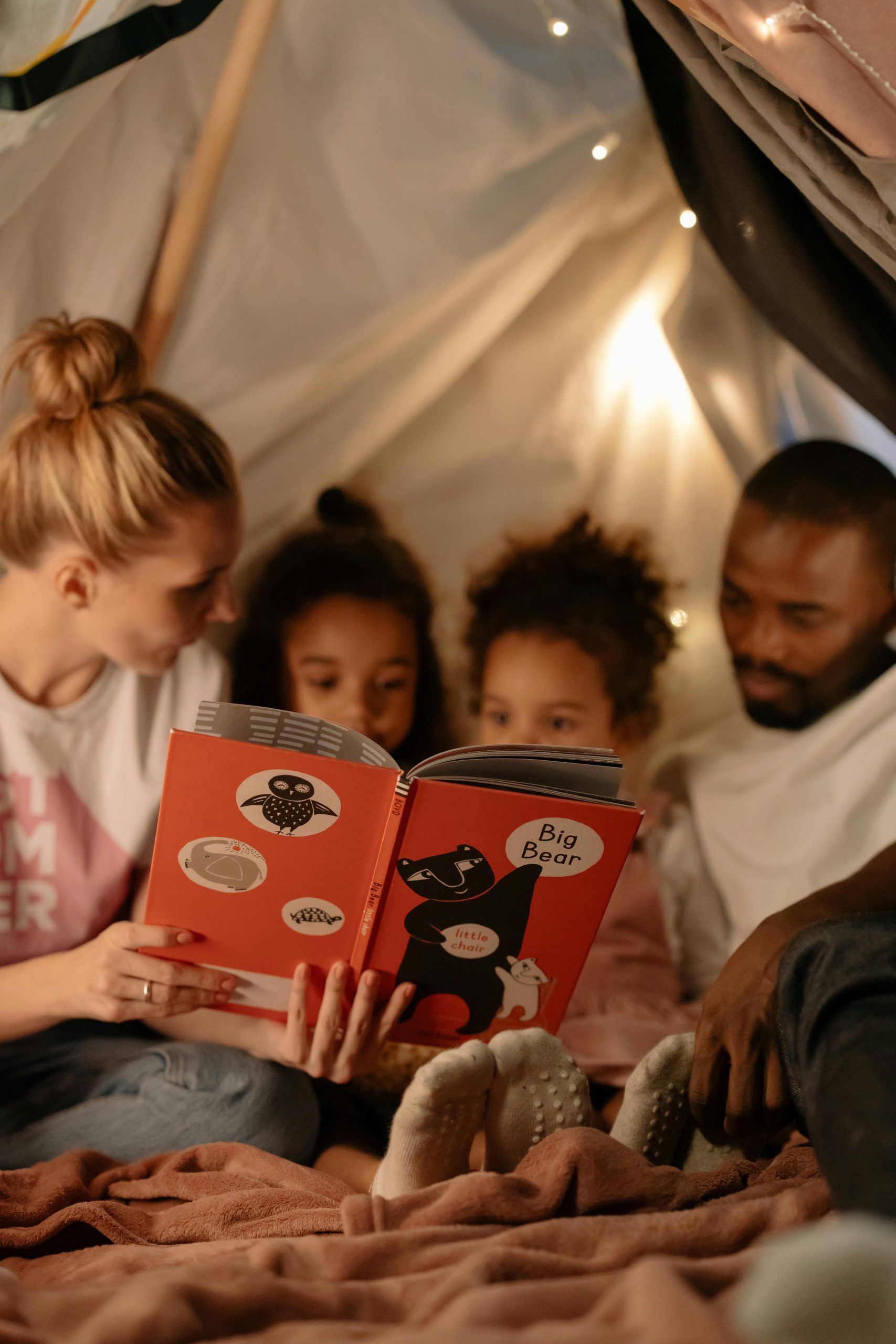
How Families Can Build Better Bedtime Routines for Children
Start With a Regular Bedtime Window
To get your kids into a better bedtime habit, the first thing to do is decide on a reasonable time for them to be in bed, and try to do that pretty much every night. What that time is will be a little different depending on how old they are, what school is like, and what your family needs, but being consistent means kids will know sleep is coming and won’t fight it when you suddenly tell them to go to bed. A regular bedtime will also make getting up in the morning much easier.
For how much sleep a child of each age needs, and for ideas on how to help them sleep better, HealthyChildren.org is a good resource. Importantly, they suggest making sure your child is getting enough rest for their age and how they’re growing. Many families notice they argue about bedtime a lot less if the bedtime routine begins before the child gets too exhausted.
Create a Repeating Sequence Children Can Predict
Bedtime goes most smoothly when you do things in the same order every night. This generally means a bath or washing up, getting into pajamas, brushing teeth, reading a book, a quick chat, and then turning off the lights. Kids are much more likely to go along with things if they know what’s happening and it’s not wildly different from the night before.
Knowing what’s going to happen is important for a calmer time, as it means there’s less arguing. Rather than discussing each thing as you get to it, everyone flows through steps the child is used to. And for little ones, this is a way to start doing things on their own because they’ll figure out what comes next without you having to tell them all the time.

Credit: Antoni Shkraba Studio / Pexels
Reduce Evening Stimulation, Especially From Screens
A really frequent problem getting kids to bed is using phones, tablets, or the TV too late. The American Academy of Pediatrics says to switch devices off at least an hour before bed and to not allow them in children’s rooms. They say this because all that media actually makes it later when kids fall asleep, gets in the way of getting calm for bed, and makes it harder for them to relax and go to sleep.
And even if what they are watching or doing on the device is slow paced, it can still keep them thinking. Or it leads to “just one more” of something…another show, another game, another video. Families generally do better when there’s a definite time screens are put away and a clear change to calmer things like reading, drawing or a quick story.
Use Bedtime to Reinforce Connection, Not Only Compliance
Bedtime is much smoother if it isn’t just a list of things to do. A little story, a quick ‘how are you feeling?’ or a phrase you always say, can make children feel emotionally safe at the end of the day. And as these things happen over and over, it gives grown-ups a chance to pick up on shifts in how a child is feeling, or with stress or their behaviour, things they might not have said.
This emotional side is important because kids don’t always fight sleep because they won’t do what you say. It can be because they’ve had too much going on, are worried about being without you, or their day has been too full. A peaceful, connecting little activity can help a child relax into sleep feeling braver and less anxious.
Adjust the Routine as Children Grow
A bedtime routine that works all the time is a myth. Little kids, pre-schoolers, children in primary school, and teens have different ways of sleeping, are at different stages of being able to do things themselves, and have different things going on at night. As a result, families will probably have to change the order of what happens at bedtime now and then, but it’s important to always be steady and keep things calm before bed.
With younger children, you’ll likely need to be much more involved in getting them ready. Older kids, on the other hand, will need boundaries around when and how long they use phones or tablets, a set time to finish their school work, and ways to relax on their own. What doesn’t change is how important a regular evening plan is.

Credit: Annushka Ahuja / Pexels
Look for Patterns When Bedtime Continues to Be Difficult
When getting your child to bed is still a struggle, it’s worth thinking about the whole day. Things like unpredictable naps, older kids having caffeine too late in the day, a lot of screen time as evening comes on, a schedule that’s all over the place, or not much running and playing during the day all influence how well they sleep. In fact, what is causing bedtime troubles isn’t always bedtime itself, but what has been going on during the day.
If you’re still worried about how your child sleeps, how they act at bedtime, or if they’re continually exhausted during the day, talking to your doctor is a good idea. Lots of different things can be at the root of sleep problems and a doctor’s advice is useful if a simple change to the routine isn’t doing the trick.
And to get a better bedtime going, you’ll almost never achieve it with just one very firm rule.
Key Takeaway
Kids go to bed most easily when things happen at the same time each night, aren’t complicated, and are peaceful. Doctors suggest having a fairly consistent time for sleep, doing the same things in the same order every evening, and not letting them look at phones, tablets or the TV right before bed. Families generally do better with bedtime if it’s both organized and a time to be close to one another. If your child continues to have trouble sleeping, thinking about what they do all day and getting advice from a doctor could show you what to do next.
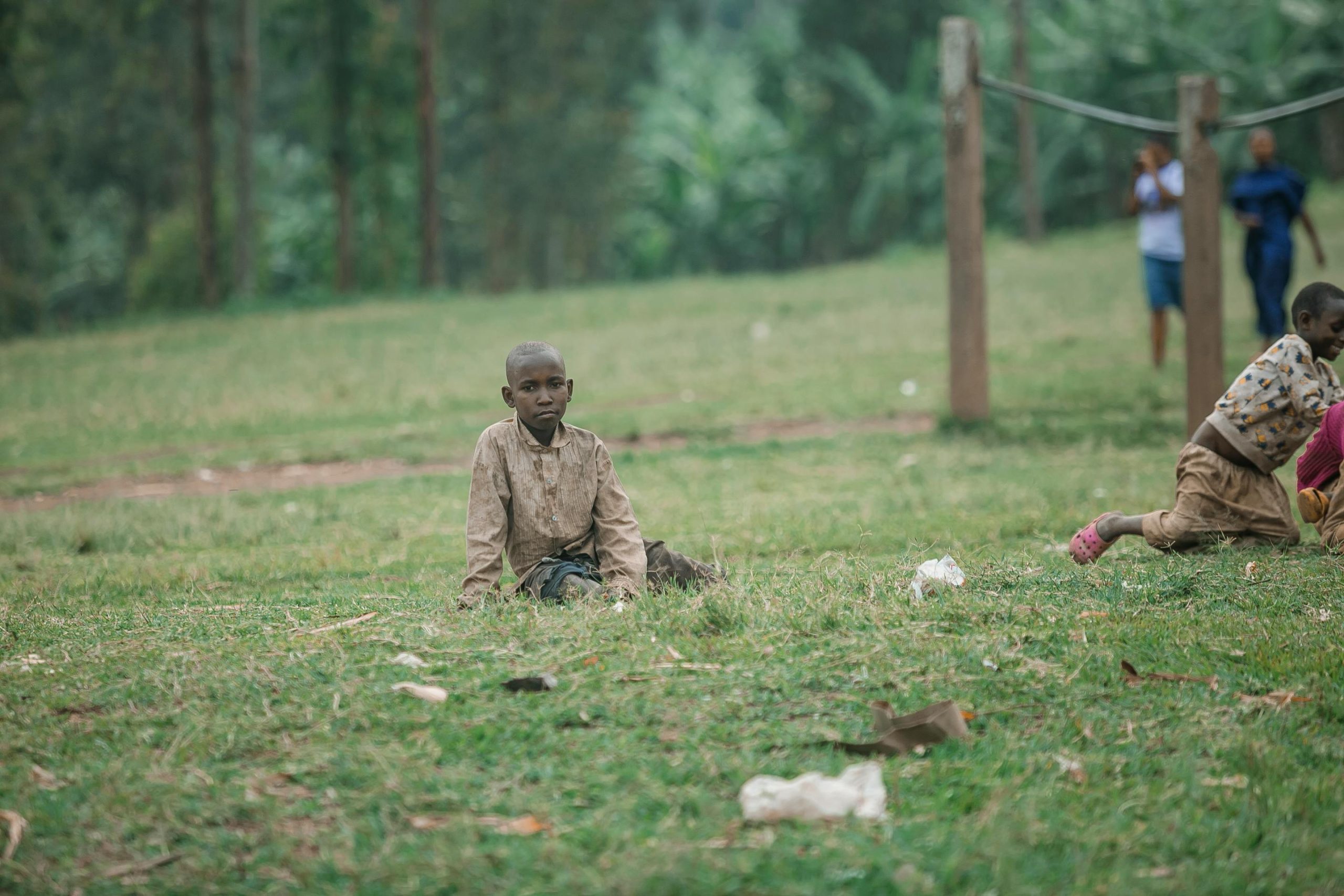
Why Outdoor Play Still Matters for Children and Families
Many people think of playing outside as just a nice thing to do, but those who study children’s health see it as a really important part of growing up well. Being outdoors allows for running, investigating, and the sort of free play that’s crucial for children to develop in their relationships with others, manage their feelings, and become physically strong. And for parents, it’s a good way to balance out busy indoor lives, lots of time at school, and children using phones or tablets.
According to the Centers for Disease Control and Prevention, exercise is good for how children’s brains work, how they do at school, how strong their bones are, and their health in the future. Advice from public health professionals and doctors for children also links being active to their feelings, their sleep, and how they act. It’s easy to see why playing outside is still a major topic when people discuss how families are doing.
Outdoor Play Supports More Than Physical Fitness
Most adults see going outside to play as a way for kids to get exercise, yet it does much more than that. When children run, climb, balance or use their imaginations to move, they are working on how their bodies work together, becoming stronger and understanding their bodies better. Plus, being outside frequently leads to kids making choices, figuring things out and getting along with friends; a lot of planned activities inside don’t do that as much.
Kids playing outdoors are generally busy deciding on how to play, making up stories, thinking about how dangerous something is, and changing to what is happening around them. This is how they gain self assurance and learn to be adaptable. And at home, playing outside can relieve the stress that can build up after being still for a while, from waiting, or from spending a lot of time with screens.
Movement Helps Support Learning and Regulation
The CDC says kids who get physical activity actually have better brains and do better in school. Families should understand this relationship is important, as how a child acts and how well they learn are frequently talked about as though they don’t relate to each other, but in fact they do. When children get to be active regularly, they’re often able to calm down, concentrate on what they’re supposed to do, and get from one activity to the next with more ease.
Playing outside is particularly beneficial after school or on weekends, times when children might be needing to let off steam from having to follow rules and schedules inside. When being active becomes part of a family’s normal routine, you’ll sometimes notice a difference in their feelings and how well they work with you. It’s not that playing outside will fix everything that’s difficult, but it can help a child’s day flow more smoothly.

Credit: Isaac Naph / Pexels
Unstructured Play Builds Skills Structured Activities Cannot Fully Replace
Children get advantages from being in sports or taking classes, yet just letting them play outside where they make up their own games is a different and valuable thing. This kind of play allows kids to be in charge of what they do, invent the rules as they go, and react to their friends, all without someone grown up always telling them what to do. And experiences like these help with being independent and figuring out social difficulties.
For quite some time, studies and advice from people who know about how children grow have shown that playing isn’t just a time to relax from learning, it is learning. When children make up imaginary worlds, investigate a park, or devise games with their brothers, sisters, or friends, they’re getting practice with talking to each other, sticking with things, and deciding what to do for themselves. These abilities – useful in both family situations and at school – can be applied to lots of different areas.
Outdoor Time Can Help Families Rebalance Screen-Heavy Days
Families are really busy, and getting outside is one of the first things to go. Between screens, schoolwork, getting places and all the stuff we do inside, it’s easy to forget to move around. And if being outdoors is thought of as something you can do, it’s likely to be skipped.
Actually, it’s probably simpler for families to make sure kids get to play outside if it’s just a normal part of the day, not waiting for ideal weather. A quick stroll after eating, a trip to the park down the street, a park visit every weekend, or just running about in the garden all accomplish the same goal. It’s how often you do it and being involved that’s important, not a lot of complicated arranging.
This can also help people in the family get closer. Being outside with both adults and children provides a place to talk which doesn’t feel as structured as sitting down and being asked about your day. Kids who don’t love a direct conversation inside can often be much more open while on a walk, throwing a ball, or discovering things in the world outside.

Credit: Abdul Bari / Pexels
Safety and Supervision Still Matter
Looking after kids while they play outside doesn’t mean you can forget about being careful. The CDC’s advice for parents of preschool children says to watch them closely when they’re outdoors, particularly around water or cars. How much supervision they need depends on their age, where they are, what the weather is doing, and what things are like in that particular place.
Also, families do better when safety is just something you always do, not just what you do when something almost goes wrong. Using sunscreen, making sure they have a drink, looking at the area where they’ll be playing, and giving them easy to understand rules will make it simpler for them to be active. And if you have those expectations and follow them all the time, it’s a lot easier to keep going outside to play.
Outdoor Play Works Best When Families Keep It Practical
Kids don’t have to be in massive areas of nature to get the good things from being outdoors. Parks, sidewalks, the space between apartment buildings, schoolyards, and any open ground in the neighborhood are all great for playing and getting exercise. The most important thing is kids getting outside fairly often and adults allowing them to.
How things change with the seasons can affect when you go out. Spring and Autumn are likely to lead to longer times outside, and in really hot or cold weather you might go out for a shorter time, but it’s good to keep going. Families usually do better if they change with the weather instead of stopping the outdoor time altogether.
And playing outside is still important for a child’s complete growth – it’s something both parents and teachers rely on. It helps with being active, focusing, bouncing back from difficulties, and feeling a bond with others in ways that are still useful to families these days.
Key Takeaway
Kids being active outside is good for their bodies, helps them calm down and manage their feelings, lets them learn, and brings families closer. In fact, people who know about these things consistently find that moving around a lot is connected to a healthy brain, doing well in school, and just being happy. Plus, when kids have free time to be outside, they can use their imaginations, figure things out as they go, and get along with others. Families typically get the most from playing outside when it’s something you do every day, not just now and then.
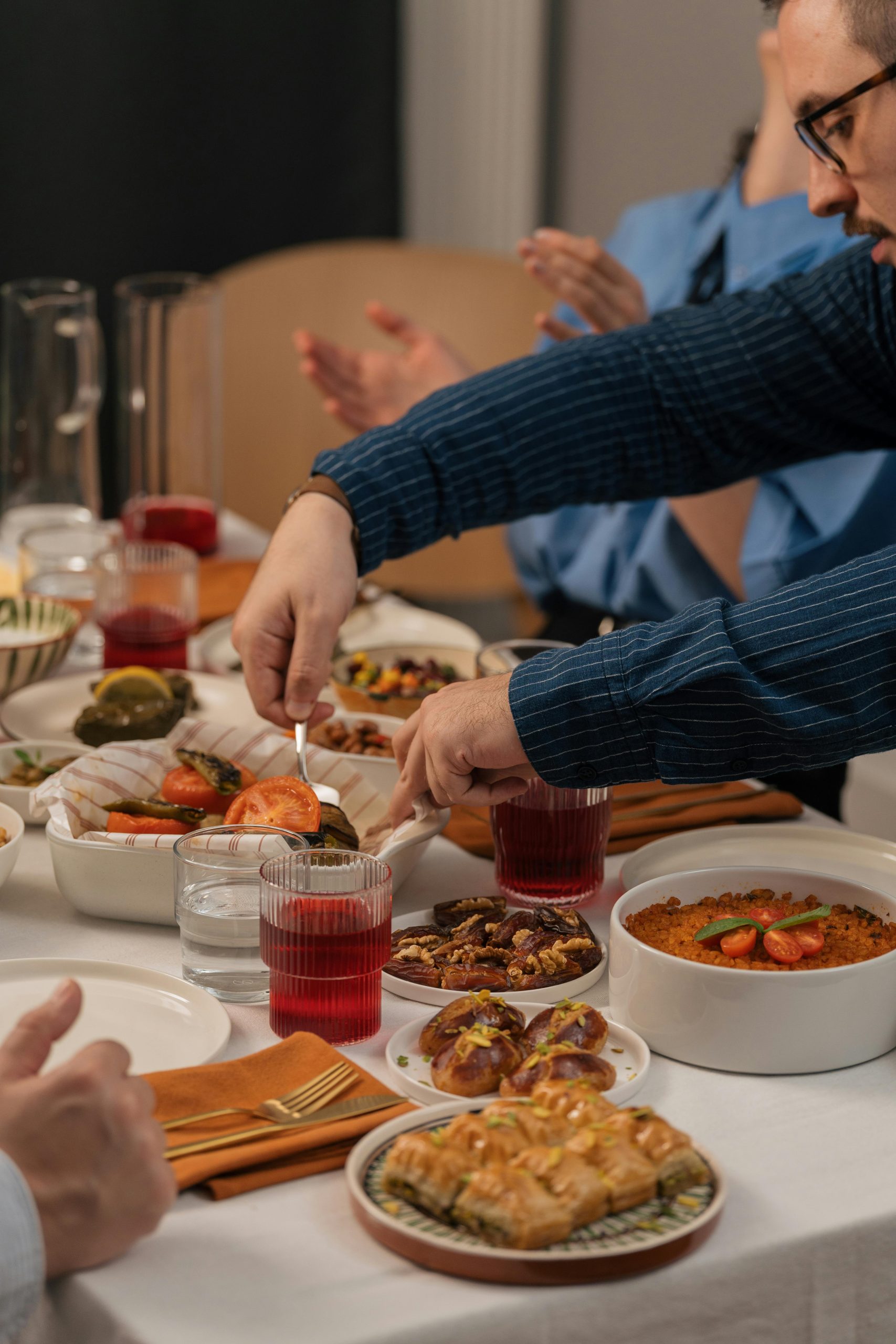
Why Family Meals Still Matter in Busy Households
People often talk about family meals as something we do because it’s a tradition, but doctors who specialize in kids are starting to see them as a really useful way for families to talk to each other, have a rhythm to their day, and help their kids grow. Most families aren’t wondering if meals are important. They’re wondering if their busyness lets them happen often enough to truly become a habit. Yet, experts in how families live still say regularly eating together is one of the easiest ways to get closer.
The American Academy of Pediatrics says eating together encourages talking, makes children a part of things, and is good for their mental and emotional health. Family meals also give adults a predictable time to see how the kids are, looking at how they’re feeling, what’s going on at school, how much they’re eating, or if anything about their behavior is different. In a lot of ways, the dining table is where we regularly check in with each other, as well as get something to eat.
Meals Create a Predictable Space for Conversation
Life in a lot of families is a rush from getting the kids off to school, to work, to doing things for the house and then getting back…but meals together provide a regular moment to stop and for both children and parents to talk to each other without having to specifically plan a time to catch up. This is particularly good for kids in school who won’t necessarily offer up details unless they have a normal, expected time for a chat.
And when you’re chatting at meal times, children get to practice hearing others, to put things in order as they explain what happened and to think about how other people are looking at things. Skills like listening, telling a story with a beginning and an end, and considering someone else’s point of view are important at school and at home. Eventually, the meal isn’t simply about the food; it’s something that happens regularly and tells everyone to pay attention and to speak to each other.
Family Meals Support Emotional Well-Being
HealthyChildren.org says studies show that when families eat together, kids tend to develop better mentally and are less likely to have emotional or behavioral issues. It’s not about every single meal being peaceful or going on forever to get these benefits. It’s more that regularly having a chance to get back in touch with each other is what’s important.
Kids usually understand routine as being safe. Regular meals give shape to the day, and let them know a time for everyone to be together is going to happen. And in homes that are otherwise quite hectic, having that happen over and over can really help children with their feelings and make them feel more like they’re part of things.

Credit: Kampus Production / Pexels
Mealtimes Can Reinforce Healthy Family Routines
Something good about eating together that you don’t immediately think of is how it builds a sense of regularity. The American Academy of Pediatrics points out that when kids have a schedule they can count on, it helps them understand what will happen and makes things less hectic. Mealtimes are a steady point in the day and make it easier to move from one activity to another, and this is particularly true for little kids who are learning to manage their own behavior.
Eating dinner together at a set time, having breakfast as a custom or a regular lunch on weekends can help in other ways too. It can mean they get to sleep more predictably, have less random munching on snacks and give everyone a break from screens. Essentially, when families see meals as a consistent part of home life, the positive effects are often felt in all sorts of areas.
Cooking and Meal Preparation Can Be Part of the Value
What’s good about families eating together isn’t just the eating itself. HealthyChildren.org points out that when children help with cooking, they learn skills they’ll use throughout their lives, get to know food better, and create nice family recollections. Little jobs suited to their age, like washing vegetables, getting the table ready, or stirring things in, give kids a part to play in making the meal.
Being included like this can make them behave better and teach them useful things to do around the house. And they’re less likely to think food magically appears on their plates! For lots of families, if kids are part of things, they feel more connected to the whole mealtime thing and will happily join in at the table.
Consistency Matters More Than Perfection
Many families find it hard to keep up with meals together because they have a picture in their heads of these meals as being peaceful, long, and made entirely from fresh ingredients every single night. Professionals in the field actually concentrate on meals happening regularly, not on how perfect they look. A quick meal you all share, with phones and tablets put away, will probably do more for your relationships than a fancy dinner that isn’t often possible.
Family timetables are all different, and lots of families eat at different times of the day depending on the day of the week. Breakfast as a family might be much easier to manage than dinner for some. For others, the weekend is the only time they can rely on being together for a meal. The good things for children’s development come from being connected with each other a lot of the time, not from having the same kind of meal, at the same time, all the time.

Credit: Nothing Ahead / Pexels
Small Changes Can Make Shared Meals More Practical
Families generally do better with regular mealtimes if you don’t try to do too much. Maybe choose one meal to have together on school days, ban phones and tablets from the table, or ask the same thing to start things off each day. These small actions mean you don’t have to think so hard about meals and make the whole routine easier to do over and over.
And it’s good to avoid long talks or arguments during eating. Kids will get into it more if mealtimes are reliably when everyone gets to be involved, not constantly told what’s wrong. The best meals are often the most normal, giving everyone a chance to get back in touch with each other without any stress.
Family meals are still important because of all the things kids need that they provide: a schedule, chatting, watching how others act, and being together a lot. In homes that are very busy, it’s hard to get all of those things in other ways.
Key Takeaway
Family dinners are about way more than just the food kids eat. Pediatricians say when families eat together, children tend to talk more, feel closer to their parents, and benefit from the stability of a regular time to be together. Getting kids involved in the cooking builds their abilities in the kitchen and makes them feel more a part of things. And even just having meals when no one is looking at a phone or the TV can be a calming point in a hectic day. In fact, for lots of families, it’s more important to have meals together all the time, than to have them be flawlessly done.