Lots of family talks about screens get tangled up because people act like if something is “educational” it automatically solves all the problems with kids and devices. But even with learning-based apps or shows, you still have to think about how much focus they require, when kids are using them, sleep, physical activity, and everyone’s normal family rhythms. People who really know about media and how children grow don’t just lump all screen time together. Instead they consider how the content is being used, if a grown-up is doing things with the child during the time, and what the child isn’t doing because of the screen.
This is important because families are often told really simple things that don’t reflect how kids actually learn. Just being called educational isn’t enough to say a screen habit is good for a child’s growth. The entire situation around the time, the kid’s age, and how much a parent or caregiver is chatting and engaging with the child are often as important as the app, video, or show itself.
Myth 1: If Content Is Educational, Quantity Does Not Matter
A lot of times people think learning materials aren’t a problem to use whenever and for as long as you like. But actually, all media, of any type, can start to get in the way of the other things kids need – sleep, talking to people, moving around, playing. Good things to learn about have to fit within everything else a child does in a day.
Families usually do better when they consider not just what their child is doing on a screen, but what screen time is pushing aside. A little bit of something educational, and something that’s been carefully selected, is perfectly possible as part of a good mix of activities. Even if the material is good for them, it can be difficult to allow for it all the time.
Myth 2: Educational Screens Work Best Without Adult Involvement
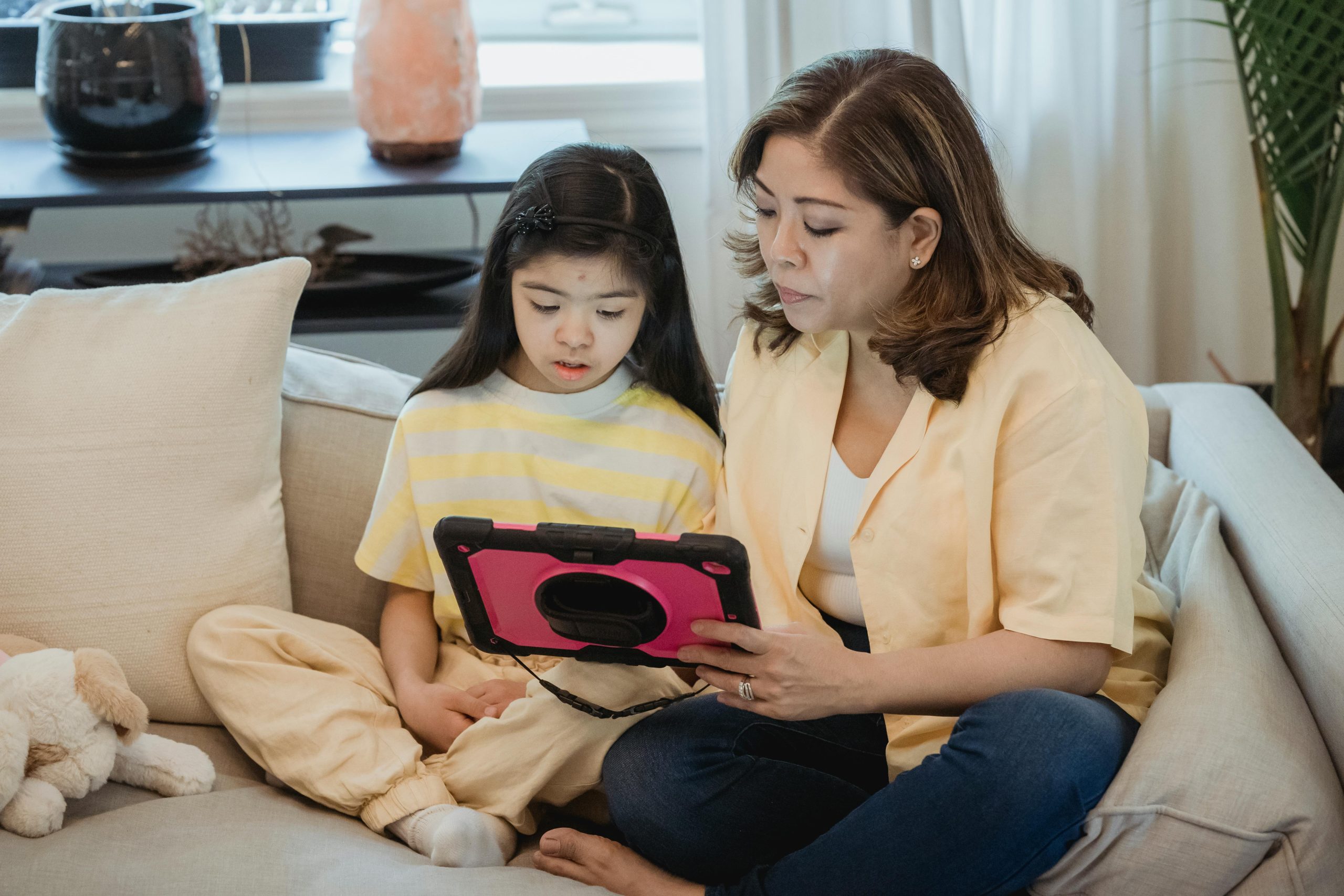
Kids generally get a lot more out of screen time when an adult is doing things with them, instead of just letting the screen act as the teacher on its own. A parent or other caregiver can ask the child questions, relate what they’re seeing to things they know, define any new words, and keep an eye on if the child is really getting it. This back and forth is what changes simply watching into learning that sticks.
And when a grown-up is involved, the family can figure out if the show or app is right for the child’s age and abilities. Something that’s called educational might still be too fast paced, have language the child doesn’t understand, or just not manage to keep their focus in a way that will actually benefit them.

Credit: Pexels
Myth 3: Educational Content Automatically Improves Attention
Lots of parents think that if a computer program or app is about schoolwork, it’ll automatically improve a child’s ability to concentrate. But how well a child can pay attention is about much more than just what they are looking at. The speed of things on the screen, the noises, how much is happening visually, when they’re using it and a child’s age are all factors in whether screen time helps them focus or actually makes them overly excited.
Kids normally develop their concentration through all sorts of things: talking, playing, being read to, and discovering things in the world around them. Learning from screens can be useful, but it won’t do the job of all those other important ways children grow and learn.
Myth 4: Screens Labeled Educational Belong Naturally in Every Routine
Good content isn’t helpful at any time of day. In fact, many families find that screens before bed, while they are eating, or when everyone is moving from one activity to another cause more problems than they solve. When you think about it, how kids react to TV, games, or phones is connected to what the family is doing; therefore, timing is important.
Something a child can use for a short while to learn in the afternoon is likely to be a bad idea for bedtime or dinnertime. This is a key reason why families with better media habits generally have rules based on when screens are used, not just what they’re showing.
Myth 5: Educational Screens Can Replace Real-World Learning
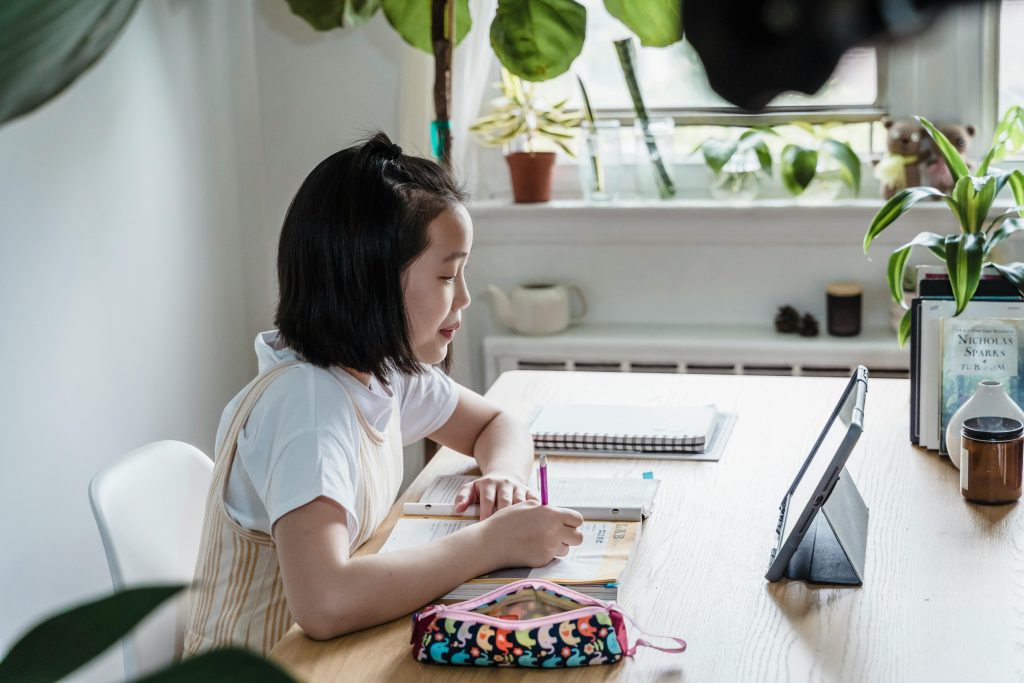
Kids can get help with learning from apps and things like that, but chatting with people, physically playing, being outside, being read to, and being with friends are still incredibly important. Children learn just as much from their connections with others and what they do, as from facts and details. So, even if a child sees a counting lesson, they’ll understand it even better if they count their toys, something they’re eating, or the stairs they climb.
Families do best when they think of screens as one option of many, and when what a child is learning on a screen connects to actual life, it makes much more sense and is easier for them to really use.
Credit: Pexels
Why Families Benefit From a More Balanced View
Learning from screens is generally at its best when it’s included with other learning experiences, not used as the only way to learn. What something is called is a factor, sure, but it’s just one piece of what’s going on. Families usually have more success if they think about when kids are using things, how much the grown-ups are doing with them, and if the screen time goes well with everything else the child does.
Considering things in a more measured way stops families from seeing things as either totally good or totally bad. They can then use digital tools that can help, without figuring that just because a screen is advertised as educational, it is absolutely the best thing for a child’s growth.
Key Takeaway
Good educational programs on a screen certainly can help, but they aren’t the answer to all worries about kids and media. Families generally do best when they think about when screens are used, if an adult is there to be part of it, how much focus is happening, and what activities the screen time is taking the place of. What something is labeled ‘educational’ is not as important as how it’s being used. And when families have sensible habits around all kinds of media, learning with digital devices is most effective as just one option amongst lots of doing things in the real world, and a normal everyday plan.