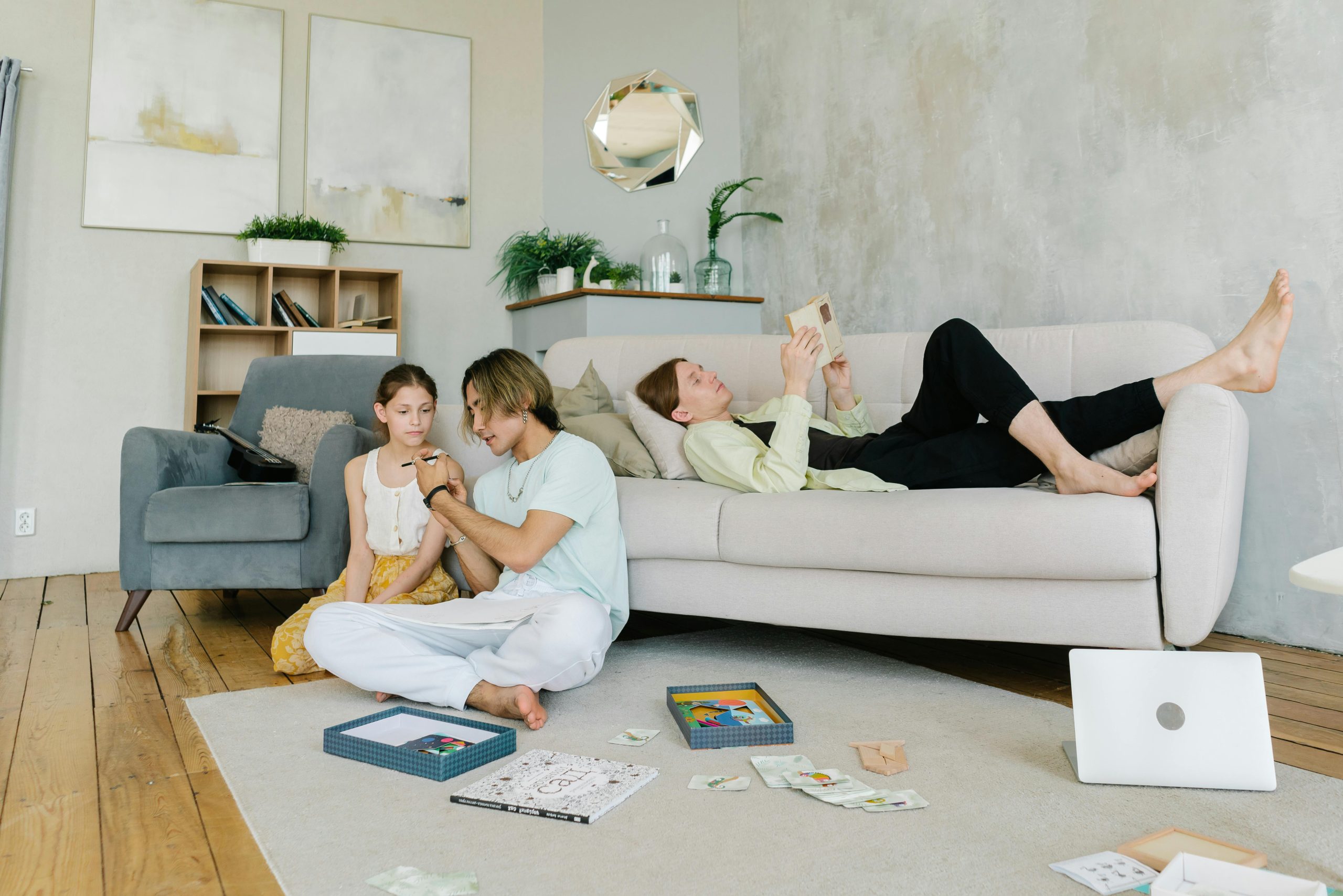
People usually think of family traditions as being for holidays or big events, but experts in how children grow say they’re really much wider in scope. Little things that you do over and over, for example, pizza on Friday, a walk during the weekend, a special breakfast for birthdays, or a story at bedtime, are important for how a family sees itself and for making kids feel safe. These traditions don’t have to be complicated to be valuable. For many families, what makes them important is that they happen again and again, you know they will happen, and they mean something to everyone.
Psychological research and advice about families have for a long time indicated that habits and rituals help children to be okay, by giving them a feeling of steadiness. The American Psychological Association says family rituals are repeated activities which make families closer and more able to bounce back from difficulties, particularly when things are stressful or changing. Basically, traditions show children that some times, habits and people will always be there for them. That feeling of things staying the same is especially helpful in busy families where plans change quickly, and parents have to divide their time and attention.
Traditions Help Children Understand Family Identity
Family traditions really help kids get a sense of what this family is all about. Things like a regular pancake breakfast, a first-day-of-school picture every year, or a stroll after dinner might not be a big deal in themselves, but they start to mean a lot to a child as time goes by. They’ll tie those happenings to feeling safe, like they’re part of things, and at home.
Many people who study kids say they do well with doing the same things over and over so the family can build a story together. Traditions are that story, they show children how their family works and connects with each other. And at an age when children are trying to figure out who they are and feel secure at home, this is particularly valuable.
Rituals Can Support Stability During Busy or Stressful Times
Family traditions become much more valuable when things are hard, not when they’re going well. When kids are starting a new school, have a lot of changes in their schedule, are moving to a new home, or are just going through a difficult emotional time, things they do as a family regularly can be a source of stability. A quick thing you do every week, or a meal you always eat together, can show children that at least some of how the family does things will stay the same, even if everything else is different.
The American Psychological Association’s explanation of family routines and rituals shows this calming effect plainly. When families do the same things over and over, it makes uncertainty smaller and helps children to feel more secure. These traditions won’t get rid of the stress, of course, but they can make it so it doesn’t feel like absolutely everything is transforming all at once.
Credit: Pexels
Small Traditions Often Work Better Than Complicated Plans
People in families often think traditions need to be really special, involve a lot of money or create lasting memories to be worthwhile. Yet professionals in this area usually find that what’s truly valuable are things you do easily and over and over. Going to the library each week, having a movie night, cleaning on Sunday with music, or taking a walk when the seasons change are all things that gain significance from being done regularly, not from being spectacular.
And those uncomplicated traditions are the ones that generally stick around. If a tradition isn’t difficult to keep going, it will likely get through packed school schedules, changes in how much money you have, and the ways your family’s needs evolve. This means kids are far more likely to appreciate the warm feelings of doing the same thing frequently, instead of being disappointed by a tradition that shows up once and is then dropped.
Traditions Support Communication Without Forcing It
Lots of kids don’t readily share their feelings when you directly ask them to. Family traditions offer a relaxed way to bond, and they don’t require a child to suddenly be emotionally revealing. A child is likely to say a lot more during a car journey for ice cream, at bedtime, or on a walk in the park than in a proper, face to face conversation.
And this is important. Families usually become closer during everyday moments, not big, special occasions. Traditions give lots of chances to talk and to get a sense of what is going on for your child, and grown ups can pick up on changes in how they are feeling, worries about school, or new things they enjoy, just by being with them often during something they do all the time.
Children Remember the Feeling of Traditions
What families usually think about when making traditions is which tradition to start. But kids are much more likely to recall the way the tradition felt: was it peaceful, something they could rely on, cozy? Did they feel like they were a part of things? And did it happen enough to just be how things are in their family? It’s those kinds of things that people generally remember.
Family experts say children don’t require being busily amused all the time to form strong memories. What they really need is to be noticed repeatedly, to feel like they fit in, and to do things together that mean something to everyone. Traditions are a fairly easy way to offer these kinds of times.
Credit: Pexels
How Families Can Start Traditions Without Pressure
Good traditions generally start with things your family already does regularly. It’s more helpful for most families to pick one thing they do all the time and make sure it stays special, rather than starting a big complicated new thing. Perhaps you have Saturday morning breakfast, a walk in the countryside each month, or reading a beloved book together every Sunday night.
Traditions don’t have to be flawless to be important. What makes them valuable is doing them all the time, really being present with each other during them, and the feelings they bring up. A little tradition, given enough time, can easily turn into something you can absolutely count on in your family’s life.
Key Takeaway
When kids have easy, regular family happenings, it helps them feel like they are a family, feel secure, and feel close to each other. Most people who study these things say doing the same things over and over is good for families, because it makes life more predictable and makes a family’s sense of who they are get stronger as time goes on. These traditions don’t have to cost a lot of money, or be complicated to be important. Actually, the traditions families cherish the most are often the ones they can do again and again without much trouble.