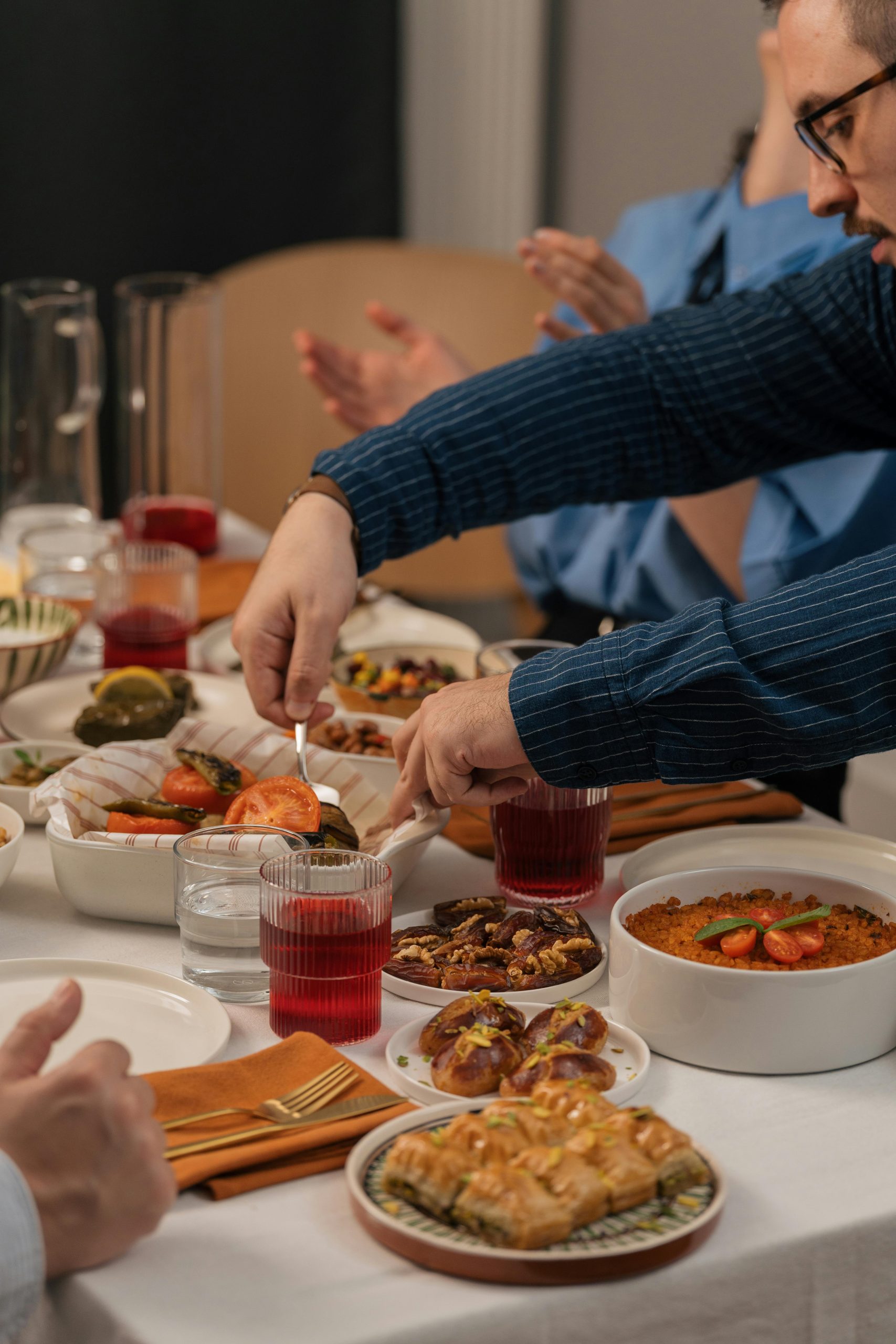
People often talk about family meals as something we do because it’s a tradition, but doctors who specialize in kids are starting to see them as a really useful way for families to talk to each other, have a rhythm to their day, and help their kids grow. Most families aren’t wondering if meals are important. They’re wondering if their busyness lets them happen often enough to truly become a habit. Yet, experts in how families live still say regularly eating together is one of the easiest ways to get closer.
The American Academy of Pediatrics says eating together encourages talking, makes children a part of things, and is good for their mental and emotional health. Family meals also give adults a predictable time to see how the kids are, looking at how they’re feeling, what’s going on at school, how much they’re eating, or if anything about their behavior is different. In a lot of ways, the dining table is where we regularly check in with each other, as well as get something to eat.
Meals Create a Predictable Space for Conversation
Life in a lot of families is a rush from getting the kids off to school, to work, to doing things for the house and then getting back…but meals together provide a regular moment to stop and for both children and parents to talk to each other without having to specifically plan a time to catch up. This is particularly good for kids in school who won’t necessarily offer up details unless they have a normal, expected time for a chat.
And when you’re chatting at meal times, children get to practice hearing others, to put things in order as they explain what happened and to think about how other people are looking at things. Skills like listening, telling a story with a beginning and an end, and considering someone else’s point of view are important at school and at home. Eventually, the meal isn’t simply about the food; it’s something that happens regularly and tells everyone to pay attention and to speak to each other.
Family Meals Support Emotional Well-Being
HealthyChildren.org says studies show that when families eat together, kids tend to develop better mentally and are less likely to have emotional or behavioral issues. It’s not about every single meal being peaceful or going on forever to get these benefits. It’s more that regularly having a chance to get back in touch with each other is what’s important.
Kids usually understand routine as being safe. Regular meals give shape to the day, and let them know a time for everyone to be together is going to happen. And in homes that are otherwise quite hectic, having that happen over and over can really help children with their feelings and make them feel more like they’re part of things.

Credit: Kampus Production / Pexels
Mealtimes Can Reinforce Healthy Family Routines
Something good about eating together that you don’t immediately think of is how it builds a sense of regularity. The American Academy of Pediatrics points out that when kids have a schedule they can count on, it helps them understand what will happen and makes things less hectic. Mealtimes are a steady point in the day and make it easier to move from one activity to another, and this is particularly true for little kids who are learning to manage their own behavior.
Eating dinner together at a set time, having breakfast as a custom or a regular lunch on weekends can help in other ways too. It can mean they get to sleep more predictably, have less random munching on snacks and give everyone a break from screens. Essentially, when families see meals as a consistent part of home life, the positive effects are often felt in all sorts of areas.
Cooking and Meal Preparation Can Be Part of the Value
What’s good about families eating together isn’t just the eating itself. HealthyChildren.org points out that when children help with cooking, they learn skills they’ll use throughout their lives, get to know food better, and create nice family recollections. Little jobs suited to their age, like washing vegetables, getting the table ready, or stirring things in, give kids a part to play in making the meal.
Being included like this can make them behave better and teach them useful things to do around the house. And they’re less likely to think food magically appears on their plates! For lots of families, if kids are part of things, they feel more connected to the whole mealtime thing and will happily join in at the table.
Consistency Matters More Than Perfection
Many families find it hard to keep up with meals together because they have a picture in their heads of these meals as being peaceful, long, and made entirely from fresh ingredients every single night. Professionals in the field actually concentrate on meals happening regularly, not on how perfect they look. A quick meal you all share, with phones and tablets put away, will probably do more for your relationships than a fancy dinner that isn’t often possible.
Family timetables are all different, and lots of families eat at different times of the day depending on the day of the week. Breakfast as a family might be much easier to manage than dinner for some. For others, the weekend is the only time they can rely on being together for a meal. The good things for children’s development come from being connected with each other a lot of the time, not from having the same kind of meal, at the same time, all the time.

Credit: Nothing Ahead / Pexels
Small Changes Can Make Shared Meals More Practical
Families generally do better with regular mealtimes if you don’t try to do too much. Maybe choose one meal to have together on school days, ban phones and tablets from the table, or ask the same thing to start things off each day. These small actions mean you don’t have to think so hard about meals and make the whole routine easier to do over and over.
And it’s good to avoid long talks or arguments during eating. Kids will get into it more if mealtimes are reliably when everyone gets to be involved, not constantly told what’s wrong. The best meals are often the most normal, giving everyone a chance to get back in touch with each other without any stress.
Family meals are still important because of all the things kids need that they provide: a schedule, chatting, watching how others act, and being together a lot. In homes that are very busy, it’s hard to get all of those things in other ways.
Key Takeaway
Family dinners are about way more than just the food kids eat. Pediatricians say when families eat together, children tend to talk more, feel closer to their parents, and benefit from the stability of a regular time to be together. Getting kids involved in the cooking builds their abilities in the kitchen and makes them feel more a part of things. And even just having meals when no one is looking at a phone or the TV can be a calming point in a hectic day. In fact, for lots of families, it’s more important to have meals together all the time, than to have them be flawlessly done.