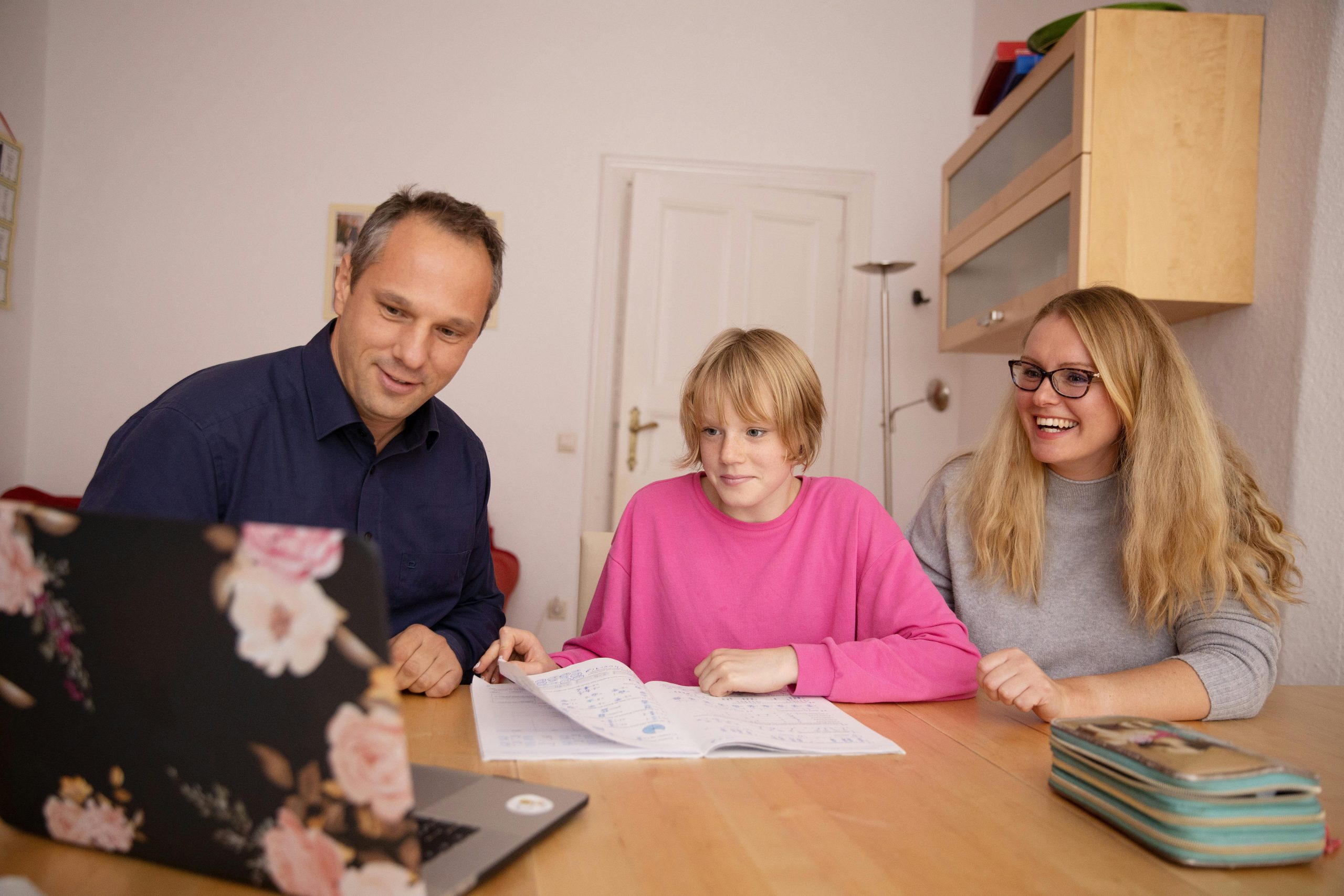
Most families would like to help their children with learning at home, but they don’t want every night to feel like school all over again. Experts in how children grow and are taught pretty much agree with this. Helping kids learn at home is most effective when it boosts how well they can focus, their language skills, their desire to find things out, and sticking to a schedule; it shouldn’t mean they’re under academic stress all the time. And usually, the things that help learning happen are simple and you can do them regularly, they aren’t complicated or rigid.
The American Academy of Pediatrics and the CDC both say that how a child develops is linked to the things they do every day: reading, talking, having routines, and playing. These are the things that give children the basics they need for school, without your house having to be school. This difference is important for families, as pushing too hard can actually destroy the enthusiasm and belief in themselves that learning relies on.
1. A Daily Reading Habit
Reading with your child is still one of the best things you can do to help them learn when they’re young. It’s how they get to know a lot of words, get good at listening, concentrate for longer, and understand how stories work and what printed words are all about. Doctors at the AAP (American Academy of Pediatrics) have for years said reading aloud is a great part of a child’s first years; it’s a way to learn language and to get closer to your child at the same time.
Families will generally find things go much better with reading as a part of their everyday life, not just once in a while. A quick read together each day builds a steady learning routine and doesn’t have to be like a chore.
2. Conversation During Ordinary Routines
Kids don’t just learn when sitting at the table doing worksheets. They develop their language skills, their ability to remember things, and how to think things through from chatting. When you talk with children during mealtimes, while you’re out doing things, as you tidy up, or during a walk, they get lots of chances to explain what they’ve done, ask what they’re wondering about, and learn new words.
Those who know about these things usually think this type of back and forth is really good for them – because learning to use language is very connected to speaking to people as it happens. For a lot of families, good conversations actually help children learn even better than extra practice on school subjects.
3. A Predictable Homework or Quiet Time Window
It’s usually good for kids to have a set time each day after school to read, go over what they did in class, or just do something peaceful and thoughtful. Doing this regularly helps them focus and get organised, and importantly, doesn’t mean your family needs a really long or strict studying timetable. The important thing is to do it consistently, not to make them feel stressed about it.
Kids are generally much happier with a routine that’s easy to understand and handle. Plus, knowing there’s a specific time for schoolwork lowers the panic at the very end of the day and stops homework becoming something everyone argues about every evening.

Credit: Pexels
4. Encouraging Questions Instead of Only Correct Answers
Kids learn best when they’re given the space to be inquisitive. Most of the time, families are most helpful by being happy to answer questions, looking for the answers with their children, and demonstrating that a good discussion doesn’t always have to end with a perfect answer right away. That way, children start to think of learning as something enjoyable, not just about how well they do.
And, in general, people who know about these things link curiosity to a lasting enthusiasm for things. When a house encourages questions, it builds children’s self-belief and makes them far more likely to investigate fresh concepts.
5. Play That Involves Problem-Solving
Even after the toddler years, playing is still a really good way for kids to learn. Things like board games, construction toys, make-believe, drawing, and basic puzzles all help with making plans, using language, remembering things, and being able to adapt to changing situations. Pediatricians at the AAP (American Academy of Pediatrics) have many times emphasized how valuable play is for a child’s normal and positive growth and education.
And that’s important – children usually pick things up most effectively when they are involved and doing things, not just being told over and over where they went wrong. Learning through play can get a child ready for school, but without turning the home into a never-ending series of lessons.
6. A Calm Environment Around Mistakes
It’s easy to forget, but how parents and caregivers react when a child makes a mistake is a hugely important part of how that child learns. If a child is always pushed to be right, they will likely become careful, or even fight against trying, or lose interest altogether. Responding to errors with a bit of calm can allow a child to continue trying and understand learning is how things are done. Most professionals agree feedback should be straightforward but not make a child feel bad. And when families view mistakes as a normal part of learning, kids will usually stick with harder things for a longer period.

Credit: Pexels
Why Home Learning Works Best When It Feels Sustainable
Most families don’t require anything elaborate. What they really benefit from are a handful of habits they can realistically keep up. Reading to each other, chatting, having peaceful daily patterns, playing games, and reacting to errors in a relaxed way all help kids learn in ways that fit comfortably into how the family already lives.
Children are much more likely to become confident and do well in school if their at-home routines encourage being inquisitive and being steady, rather than being pushed. And generally, that’s the sort of learning support families can manage for years and years.
Key Takeaway
Helping kids with school at home shouldn’t feel like more school causing stress. What learning really builds on, according to most specialists, is reading aloud, chatting with your child, having a regular, peaceful bit of downtime, encouraging them to question things, letting them play, and being relaxed when they get things wrong. These ways of living are things you can easily do again and again and they help children grow as they should. In lots of families, the things you do every day, easily, help a child learn much more effectively than difficult schoolwork schedules.